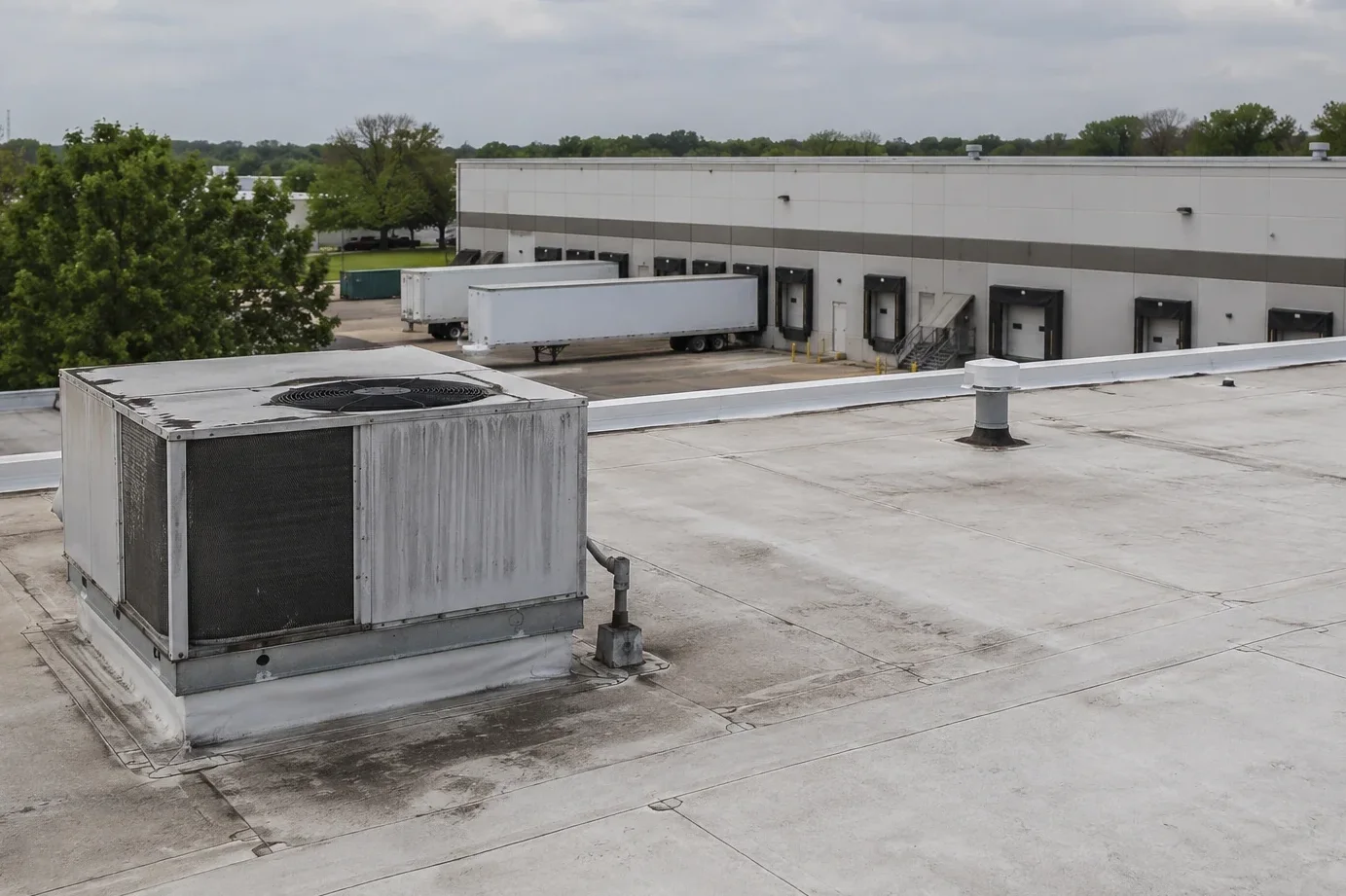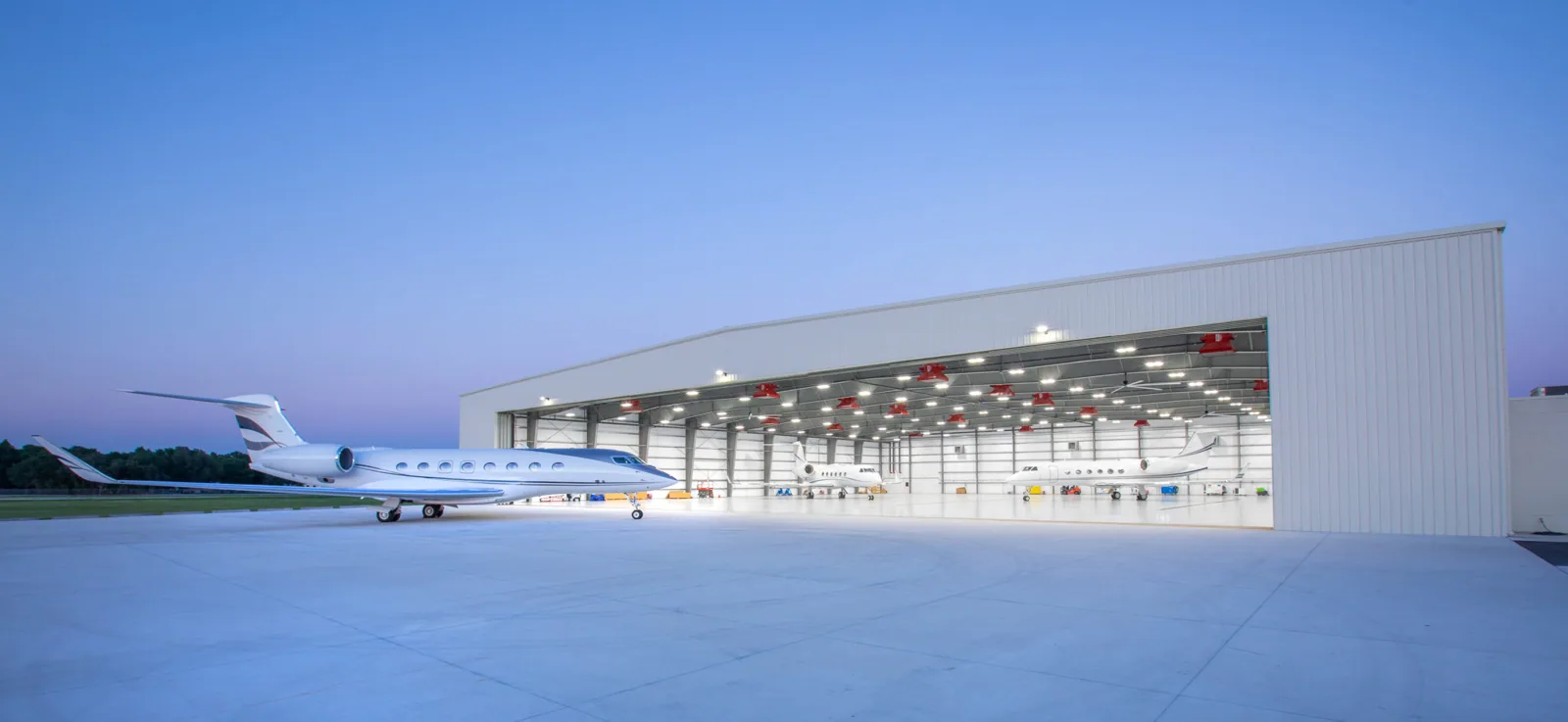
Before a hangar roof is opened, every aircraft in the bay has to be named, moved or covered, and the airfield's access rules confirmed. Nothing else on the schedule matters until that is done. Tri-Cities Regional Airport sits in Blountville next to Kingsport's city limits, with an 8,000-foot main runway and about 454,000 passengers in 2024, and hangars around any field have their own owners, tenants and rules. We ask for the bay layout, the aircraft list by bay, the airfield access procedure and the maintenance calendar before we ask for drawings.
Those answers become the phasing plan, and the price is written against it.
Aircraft Moves and Bay Plan
A clear-span hangar has no interior walls, so water entering anywhere can reach an aircraft anywhere. The owner or operator names which bays can be emptied, which aircraft can be towed to another hangar or apron and which must stay under cover. The plan lists each aircraft's position, the day it moves and the day it returns.
Where a bay cannot be emptied, aircraft are covered and the floor below the cut is sealed with a ceiling-height barrier. Tooling, fuel carts and ground support equipment are shielded or moved. A named contact for each tenant signs the move list, and the foreman confirms the bay is clear before the first cut.
Aerospace Park, created by the airport authority near the field, has drawn helicopter-sector suppliers, and Tri-County Industrial Park in Piney Flats was built to attract Bell Helicopter. Buildings serving that sector have their own tenants and access rules, and the plan asks each for a contact before a date is set.
Airfield Access, Crane Height and Haul Route
Work near taxiways and aprons has height limits and access rules. A crane boom or a lift can be an obstruction, so the airport authority or the hangar owner approves the position and the dates. The crane pick is scheduled for hours when the apron is quiet, and the path of the boom is marked on the site plan.
Crews check in, wear identification and follow the airfield's vehicle rules. The haul route and laydown area stay clear of taxi lanes and fire access. Material arrives in small lots, and loose items are tied down at the end of each shift against jet blast and wind. The airport's requirements are confirmed by the owner, and the work plan follows them in writing, as it does for an Army installation building.
Tear-Off Sequence by Bay
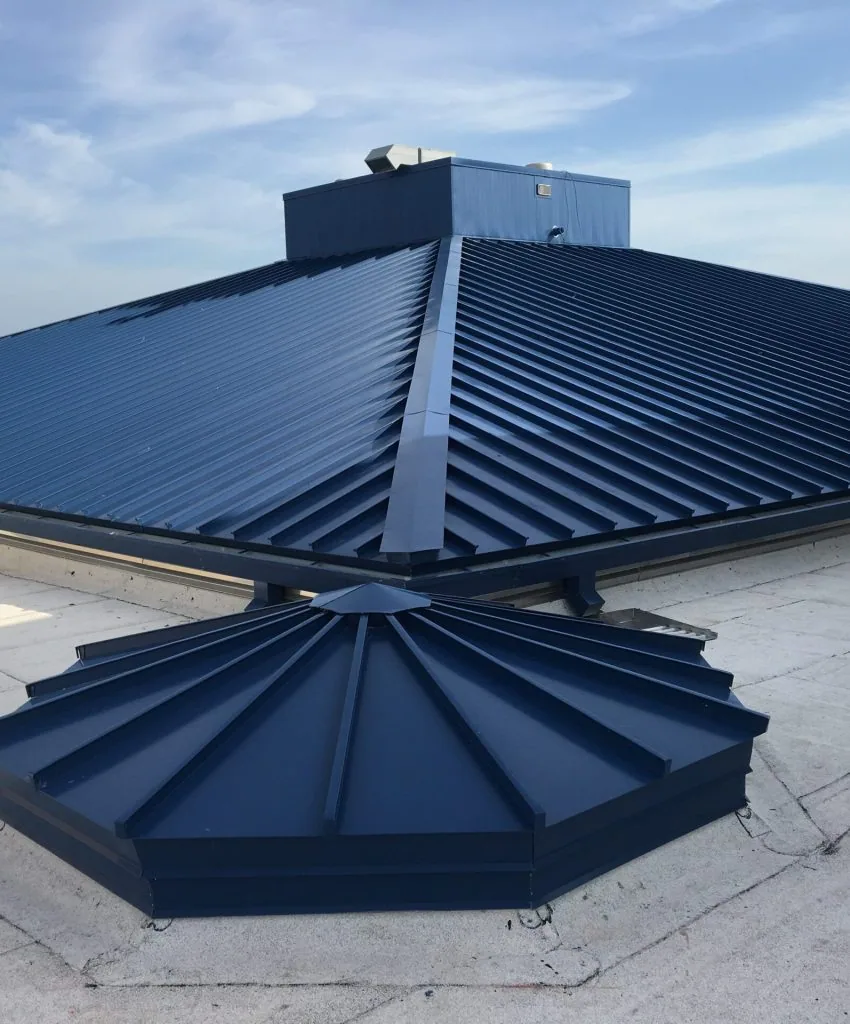
The long span is divided into bays along the structure, and each bay is a phase; a metal roof retrofit is considered first where the frame is sound. Each bay is stripped, dried in and closed before the crew goes home, and the next bay stays shut until the first one sheds water. Debris is caught in covered chutes and nets, never dropped, and the floor is swept and checked before an aircraft is returned.
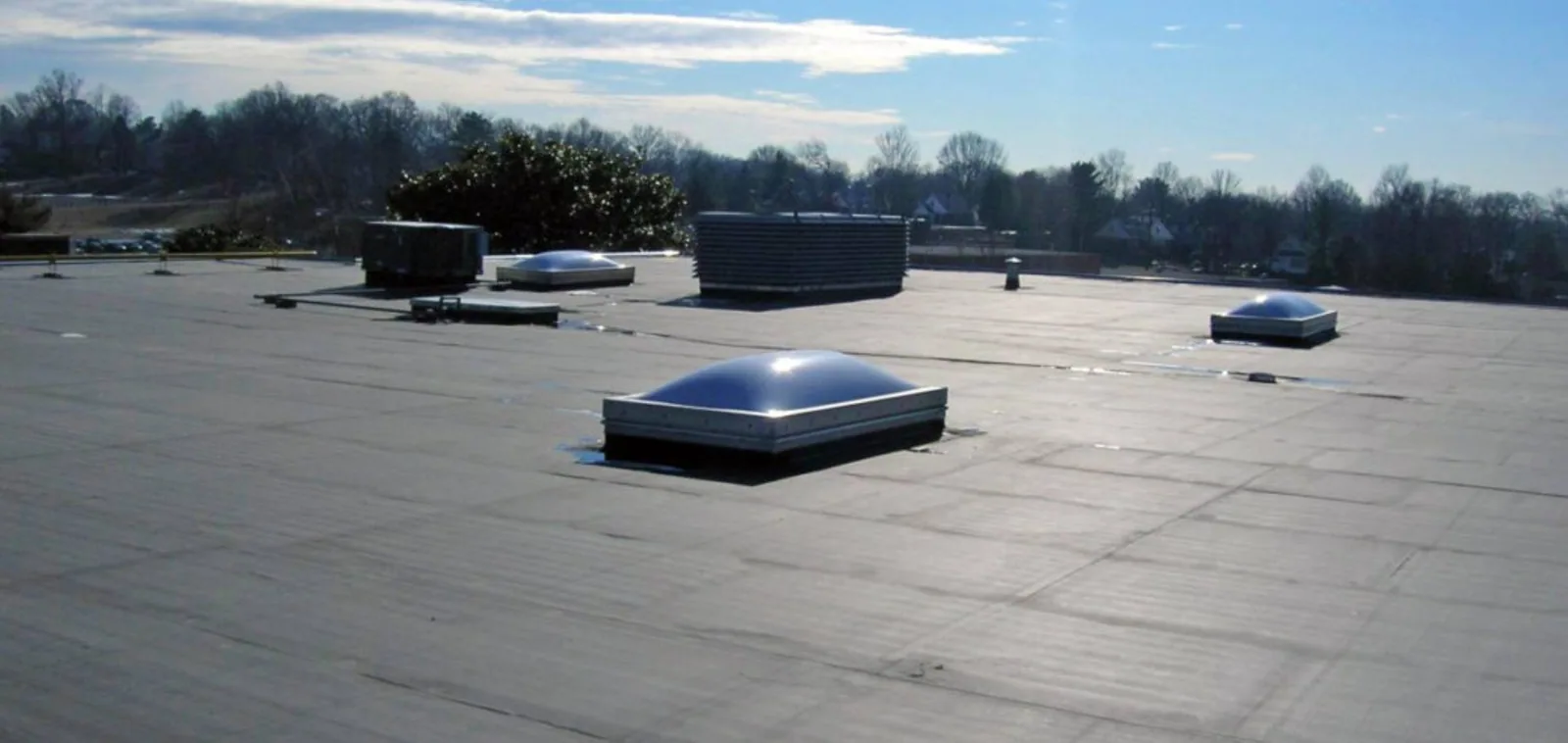
The daily note records the bay opened, the bay closed, the aircraft status and the next day's start. An infrared moisture survey before the bid maps any insulation that has taken on water. Skylights and translucent panels are logged and replaced or resealed in sequence. The foreman and the hangar contact walk the finished bay together before the aircraft comes back.
Gutters, scuppers and downspouts are renewed with the edge, and the outlets are directed away from the apron. Before the crew leaves a bay, the drains are flushed and the water is watched leaving, so the first rain does not find a blocked outlet.
Door Wall, Header and Edge Tie-Ins
The door wall is the largest opening in the building, and the roof edge above it takes the greatest wind pressure. The header flashing, the edge metal and the first fastener rows are rebuilt as one tie-in. Door tracks are protected while the work above is open, and the doors are cycled and tested after the flashing is complete.
The plan names who services the doors, who tests the electrical operators and who confirms that sealants have cured. The door contractor is on site the day the header is opened, so a door never sits half-operable overnight.
Wind pressure at the door wall is the reason this tie-in is built before any other edge. The foreman checks the fastener spacing against the roof system's requirements and photographs it before the cap goes on.
Fire Protection, Fuel and Hot Work
A flex industrial shop and a hangar share some risks. Hangars store fuel and solvents, and many have foam or sprinkler systems in the ceiling zone. The crew locates each line before any cut and avoids fasteners that could reach it. A torch near fuel and solvents needs a hot work permit and a fire watch, and the owner can ask for cold-applied or mechanically attached systems to avoid flame altogether.
Any impairment of detection or suppression is reported through the owner's process, and the fire protection contractor is on call. Fuel handling stops while work is open above the bay, and extinguishers stay at the work area throughout the shift.
The fire protection contractor tests the system after the work and before the bay is returned to service, and the test record goes into the close-out file.
Permit Submittal, Weather and Closeout
A hangar at the airport may answer to a different authority than the city, so the first call settles who permits the work. If the city does hold the permit, the filing is a stamped plan set and a PDF copy, and once the contract tops $25,000 the Tennessee license rule and the insurance certificates join it.
Rain falls on roughly 133 days a year here, close to 45 inches in all, and Morristown warnings for Sullivan County have named gusts of 60 mph with hail. A bay is not left open when a warning posts. The punch list is walked with the hangar contact and each item is closed with a photograph, and the owner keeps the warranty, the as-built plan and the inspection record together.
Commercial Roofing Questions
Can aircraft stay in the hangar during the roof work?
Sometimes, if the work is in another bay and the aircraft are covered under a barrier. For work directly overhead, we recommend clearing the bay. The plan lists each aircraft's position and move day, and a named contact signs the move list before the first cut.
Who approves the crane position near the airfield?
The airport authority or the hangar owner, depending on the field. We recommend asking before the crane is booked, with the boom height and the date. The approved position goes on the site plan, and the pick is scheduled for hours when the apron is quiet.
How is the door wall handled?
As one tie-in: header flashing, edge metal and the first fastener rows. Door tracks are protected, and the door contractor is on site when the header opens. We recommend testing the doors after the flashing is done and before the bay reopens, with the result written in the daily note.
What if fuel or solvents are stored nearby?
We locate the storage on the site plan and keep open flame and sparks away from it. Hot work needs a permit and a fire watch. We recommend the owner stop fuel handling while a bay is open above, and the foreman confirms it each morning.
What does the operator send before a bay plan is priced?
The bay layout, the aircraft list by bay, the airfield access procedure and the maintenance calendar come first, because the bay-by-bay sequence is drawn from them. The name of the person who can approve an aircraft move completes the set.