A distribution center reroof starts with the peak-season calendar, because no roof section opens during the weeks when the building cannot afford a leak. We ask for the blackout dates, the trailer yard layout and the fire protection impairment rules before we draw a single phase line. Everything else in the sequence hangs from those three items.
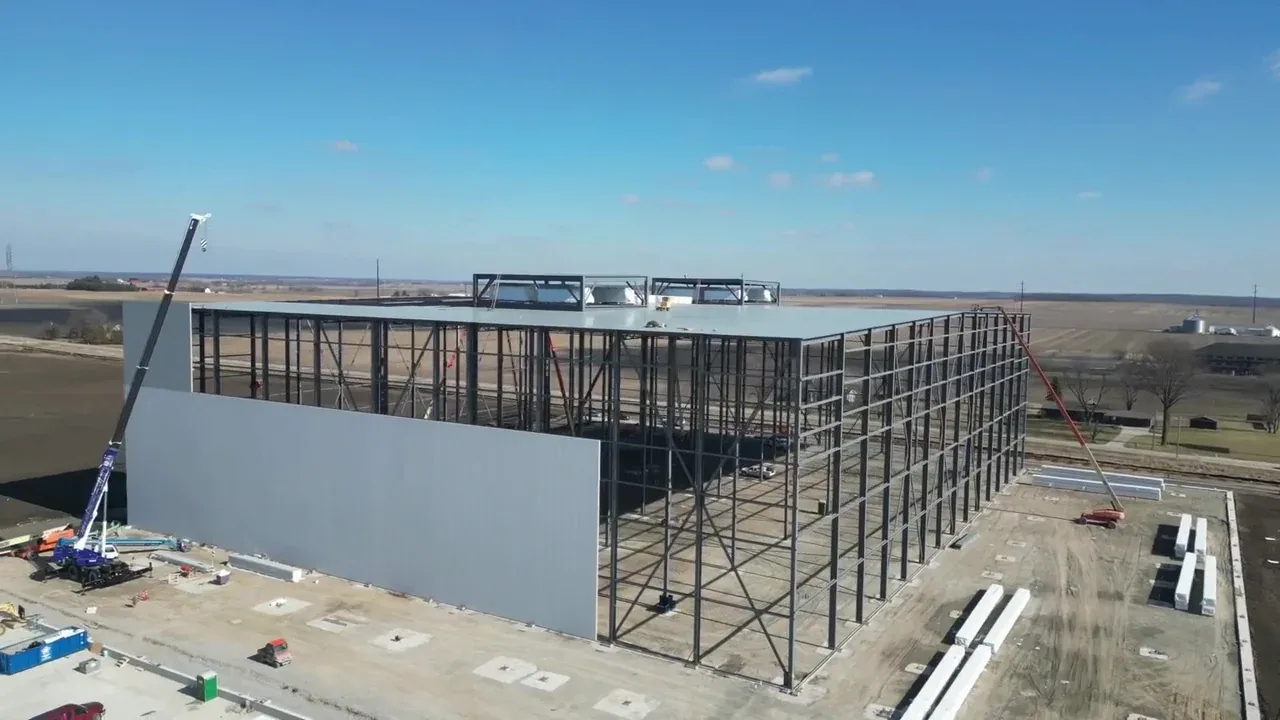
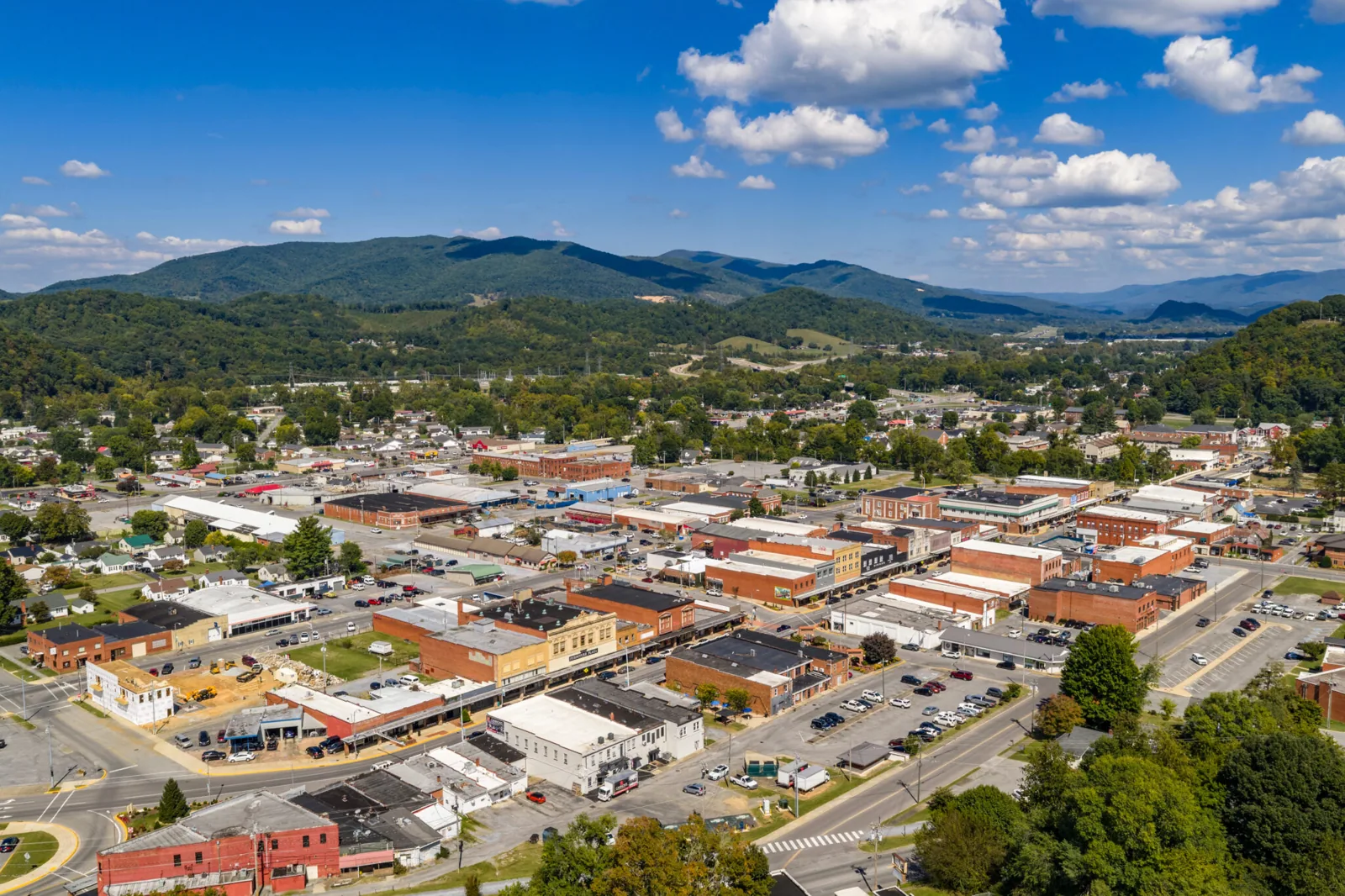
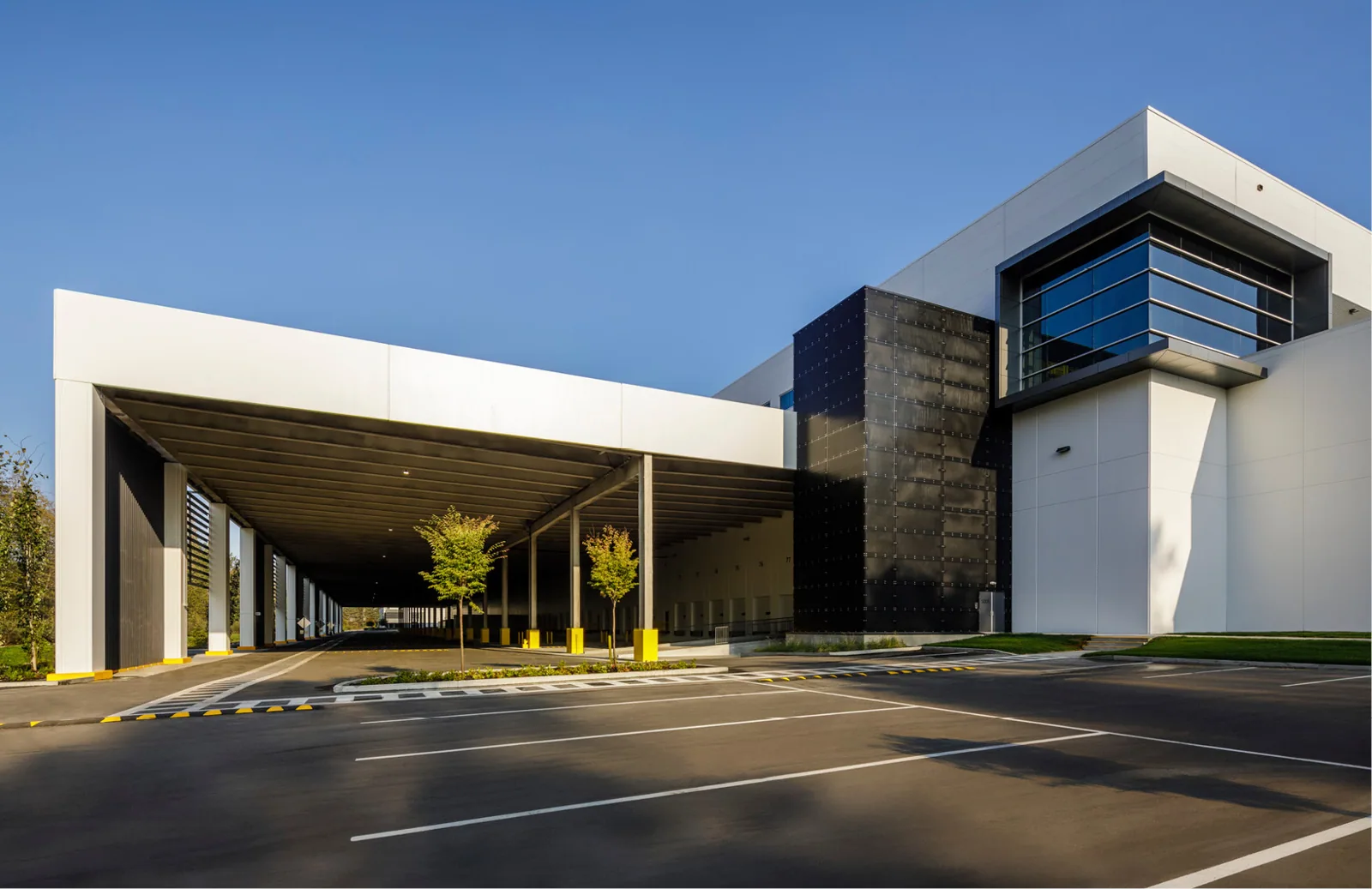
Distribution and fulfillment buildings around Kingsport, TN, such as a warehouse that has grown into a fulfillment hub or a cold storage building, are often low-slope and densely racked, with sprinkler systems and conveyor lines under the deck. A roof crew works above all of it. The plan has to protect stock, keep the sprinklers in service and finish each section before the next shift loads the dock.
Trailer Yard and Staging Plan
A distribution site rarely has spare yard space, so staging is planned stall by stall. We mark where the crane sits, where material stands and where the dumpster rolls, then confirm with the yard manager that none of those spots holds a trailer on the day. A staging plan that conflicts with the drop schedule is rewritten before the order is placed, and the revised plan goes to the yard manager and the carrier dispatcher.
The haul route runs from the public road to the gate and from the gate to the crane pick. In Blountville, next to Kingsport's city limits, Tri-Cities Regional Airport adds passenger traffic to the surrounding roads, so delivery times are chosen to miss the heaviest hours.
Peak-Season Blackout Dates
Most distribution operators know their quiet weeks, and the roof is scheduled into them. We build the phasing plan backward from the blackout dates so that every section is dried in, inspected and cleared before the freeze begins. If the job must straddle a peak, the sections over the highest-value racking go first.
When a blackout starts, the crew demobilizes the lift, clears the roof of loose material and leaves the dry-in complete. A written statement of the roof's condition goes to the operations manager the same day, so nobody needs to wonder what is open overhead while volume is at its highest.
Crane Picks and Material Hoists
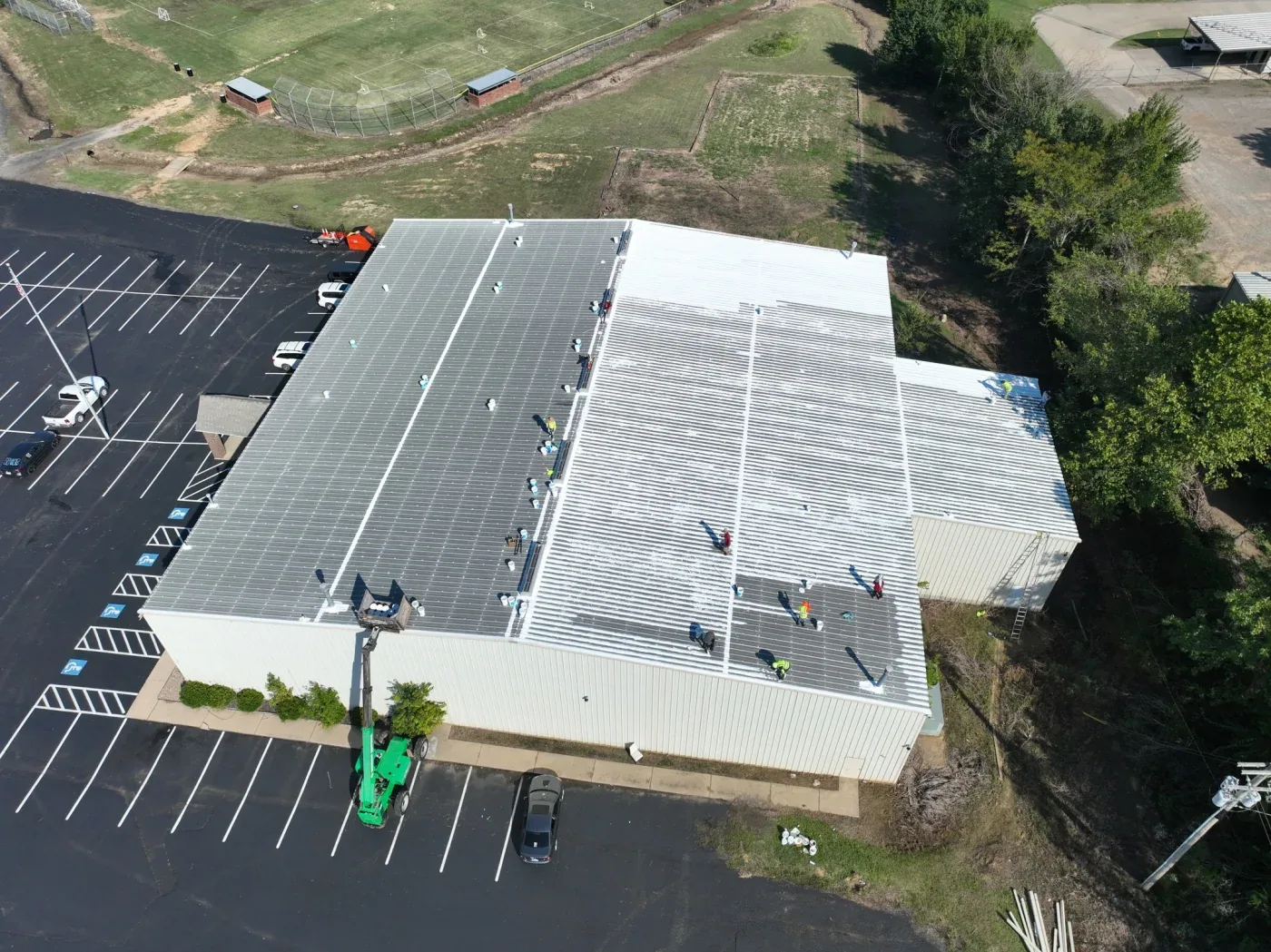
Material reaches the roof by crane, by hoist or by lift, and the choice depends on the building height and the yard. A crane pick closes a stretch of yard for part of a morning, so we place picks between trailer arrivals and give the yard manager the time of each one.
Rolls of membrane, bundles of insulation and cover board are staged on the roof over columns or at the perimeter, never over midspans, and are weighted against wind. Each pick is logged. The foreman confirms the weight and spread with the structural engineer when a roof has a history of added units or ponding. Pallets of cover board are the heaviest single load, so they are spread across several columns instead of stacked in one spot.
Tear-Off by Bay
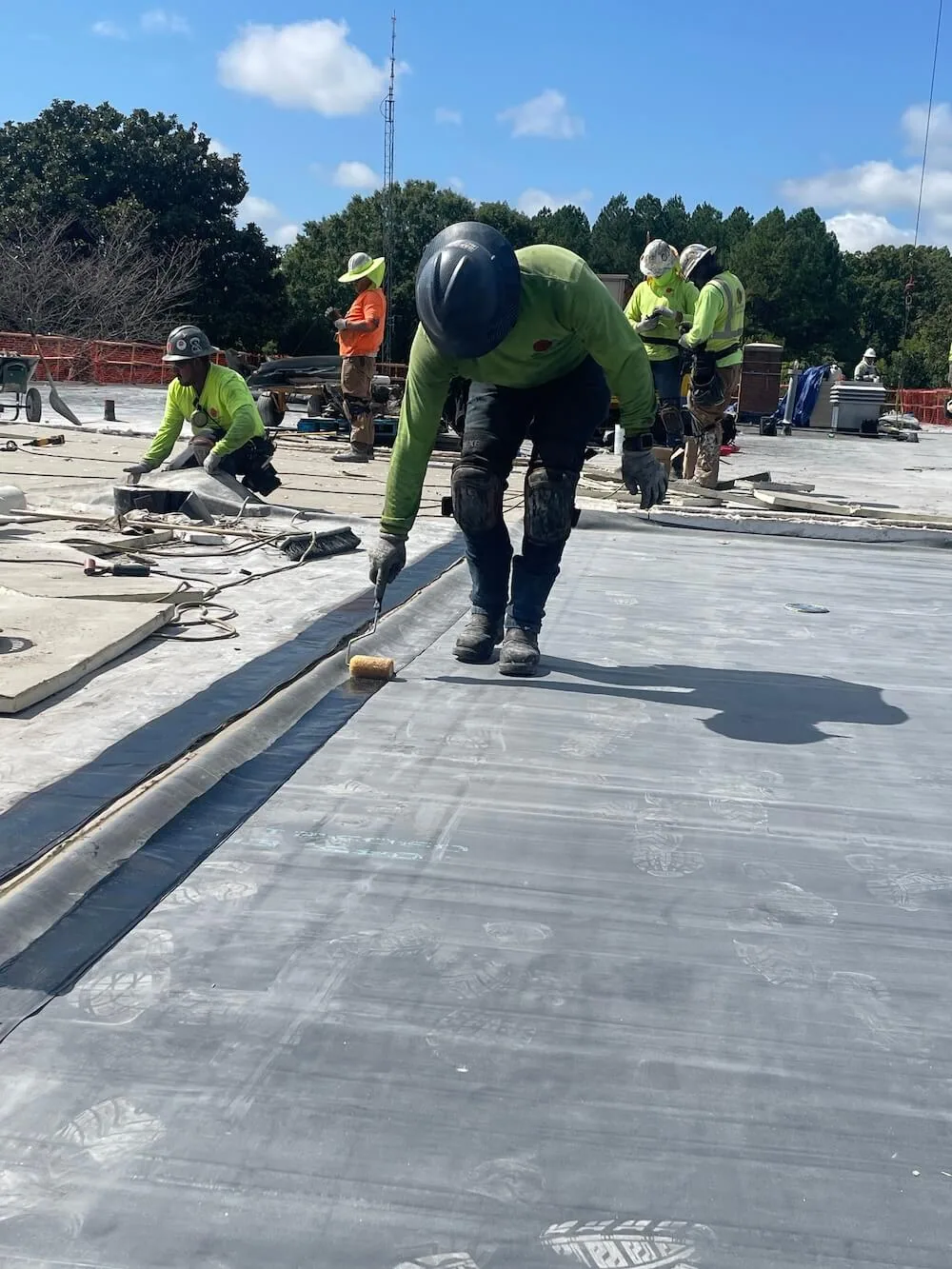
A large roof is divided into bays, and each bay is a separate dry-in. Within a bay the sequence runs in a fixed order: remove, inspect the deck, repair, insulate, install the cover board, adhere or weld the membrane and flash the edges. A replacement follows that order; a recover skips the removal and adds a moisture check.
Each bay closes with a seam probe and a photograph of the finished edge. If rain is forecast before a bay can close, the crew stops at the last dry-in line and does not open the next one. The line is marked on the plan so the next shift starts in the right place.
Mezzanines, conveyor lines and sortation equipment sit under many distribution roofs, so the foreman asks for a floor plan that shows each of them. A drip over a conveyor motor is a different incident from a drip over an empty aisle, and the plan ranks the bays accordingly. The operations manager can then move inventory or reroute a line before a bay opens.
Fire Protection and Hot Work Permit
Where torches or heat welders are used, the job needs a permit for hot work, a fire watch and a clear reading of the sprinkler impairment status. We obtain the permit from the site safety lead before the first flame, and the fire watch remains on the roof after work stops, for as long as the permit says.
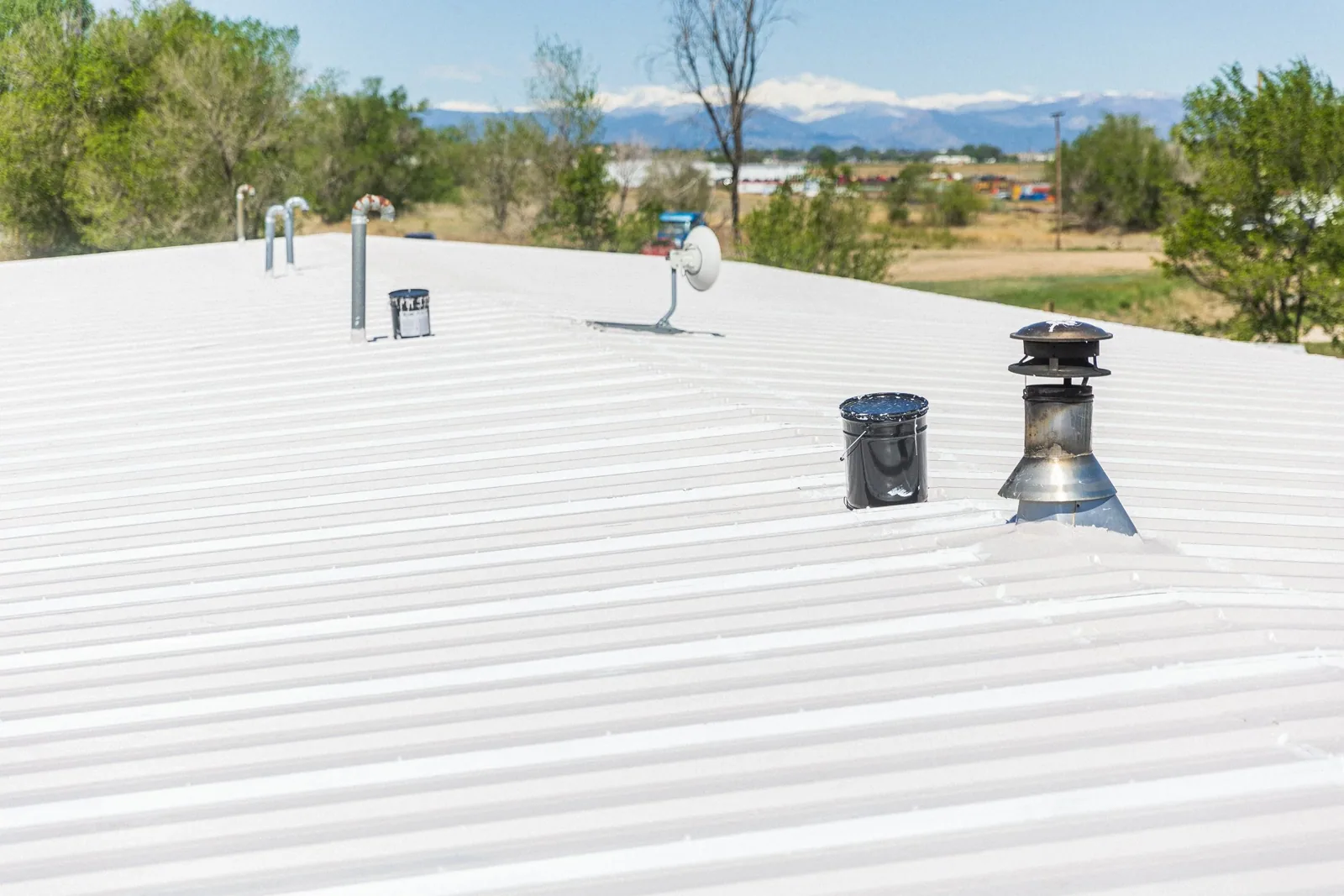
Where a building holds flammable stock or chemical storage, we ask whether cold-applied or mechanically attached systems are preferred. Those systems avoid open flame at the cost of different labor and cure time, and the owner decides with the numbers in front of them. Roof penetrations for sprinkler risers are kept sealed as the work moves. The crew also protects drain lines and conduit runs on the deck, since a crushed conduit or a cut drain pipe is a problem that surfaces months later.
Permit and Inspection Hold Points
On a distribution job the permit is a critical-path item. Kingsport treats a reroof as permitted work, and once a contract passes $25,000 the roofer must hold a State of Tennessee license and show proof of workers' comp and liability coverage.
Inspections become hold points in the phasing plan, so the inspector sees each stage before it is covered and the crew never reopens finished work.
The job closes with a punch list, a final inspection and a turnover package holding the as-built roof plan, material data, inspection records and maintenance steps. A site in Piney Flats, where Tri-County Industrial Park was assembled from seven tracts totaling 780 acres, gets the same package as a building in Bristol Business Park.
Weather Buffers and Wind Holds
Every day of a distribution reroof carries a weather buffer written as a number. The record in Kingsport runs from minus 18 F to 104 F, and a rain hold and a cold hold each have a place in the plan.
Severe thunderstorm warnings for Sullivan and Washington counties have named gusts of 60 mph and hail, with damage expected to roofs, siding and trees. On a warning day the crew weights unfinished edges and dismisses the shift early. Flashing, insulation and any membrane not yet fastened are secured first.
Commercial Roofing Questions
How is the roof scheduled around peak shipping weeks?
Backward from the blackout dates. Every section is dried in and cleared before the freeze begins, and the sections over the highest-value racking go first. Send the calendar early and the phasing plan will be ready before pricing is locked.
Does roof work require a sprinkler impairment?
Not as a rule. Hot work or work near risers may, and then the fire protection lead and the insurer are told in advance. The permit and the fire watch are arranged before any flame is lit.
Can a crane pick happen on a working yard?
Yes, with timing. We schedule picks between trailer arrivals and give the yard manager a time for each one. A pick that conflicts with a drop is moved before the crane arrives.
What happens if rain is forecast mid-bay?
The crew stops at the last dry-in line. The open bay is not started, and the finished sections are checked at the seams and edges. The next shift begins from the marked line.
What does the owner get at closeout?
A punch list closed with photographs, an as-built roof plan, material data, inspection records and upkeep steps, plus a warranty file when the system carries one.