Cold storage work begins with the refrigeration engineer, because the roof sits directly over a building that cannot warm up. We ask for the setpoints, the defrost cycles, the vapor retarder details and the dates when product levels are lowest. The roof sequence is then built so that no section is open longer than the freezer can tolerate. A dry warehouse attached to the cold side is planned as a separate zone, with its own dry-in line and its own inspection.
Industrial sites around Kingsport, TN are reached from I-26, I-81 and U.S. 11W, and a cold storage building on one of them, in a park such as Phipps Bend or Tri-County, differs from dry warehouses in one way that governs everything: the temperature difference across the roof is large, and moisture moves from the warm side to the cold side until it freezes in the insulation.
Refrigeration Engineer and Setpoint Review
We sit with the refrigeration engineer before pricing. The setpoint of each room, the location of evaporators, the defrost schedule and the condition of the vapor retarder all affect how the roof can be opened. A room held at deep freezer temperature tolerates less exposure than a cooler held just above freezing.
The engineer also tells us where the refrigeration lines run through the roof. Those penetrations are the highest-risk points, and they are protected before any tear-off begins. The plan marks each line, each curb and each support, so the crew knows where not to cut. A cut refrigerant line or a damaged support costs far more than the roof, so the marking walk happens with the engineer present and is photographed.
Vapor Retarder and Insulation Layers
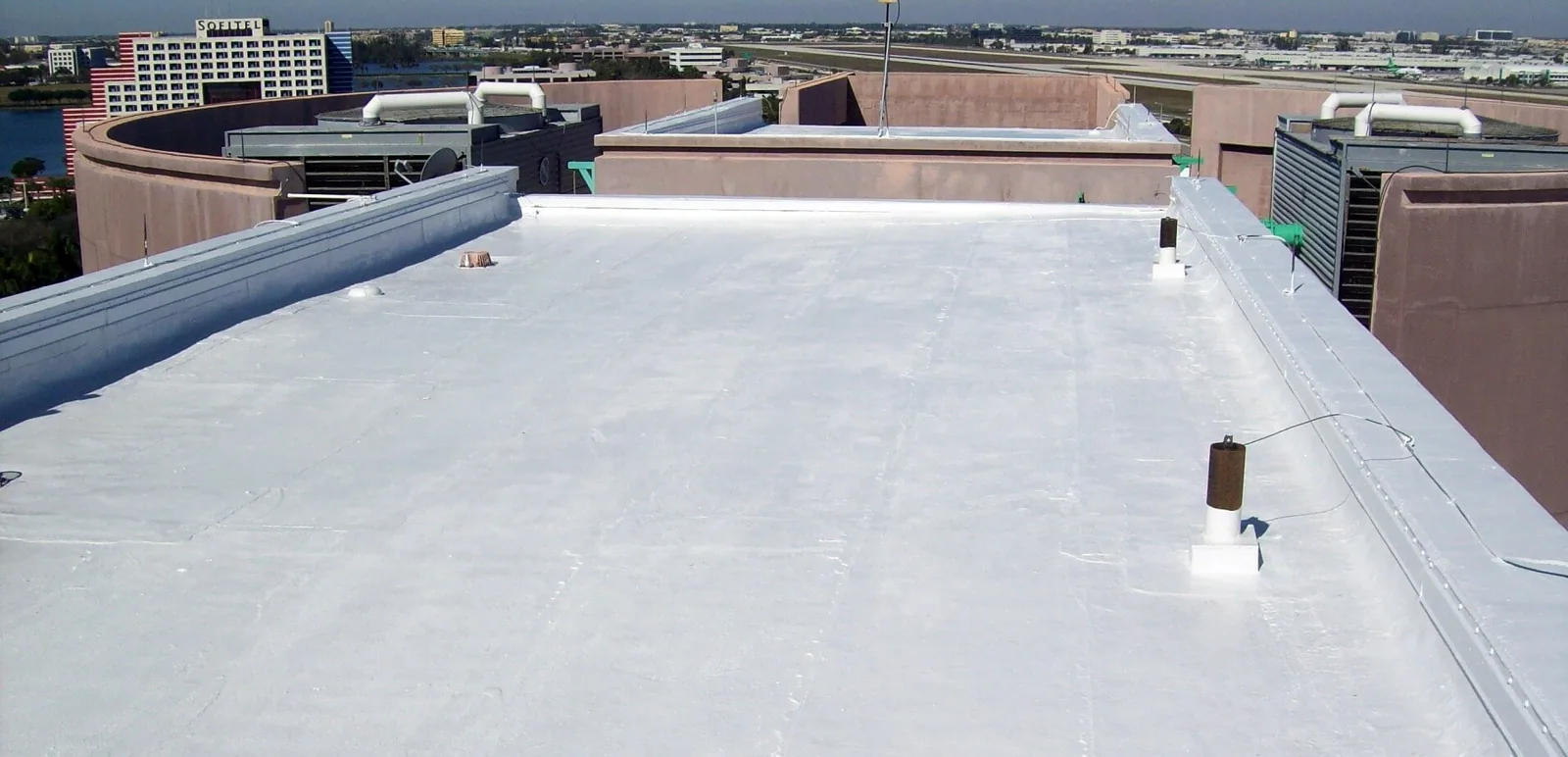
In a freezer the vapor retarder is the most important layer, and it is often damaged by earlier work. We probe it at the perimeter and at penetrations. A hole in the retarder lets warm moist air reach the cold insulation, where it freezes and builds ice that damages the insulation and loads the deck.
The insulation system is designed for the low temperature, usually in several staggered layers with sealed joints. Cover board and membrane go on top. An infrared moisture survey shows where moisture has already entered, and cores at the flagged spots confirm what is there. Frozen insulation is removed and replaced, not left. Ice trapped in a layer keeps expanding each cycle, and a replaced section with an intact retarder above it resets the condition. The proposal lists the quantity at a unit rate, so hidden ice found at tear-off is priced before work starts.
Phasing Over Frozen Rooms
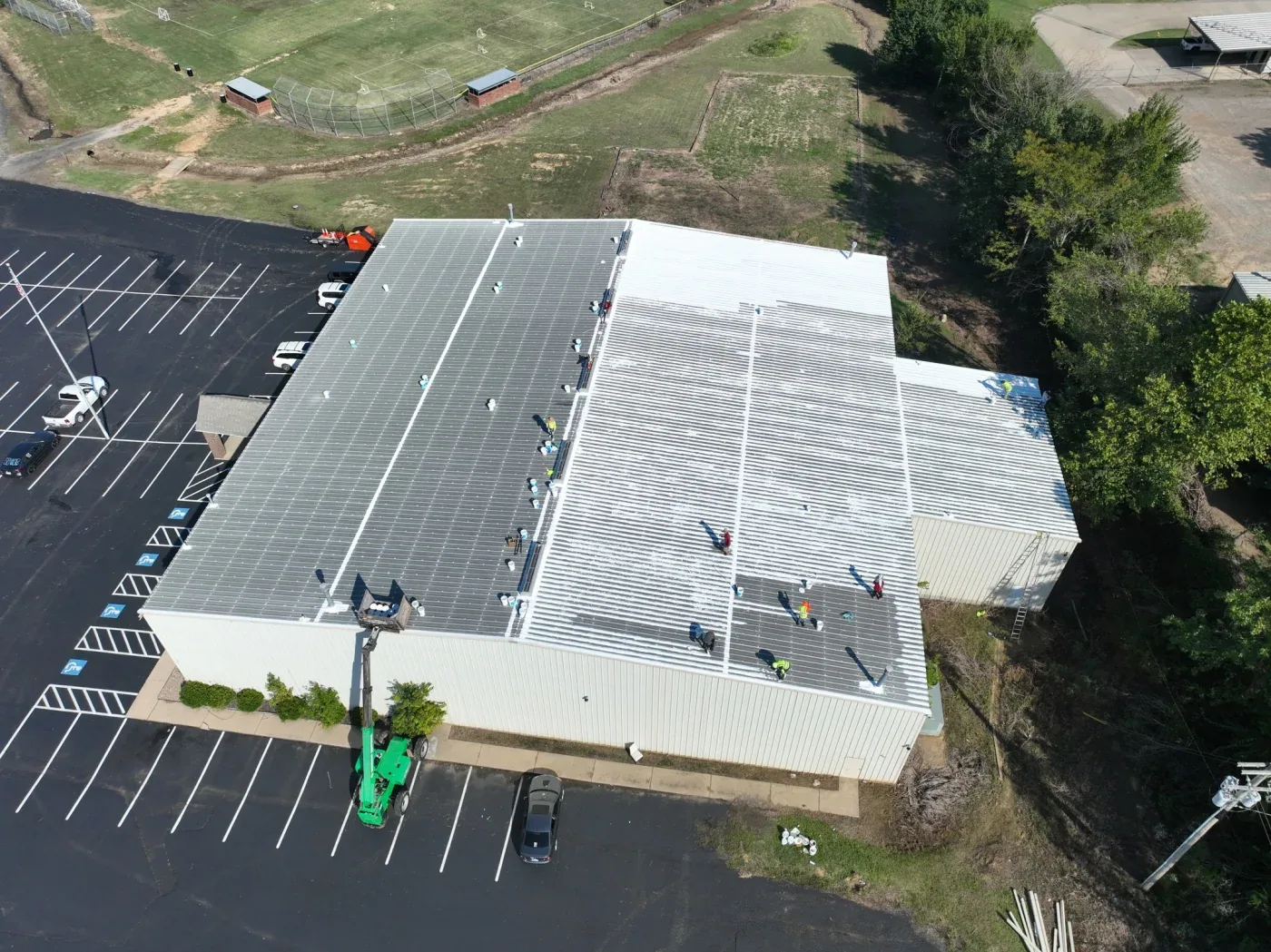
The roof is divided into small sections so that each is opened, repaired and sealed in one shift. The crew never leaves a freezer section open overnight. If a section cannot be sealed by the end of the shift, it is not opened. The foreman and the engineer agree on the start time each morning, and the day's section size follows the weather and the crew count. Insulation, vapor retarder and temporary membrane are staged beside the section before it opens, and the dry-in is the last step of every day.
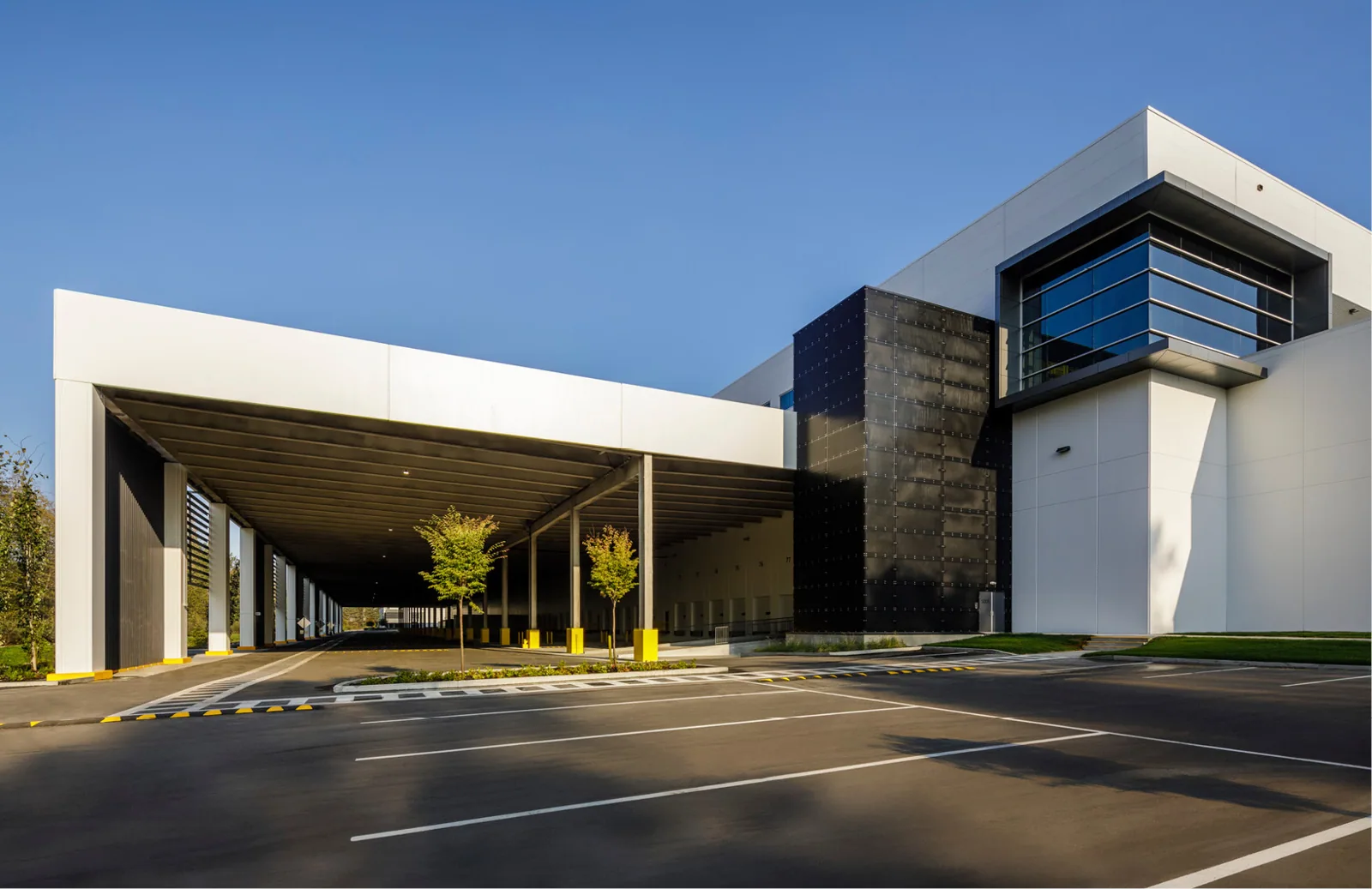
The sections over the coldest rooms are done first, in the mildest weather, while the sections over cooler rooms can wait for a wider window. A building with a loading dock and an adjacent distribution area gets a phasing plan that treats the two zones separately.
The foreman carries a thermometer and a moisture meter to each section and logs the readings before and after the work. A rise in deck temperature or a damp reading on the underside of the deck stops the job until the refrigeration engineer confirms the cause.
Hot Work, Foam Panels and Fire Safety
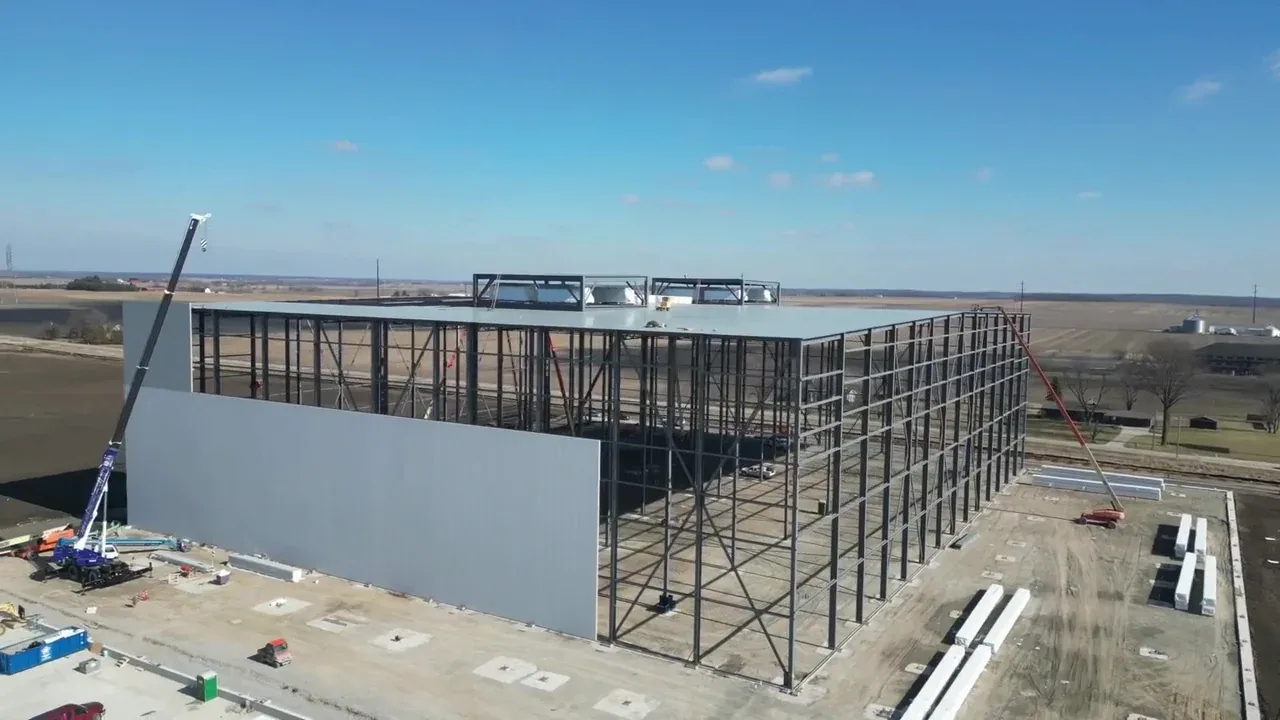
Cold storage buildings often use insulated metal panels or foam, and foam burns. Open flame near foam is avoided, and any hot work is under a permit with a fire watch. Where possible, we choose mechanically attached or adhered systems and heat-welded seams away from the panel edge.
The fire protection system may also be impaired during roof work if sprinkler piping is affected. That is scheduled with the facility's insurance and safety leads. A written plan names who shuts the system down, who restarts it and how long it may be out of service. The insurer is told in advance, and the fire watch continues until the system is back in service.
Access, Staging and Haul Route
Reefer trucks arrive on a tight schedule, so the haul route and laydown area are placed away from the dock approach. Material reaches the roof by crane or hoist at times agreed with the yard manager. The foreman confirms the route from the public road to the gate and the lift location before each delivery.
For a site at Phipps Bend, which is served by Norfolk Southern rail and sits near I-81 and I-26, rail traffic and truck traffic both matter. We plan deliveries to avoid train times and keep the crane clear of the siding. Truck drivers receive the gate instructions and the unloading spot before they leave the supplier, so no trailer idles on a public road.
Permit, Code and Inspection
A freezer roof answers to two sets of rules, the city's and the refrigeration design's. Insulation thickness comes from the refrigeration engineer and the energy code together, and the submittal states both figures. The insulation and cover board detail is reviewed with the engineer before the order goes out.
For the city side, Kingsport counts any reroof as permitted work, and the Building Department reviews against the 2024 editions of its building and energy codes.
Weather Allowances and Closeout
Cold weather stops adhesives and shortens the working time of sealants, and hot weather softens membranes, so each limit becomes a hold in the schedule. A forecast gust warning triggers a stand-down.
Closeout brings a punch list, a final moisture check of the new system and a handover set containing as-builts, product data and inspection records. The set also names the upkeep steps that protect the retarder: no new penetrations without a flashing plan and no fastener replacement without a seal. A site in Piney Flats gets the same set as one in Kingsport, and the refrigeration engineer keeps a copy for the equipment file.
Commercial Roofing Questions
How long can a freezer roof section stay open?
Only as long as the refrigeration engineer permits, which is usually a single shift. We stage materials beside the section, open it, repair it and seal it before the crew leaves.
What damages a freezer roof most often?
A breach in the vapor retarder. It lets warm moist air reach cold insulation, where it freezes and builds ice. We probe the retarder at the perimeter and at penetrations before the new system goes on.
Can foam panels be roofed without open flame?
Yes. Mechanically attached or adhered systems and heat-welded seams away from panel edges avoid open flame near foam. Where hot work is needed, a permit and a fire watch apply.
Does roof work affect the refrigeration system?
It can, if lines or equipment are touched. The engineer marks every line and support, and the crew works around them. The plan names who shuts down and restarts any affected system.
What does a facility manager send first?
The site plan, the room setpoints, the access points and the low-inventory dates. We build the phasing plan from those four, then price it.