A dated roof condition record for the space that went dark opens the job on a re-used retail box, because nobody inspects a roof over an empty store. Along the Fort Henry Drive corridor, vacated department-store boxes, expansions and new outparcels all put roofs into play at the same time. We start with the survey, add the access route and the crane position, and only then price the work.
The roof condition report tells the owner which sections can carry a new tenant's equipment, which need repair first and which should be replaced before the build-out begins.
Vacant Department-Store Boxes and What the Roof Needs
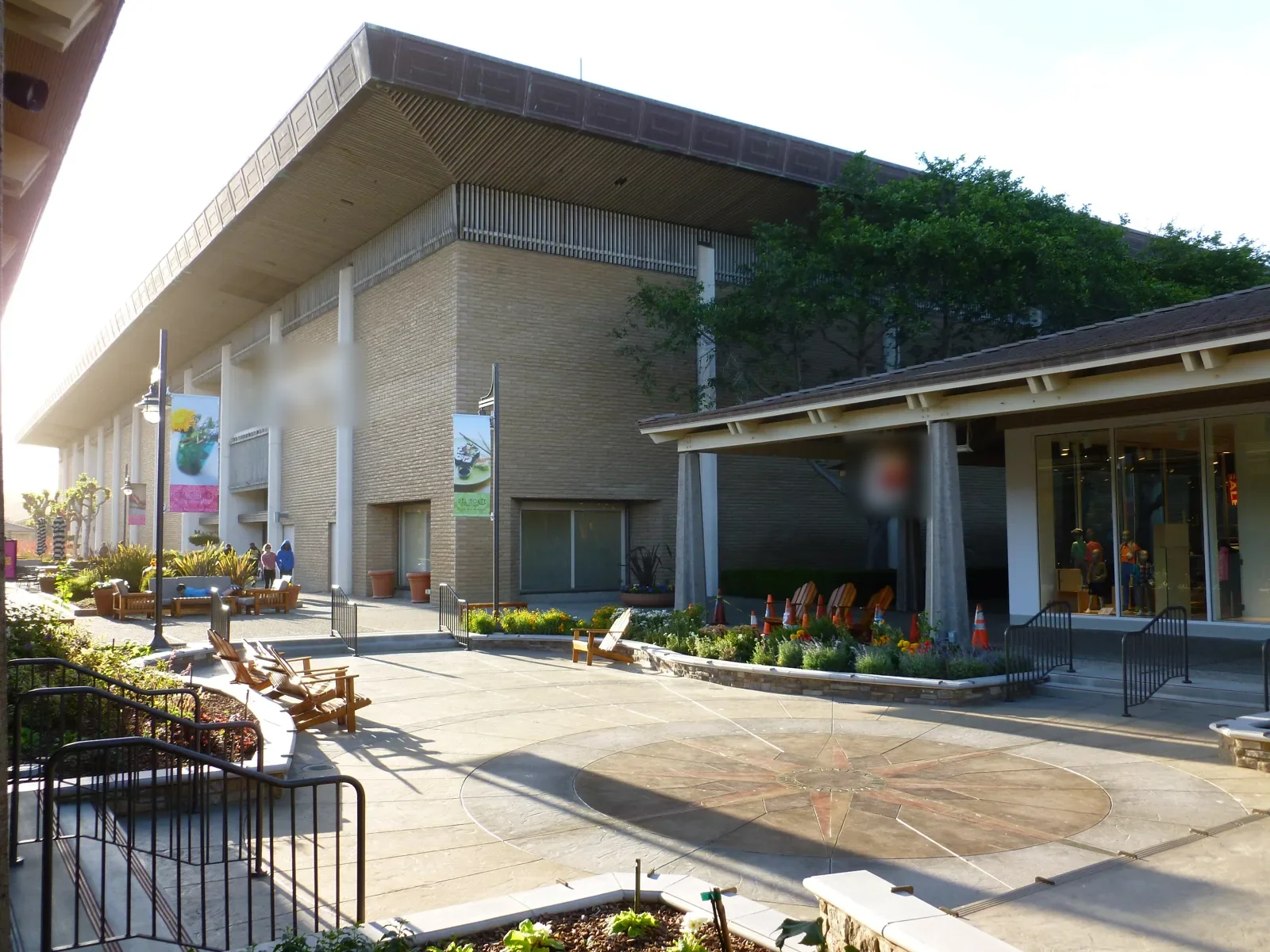
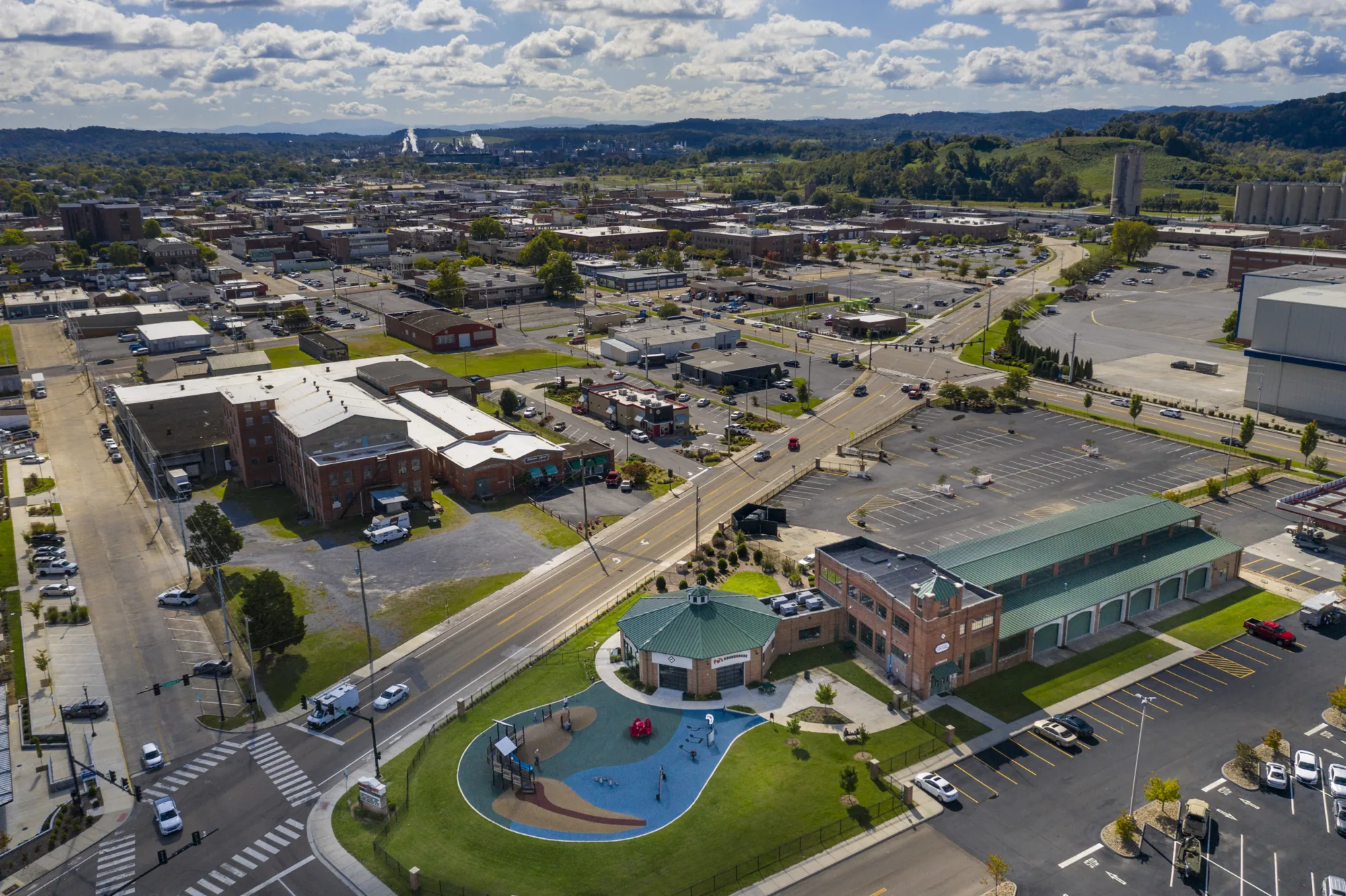
Fort Henry Mall opened March 10, 1976, and Sears closed in 2017 and JCPenney around October 2020, leaving large vacant department-store boxes. Rural King opened in May 2025 in the former JCPenney space, which shows how a dark box returns to use. The mall sits at Fort Henry Drive and Memorial Boulevard with 529,814 square feet of leasable area, and its major tenants include Belk and Dunham's Sports.
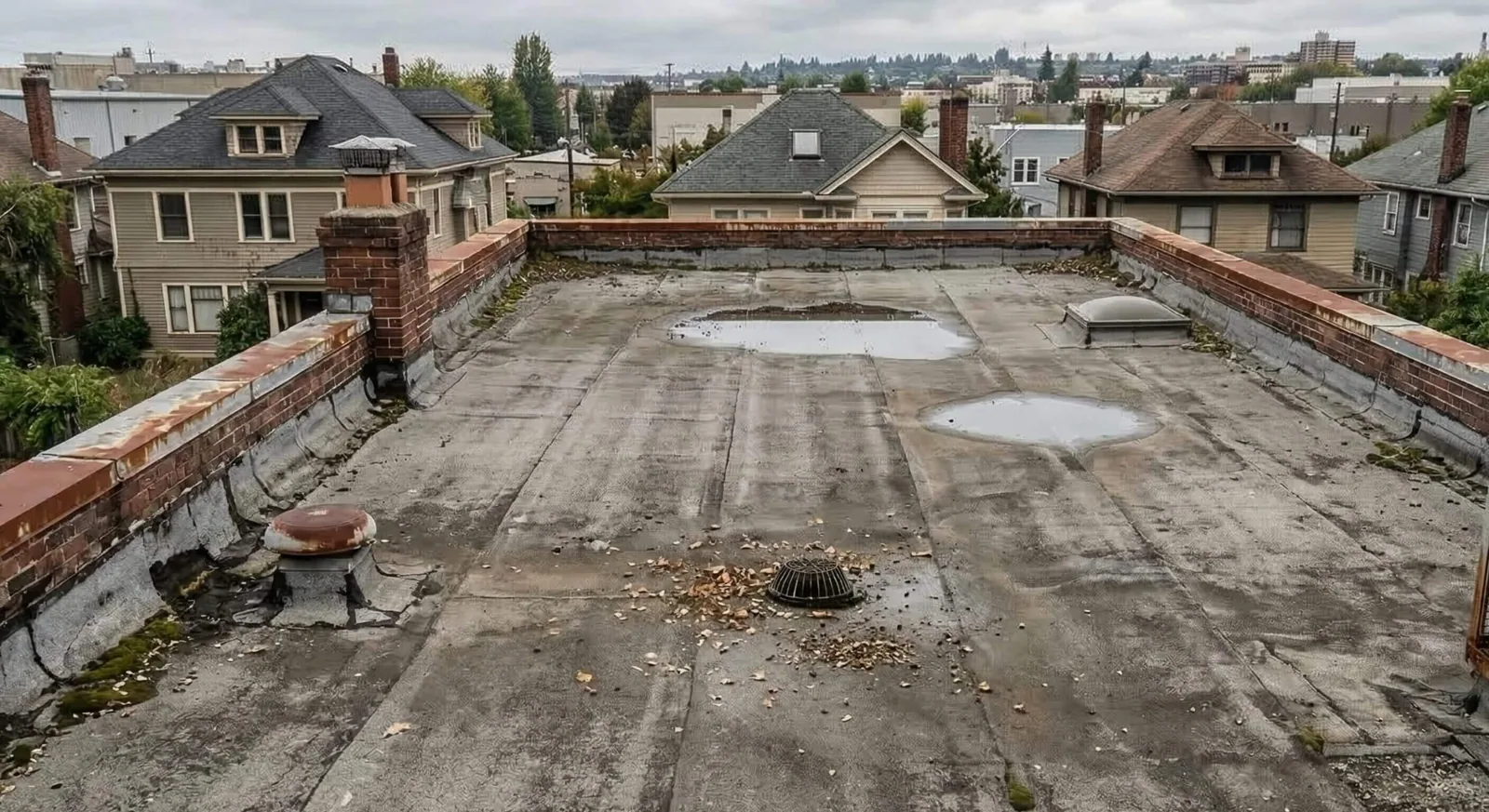
A box that sat vacant needs a close look from above. We check seams, flashing, drains, curbs and every rooftop unit that served the old tenant, and we scan for moisture where leaks may have run unseen. A big-box retail roof in this condition is often repaired in sections before the new tenant's equipment is set.
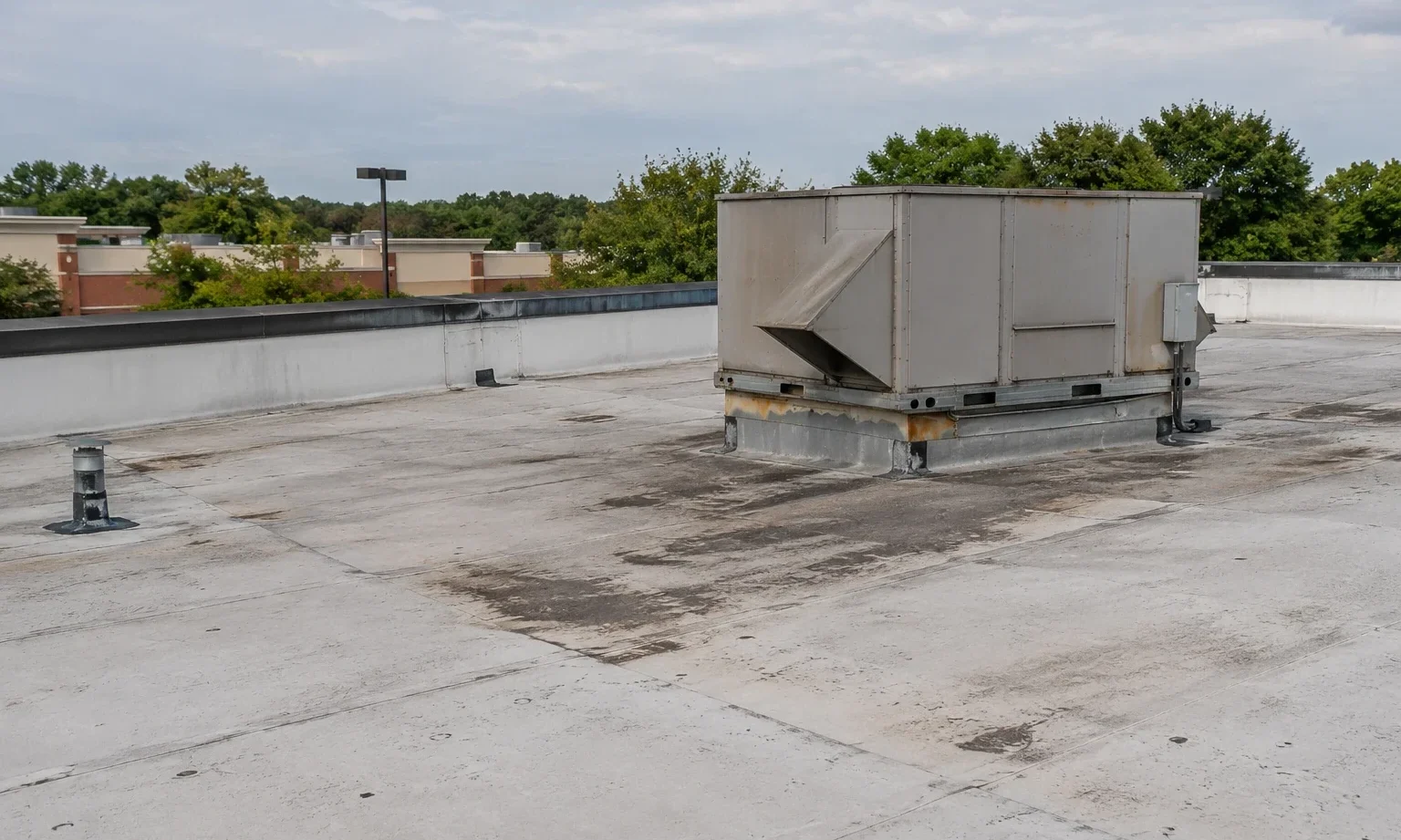
Equipment left behind is its own task. Old rooftop units, exhaust fans and disconnected lines can stay on the roof after a store closes, each with a curb and a flashing that has aged without service. We list what remains, mark what the new tenant will reuse and price removal and capping of what it will not.
Expansions, Outparcels and Roof Tie-Ins
Hull Properties has invested over $5 million in the mall, with five active projects including renovation of the former JCPenney space, two expansions and two outparcel developments near Fort Henry Drive. Every expansion means a new roof meeting an old one, and every outparcel means a new roof on its own pad.
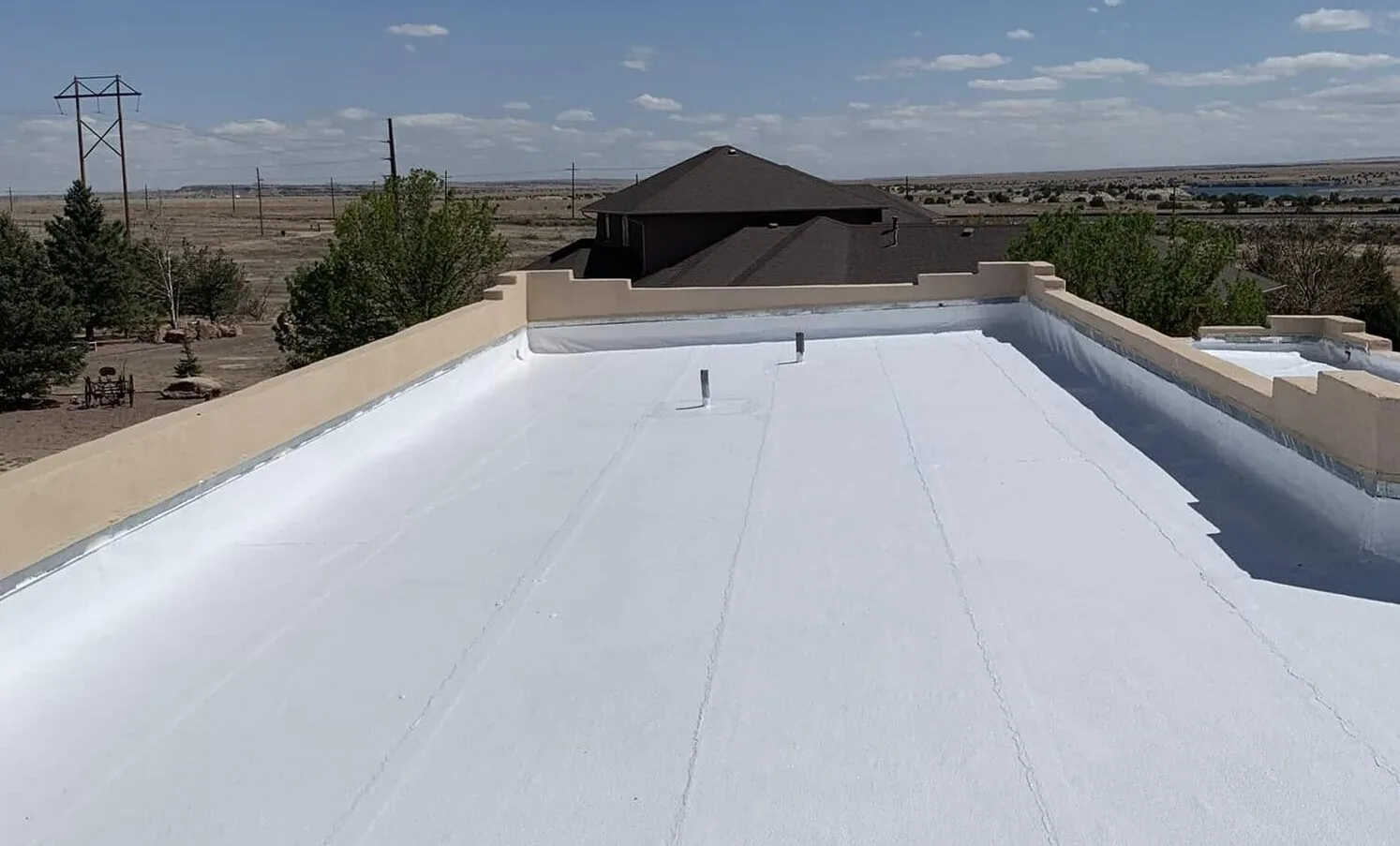
The tie-in is where the work succeeds or fails. We survey the existing parapet, the roof level difference and the drainage path, then detail the joint so water leaves the new roof without running onto the old one. The sequence is fixed: structure, deck, insulation, membrane, flashing, then the connection to the existing roof closed the same day it is opened.
Drainage deserves its own line in the tie-in plan. A new roof that drains onto an old one adds load to a membrane that may be near the end of its life. We route new outlets to the downspouts or to scuppers that discharge clear of the old roof, or we upgrade the lower roof's drains in the same project.
Access Routes and Laydown for a Mall-Scale Site
A large site has more space and more constraints at once. Delivery routes cross customer lanes, service corridors serve several tenants and the fire lane runs the building's perimeter.
We mark the haul route from the public road, the laydown area at the back of the building and the crane position away from the entrances. Material hoists run in the morning before opening, and deliveries are scheduled by section so nothing waits on the lot. For a shopping center with several tenants, we circulate a daily plan to the manager and the tenants affected, listing the section, the hours and the closed lot rows.
Fire lanes and emergency access are non-negotiable. We keep the perimeter lane clear at all times, post the crane radius and ask the manager to share the daily plan with the fire department contact when the crane is on site, so a response vehicle never meets a closed lane without notice.
Phasing Around Trading Hours and Build-Outs
The roof plan follows two calendars: the retail calendar and the build-out calendar. Heavy tear-off and crane work are scheduled outside peak shopping periods, and noisy work over occupied stores is done before opening.
Where a tenant build-out runs below the roof, the dry-in date is the date the interior trades need. We agree it with the general contractor before the schedule is built. A roof recover over a dry, sound existing roof can shorten that date, and a core cut tells us whether a recover is possible.
A phasing plan for this scale of site lists sections by number, with start date, finish date, dry-in time and the trades that follow each section. The superintendent sees the roof as a row of numbered blocks, each closed before the next one opens.
Weather Windows and Wide-Roof Drainage
A wide mall roof collects every inch that falls on it, and Kingsport records about 45 inches a year. Drains and scuppers carry that load, and one blocked outlet can pond water across a large area. We clean the drains before the wet months and keep ballast and tarps staged while a section is open.
Gust and hail warnings for Sullivan County from NWS Morristown list roofs and siding among the expected damage, so the perimeter gets walked after each one. The temperature record, from near minus 18 F up to 104 F, sets the limits for adhesives, and the schedule is held to them.
Permit, Inspection and Closeout
Reroofing needs a city permit, and the commercial package goes in as a stamped plan set with a PDF. Past $25,000 of contract value, Tennessee's state contractor license rule applies, along with proof of workers' compensation and liability coverage. Our filing is made while materials are ordered, and inspections are booked for the day a section closes.
At closeout the owner gets dated punch items, flashing photographs at every wall and curb, and a roof plan marked with the new units. Owners with space on the Stone Drive corridor or the West Stone Drive technology park can ask for matching records. The site plan, the roof access points and the tenant and build-out calendar are what start the phasing plan, ahead of any price.
Commercial Roofing Questions
What should be recorded about a roof over a vacant store?
The membrane condition, seam and flashing status, drain function, moisture scan results and a photograph set tied to a roof plan. The record is dated, so it shows the condition at the time the space went dark. A new tenant's lease and an insurer both benefit from that baseline.
How is a new roof tied into an existing one?
By surveying the joint first: parapet height, level difference, drainage path and membrane compatibility. We detail the connection so water drains off the new roof without flowing onto the old one, build it as part of the section sequence and close it the same day it is opened.
Can stores stay open during tear-off at a mall-scale site?
Yes, with phasing. Heavy work is scheduled outside peak hours, each section is dried in before the crew leaves and noise over occupied stores is done before opening. The manager receives a daily plan naming the section, the hours and any lot or service-corridor closures.
When is a recover appropriate on a large retail roof?
When core cuts and a moisture scan show dry insulation, the deck is sound and the code layer limit allows another layer. A recover saves tear-off and shortens the schedule. If a test fails, tear-off is the safer path, and the owner gets the readings behind that call.
How do we plan for equipment left on a vacated roof?
Inventory it, tag what the new tenant will reuse, and price removal and capping of the rest. Each abandoned curb is a flashing detail that has aged without service, so it gets the same inspection as active equipment. The inventory goes on the roof plan, with a photograph for each item.