
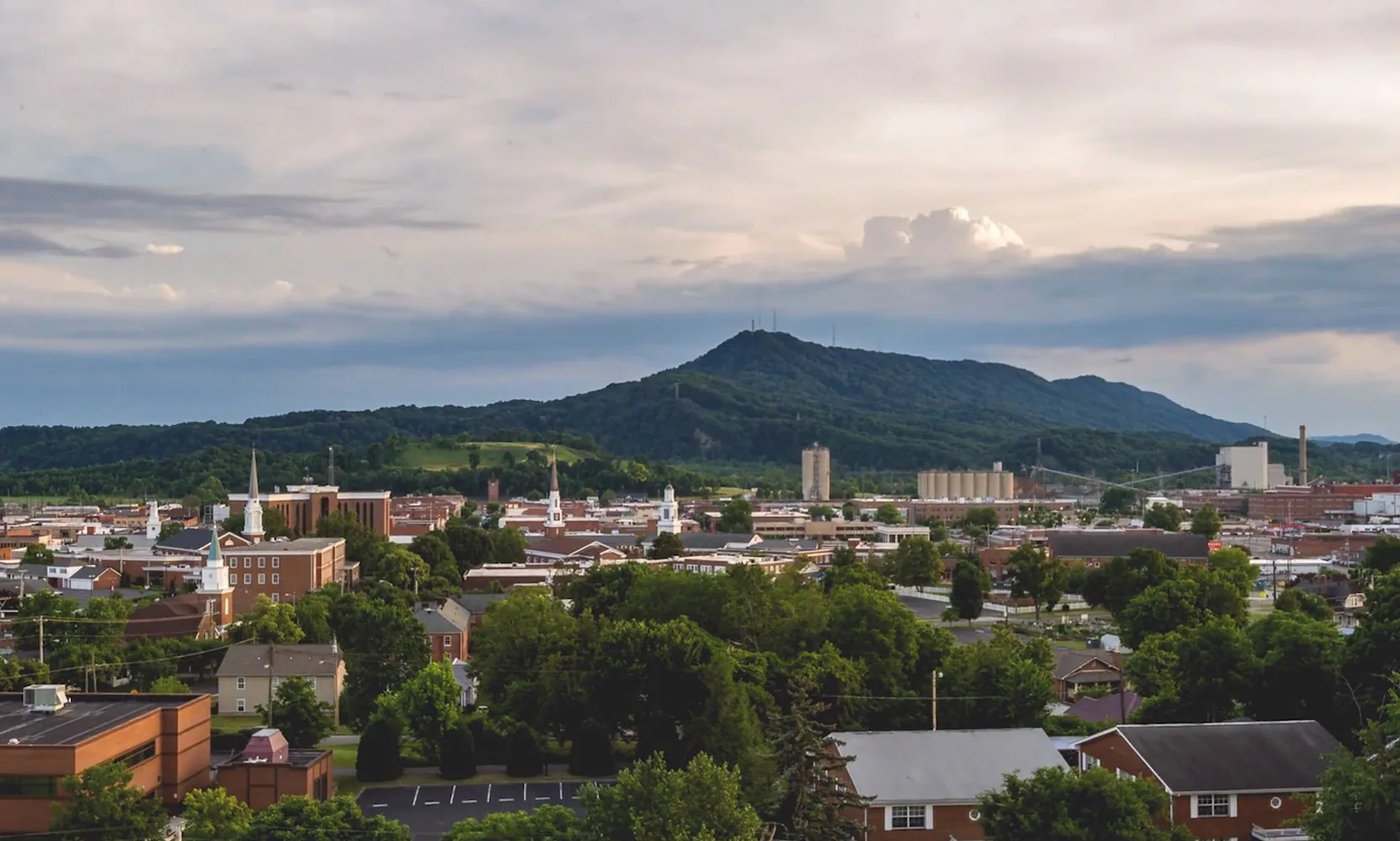
The first thing we ask a Kingsport owner for is not a drawing. It is the outage calendar, the access rules and the name of the person who can open the gate. A commercial roof is a job done on top of a working building, and the order of work is decided by what happens underneath it: a shift change, a delivery window, a patient route or a class schedule. Commercial Roofing Kingsport works on flat, low-slope and metal roofs over plants, hospitals, schools and stores in Kingsport, TN and the towns around it: fixing what leaks, replacing what has run its course, covering sound roofs with a second layer or a coating and keeping watch between projects.
Our work is sequenced. Access comes first, then the permit, then the tear-off, the dry-in and the closeout. Each step names what has to be in place before it and who receives the handoff after it.
How a Roof Job Runs, Start to Handoff
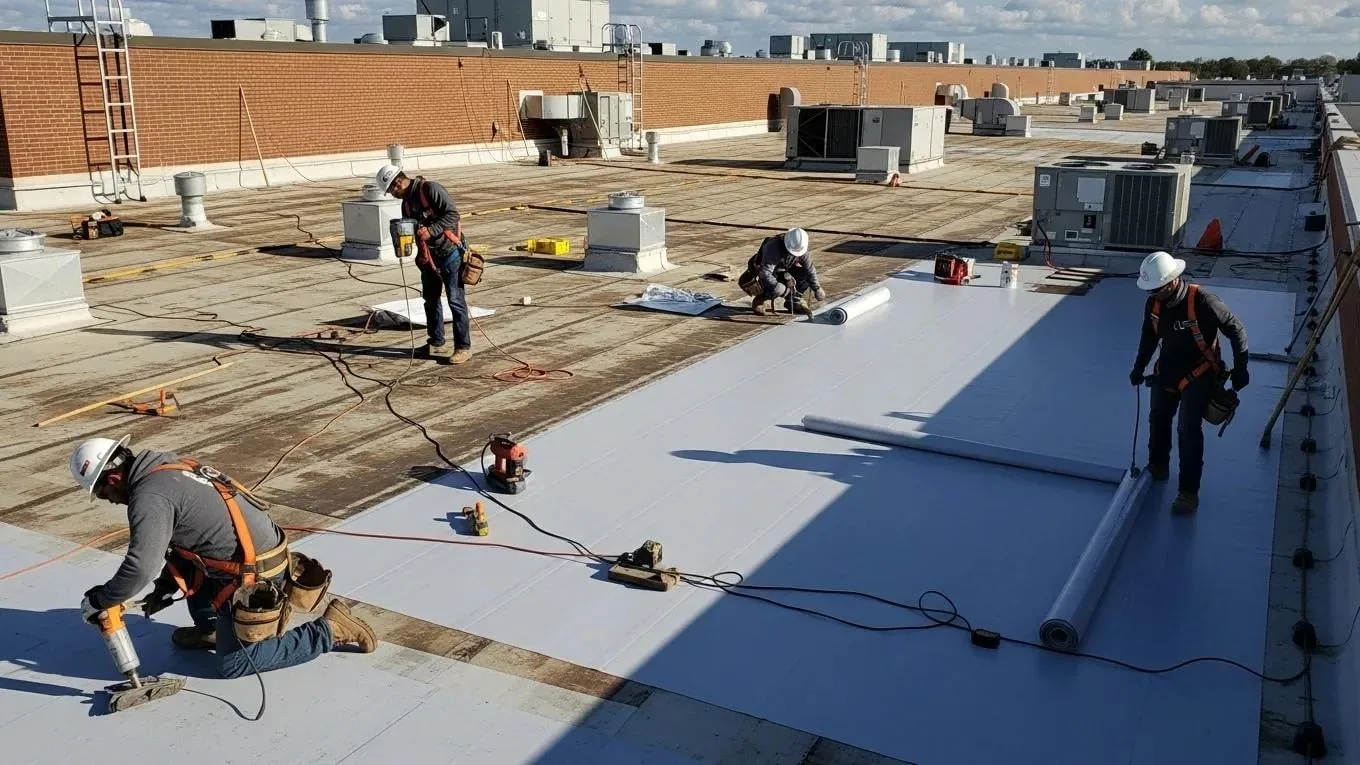
Every job begins with a walk of the roof and the grounds. We look at the roof system and its condition, and we look at the lot: where a truck can stop, where a crane can stand, where material can sit without blocking a dock or a fire lane. The walk produces a written scope with photographs and a position for each finding on the roof plan.
Next comes the phasing plan. It names which section opens first, which section is dried in before the shift ends and the moment the roof is passed to the night shift or held for morning. It also lists the hot work permits, the badging steps and the notices that go to tenants. The plan is sent to the general contractor, plant manager or facility director before pricing is locked, so the price follows the sequence rather than an allowance.
Then the work: tear-off in sections, deck inspection as the deck is exposed, insulation, cover board, membrane and flashing, with a daily plan that states what is open and what is closed. The job ends with a handover file for the owner: a punch list, a photograph of each flashing and edge, the warranty documents and the roof plan with its date.
What We Install and Repair
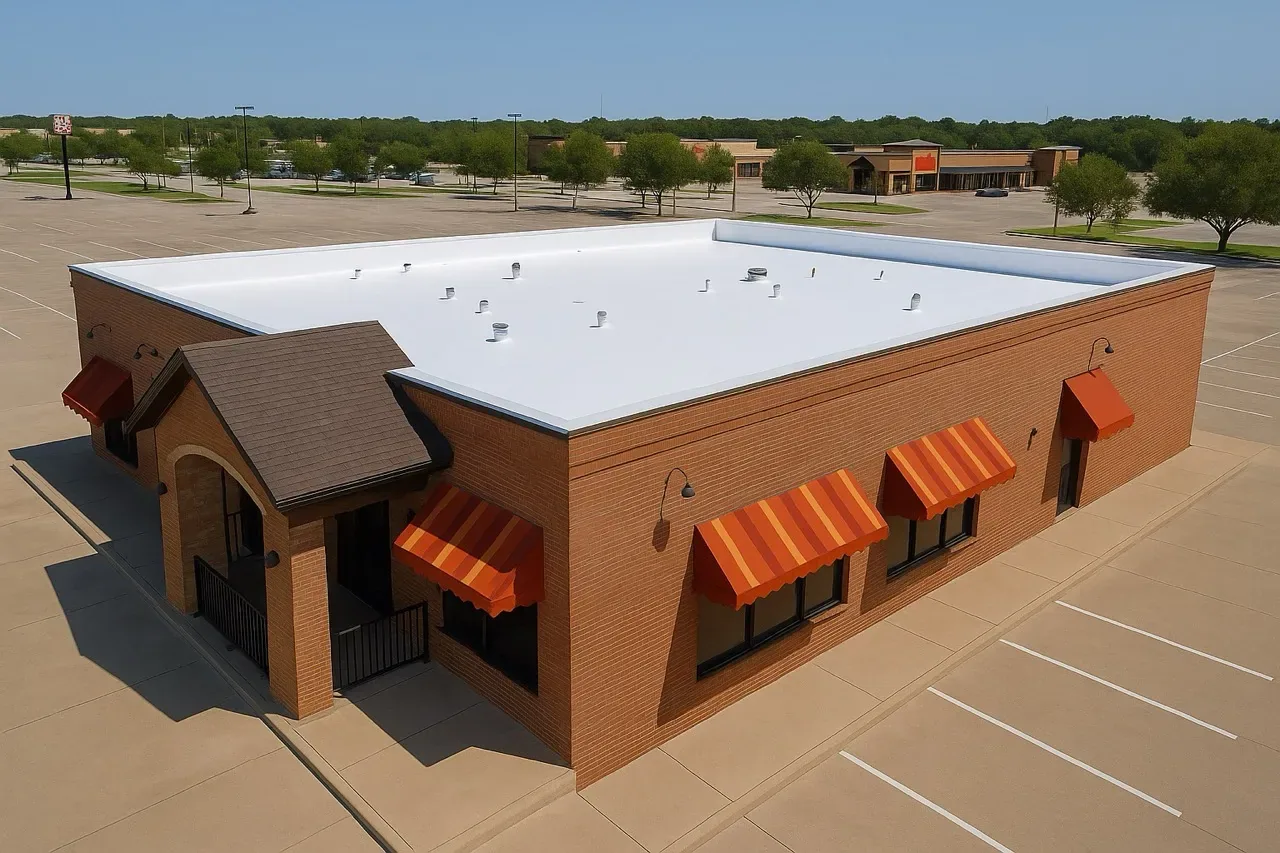
The roof systems we handle include single-ply sheets such as TPO, PVC, EPDM and KEE, layered asphalt in the form of modified bitumen and built-up roofing, metal panels from standing seam to retrofit framing, sprayed foam, and liquid silicone and acrylic coatings. The choice follows the building. A roof that must be closed by dark favors a fast membrane. A roof with ponding water and sound insulation may take a silicone coating. A roof with saturated insulation needs the wet areas removed, whatever the surface looks like from the lot.
The service list stretches from replacement and recover work through repair and inspection to drone and thermal moisture surveys, condition reports, scheduled maintenance and the photographs an insurer needs. Each is scoped with options and prices, and the owner picks with the evidence in hand.
Owners and Buildings in This Market
Kingsport was laid out as a planned industrial city, and its chemical, paper and ordnance manufacturing still stands next to hospitals and shopping districts. Eastman Chemical, Holston Army Ammunition Plant, Holston Valley Hospital, Kingsport City Schools and the retail along Fort Henry Drive and Stone Drive each run their own calendar. The people we plan with are the ones who hold those calendars: plant managers, facility directors, property managers, school and public-agency staff, and general contractors who need a roofing trade to hit a dry-in date.
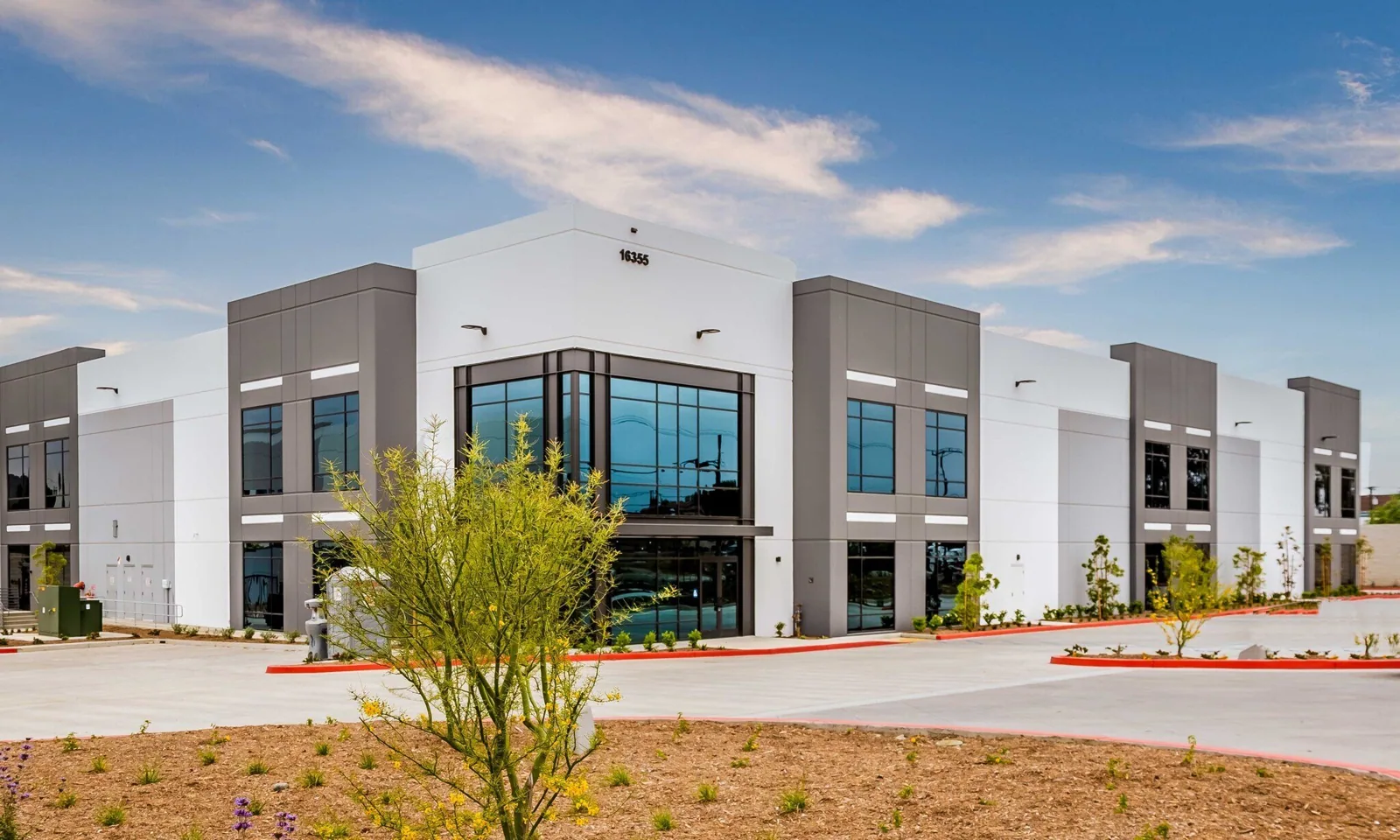
The buildings are as varied. Manufacturing plants and warehouses need hot work rules and crane picks. Hospitals and clinics need infection control and quiet hours. Schools need work done between terms. Retail centers need entrances open and fire lanes clear. On a military installation, base access, badging and escort procedures are part of the schedule, and the roof is detailed to the Unified Facilities Criteria for roofing if the owner specifies them.
Inspection, Surveys and Upkeep
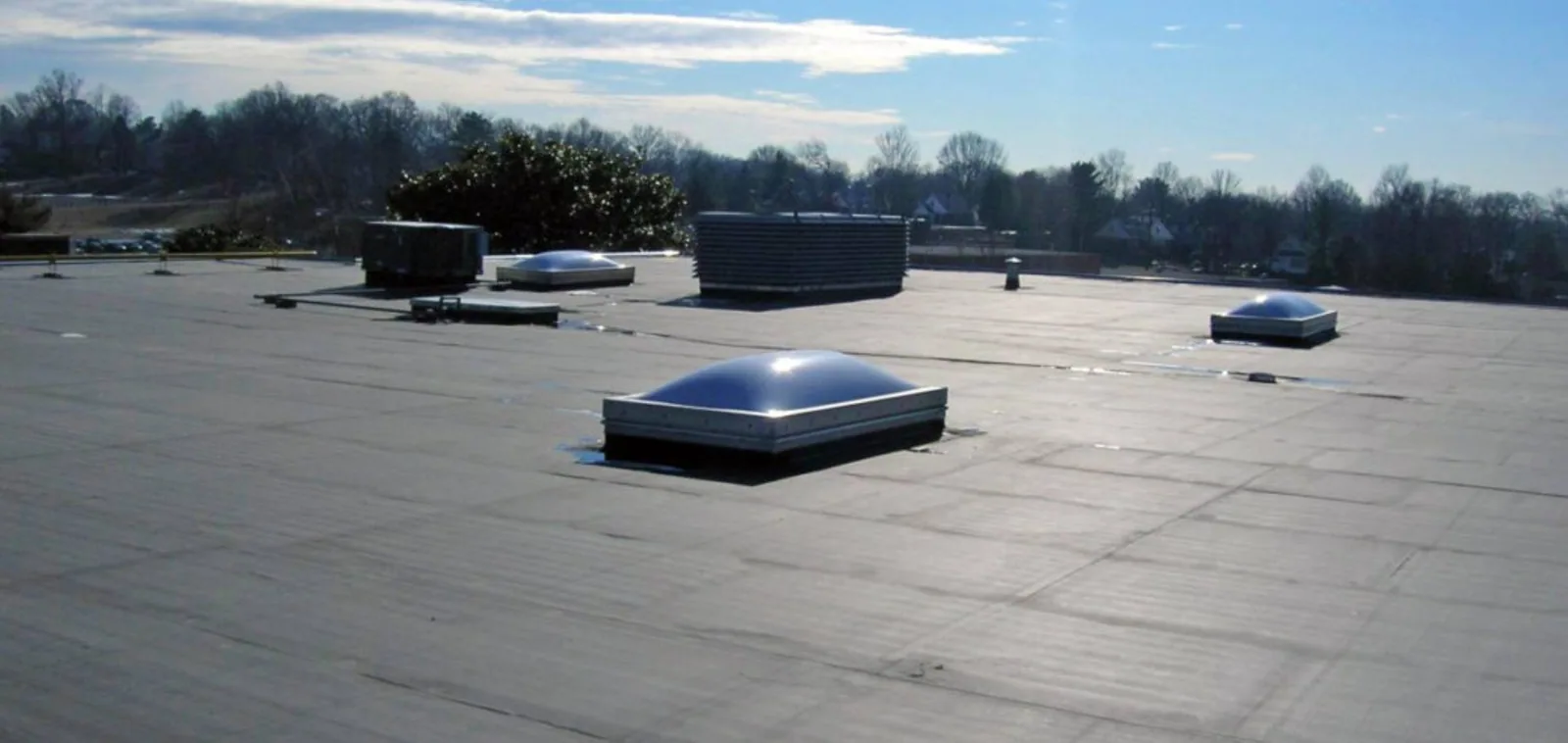
A roof inspected on a schedule gives the owner more choices than one found by a leak. A drone inspection covers a large plant roof without putting anyone on a fragile surface, and an infrared moisture survey maps where insulation has taken on water so core cuts go where they will tell the most. The report that follows ranks each finding by what it threatens: interior damage first, failures likely within a year or two next, items to watch last.
Between replacements, a preventive maintenance program clears drains, reseals flashing and walks the roof after storms. The visit list is set in advance, the photographs are dated and the owner can see the condition change from one visit to the next.
Storms, Emergencies and Records
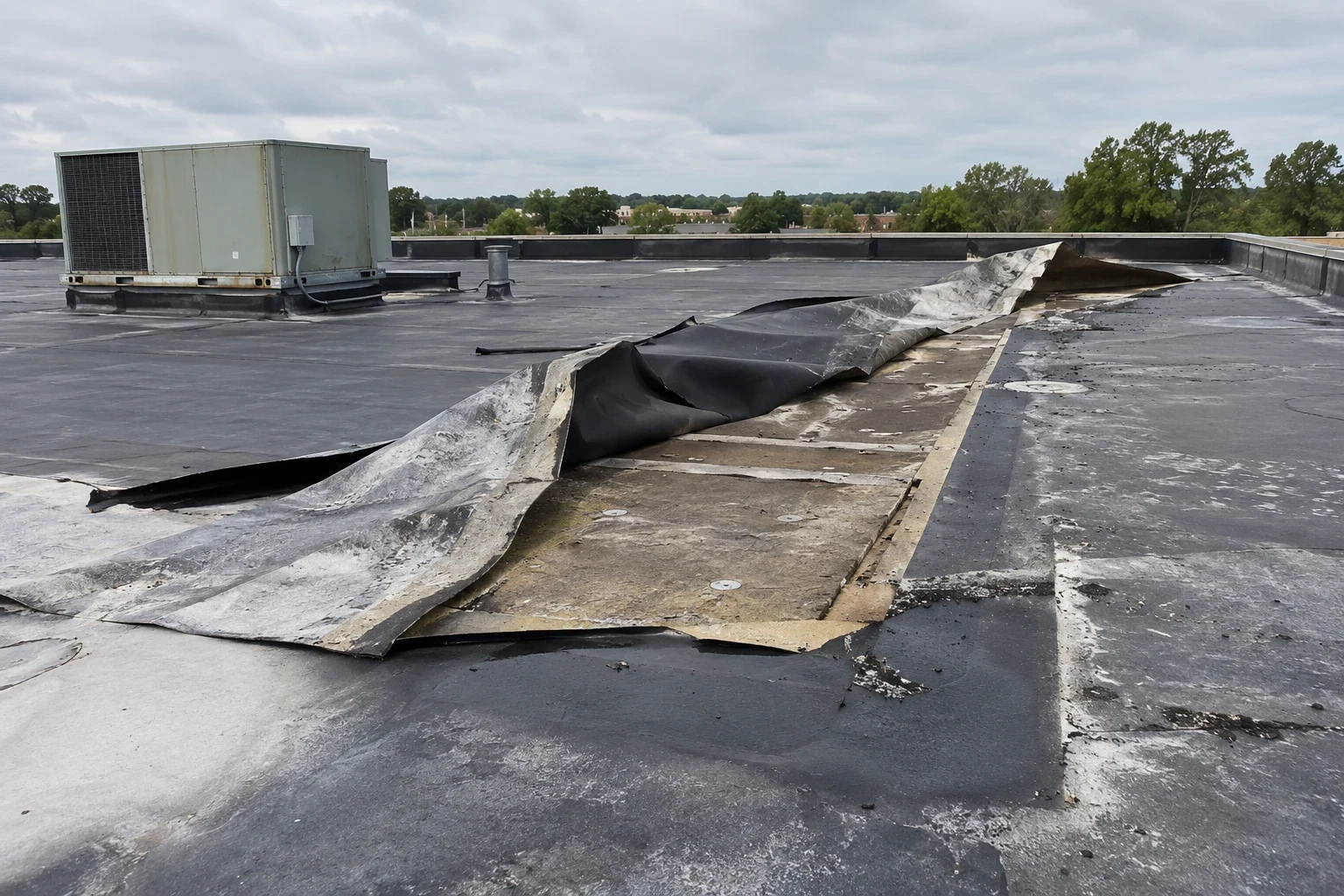
Storm and leak calls are answered at any hour, on weekends and on holidays. The first visit makes the area safe, dries in the opening and records the damage with dated photographs. Severe thunderstorm warnings from the Morristown weather office for this part of Tennessee have named gusts of 60 mph with hail as a threat to roofs, siding and trees, so the record we make on day one is the record an insurer reads later.
Permanent repair follows once the roof is dry. We document the scope and the cause for an insurance claim, with each photograph tied to a location on the roof plan and each date recorded.
Permits and Where We Work
The City of Kingsport requires a permit for reroofing. The city wants a stamped plan set with a PDF copy for commercial work, and a contractor on a project above $25,000 must hold a Tennessee state license and show insurance for workers and liability. We file the submittal while material is being ordered, and the tear-off date waits for the approval.
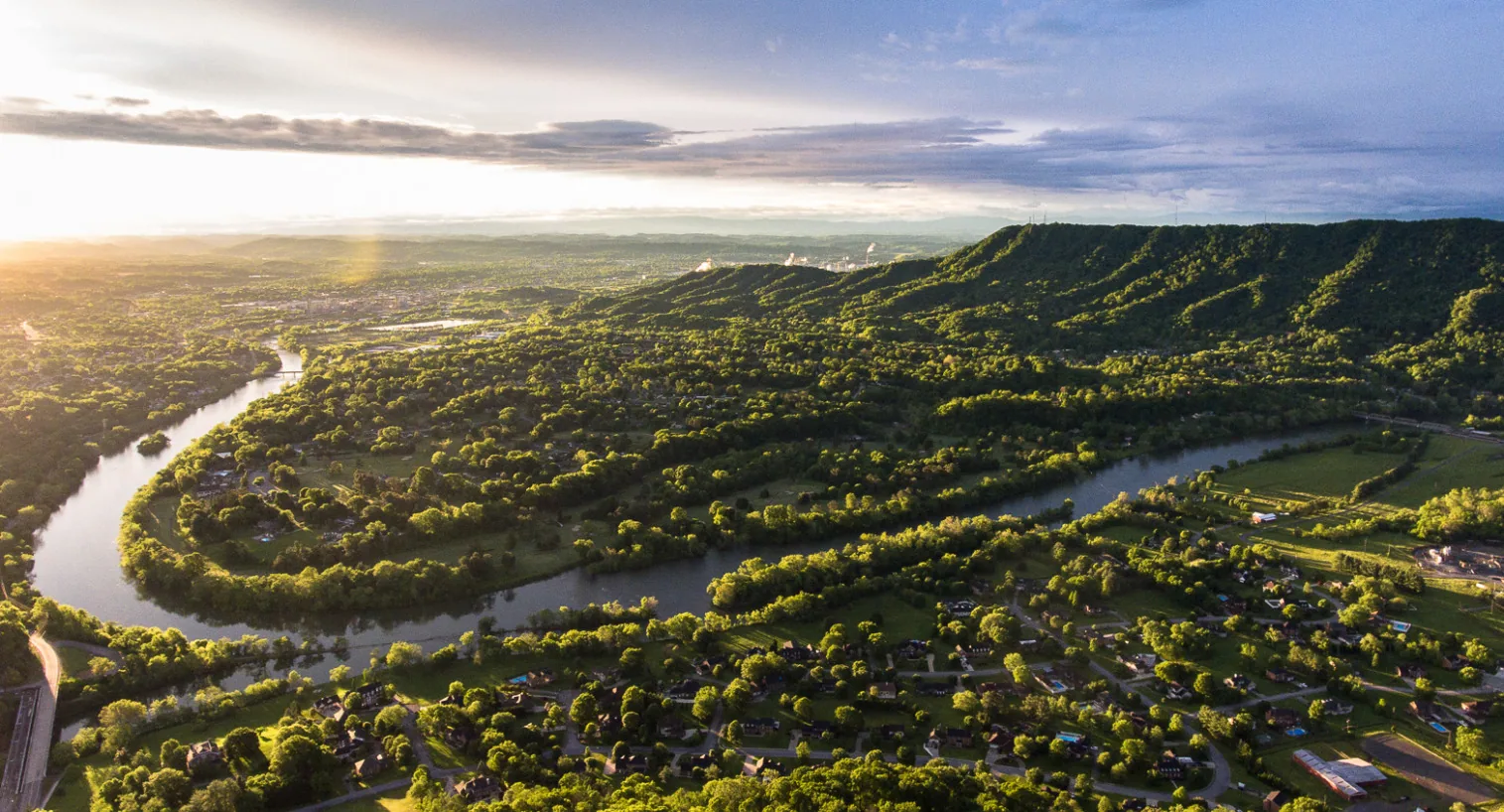
Our service areas run from downtown Kingsport and its retail corridors to Church Hill, Mount Carmel, Bristol, Johnson City and Scott County, Virginia. Past the city limits another office may issue the permit, and Virginia buildings follow Virginia's process; the name of the responsible office is confirmed to the owner before anything is submitted. For owners with many roofs, a roof condition report and a multi-site program give every building a place in one sequence.
Questions from Kingsport Building Owners
What should a plant manager have ready for a first roof meeting?
The site plan, the roof access points, the outage or turnaround calendar and the contractor orientation rules. With those four items the phasing plan can be built before any price is committed.
Does the company do emergency work?
Yes. Calls are taken day and night, every day of the week. The first goal is to dry in the opening and record the damage.
Can a roof be replaced while the building stays in use?
Yes. The work is done in sections that are opened and closed within a day, with protection for the space below and notices to occupants. Hospitals, plants and stores each get a plan fitted to how they operate.
How does a general contractor use the phasing plan?
It drops into the project schedule. The plan names the crane pick, the laydown area, the dry-in dates and the handoff to the next trade, so the superintendent can see the roof as a set of dated steps.
Which documents come at the end of a job?
The signed punch list, close-up photographs of flashings and edges, the manufacturer's paperwork and a roof plan with the date on it. Facility managers book the first inspection from that file.