An inspection in Kingsport, TN follows a fixed route: the access point, the perimeter, the drains, the penetrations and then the field of the roof. The route stays the same on every building so that findings can be compared from one visit to the next. Before we step onto the membrane, we ask for any roof plan, prior repair records and warranty paperwork, because those documents tell us where to look first. The visit ends with photographs tied to a plan and a written report that ranks each finding by urgency, so a property manager can decide what to fund this year and what can wait.
The Walked Route
We begin at the roof hatch or ladder and check the access itself: the condition of the hatch, the guardrails and the walkway pads. Then we walk the perimeter, looking at coping, edge metal, parapet caps and the termination of base flashings. Edges and corners take the worst of the wind, so they receive the closest look. Loose coping, split sealant at joints and fasteners backing out of edge metal are logged with a photograph and a distance from the nearest corner, so the repair crew can find each one again without searching.
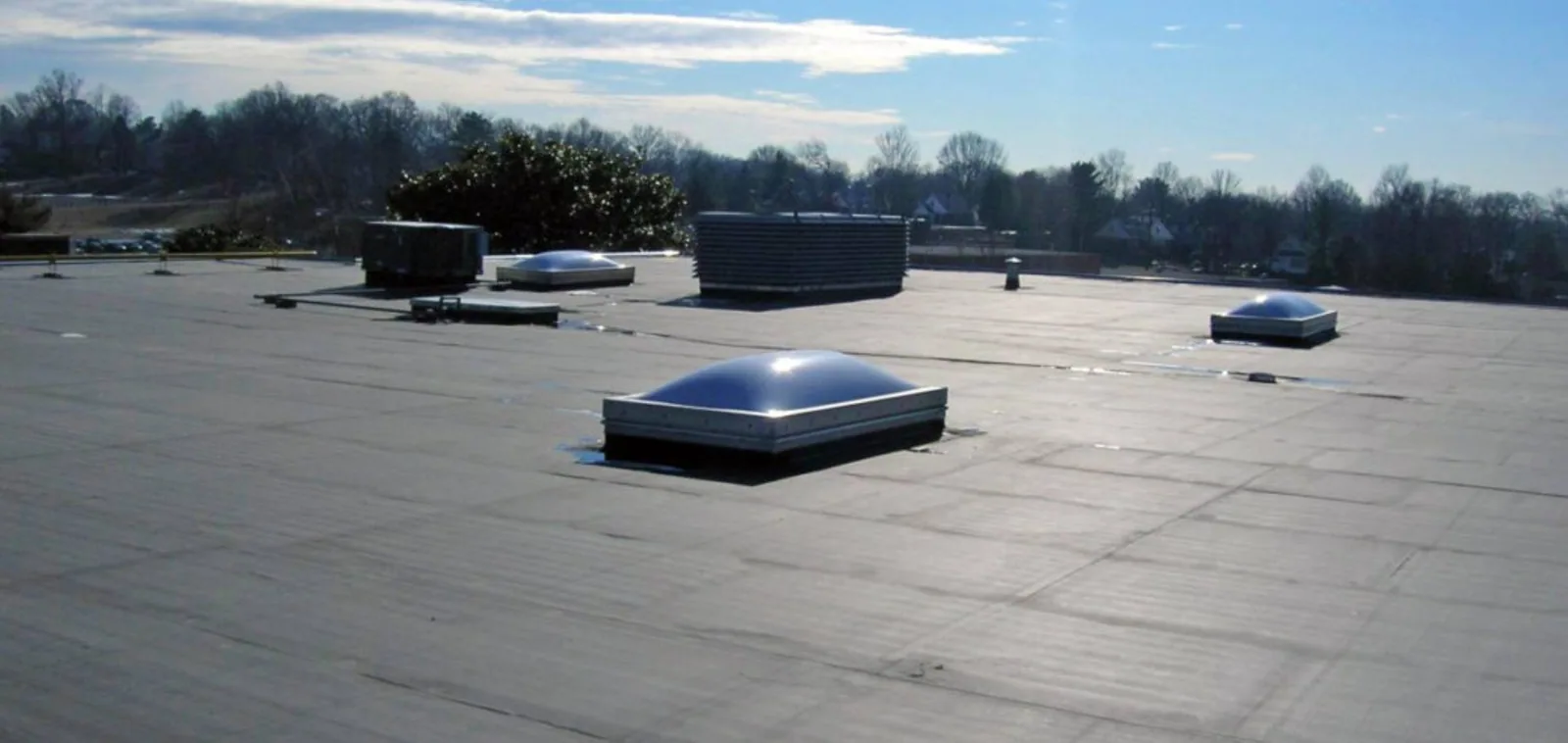
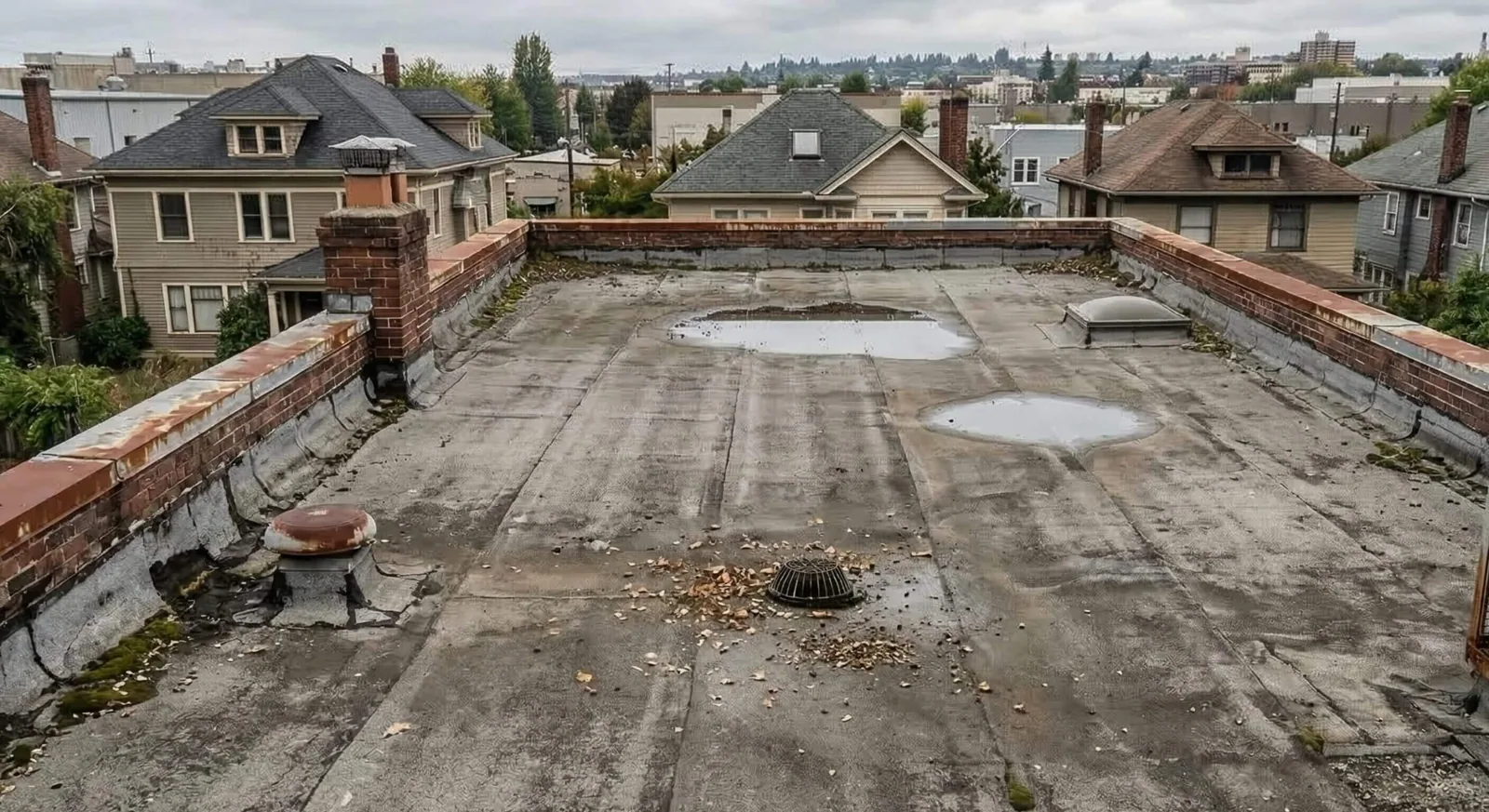
Next come the drains and scuppers, where debris, ponding and damaged strainers show how well the roof sheds water. We then move to penetrations and rooftop equipment, checking boots, curbs, pipe supports and sealants. Conduit and refrigerant lines that rest directly on the membrane are noted, since they wear through the surface under foot traffic and thermal movement. The field of the roof comes last, where we look for blisters, open seams, punctures, wear from foot traffic and areas that appear soft underfoot.
Tools and Samples
Visual review is the base, and we add tools when the findings call for them. A moisture meter points to damp insulation. A probe tests seam strength on thermoplastics. A tape measure records parapet heights and flashing terminations. Where we suspect saturated insulation across a wide area, we recommend a scan, such as an infrared moisture survey, followed by core samples that confirm the findings.
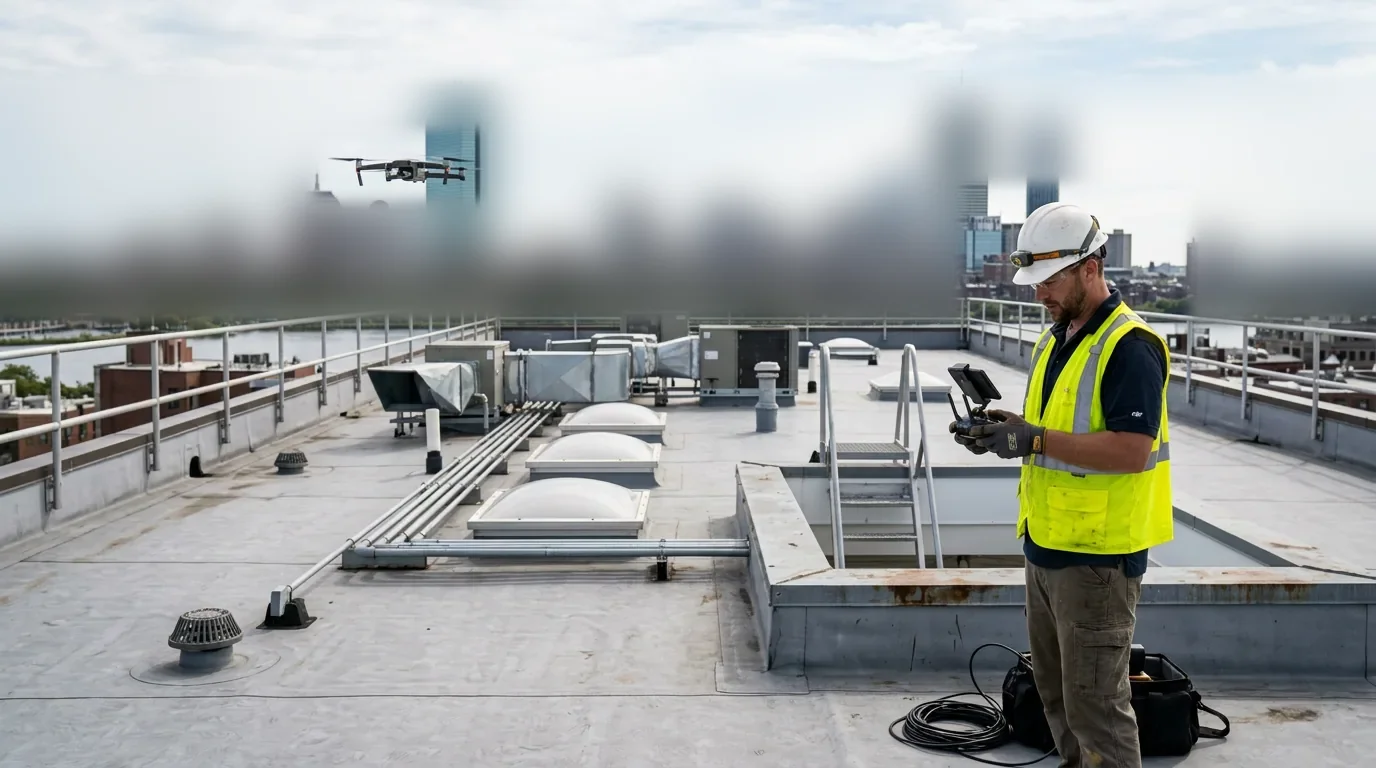
For large or hard-to-reach roofs, a drone roof inspection adds imagery of areas that would take hours to walk safely. We still walk the details, because a camera cannot probe a seam. The inspection report states which method produced each finding.
The Written Condition Report
The report contains a roof plan marked with numbered findings, a photograph for each, a description of the condition and a recommendation. Findings are sorted into three groups: fix now, plan for the next budget and monitor. For every item in the first group, we describe the likely consequence of waiting and the repair method.
The report also records the roof type, the visible age indicators, the drainage pattern and any rooftop equipment. If the building has a warranty, we note the terms that affect repairs. A lender, buyer or insurer can read the report without having been on the roof, which is part of its purpose. Each finding keeps the same number from one report to the next, which lets an owner see which items were fixed, which grew and which are new. The same data feeds a long-term roof condition report program for owners with several buildings.
What Kingsport Weather Leaves Behind
Kingsport receives about 45 inches of precipitation a year over roughly 133 days, so ponding and drainage get close attention. The recorded range runs from minus 18 F up to 104 F, and that spread moves membranes and opens seams at laps and flashings. Annual snowfall averages about 5.1 inches, yet freeze and thaw at drains and scuppers still leaves cracked sealant and displaced edge metal.
Storm checks add a different layer. Severe thunderstorm warnings for Sullivan County name 60 mph gusts and hail as the hazards. After a storm like that, we inspect edges, flashings and the membrane for hail bruising and wind lift, and we document it for insurance when needed.
Inspection Priorities by Building
A manufacturing building, whether it stands in a park such as Phipps Bend or on a plant campus, often carries process equipment and exhaust on the roof, so penetrations and curbs get the most time. A retail building along Fort Henry Drive or Stone Drive has many tenant-installed units and conduit runs that damage the membrane over time. Fort Henry Mall opened in 1976, lost Sears in 2017 and JCPenney around 2020, and saw Rural King open in the former JCPenney space in 2025, so a roof plan there can rank the work space by space as tenants turn over.
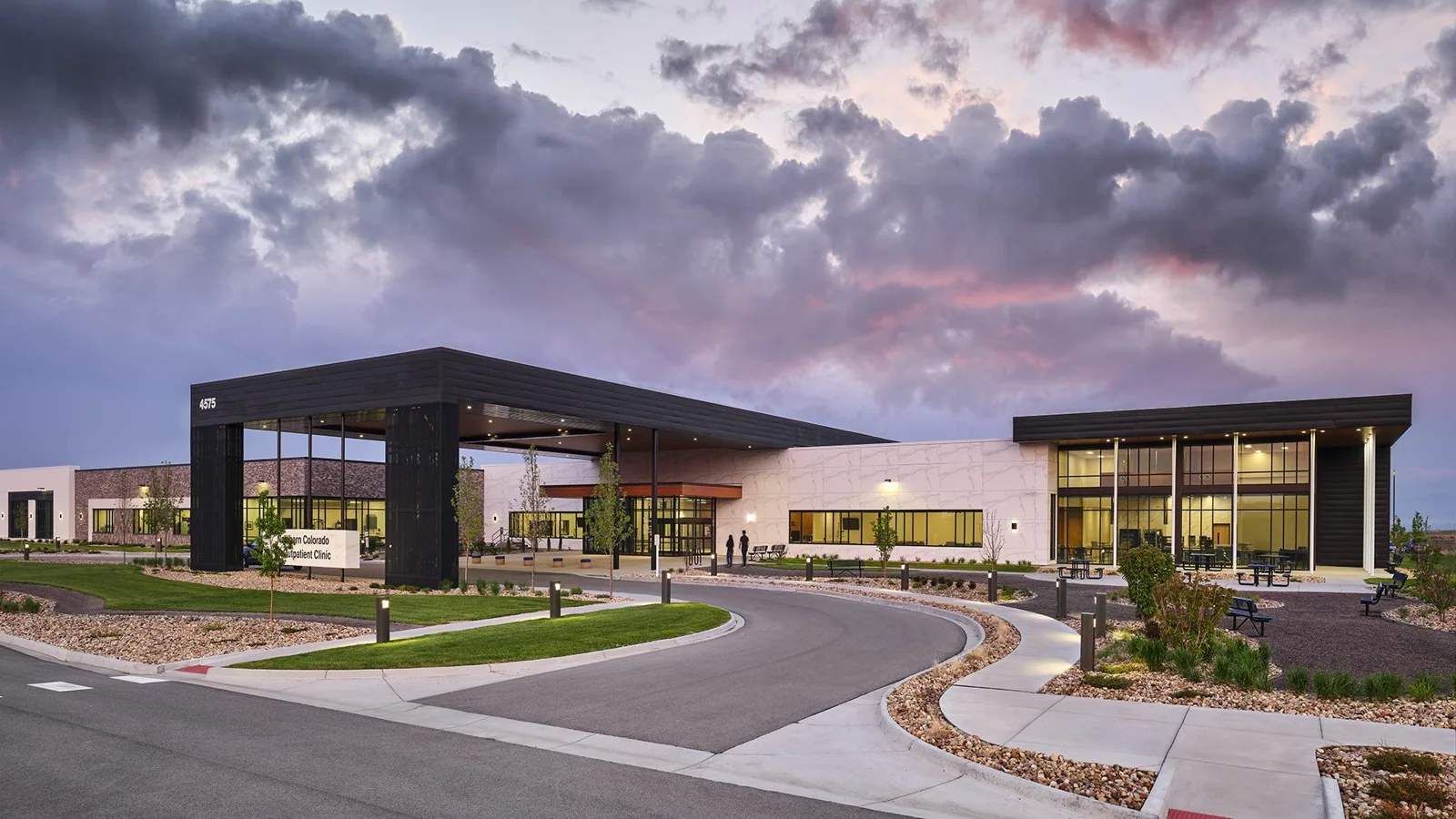
For a medical office building, the priority is leak prevention above sensitive areas. For a building in downtown Kingsport that is being renovated, the inspection compares the roof's condition against the renovation schedule, so the owner knows whether the roof will outlast the work below it.
Inspection Timing and Frequency
The best inspection times are spring and fall, after the extremes of winter and summer. A spring visit finds winter damage while the budget year is open. A fall visit confirms that drains are clear before leaves and early snow arrive. Inspections are also useful before a sale, after a hail event or when a lease changes hands. A pre-sale visit gives a buyer and seller the same set of photographs, and a lease-turnover visit fixes the roof's condition on paper before a new tenant moves equipment onto it.
For owners who want a steady program, preventive roof maintenance pairs inspections with minor repairs, so the report and the fix arrive together. Each visit builds on the last, giving the owner a comparison of how the roof has changed.
Commercial Roofing Questions
What do you need to see before the visit?
A roof plan if one exists, past repair records, warranty papers and any prior inspection reports. We also ask about known leaks, the locations of recent mechanical work and the rules for roof access, such as a permit or an escort. With those documents, the first hour on the roof goes to confirming problems instead of finding them.
How long does an inspection take for a large roof?
Duration follows the size of the roof and the number of penetrations, so a small office may take a short visit and a large plant may take most of a day. We give you an estimate when we know the roof size and the equipment count. The report follows within an agreed time after the visit.
Will the report tell us if the roof needs replacement?
It tells you what we see and what we recommend. When the findings point to replacement, such as widespread saturated insulation or failed seams across the field, we say so and give the reasoning. When repairs can extend the roof's life, we list them and the likely benefit. The decision rests with the owner, supported by the findings.
Do you walk the roof or rely on a drone?
We walk it. A drone is useful for survey images and for roofs that are unsafe to walk, but it cannot test a seam or probe a flashing. On large roofs we combine both, walking the details and flying the field. The report notes which method was used at each location.
Can the report be used for insurance or a sale?
Yes, with the right scope. For an insurance claim, we document the cause and extent of the damage with dated photographs. For a sale or a lease, we describe the roof's condition and the repairs recommended. We tailor the report to the audience, so a lender or insurer gets the information they ask for.