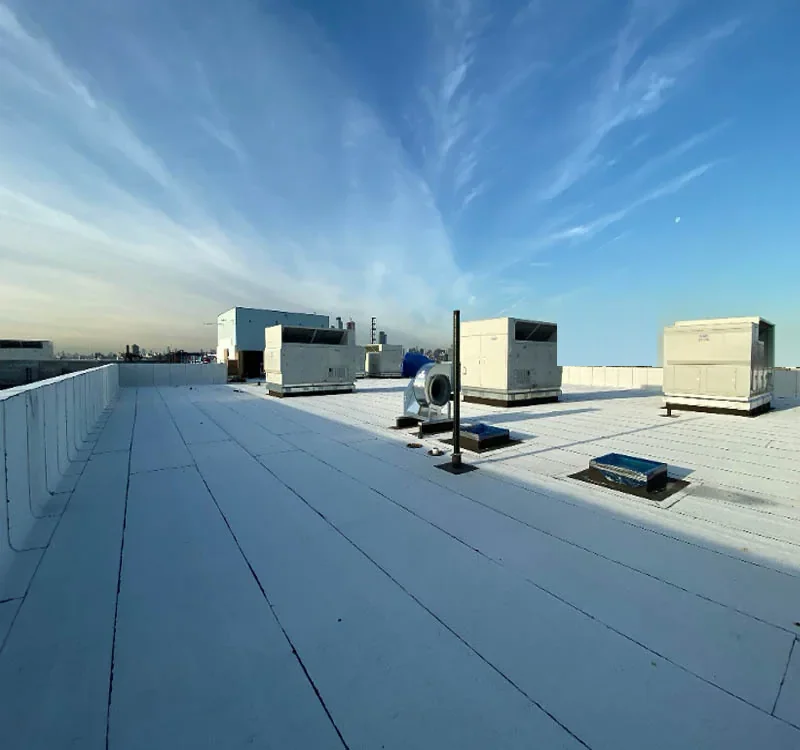
A planned repair at a Kingsport, TN building begins with a marked roof plan and a short list of numbered items. Each number is a seam, a flashing, a curb, a drain or a split in the membrane, and each carries a decision: patch it, rebuild it or leave it and watch it. That list becomes the work order. The crew arrives with the right materials, the access point is agreed, and the repair is finished in a scheduled window rather than in a hurry. Planned repair keeps small defects from becoming claims, and it lets a facility manager spread roof spending across budget cycles instead of absorbing it in a single emergency.
The Numbered Work Order
We walk the roof, photograph each defect and mark it on the plan. Every item gets one of three tags: repair now, repair at the next visit or monitor. The tags carry a price, so a general contractor or property manager can approve the first group and defer the others. A work order that separates urgent items from cosmetic ones keeps the budget clear and the crew focused.
Many defects come in clusters. A failed seam near a rooftop unit often sits beside a cracked pitch pan, a torn boot and a flashing that lifted at the same corner. We repair the cluster in one visit, since returning to the same corner a month later costs more than fixing it all at once.
Access shapes the order of the day. We start with the items that need a lift or a hot work permit, move to the details near mechanical equipment while the units are cleared, and finish with the field repairs that need the least coordination. Walkways and drains are cleaned before the crew leaves, and the last step is a walk back across the roof to confirm every numbered item is closed.
Seams, Flashings and Penetrations
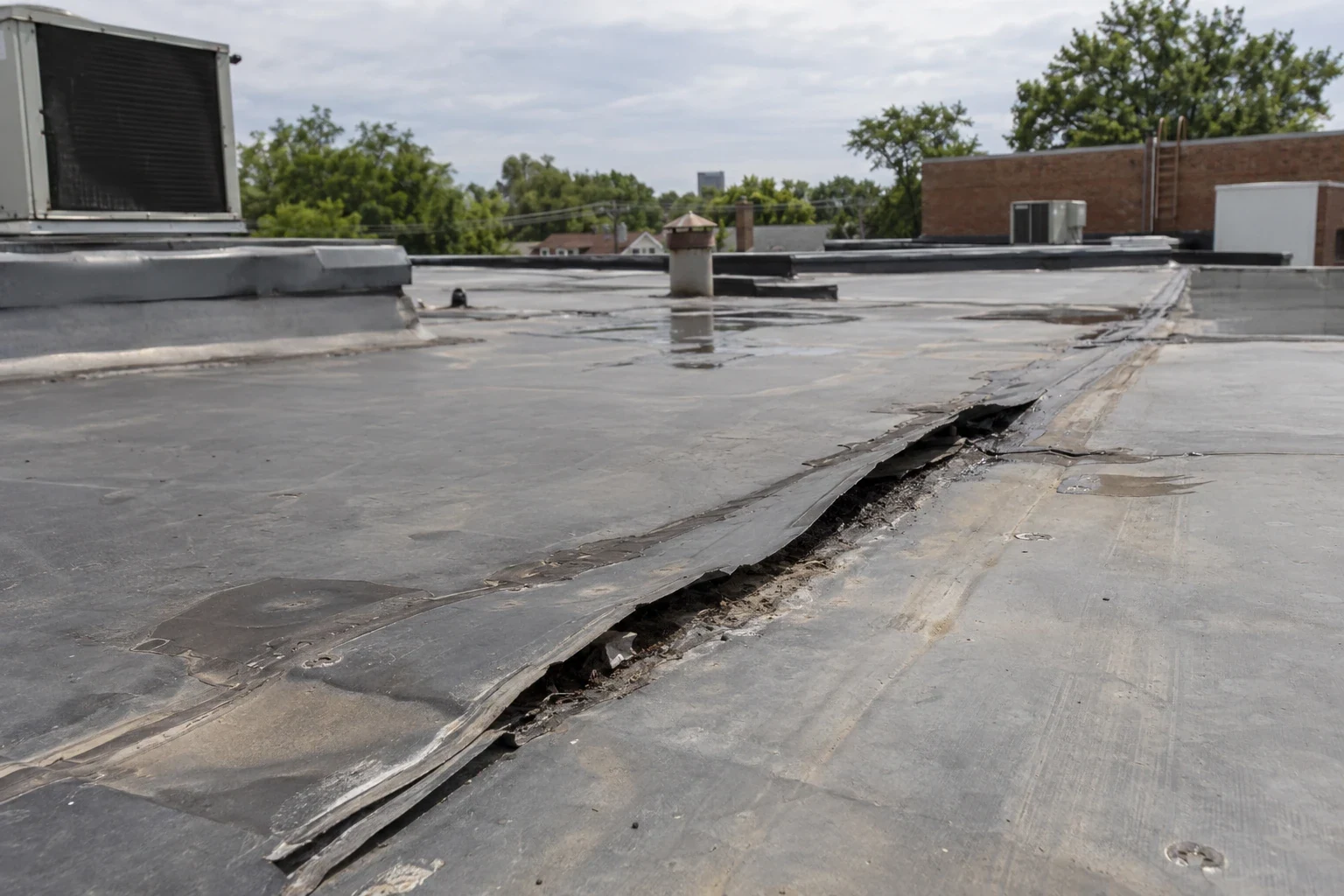
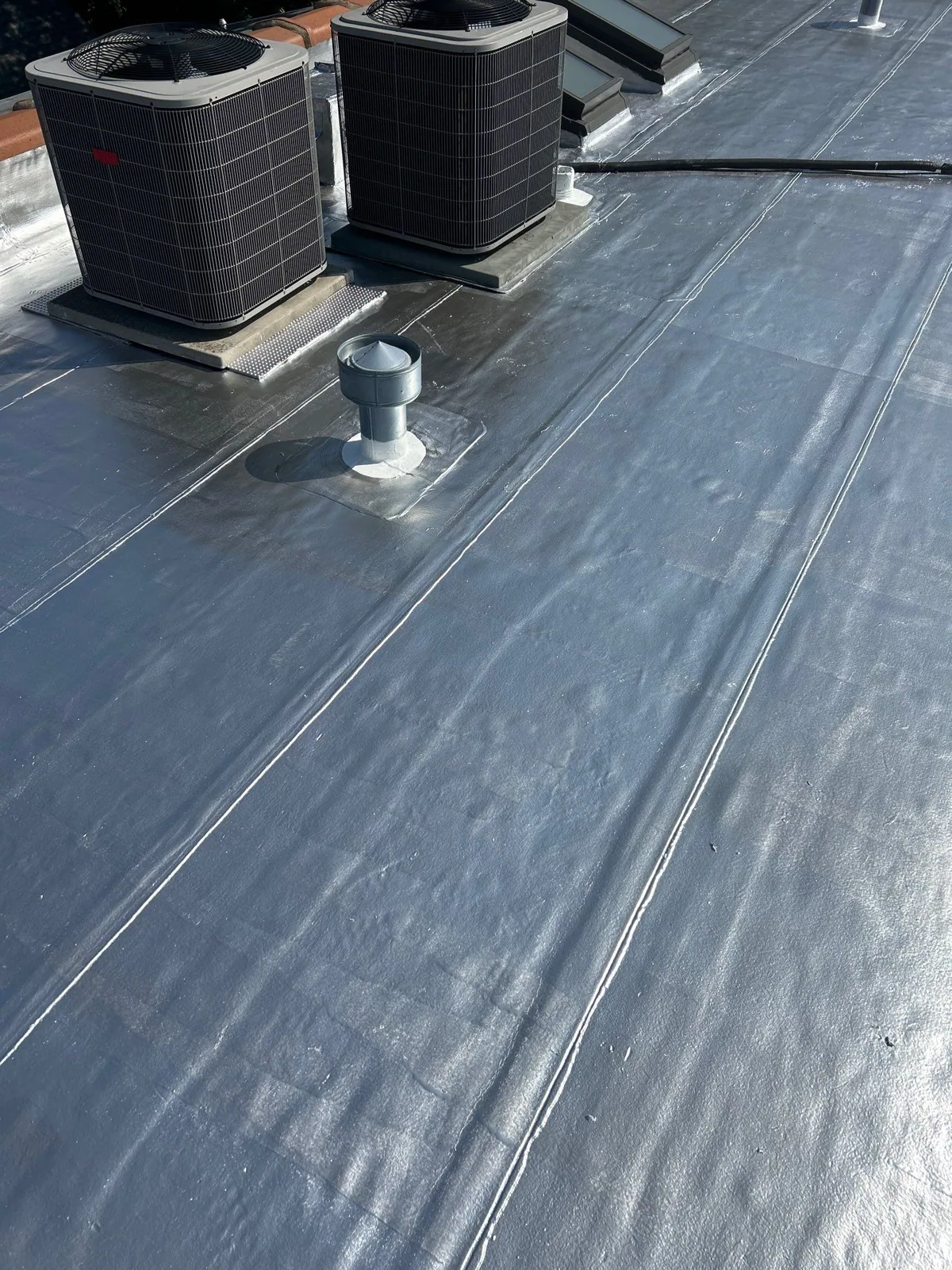
Most membrane problems begin at a detail, not in the field of the roof. Seams open where the substrate moves. Flashings lift where fasteners back out. Penetrations leak where a boot has aged or a sealant has failed. We repair each with the method that suits the membrane: hot-air welded patches on thermoplastics, adhesive or tape on EPDM, torch or cold-applied patches on bitumen, and compatible liquid flashings where the geometry is tight.
Targeted repairs include seam failure repair, flashing failure repair and membrane puncture repair. Each starts with cleaning and drying the area, because a patch laid over dirt or moisture fails within a season.
Drains, Scuppers and Ponding
Water that stays on a roof hurts the membrane, adds weight and finds the weak seam. During the survey we check every drain, scupper and gutter for debris, damage and flow. A clogged drain is a maintenance item; a drain set too high is a repair. Where the deck has deflected and water ponds, we assess whether tapered insulation, a new sump or a drain relocation is the right fix, and we explain what each one changes.
Standing water after a rain is the first clue. Kingsport collects roughly 45 inches of precipitation a year across about 133 days, so a low spot on a low-slope roof meets water often. Repairs that restore drainage prevent the same repair from being needed twice.
Repairs and the Kingsport Calendar
Temperature affects every repair material. Adhesives and sealants need minimum surface temperatures to cure, and membranes at a record low near minus 18 F behave differently from the same membrane in July heat near 104 F. We schedule repairs in the shoulder seasons where we can.
Storm damage adds a second kind of repair. Hail and gusts to 60 mph appear in the severe storm warnings for Sullivan County, including the one issued on July 4, 2026. After such an event, our storm damage roof repair work starts with a survey of edges, flashings and penetrations, since those details fail first.
Buildings and Repair Priorities
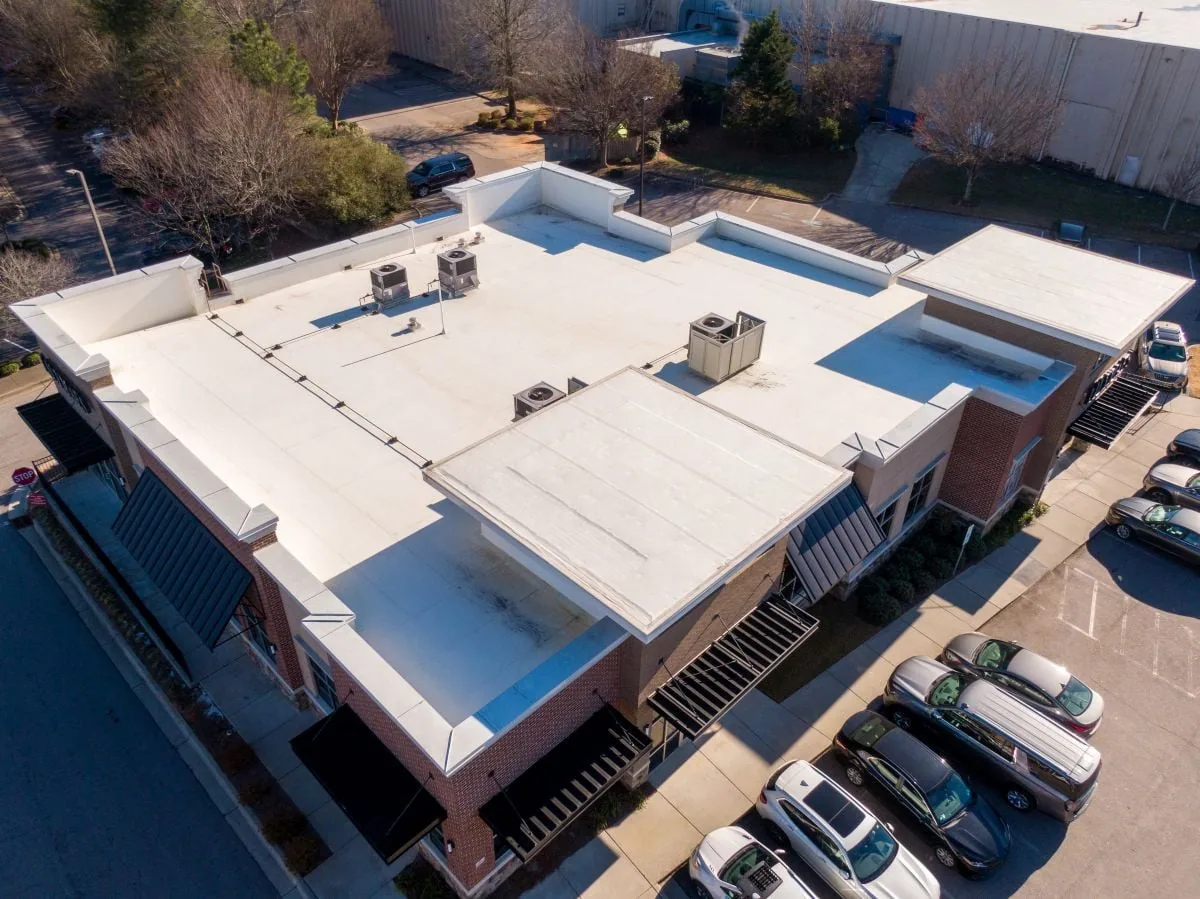
The repair plan depends on how the building is used. A manufacturing building usually has fewer interior finishes to protect than an office, so the priority is keeping product, racking and equipment dry. The Phipps Bend park and the warehouse and light-industry uses the city has planned on West Stone Drive land fall in the same group. A retail center along Stone Drive or Fort Henry Drive needs repairs done outside business hours, with clean walkways and no odor near entrances.
Downtown Kingsport has buildings under renovation, where interior finish work depends on a dry building. A leak during that stage damages new drywall and delays other trades, so repair timing there follows the renovation schedule. We confirm each building's constraints with the property manager before sending a crew.
Repair Versus Replacement
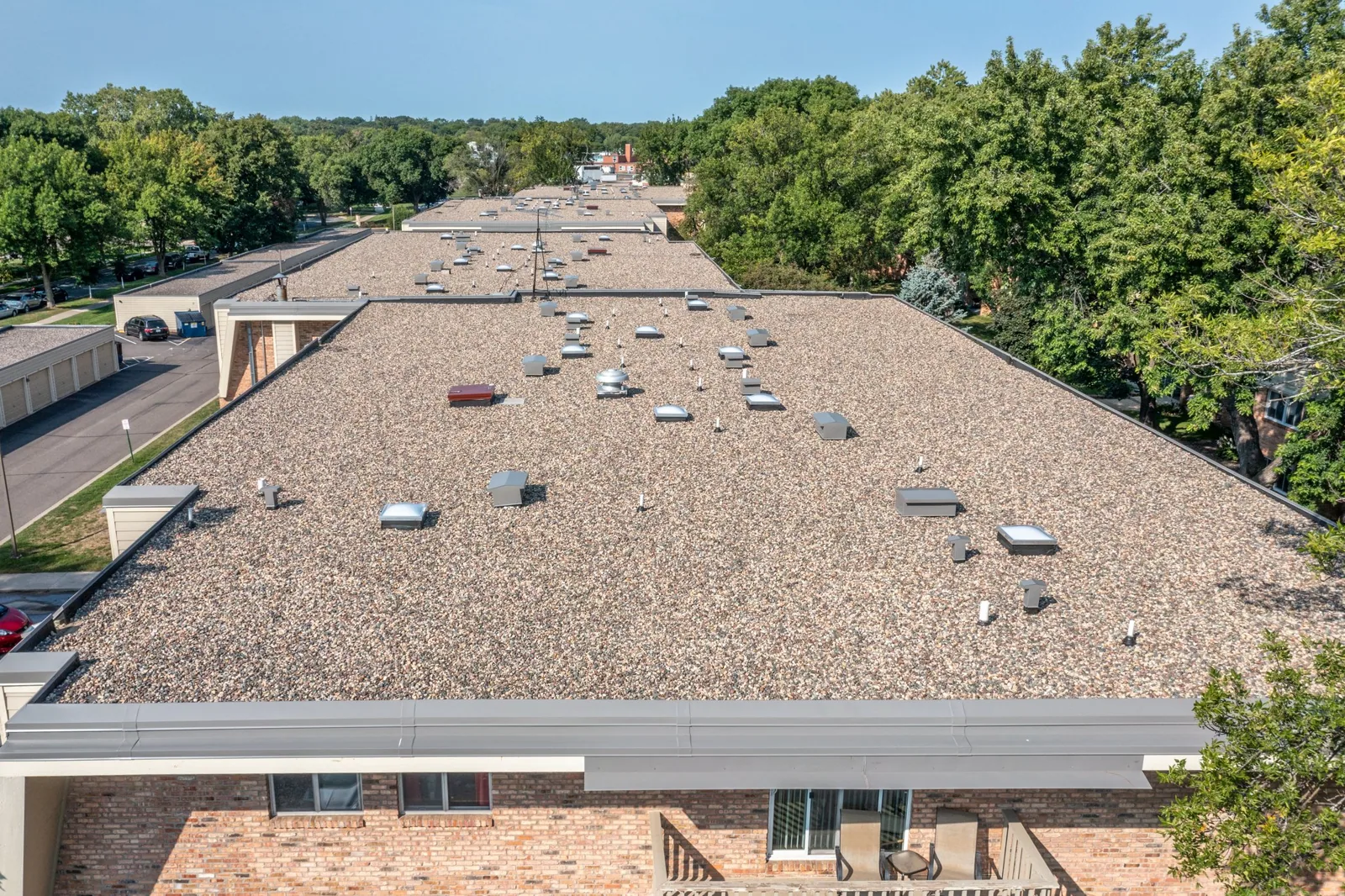
A repair program makes sense when the membrane is sound apart from isolated defects, the insulation is dry and the remaining service life justifies the spending. When defects are spreading, seams are failing across the field or the insulation is wet in many places, repairs lose ground. In that case we say so and lay out the numbers, and a commercial roof replacement becomes the more economical choice.
We keep a repair log for each building. That log shows how many items we fixed, where they occurred and whether the pattern is shifting. It gives an owner the evidence to defend a capital request, and it gives the next inspector a head start.
Commercial Roofing Questions
How do you decide which repairs can wait for the next budget cycle?
We sort each item by what it does to the building if it fails: active leak paths, insulation already wet and details exposed to wind come first. Items that are cosmetic or stable move to the next visit with a note on what to watch. The sorting is written on the work order, so the person approving the budget can see why each item sits where it does.
Can a repair be finished in one visit?
Most can, when the cluster is mapped in advance and the materials are on the truck. We bring the right membrane patch material, flashing resin, sealant and fasteners for the roof type. If a repair needs a lift, a hot work permit or a shutdown of rooftop equipment, we schedule those first and complete the work in a single planned window.
What if the repair material does not match the old roof?
We identify the membrane before choosing a patch. A TPO roof takes a welded TPO patch, and a modified bitumen roof takes a compatible bitumen patch. When the existing material is unknown, we take a small sample for identification. Using an incompatible patch causes failure at the edges, so matching materials is part of the work order.
Does a repair visit include photos?
Yes. Each numbered item gets a before photo and an after photo, tied to the location on the roof plan. The set goes into the repair log. Property managers use those photos for budget reports, insurance conversations and tenant updates, and they give the next roofer a clear history of the building.
How many repairs are too many on one roof?
There is no fixed number. The better measure is the trend: if each visit finds more seam or flashing defects than the last, the roof is aging out. We compare visits, check moisture in the insulation and give you a recommendation. When repair costs approach a meaningful share of replacement, the log makes that visible.