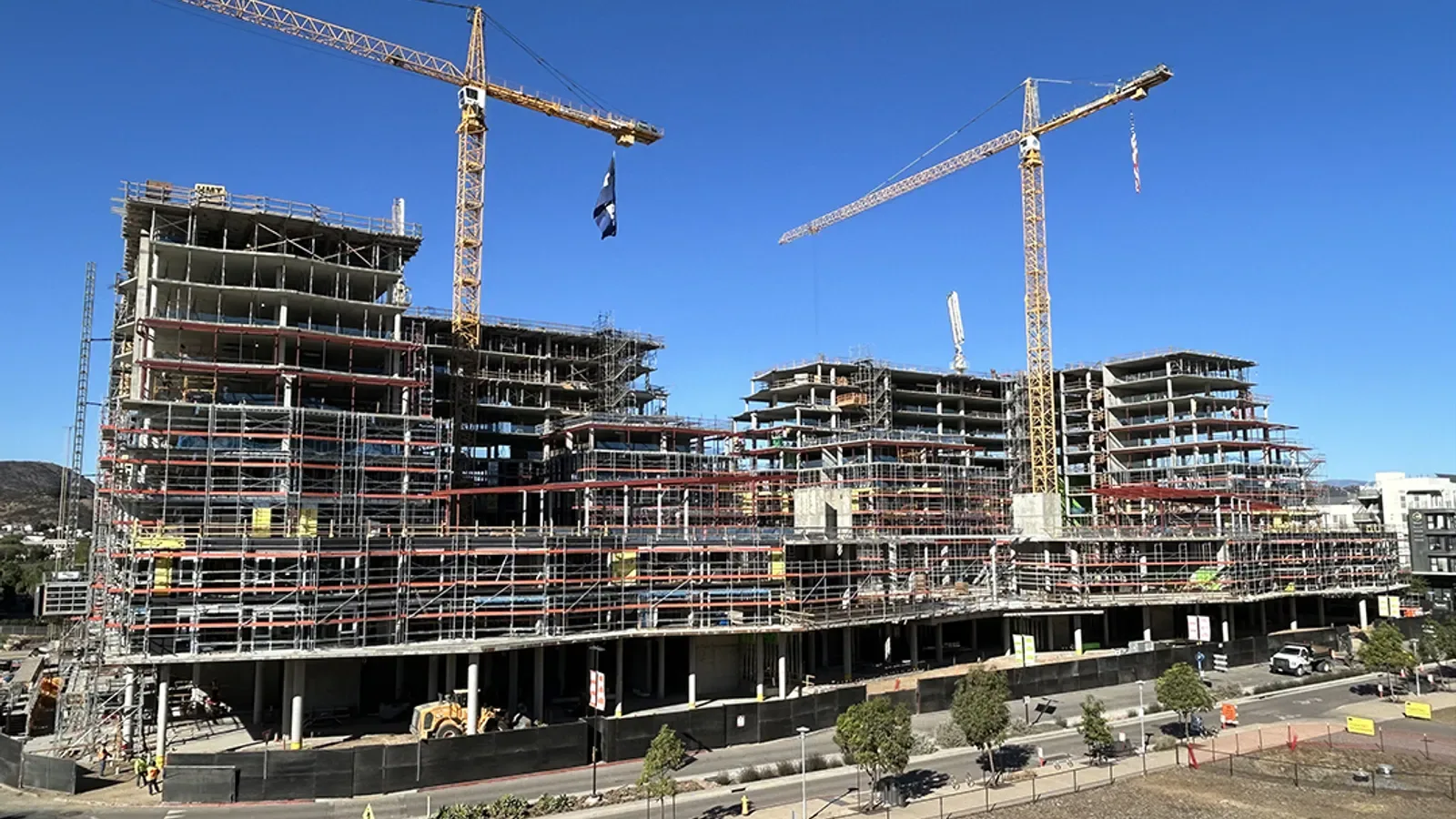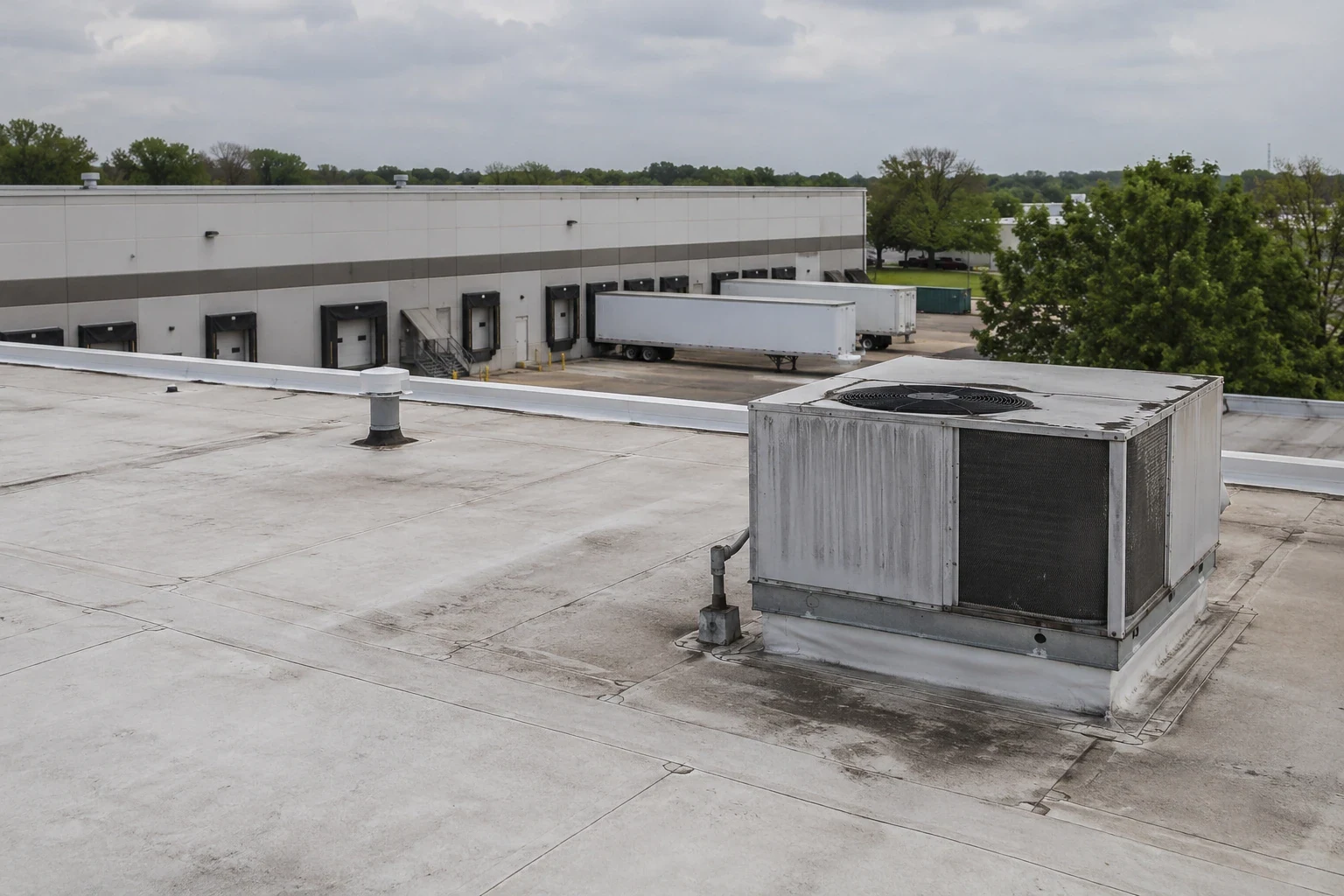
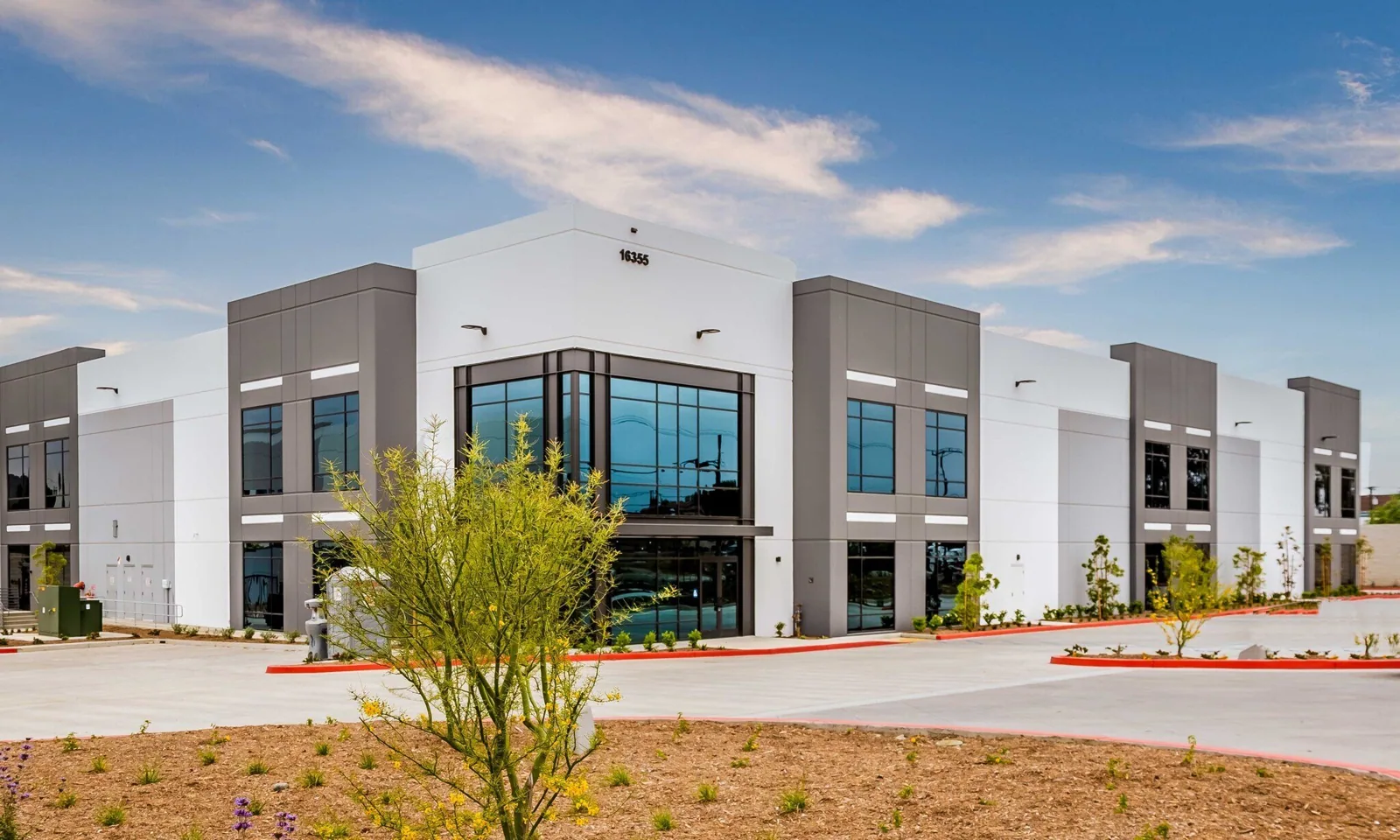
Access rules come first on a plant roof, because a plant decides who may set foot on its property long before anyone discusses a membrane. We ask the plant contact for the gate procedure, the safety orientation, the hot work permit process and the turnaround outage calendar before we ask for the roof drawings.
A plant roof in Kingsport, TN often sits over process lines that cannot stop, and the outage window may come only once a year. We build the phasing plan to fit that window: what comes off first, what is dried in by dark, and where the night shift picks up.
What Has to Be in Place Before the Crew Arrives
Four items come first. The site orientation for every crew member. The hot work permit procedure for torches, welders and grinders. The list of rooftop equipment that must stay running. The haul route from the gate to the laydown area.
Plants usually have a safety coordinator who owns these items. We schedule a walk with that person, mark the exclusion zones around stacks and vents on the site plan, and agree on the radio or phone check-in for each shift.
One more item belongs on that list: the plant's rooftop traffic rules. Some roofs carry cable trays, steam lines or process piping, and the walking routes are fixed by the plant. We mark them on the plan so no one improvises a path.
Access, Laydown and Crane Picks Inside the Fence
Space inside a plant fence is tight. Trucks must reach the laydown area without crossing a rail spur or blocking a tanker lane. Crane picks are set in places where the swing does not pass over active equipment, and the picks are listed by time so the safety coordinator can clear the area.
Kingsport's industrial base is large. Eastman Chemical keeps its world headquarters in Kingsport, and the Kingsport complex is the company's largest manufacturing facility. A mill site that dates to 1916 is now Domtar's recycled liner board and corrugated medium operation, converted in 2023 to make about 600,000 tons a year. Sites like these write their own access rules, and we plan to them. Holston Army Ammunition Plant belongs to the government and is run by a contractor within the Army Joint Munitions Command, so work there follows the operator's rules; an Army installation roof gets the same planning as any plant.
Rail spurs and tanker lanes get a marked clearance on the site plan. A crane that swings across one is not allowed to pick during a switching move, and the plant contact confirms the track is clear.
Sequence of Work Across a Process Roof
The tear-off sequence follows the plant's operating map, whether the building is a main plant or a flex industrial building on the same grounds. Sections over utilities or storage go first, sections over process areas follow, and sections over the most sensitive equipment are set for the outage. Each section is dried in before the shift ends, and the handoff to the night shift is written on the daily sheet.
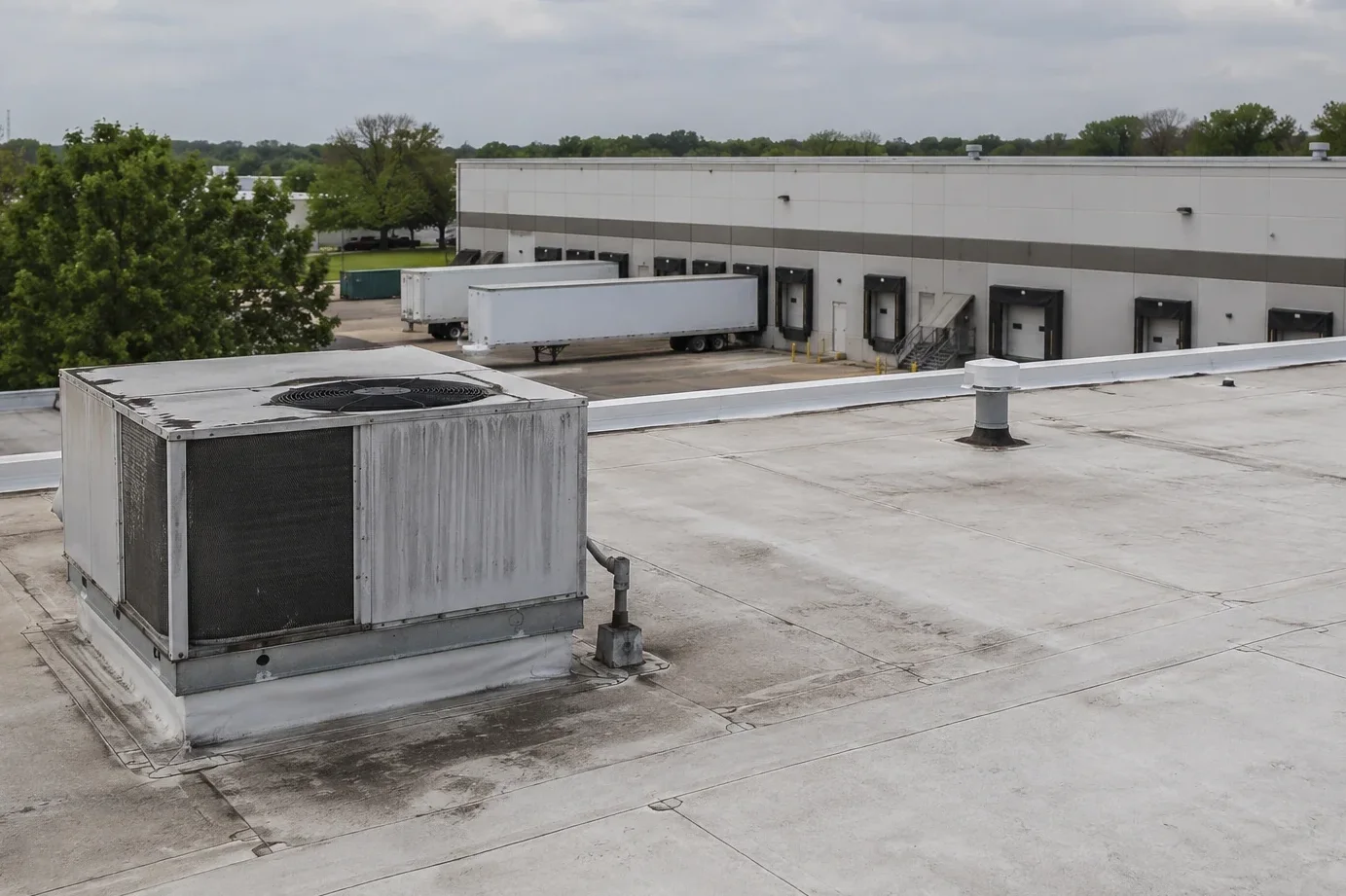
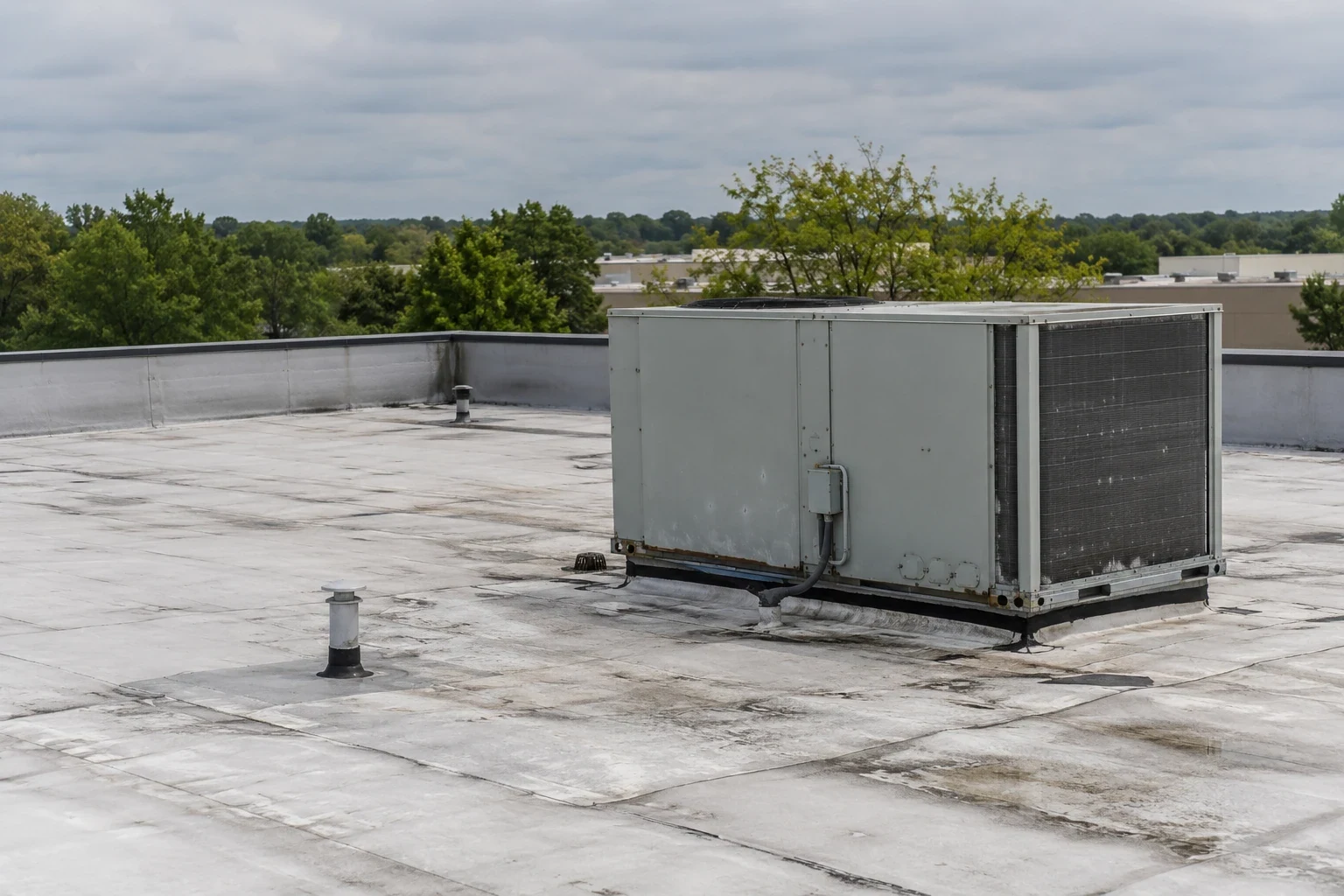
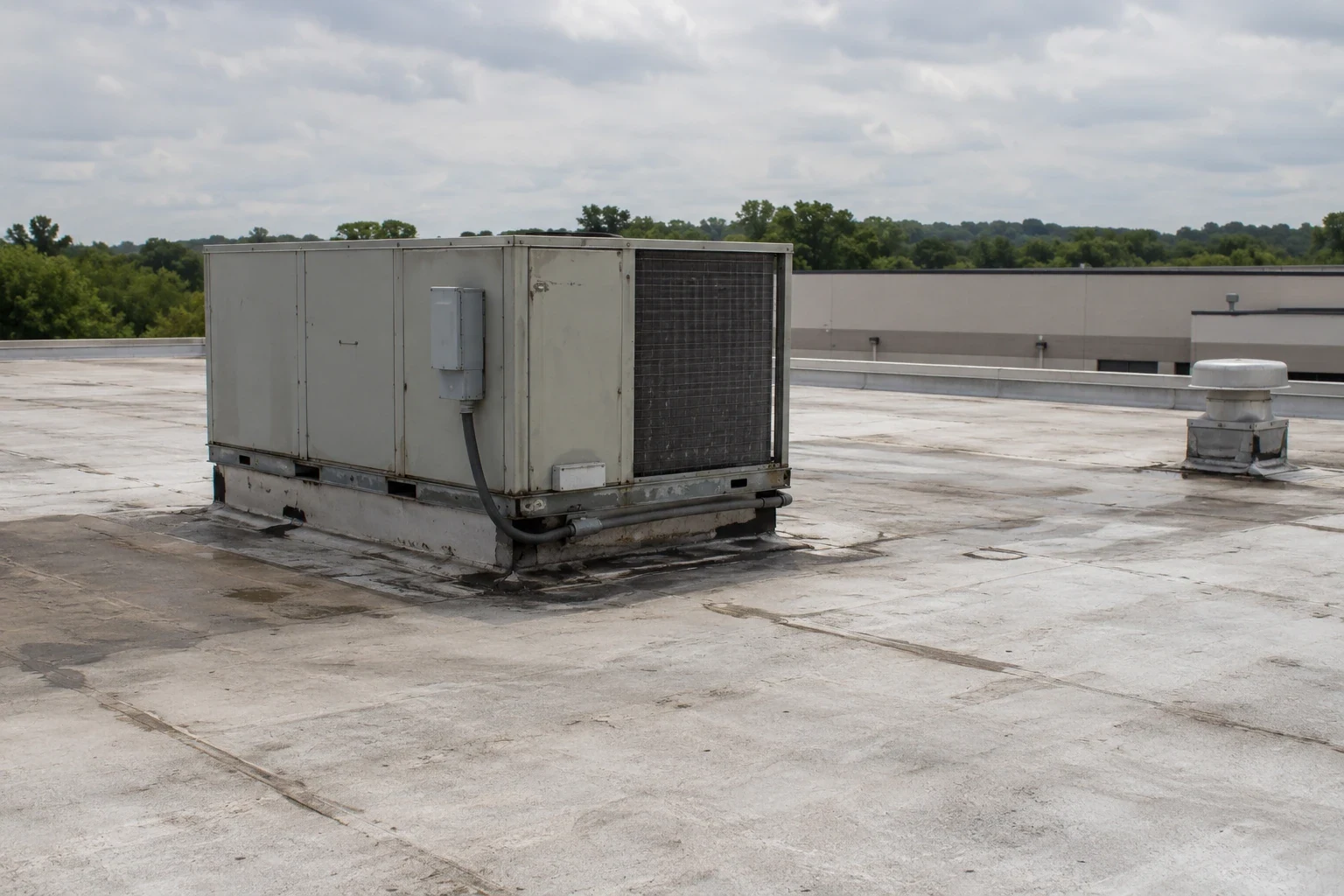
Penetrations get their own step. Process vents and exhaust stacks are flashed with the plant's engineer present, and tie-ins to existing membrane are made with compatible materials. A manufacturing plant roof plan lists each penetration with the condition of its flashing before the work starts.
Between sections, the crew clears debris and checks drains and scuppers on the new work. A drain left blocked overnight can flood a freshly dried-in area, so the check is a fixed step at the end of each shift.
Where a stack or vent runs through the roof, the crew works from a platform inside the exclusion zone and keeps tools tethered. The plant engineer inspects every collar before the flashing is covered, and photographs go into the daily sheet.
Phasing Around Turnarounds and Shifts
A turnaround outage is the best window for roof work over active equipment, because the equipment is off and the area is cleared. The plan fits the largest and most disruptive section into that window and uses smaller windows for the rest. Between outages, repairs are limited to temporary protection and small patches.
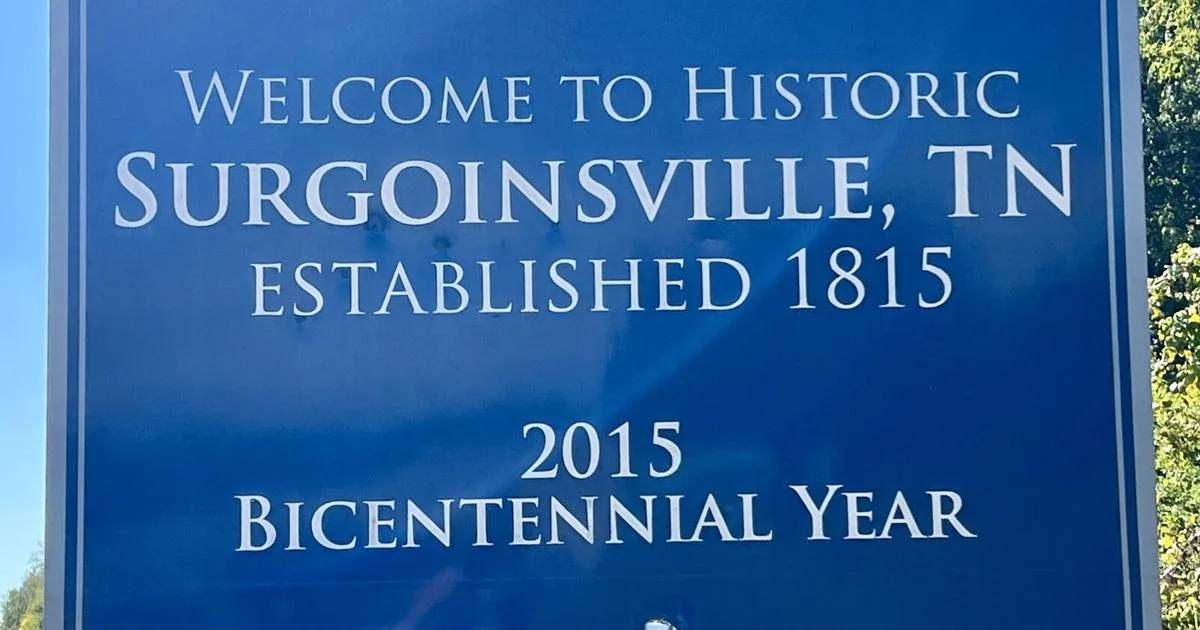
Shift patterns matter too. Noise and traffic that a day shift tolerates may be a problem at night, and the reverse can be true. We ask for the shift calendar and place work where it fits. Near Surgoinsville, Phipps Bend Industrial Park employs over 2,000 people and counts among the largest industrial parks in northeastern Tennessee; tenants in a park like that run different calendars side by side.
Hawkins County adds other employers to the map: BAE Systems, AGC Flat Glass North America, Barrette Outdoor Living and Cooper-Standard Automotive are among its major employers. Plants like these run different calendars, so each one gets its own phasing plan.
Inspection, Permit and Contractor Requirements
Kingsport requires a roofing permit for new roofs and reroofs alike, with stamped plans filed as a PDF. The city's Building Department holds each plan to the IBC and the IECC. Plants often add their own insurance and safety prequalification, and we send those with the permit package, so neither one holds up the start date. A general contractor running a plant project passes ours through, and logistics tenants on the grounds follow the same gate rules.
Hot work needs a permit of its own from the plant, separate from the city's, and the plant's safety coordinator issues it for each shift.
Weather Windows Around Outages
Weather is a scheduling input, not a headline. Rain and snow total roughly 45 inches over about 133 days a year in Kingsport, and the temperature record runs from near minus 18 F to 104 F. We build a buffer into an outage window and keep a dry-in plan ready for each section in case a storm arrives early.
NWS Morristown warnings for the area have named 60 mph gusts and hail. If one posts during an outage, material comes off the roof first and the plant contact gets a call.
Closeout and Punch List
The plant engineer walks each section when it is done, and the punch list is photographed. The plant's file at the end holds the as-built drawing, product data, the warranty and the hot work permits issued.
Commercial Roofing Questions
How should a plant schedule roof work around a turnaround?
Reserve the largest section for the outage and plan the dry-in point before the outage starts. We recommend bringing materials to the laydown area a week ahead and holding a crew briefing the day before. Smaller sections can be done in short windows between outages.
Who controls the hot work permit?
The plant does. We submit the permit request before the work starts, follow the fire watch rules and keep the permit paperwork on site. We recommend asking the safety coordinator to review the permit scope with the crew lead.
Can rooftop equipment keep running during the work?
Usually yes, with exclusion zones and protected intakes. We recommend marking those on the site plan and checking them at the start of each shift. Equipment that serves critical processes stays on its schedule.
What does the city require for a plant reroof?
The city wants a roofing permit and stamped plans filed as a PDF, and a Tennessee state contractor license once the price passes $25,000. We begin the submittal while materials are on order so the permit lands first.
How do you handle explosive or sensitive areas?
By following the owner's rules. Access, tools and hot work are controlled by the plant, and we plan to those rules. For government-owned plants, access rules come through the operator.
Can night shifts be used for roof work?
Yes, when lighting, noise rules and safety coverage are in place. We recommend night work for sections where daytime traffic is heavy, with a clear handoff between shifts.