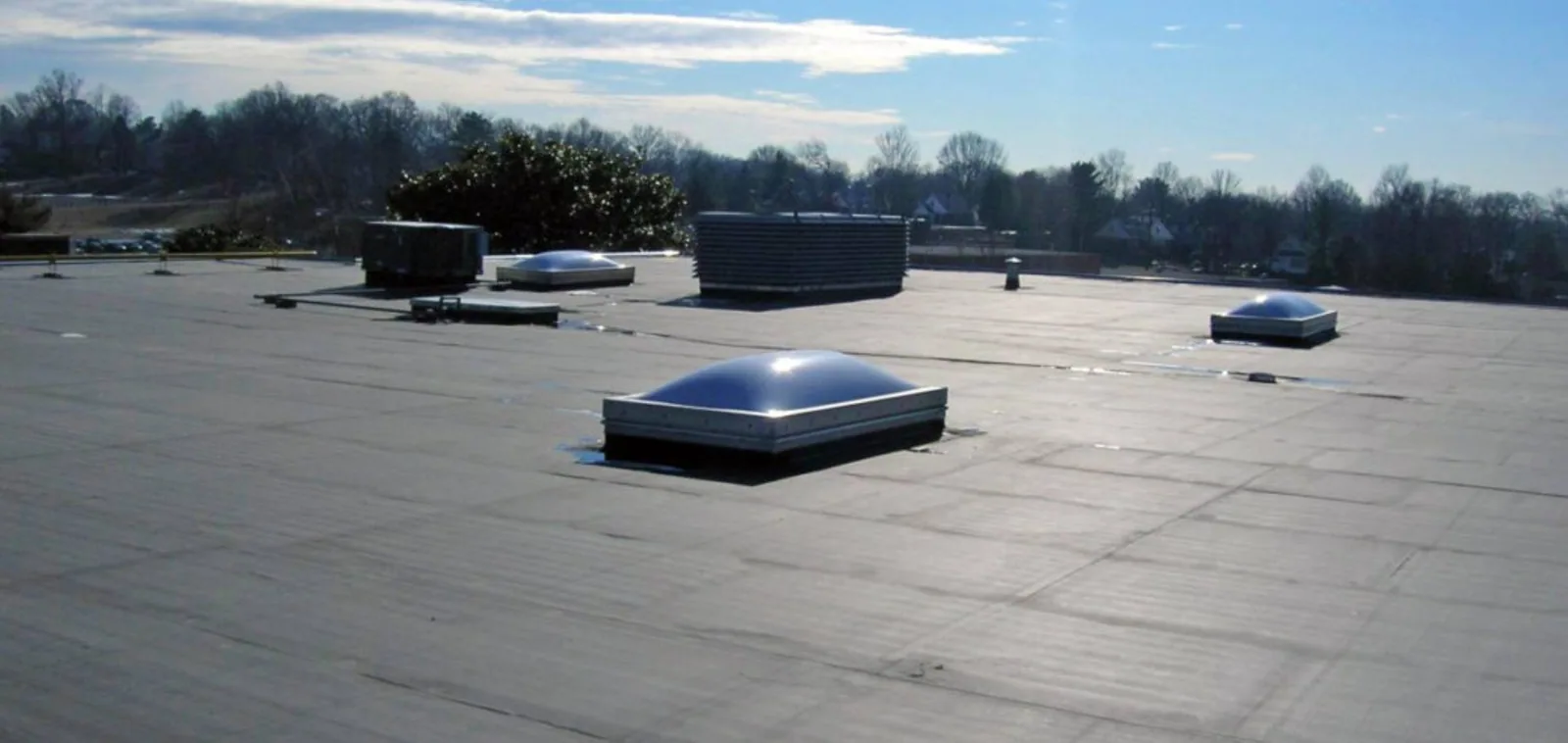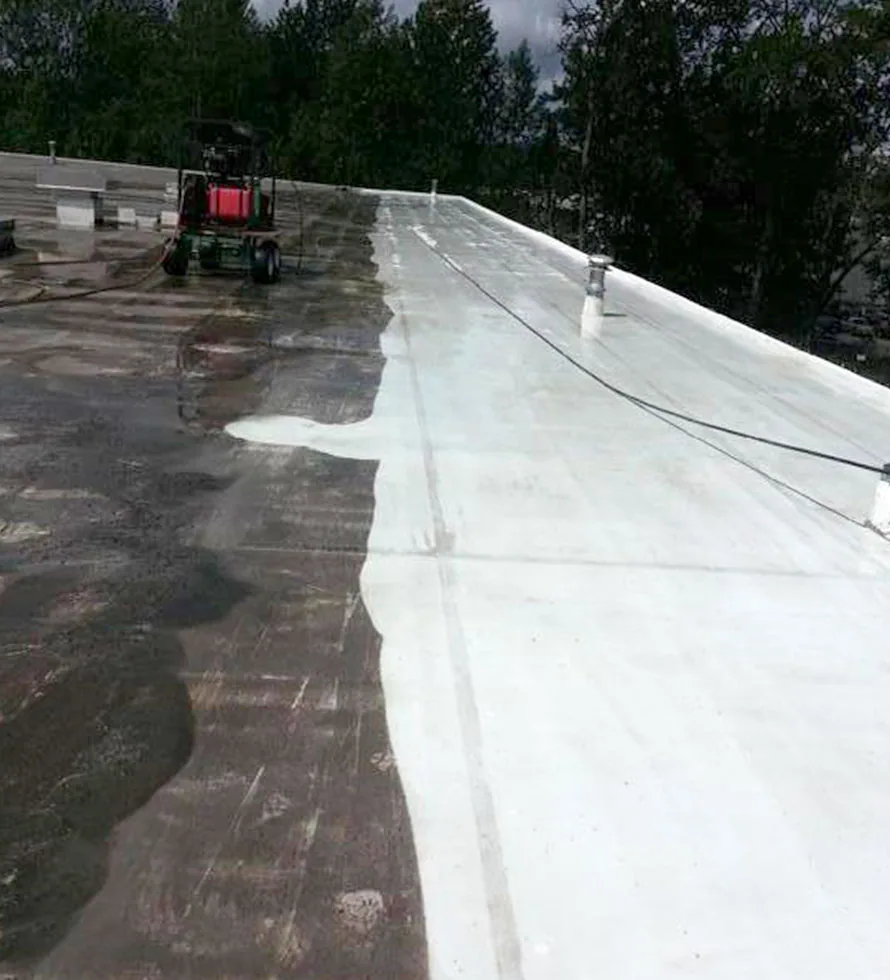
Core cuts come before any recover proposal in Kingsport, TN, because the existing roof either carries a second membrane or it does not. We cut samples across the field, near the drains and along the perimeter, then read what the layers hold. Dry insulation and a sound deck make a recover possible. Saturated insulation or a rotted deck rule it out. The recover keeps the old roof in place, saves the cost of tear-off and disposal, and keeps the building running with little disruption. It also commits the building to the old assembly, so the decision deserves a written finding before anyone orders rolls of membrane.
Core Cuts and Moisture Mapping
The survey has two parts: an infrared or capacitance scan to find where moisture sits, and physical cores to confirm what the scan suggests. A scan alone points to anomalies. A core tells you whether the anomaly is saturated insulation, trapped construction moisture or a cold spot over a column line. We mark the findings on a roof plan, keyed to the cores, and give you a plain description: which areas are dry, which are wet, and which are uncertain.
Where the survey finds wet zones, the recover plan cuts those areas out and replaces the insulation before the new membrane goes over the top. That hybrid approach saves the dry field and fixes the problem spots. The infrared moisture survey is the usual starting point, and we pair it with core samples at the same visit.
Layer Limits and Code
Building code limits how many roof assemblies can sit on a deck. A building with one existing membrane can often take a second; a building with two usually cannot. The code also asks whether the existing roof was installed over a deck that can carry the extra weight and whether the new assembly meets energy and wind requirements. Kingsport requires a permit for reroofing, and a commercial submittal needs one stamped plan set plus a PDF, so the recover goes through the same review as a tear-off.
The same $25,000 licensing threshold applies to a recover, and the plan set carries the contractor license and insurance documents. The submittal also states the layer count, which the plan reviewer checks first.
Cover Board and Membrane Choices
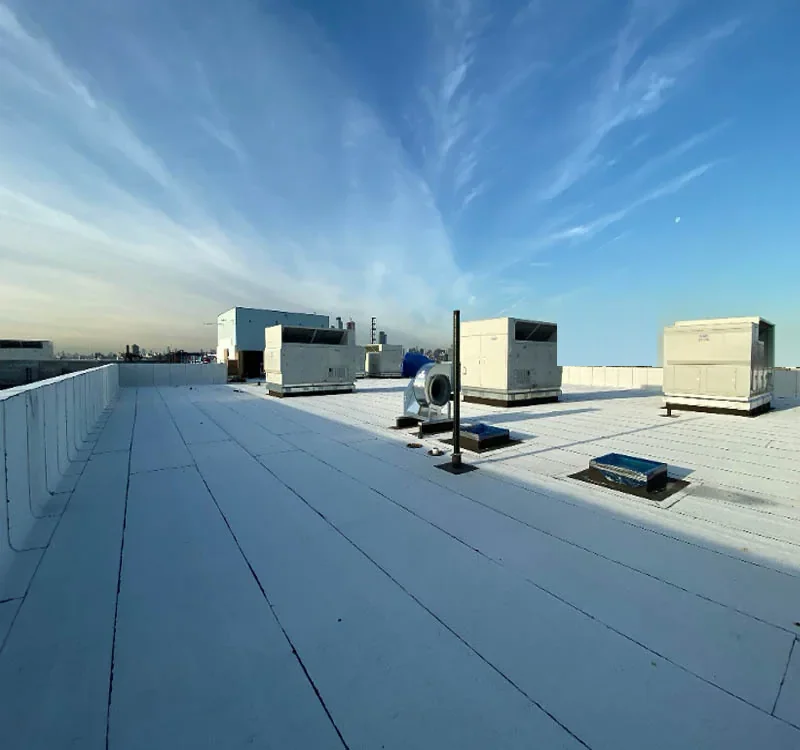
Over an existing membrane, the recover begins with a separation layer or a cover board. The board spreads the load, protects the old surface and gives the new membrane a flat, clean bed. For a mechanically attached single-ply, such as TPO, the fasteners must reach the deck through both the old and new layers, and the pull-out values change with the added thickness. For an adhered system, the board and adhesive must be compatible with the old surface.
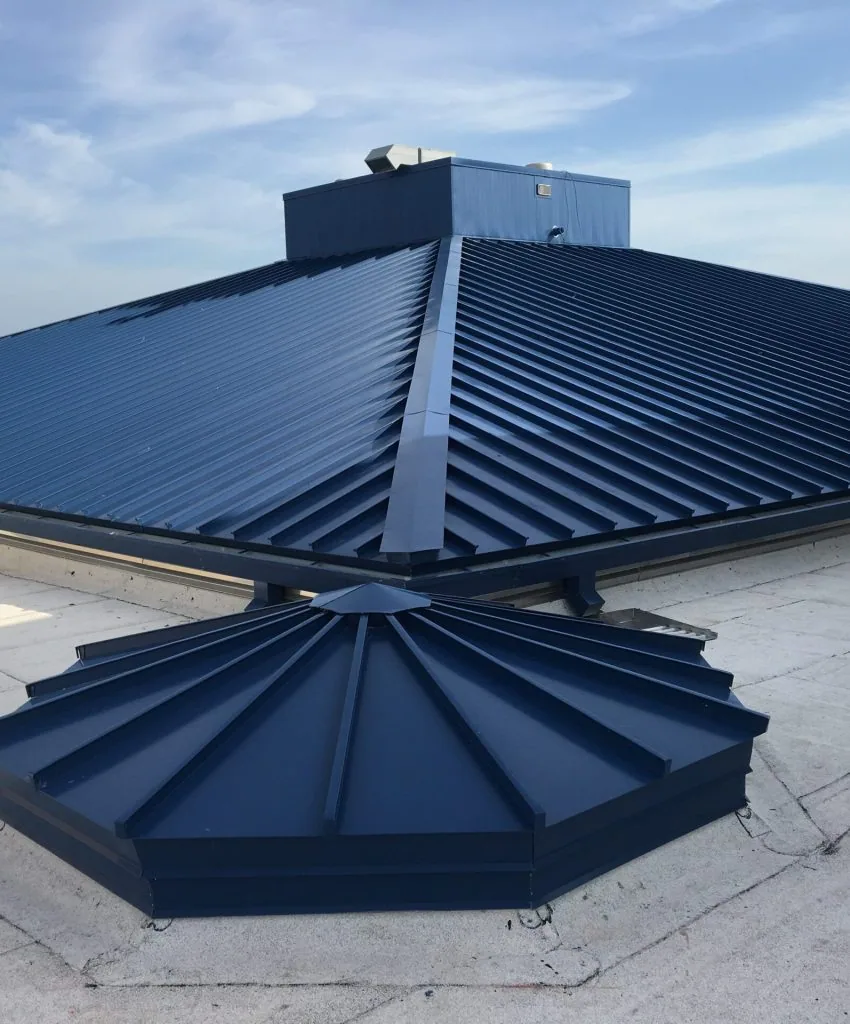
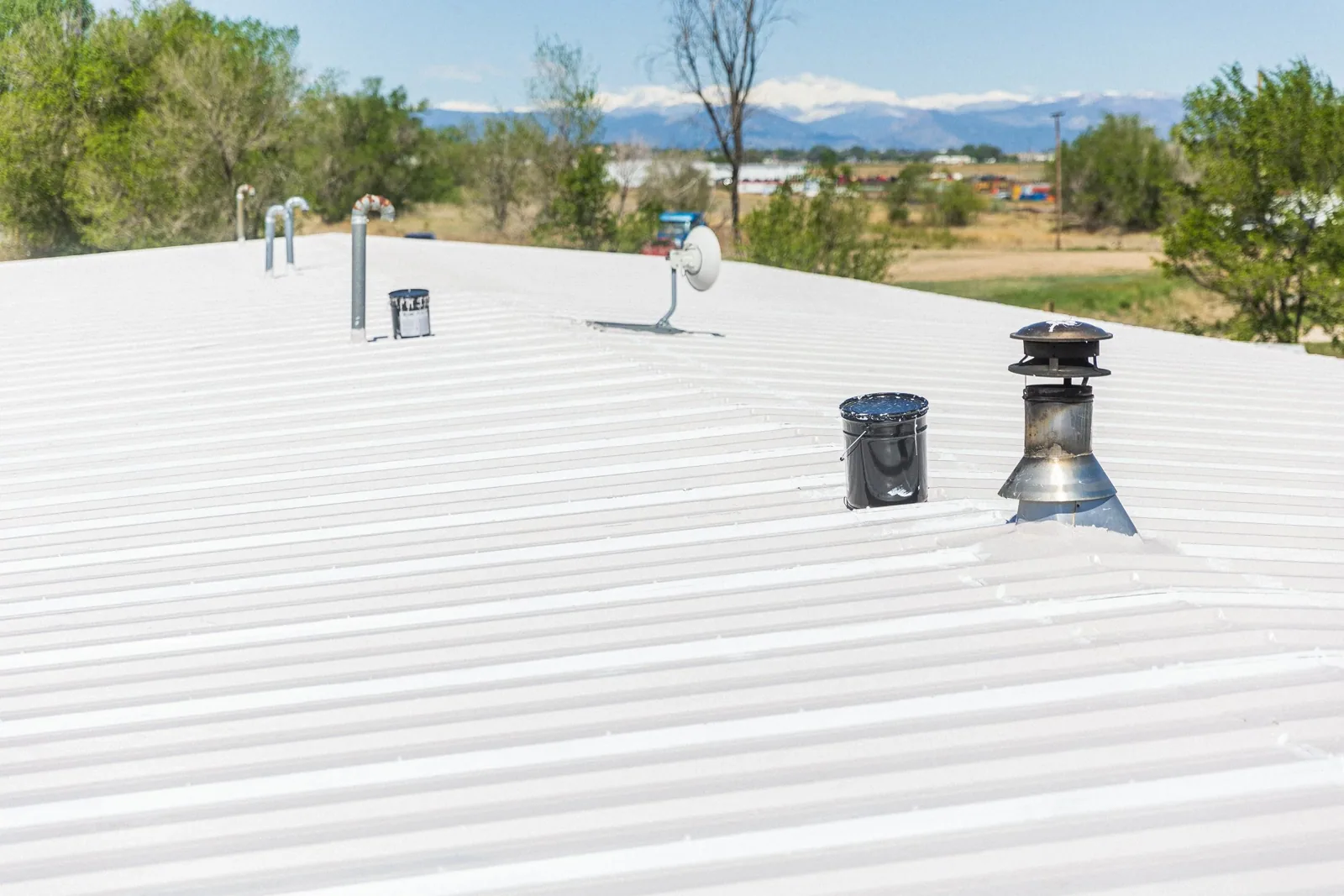
Metal roofs follow a different route. A metal roof retrofit frames over the old roof on sub-purlins or clips and leaves the old membrane in place under the new panels. That approach changes the roof profile and the parapet heights, so we check the flashings, gutters and rooftop equipment curbs before the framing goes in.
Flashings, Drains and Height Changes
Adding a layer raises the roof surface. That change moves every flashing termination, drain sump and curb height. At a drain, the new membrane must slope into the sump without a lip that holds water. At a wall, the base flashing must still stand tall enough to stay above the surface. When the existing flashing is too short, we extend it or replace it.
These details are where recover jobs fail most often. Rooftop units on low curbs may have to be raised. Scuppers may have to be reset. Edge metal almost always has to be replaced, because the old edge is lower than the new surface. We list every height-sensitive detail on the plan before pricing, so the cost of each is visible before the owner signs.
Installation in Kingsport Weather
Kingsport averages about 45 inches of precipitation a year, spread over roughly 133 days, so we schedule recover work in sections that can be dried in before the end of the shift. The old roof under a recover is protected only while the new surface is complete, so sequencing is the main weather control. Temperature extremes, from a record low of minus 18 F to a record high of 104 F, affect adhesive curing and membrane handling.
County storm warnings mention gusts to 60 mph and hail. A recover with loose edges is exposed to wind, so perimeter fastening and edge metal are completed early in each section, not left for the end of the job.
Where Recover Work Fits in Kingsport
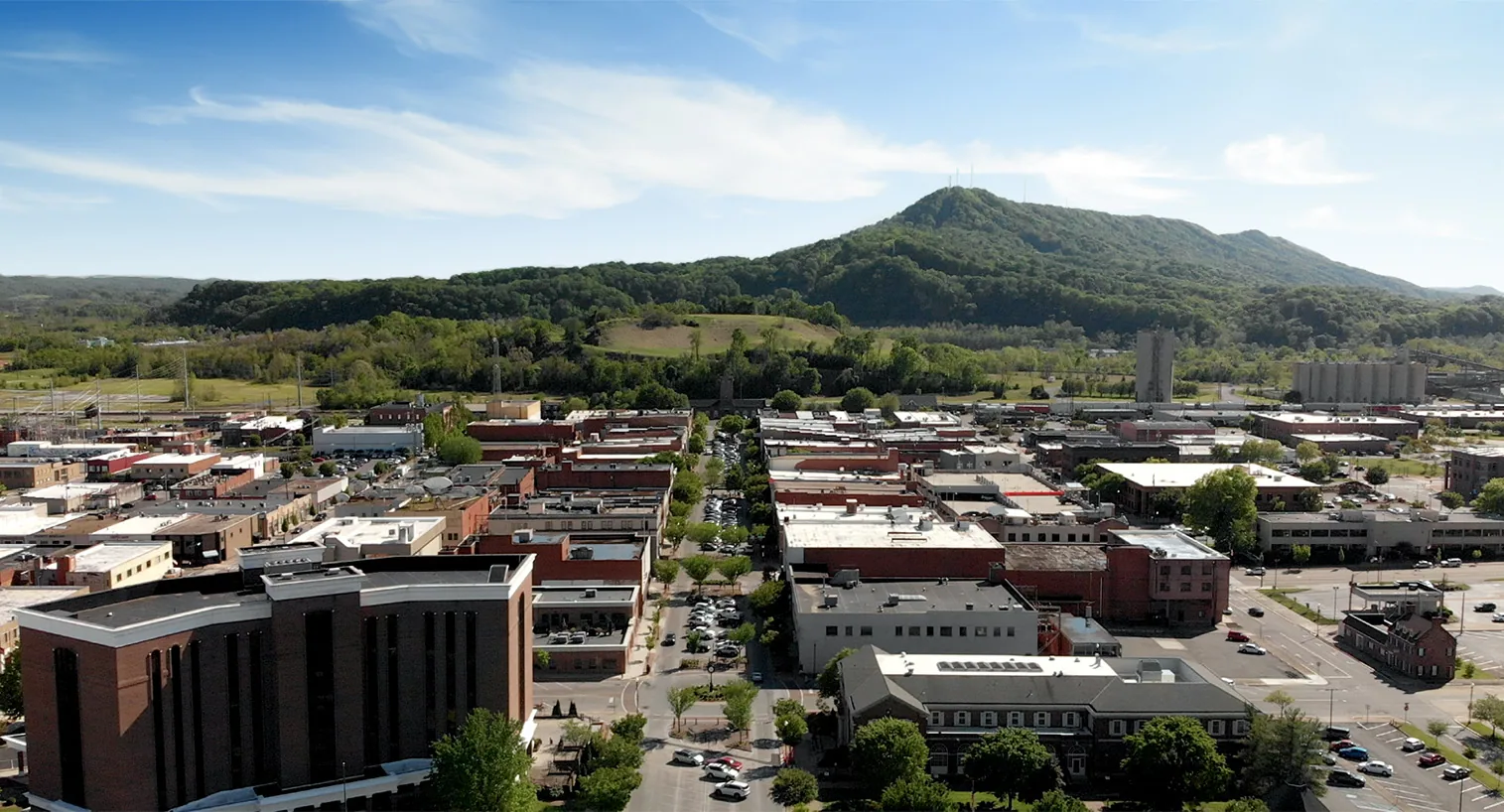
Recover work is common on large, simple roof areas where the existing system is sound. A shopping center along Stone Drive, with Kingsport Pavilion and neighboring retail pads, may be a candidate when core cuts come back dry and the tenants need the stores open. Along Fort Henry Drive, the Fort Henry Mall owner has invested over $5 million and has five active projects underway, including renovation of the former JCPenney space and two outparcel developments, the kind of multi-project schedule where roof work has to be sequenced with other trades.
Industrial buildings in the Phipps Bend park or near West Stone Drive may combine a recover with new edge metal and drainage work. A planned commercial roof repair may be the better step where only a section of the roof has failed.
Commercial Roofing Questions
How do you know the old insulation is dry enough for a recover?
We combine a scan with physical cores. The scan finds suspicious areas, and the cores confirm whether the insulation is wet, damp or dry. We also inspect the deck from below where access allows. If the cores show saturated insulation in a zone, that zone gets cut out and replaced, and the recover proceeds over the dry remainder.
Does a recover affect the roof warranty?
The membrane manufacturer sets the terms, and those terms depend on the existing roof's condition and the cover board used. We select a system and an assembly that the manufacturer accepts for recover work, then submit the project details for the warranty terms the manufacturer is willing to issue. Nothing is promised until the manufacturer approves the assembly.
Why would a roof with two layers need a full tear-off?
Code limits the layer count, and the deck has a weight limit. Beyond that, two layers hide more problems: trapped moisture, deck rust and damaged flashings. Removing both layers gives access to the deck and lets the crew correct what lies under the old system. A tear-off also restores the full insulation value, which a recover cannot always do.
Can rooftop equipment stay in place during a recover?
Often it can, but the curbs and supports have to be raised to match the new roof height. We coordinate with the mechanical contractor to lift units, extend curbs and reconnect lines. When equipment is heavy or the lines are rigid, we phase the work around a scheduled shutdown, which keeps the building comfortable and avoids emergency repairs.
What does a recover cost compared with a replacement?
A recover usually costs less because it skips tear-off and disposal, but the savings narrow when saturated insulation must be removed or when edges, curbs and flashings need replacement. We price each height-sensitive item separately, so the proposal shows the real difference between the two paths for your building, not a generic discount.