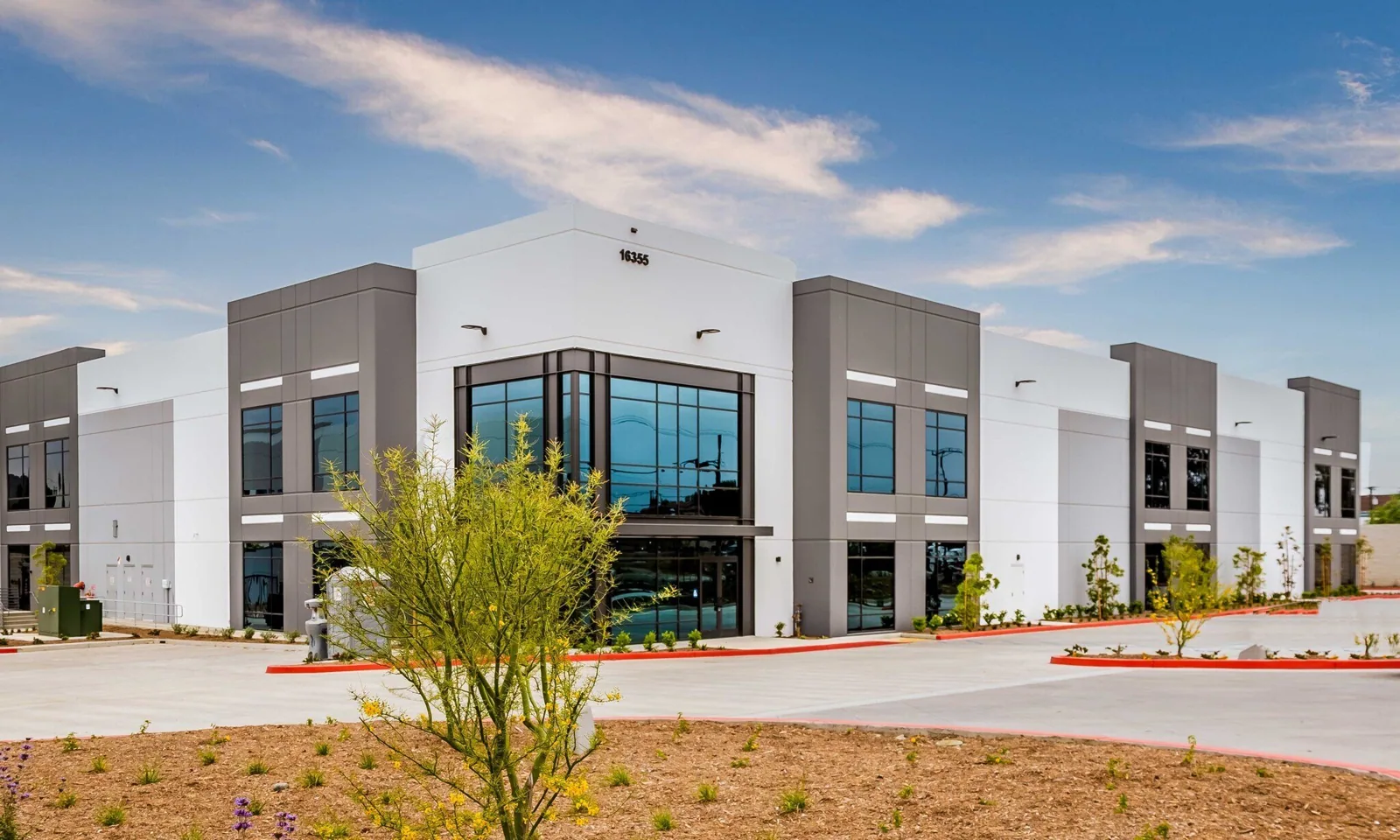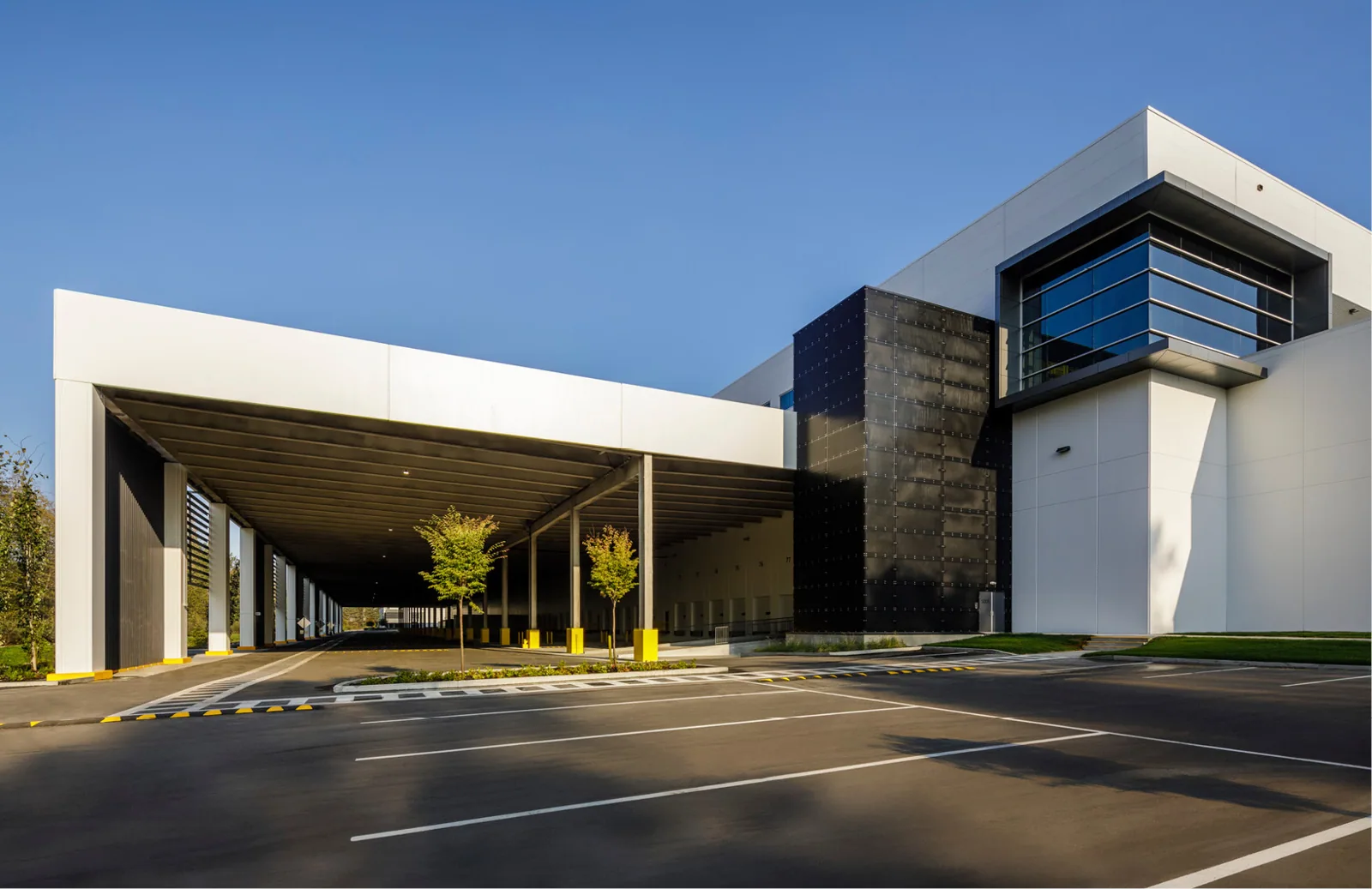
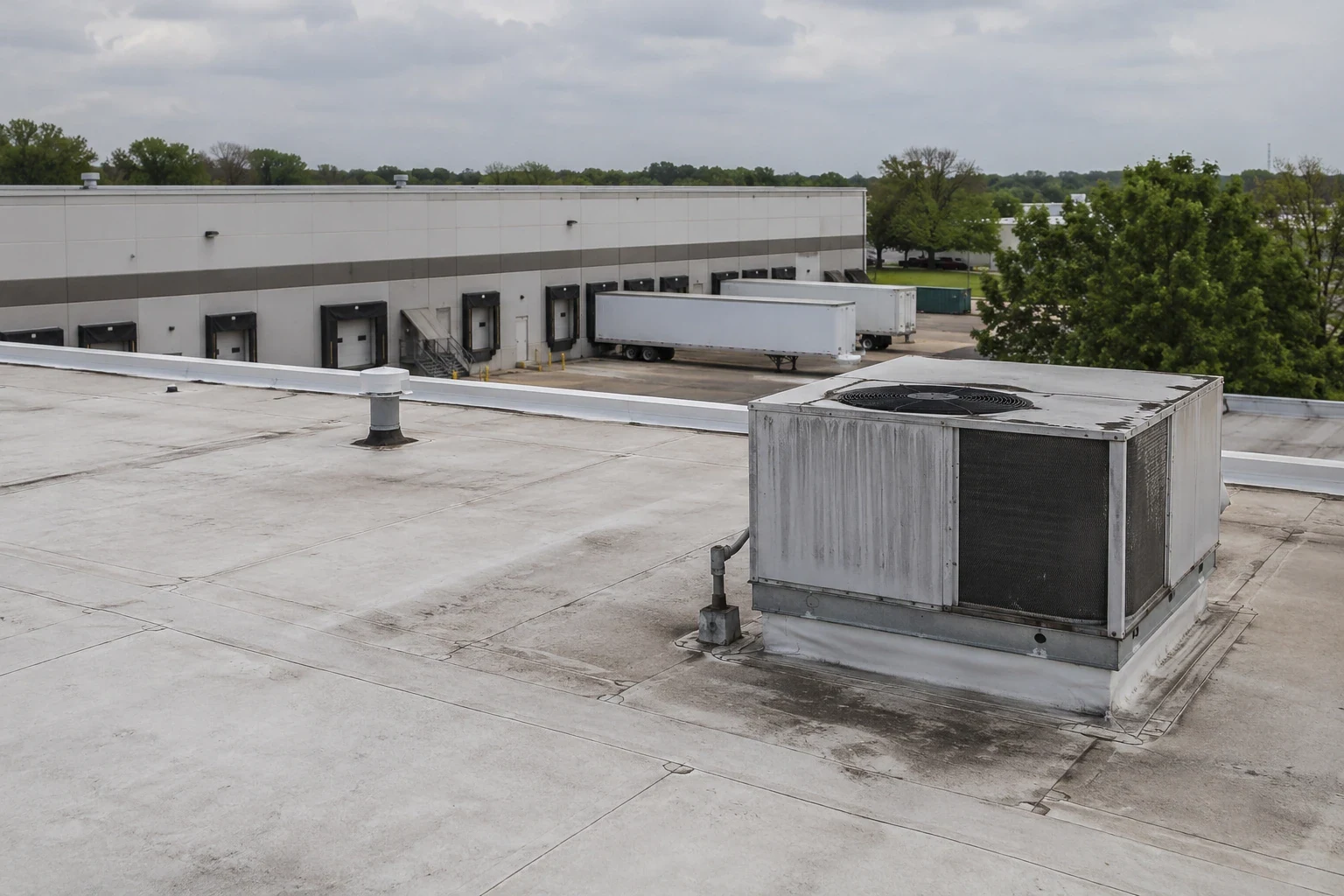
The dock calendar comes first on a distribution roof. Before anyone picks a membrane, we ask which doors run which hours, where trailers stage and when the busiest weeks fall. Those answers decide where the laydown area goes, which side of the building the crane picks from and how the night shift is used.
Logistics and 3PL operators in Kingsport, TN work in buildings with big roofs and few quiet hours. We write a phasing plan that fits the work around the doors, so receiving and shipping keep moving while a section comes off and another goes down.
What Comes Before the First Section Opens
Four items are settled first. The dock calendar with peak weeks marked. The gate procedure for the crew and the trucks. The fire lane layout and sprinkler riser locations. The roof access points, including how a lift reaches the deck.
With those in hand we draw the haul route so delivery trucks never share a lane with trailers, and we set the laydown area in a corner that does not block a door. The plan goes to the operations manager for sign-off, and tenants who share the building with a manufacturer get the same copy.
The sprinkler risers and fire department connections are marked too. Roof work near them follows the fire marshal's rules, and the plan notes where hot work is allowed and where it is not.
Access, Staging and Crane Picks at a Working Dock
A warehouse yard is tight on the best day. Material trucks arrive on a schedule, the crane picks happen in the first hours before trailers stack up, and the staging area is fenced so forklift traffic keeps clear. Debris leaves by chute into a container that is swapped on a fixed time.
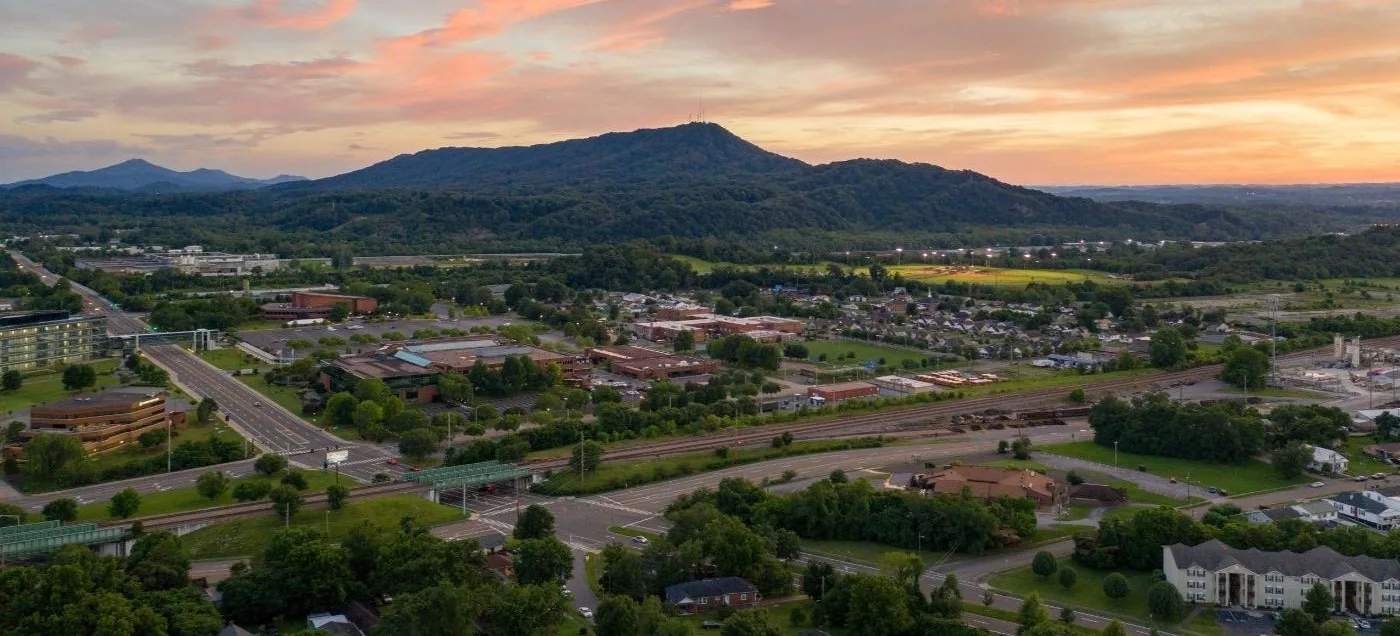
U.S. 11W and U.S. 23 intersect in Kingsport, and I-26 ends at the city's northwest edge. We choose the roof delivery route from those arteries to the gate, and we ask the operator for gate times that match it.
Rail-served sites need another check. Norfolk Southern serves Phipps Bend Industrial Park, and a site with rail sidings has a fixed schedule for switching moves. Crane picks and lifts are kept clear of the siding while a move is underway.
Trailer drop yards need clear sight lines for the crane spotter. We walk the yard with the gate guard, agree on where trailers will be parked on pick days and mark those spots on the plan.
Sequence of Work Over Live Racking
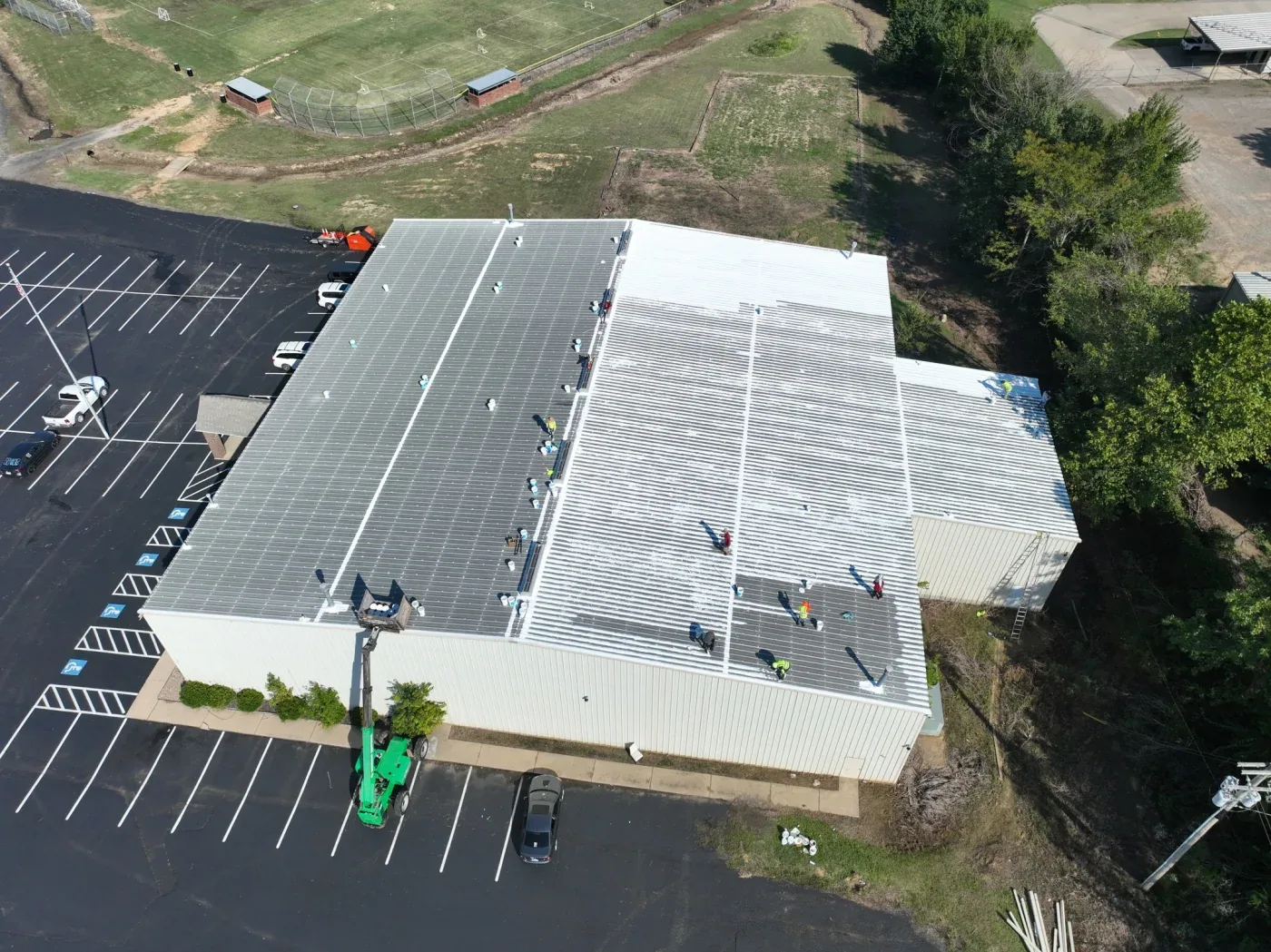
The tear-off sequence runs section by section, starting at the end of the building farthest from the loading doors. Interior protection goes over racking aisles beneath open cuts. Every section is closed against weather before the shift ends, and the operations lead walks the interior before the crew goes home.
Roof-mounted equipment, skylights and smoke vents are flashed at the end of each section so they never stand open overnight. A distribution center roof plan lists each penetration and the handoff between day and night crews.
Material moves up in the order it will be laid. Insulation boards, cover boards and membrane rolls come to the deck in the morning, and anything not laid by the end of the shift is covered and strapped down.
Phasing Around Peak Weeks and Night Shifts
Peak weeks are off limits for anything noisy or disruptive. We place the largest sections in the weeks before and after and use short windows between for smaller repairs. Night shift work is an option where daytime traffic is heavy, with lighting, noise rules and safety coverage in place.
Land for new logistics space is being prepared in the region. Technology Park II, at 4509 West Stone Drive on former Holston Army Ammunition Plant land, is a shovel-ready park reached from I-81 and I-26, and the city reports a 160-acre industrial park planned on the western end of town that could host warehousing. Operators moving into new West Stone Drive space can take a roof plan that is ready on day one.
Piney Flats and the Tri-County Industrial Park, assembled from seven tracts totaling 780 acres with 750 sellable, show how much industrial ground sits along U.S. 11E in Sullivan County, though that park was built to attract large manufacturing. Near the airport, Blountville and Airport Parkway had three large parcels under contract in the March 2023 update. Operators in new space like that have the advantage of a clean roof plan from the start.
Seasonal inventory changes the picture too. A building that carries extra stock in the fall can lose floor space to protection, so the plan checks with the operations lead which aisles are full and which can take overhead covers.
Inspection, Permit and Prequalification
A roofing permit is needed here for any new roof or reroof, filed with stamped plans and a PDF copy. The Building Department checks them against the IBC and the IECC. Operators often add their own insurance and safety prequalification, and the owner's investment team may add one more, so we send everything as one package and no single approval holds up the start.
Weather Windows for Large Roofs
Rain is frequent here: about 45 inches over roughly 133 days a year. A big roof cannot be opened in stages without a forecast, so each morning brings a go or no-go call and an open area capped at what the crew can close. Dark membrane in July, with highs of 104 F on record, calls for early starts and shaded breaks.
Rolls and loose materials come off the roof whenever NWS Morristown posts a warning naming 60 mph gusts and hail, and the operations manager gets a call.
Closeout and Punch List
Each section is signed off by the operations lead after a walk of the deck and the interior. The folder that follows lists the as-built drawing, the manufacturer's data, the warranty and the permit.
A skylight curb waiting on a delivery, or any other loose end, sits on the list with a date and a name attached.
Commercial Roofing Questions
How should a 3PL schedule roof work around peak season?
Reserve the largest sections for the weeks before and after peak, and keep peak weeks to emergency protection only. We recommend locking the dates a quarter ahead so material arrives on time and the crew is not competing with seasonal staffing.
Can the roof be replaced while the dock keeps running?
Yes, with the staging and hoist on the side away from the doors, interior protection over racking and a dry-in at the end of each shift. The plan should name the person who can stop work if a trailer or forklift needs the area.
Is night work practical on a logistics roof?
It is, with lighting and noise controls. We recommend night shifts for sections near busy doors, with a written handoff between crews so the day team knows what was sealed.
What approvals does the city require?
A roofing permit with stamped plans and a PDF. Above $25,000 the roofer also needs a Tennessee state contractor license and insurance on file. We start the submittal while materials are ordered.
How do you protect racking and inventory below?
Overhead protection goes up before each cut, and the cut is limited to what can be closed that day. We recommend a walk with the operations lead at the end of each shift to confirm the area is dry.
Does a recover reduce disruption?
It can, because there is no tear-off debris and less noise. A recover needs a sound deck and dry insulation, so we recommend sample cuts first. If the samples fail, the plan switches to a tear-off.