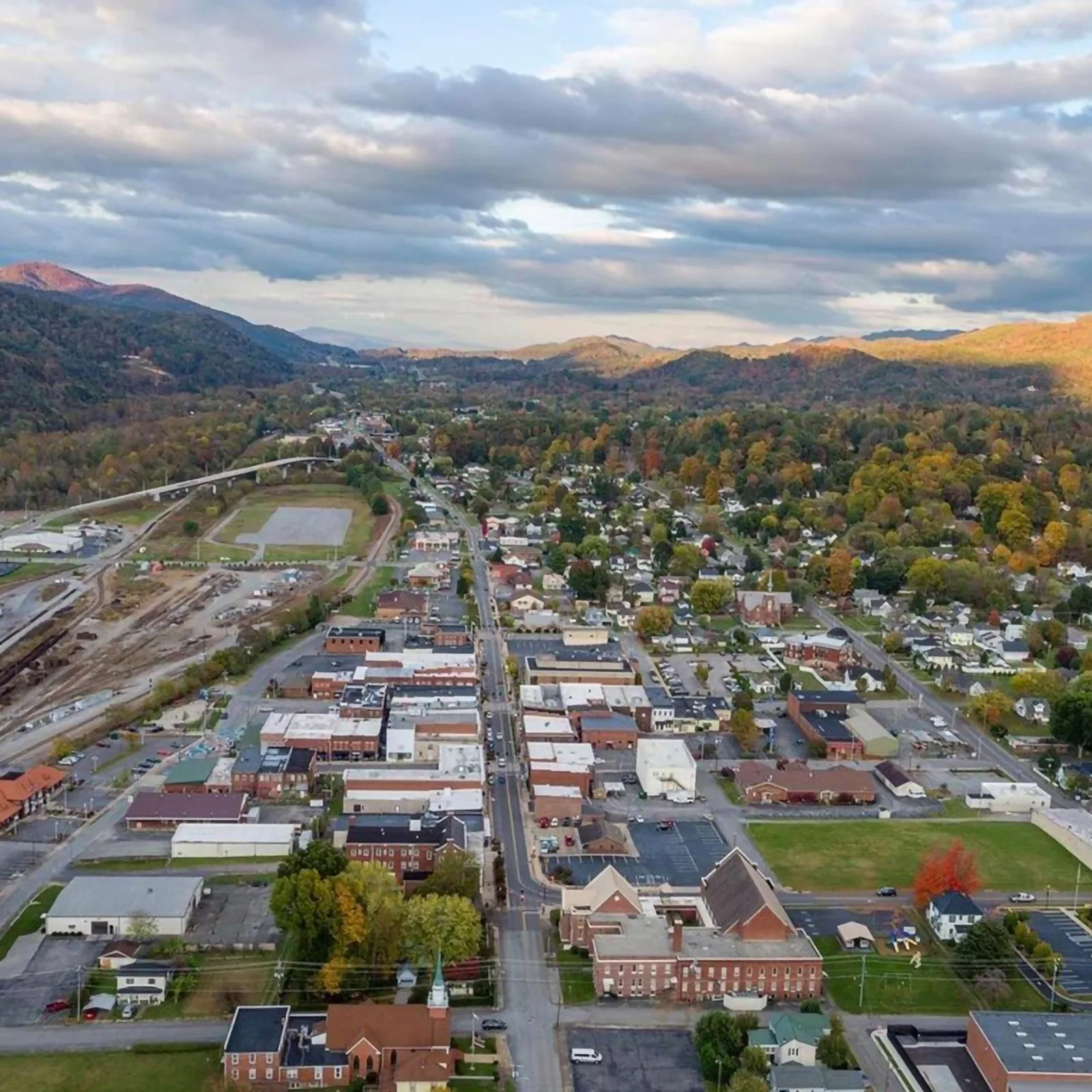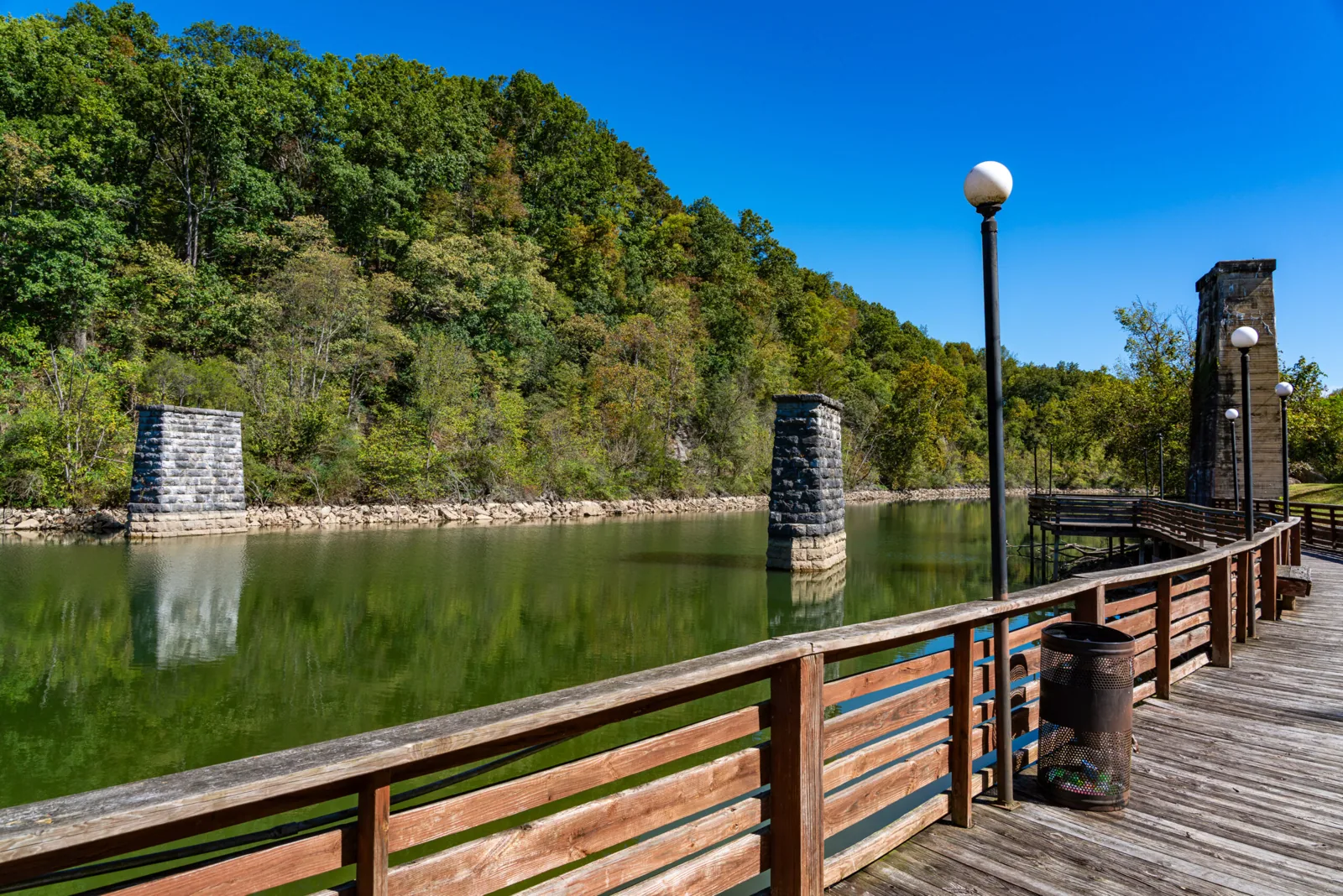
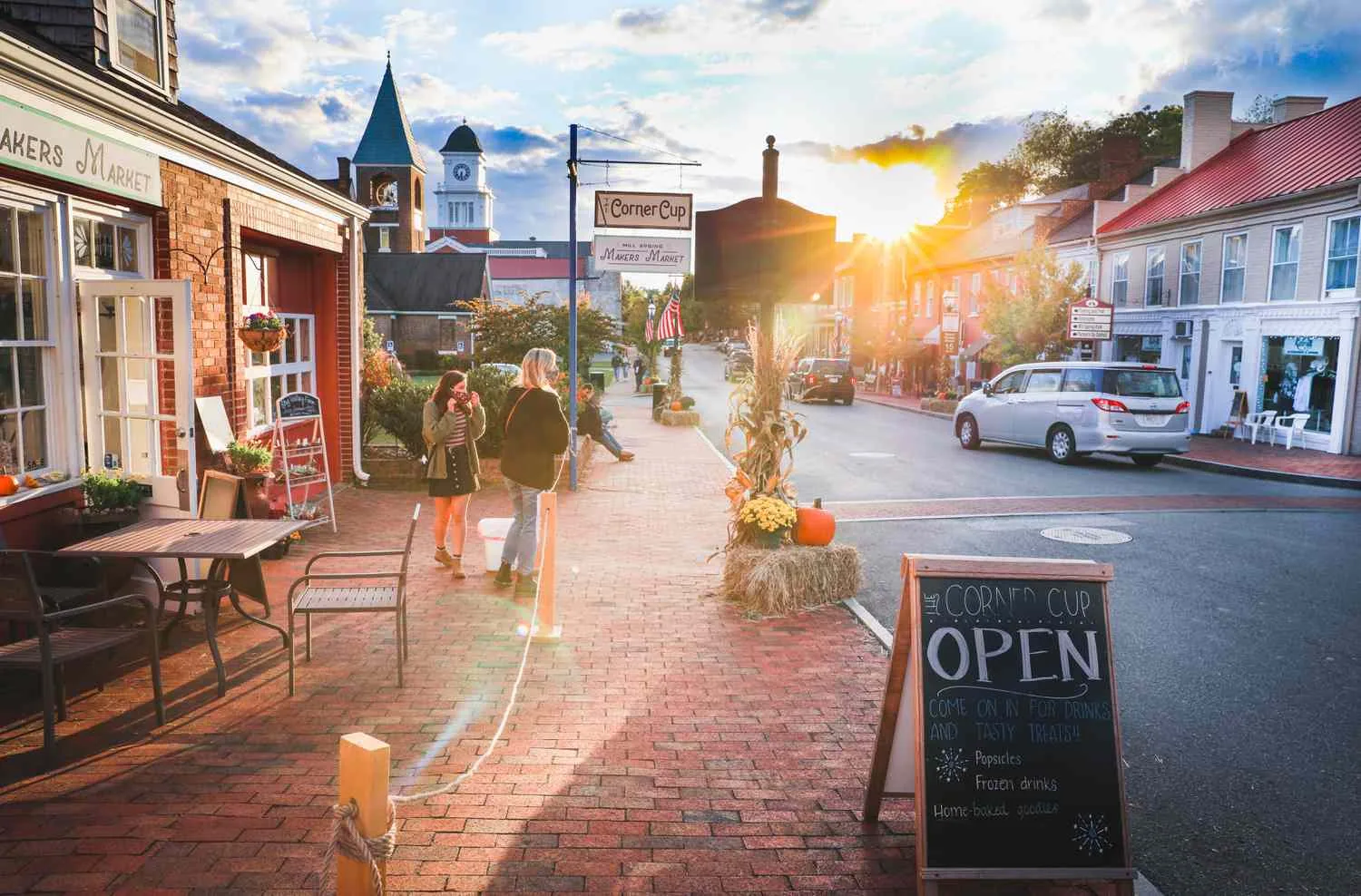
Access to a Blountville roof starts with the question of who governs the parcel. Blountville is the Sullivan County seat, and it is also Tennessee's only unincorporated county seat, so building rules, utility connections and road permits can come from the county rather than a town hall. Before a crew is booked we learn which office issues the roofing permit, and then we lay out the haul route, the crane pick and the laydown area to suit.
Commercial roofs here run from county offices and professional space to sites along Airport Parkway and the suppliers that gather near the regional airport. Each owner has a different operating rhythm, so the phasing plan is written to the building rather than to a template.
Haul Route and Laydown Along Airport Parkway
The Tri-Cities Regional Airport sits in Blountville beside Kingsport, with an 8,000-foot main runway and roughly 454,000 passengers in 2024. Traffic near an airport follows its own pattern, so we plan truck arrivals outside the busy hours and keep the crane boom clear of any restriction the owner or the airport authority identifies. Along Airport Parkway, three large parcels and one small lot were under contract in the city of Kingsport's March 2023 update, and any building that rises on those lots will need its roofing sequenced behind the structural and envelope trades.
Laydown on those lots is easier than downtown, because there is room for a staging pad. The constraint is usually the drive aisle, so we mark the haul route and keep material off it overnight. If a neighboring tenant needs the aisle during a shift change, the crew pauses deliveries and resumes after the traffic clears. We also agree on a place for the dumpster that does not block fire access, and we confirm with the owner who will move a vehicle if the crane needs a larger footprint. Once the roof is open, a laminated map of the access points goes on the gate so the next trade does not guess which ladder or hatch to use.
Sequence of Work on a Low-Slope Commercial Roof
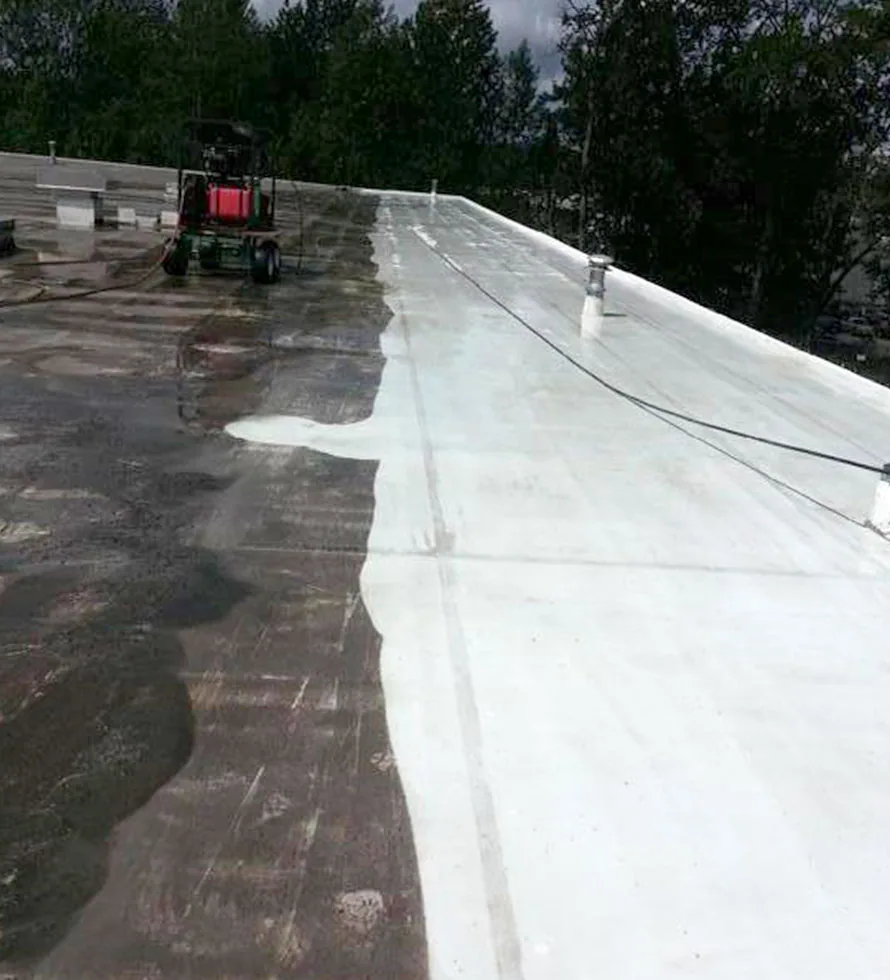
Each job in Blountville moves through the same order. First comes the survey, with photos of the field, seams, flashing and drains. Next comes the scope, which names the system, the insulation, the cover board and the edge metal, and it states what happens if the deck is found soft once the old roof is off, so a hidden repair is priced by the square foot before it is needed. Then the permit submittal goes in while materials are ordered. Tear-off proceeds in sections, each dried in by the end of the shift, and each tie-in to an existing wall or curb is inspected before the next section opens.
On a large flat roof the sequence usually looks like this:
- Survey and moisture readings before anything is priced.
- Permit submittal and material order placed together.
- Mobilization, hoist or crane pick, and laydown set.
- Tear-off in sections with daily dry-in.
- Flashing, edge metal and drains finished last.
- Punch list and handover file.
Phasing Around Airport-Area and Aerospace Users
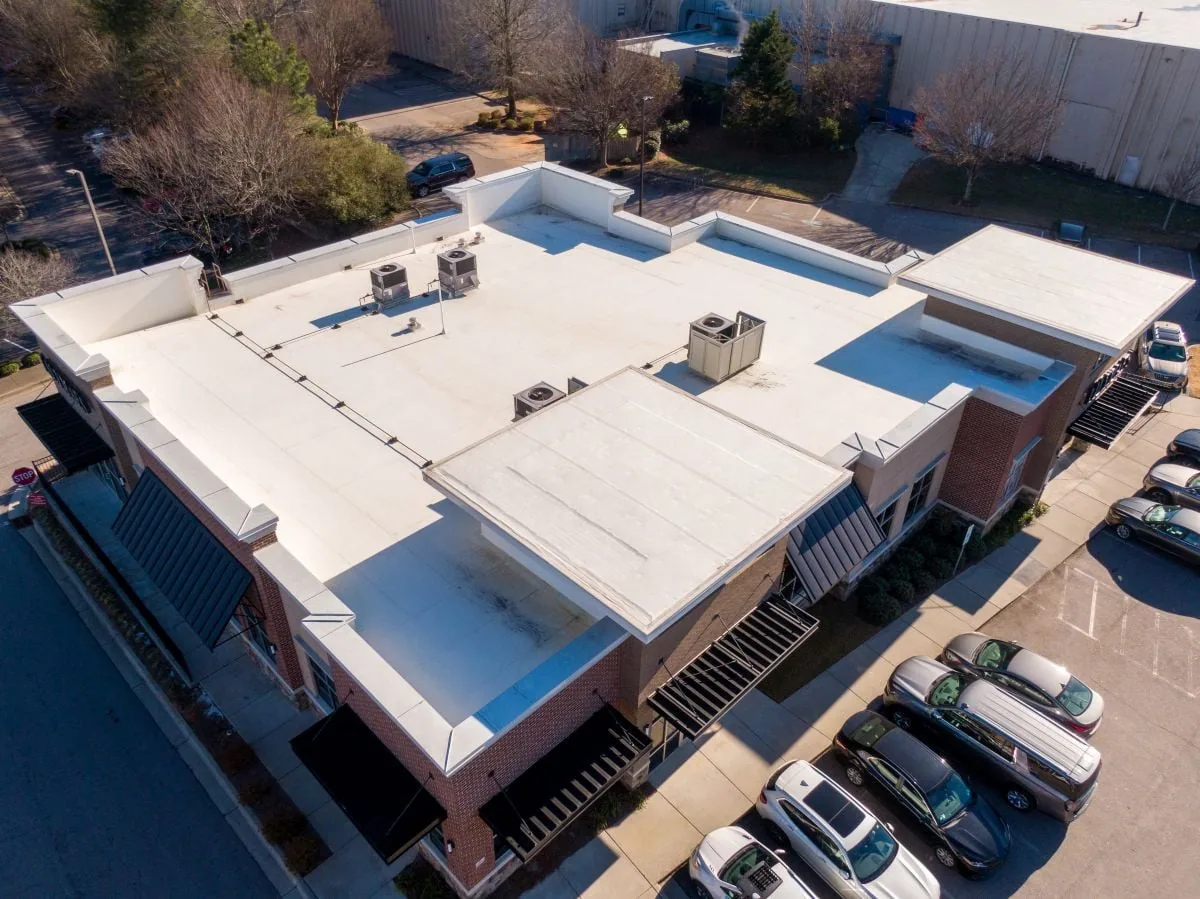
The Tri-Cities Regional Airport authority created Aerospace Park near the airport to draw helicopter-sector suppliers. A supplier operating a shift schedule needs roofing work that does not interrupt production, so we phase the roof over weeks or weekends and agree with the plant manager on access windows. Hot work, if a torch-applied system is chosen, requires a permit and a fire watch, and the choice of system often follows that constraint. A heat-welded single-ply such as TPO avoids open flame, while a cold-applied membrane suits rooms that cannot take fumes.
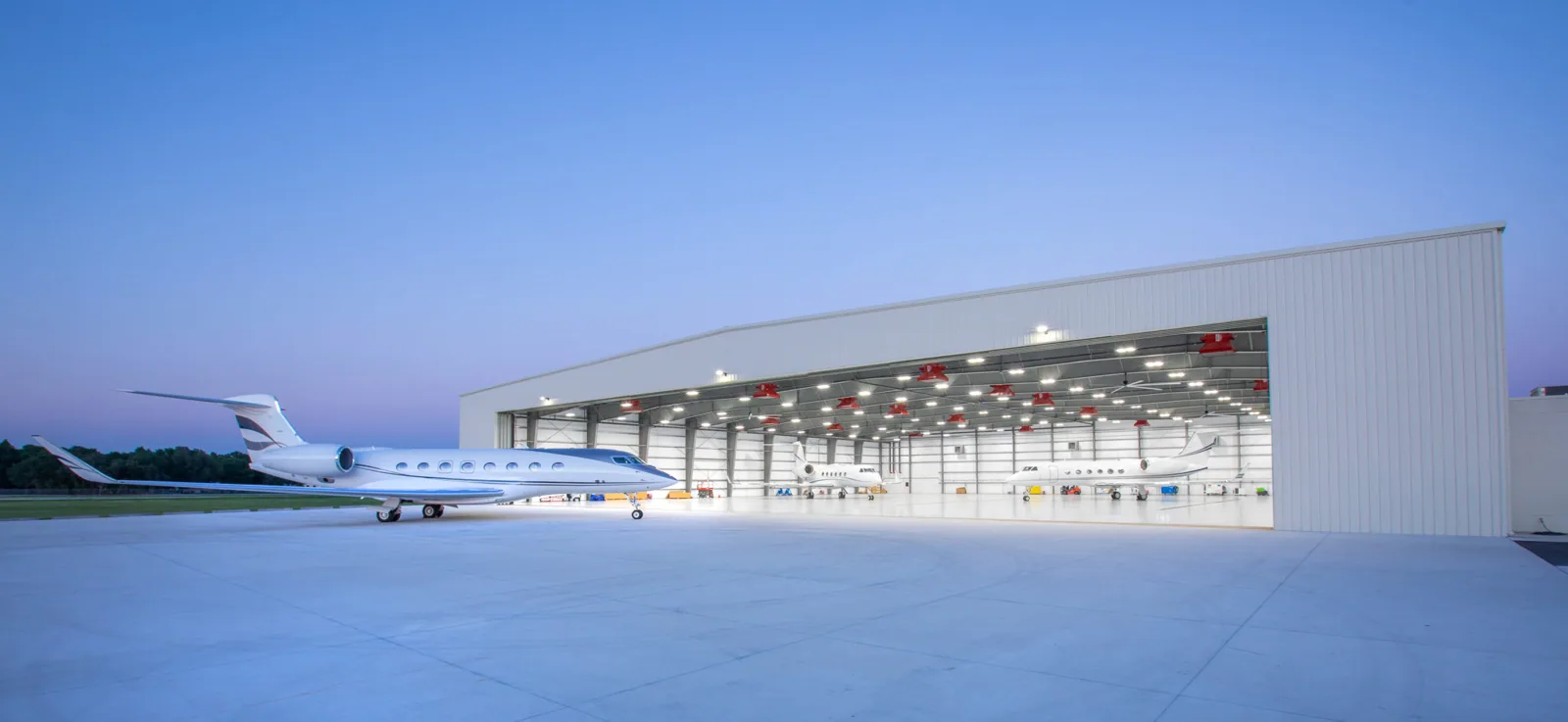
For a hangar-style building with a long clear span, the work is different again, and access and fall protection change again, as they do on any aircraft hangar roof.
County Seat Buildings and Public Procurement
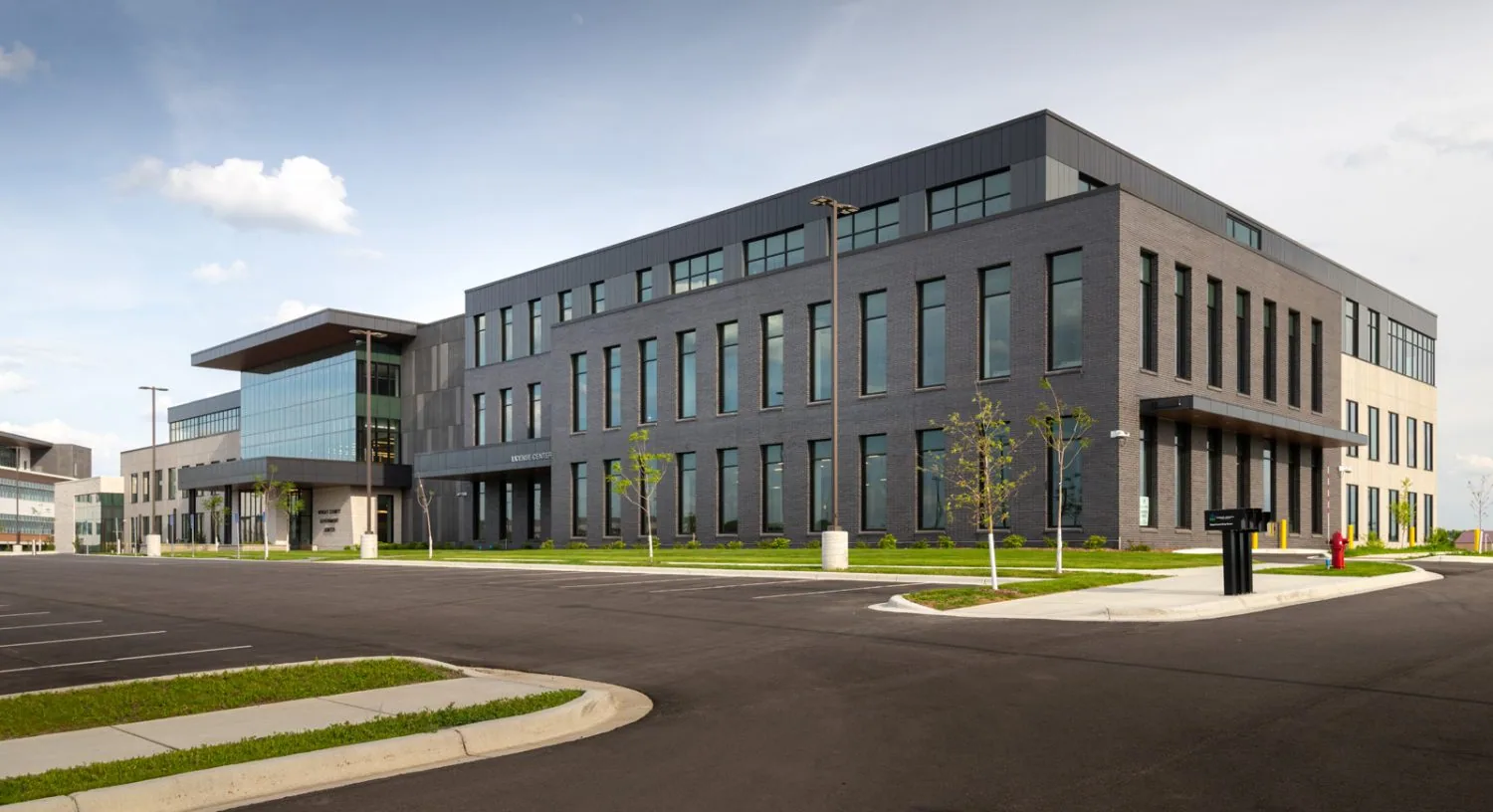
A county seat attracts government offices, records space and professional services. A government building roof is bid on a published scope, so quantities, deck condition and access need to be stated plainly. We deliver the written findings and a price tied to those quantities, so bids can be compared fairly. Public owners also need a closeout file that survives a change in staff, which is why every handover includes photos, material lists and the maintenance steps. Funding often arrives on a fiscal calendar, so we state which items must be done this year and which can wait, with a price and a reason for each. If a roof leaks above records or equipment, an emergency dry-in goes first and the permanent scope is written afterward, so the building is protected while the paperwork moves.
Weather Windows for the Schedule
A short drive away, Kingsport receives about 45 inches of precipitation over roughly 133 days a year and has seen temperatures from minus 18 F to 104 F. That swing stresses membranes and flashings, and the schedule carries buffer days for rain. Thunderstorm warnings for Sullivan County have named 60 mph gusts and hail, and damage to roofs and siding is on the list of likely effects. Edge metal, fastener pattern and ballast or adhesive choice follow from that exposure.
The county has recorded four tornadoes in its history, the latest an EF1 in 2014, so hail and straight-line wind shape the design more than twisters do. After a storm, a storm damage repair starts with a dry-in and a photo record for the carrier. On a membrane, we look for lifted laps, torn flashing and displaced edge metal first, since those are the details gusts reach before the field does. On a metal roof, we check panel laps, clips and fasteners, because hail dents and loosened screws are easy to miss from the ground.
Closeout, Punch List and Handover
The punch list covers sealant, terminations, walk pads, drains and the lot itself, and nothing is signed off until the crew has swept the parking area and checked the downspouts for loose debris. Once it is cleared, the owner gets a written file listing the system, the repair record and the maintenance calendar. At handover we climb the roof with the facility manager and point out each drain, the way to check it and the signs that call for a phone call. When an owner manages property across the county, the same file format carries to a second building at Sullivan Gardens or Bluff City.
Commercial Roofing Questions
Who issues the roofing permit in Blountville?
The answer depends on the parcel, since the community is unincorporated. We confirm with the county before the submittal, then prepare the package with the owner's information and the stamped plans the reviewer expects.
Can roofing work near the airport run during operating hours?
Most work can, with the crane and truck schedule set around busy periods and any height restriction the owner passes on. We ask for the contact who can confirm those limits before the crane date is fixed.
What roof system avoids open flame?
Heat-welded and mechanically fastened single-ply sheets involve no open flame. Where a layered roof is the better match, a cold-applied system removes the need for a hot work permit.
How should a public owner compare bids?
Ask for the same scope, the same quantities and the same stated condition from each bidder. A written findings summary with photos makes that comparison straightforward.
What happens after a hail event?
We dry in the building, photograph the damage and measure the affected areas. Hail bruises on a membrane or dents in metal are recorded with locations so the carrier and the owner see the same record.