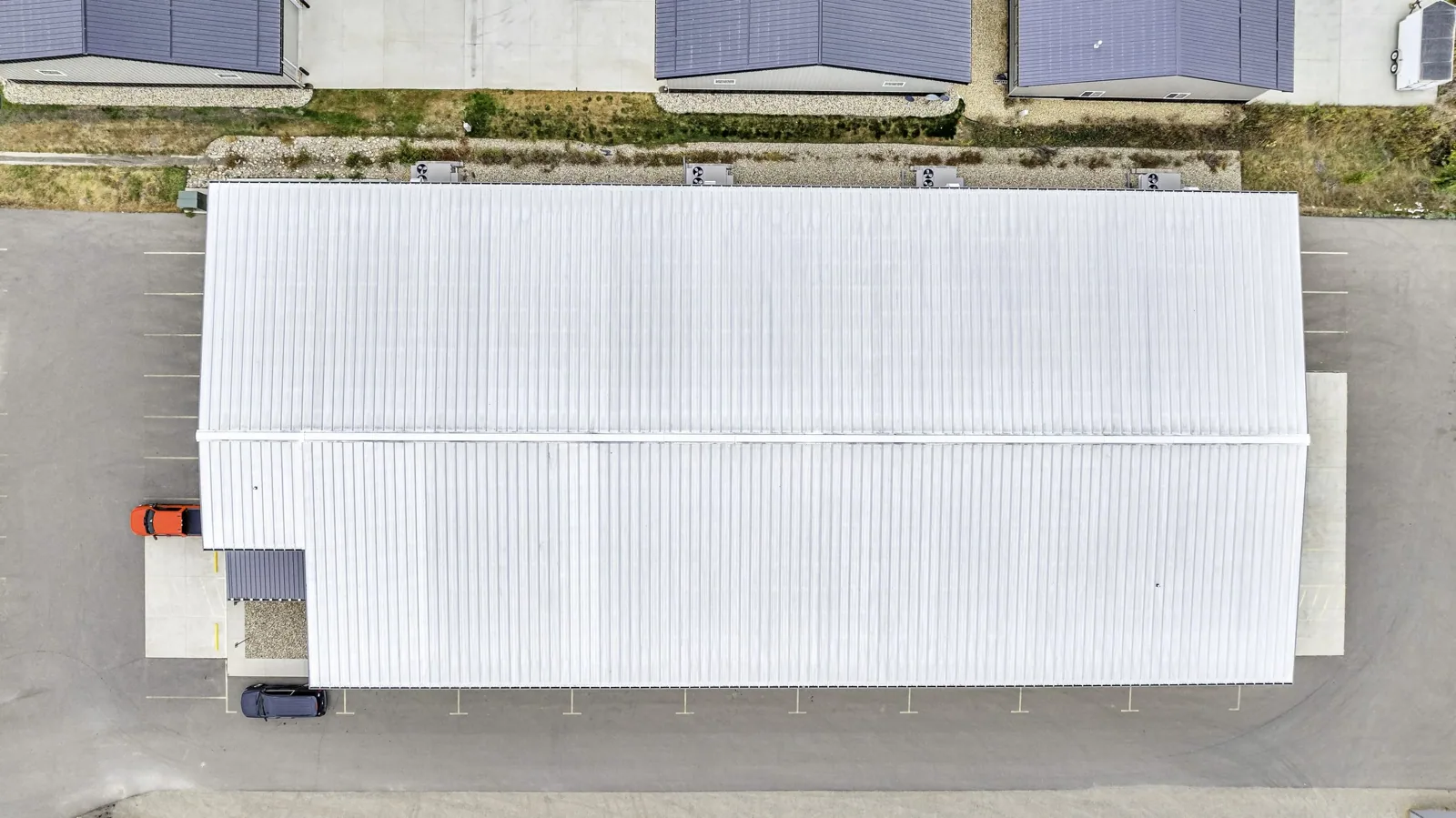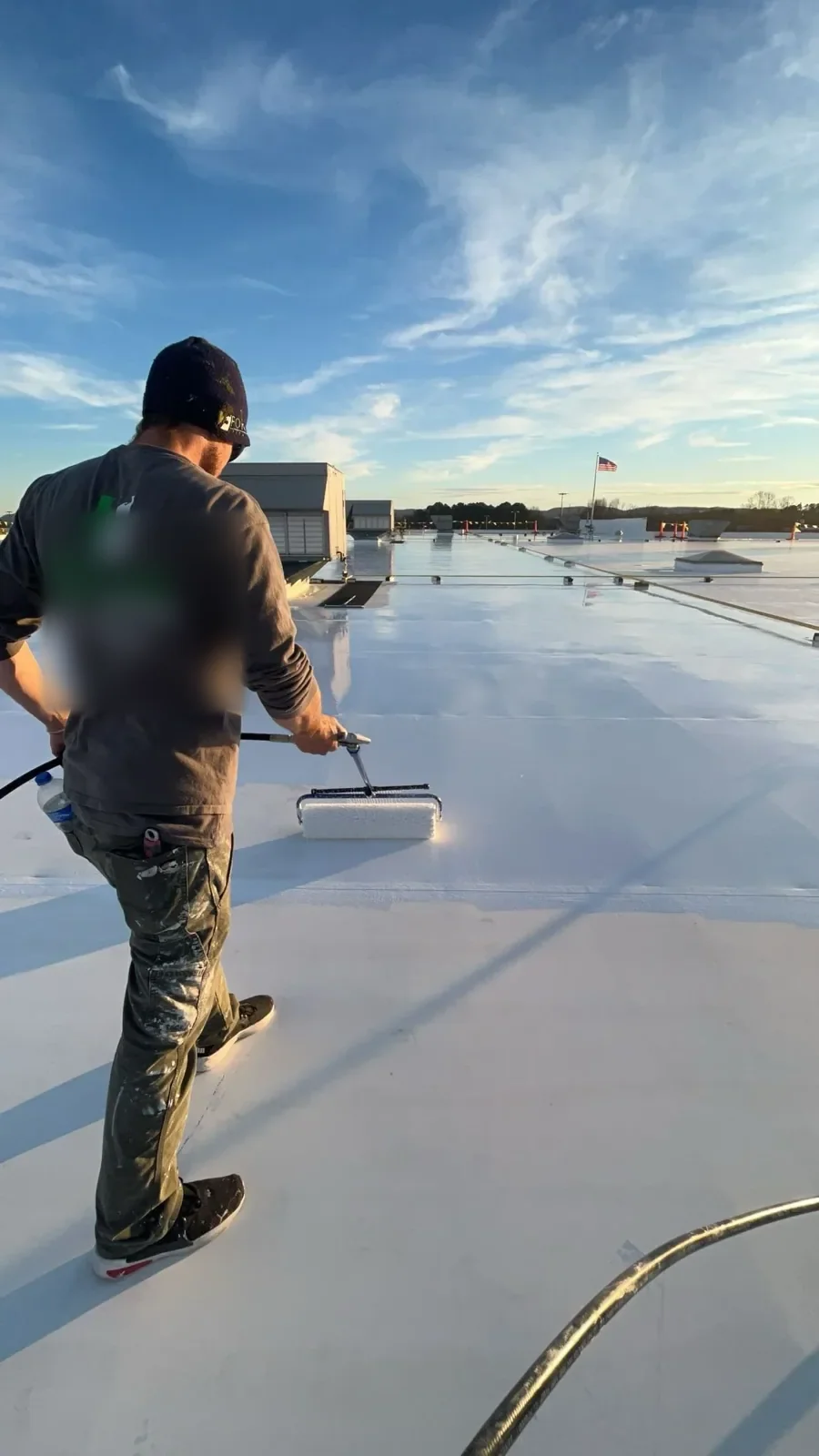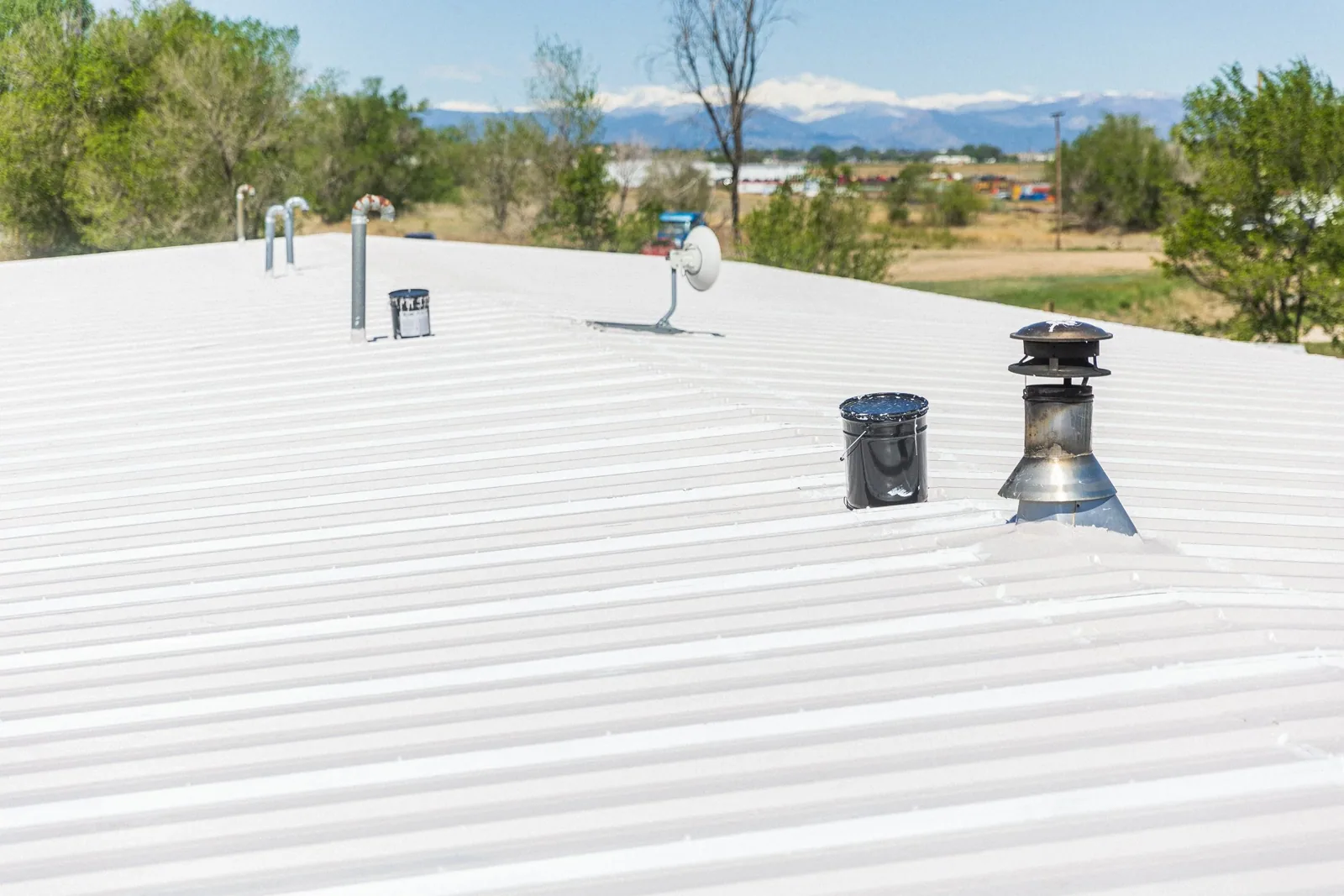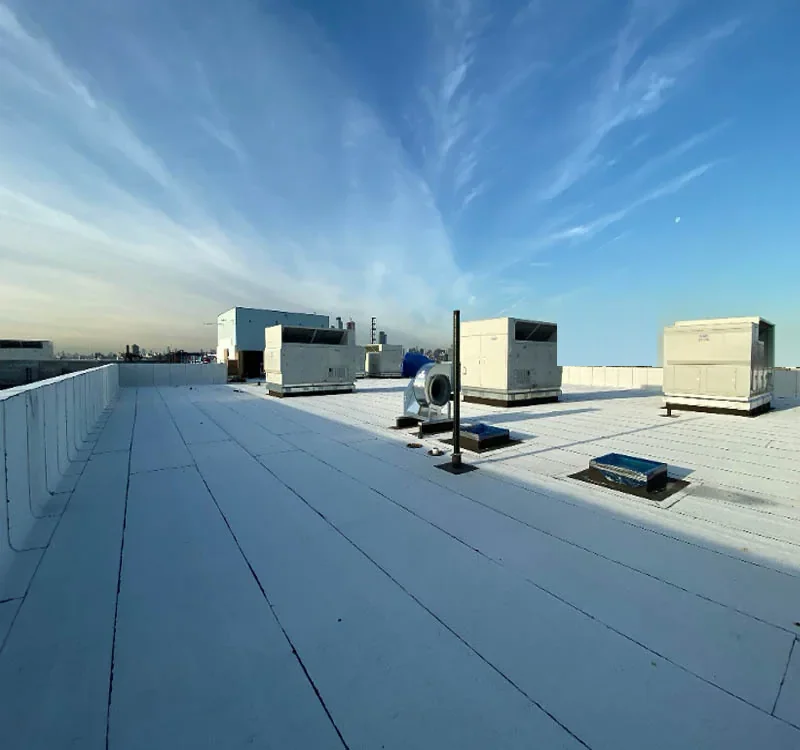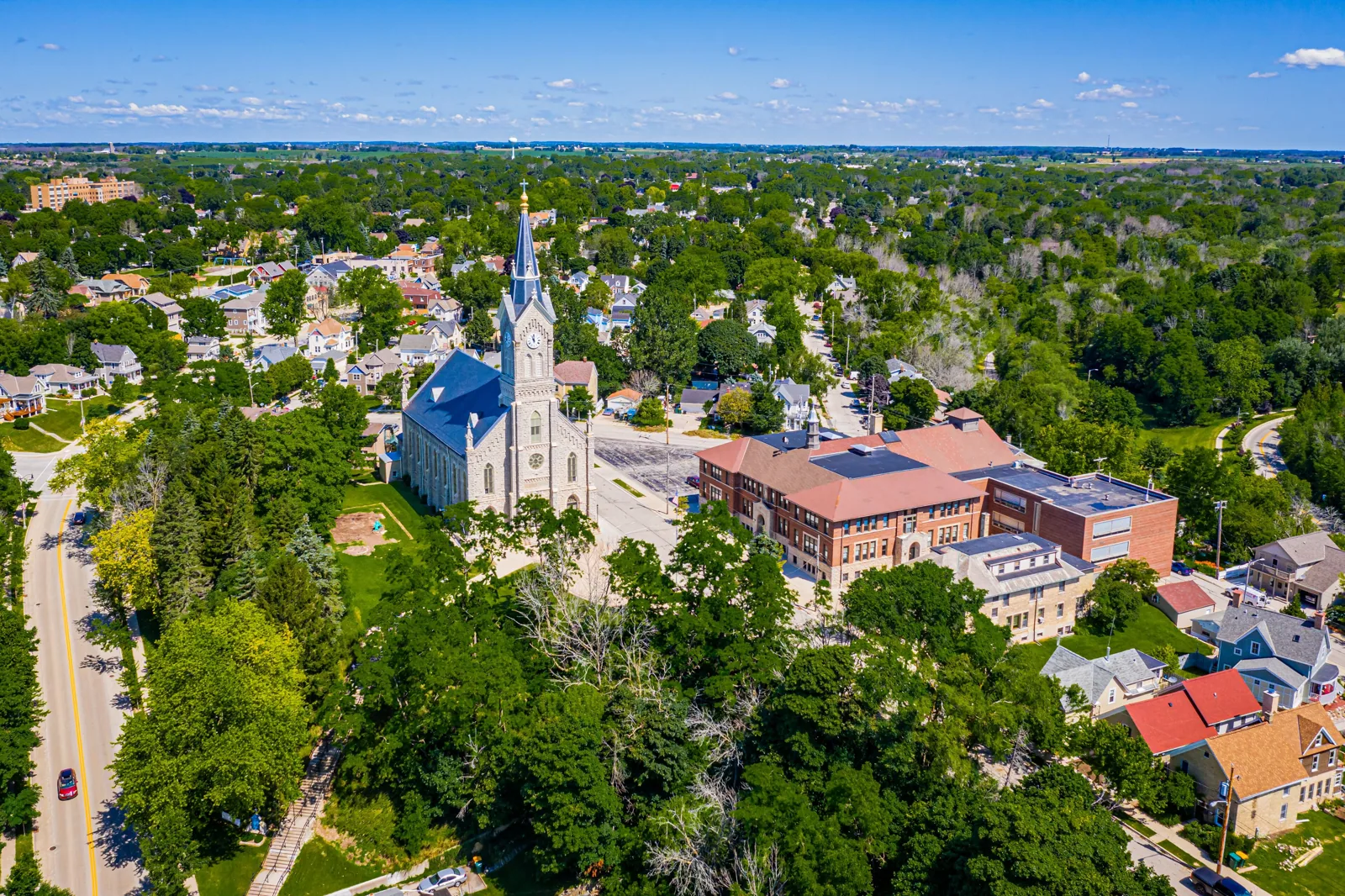
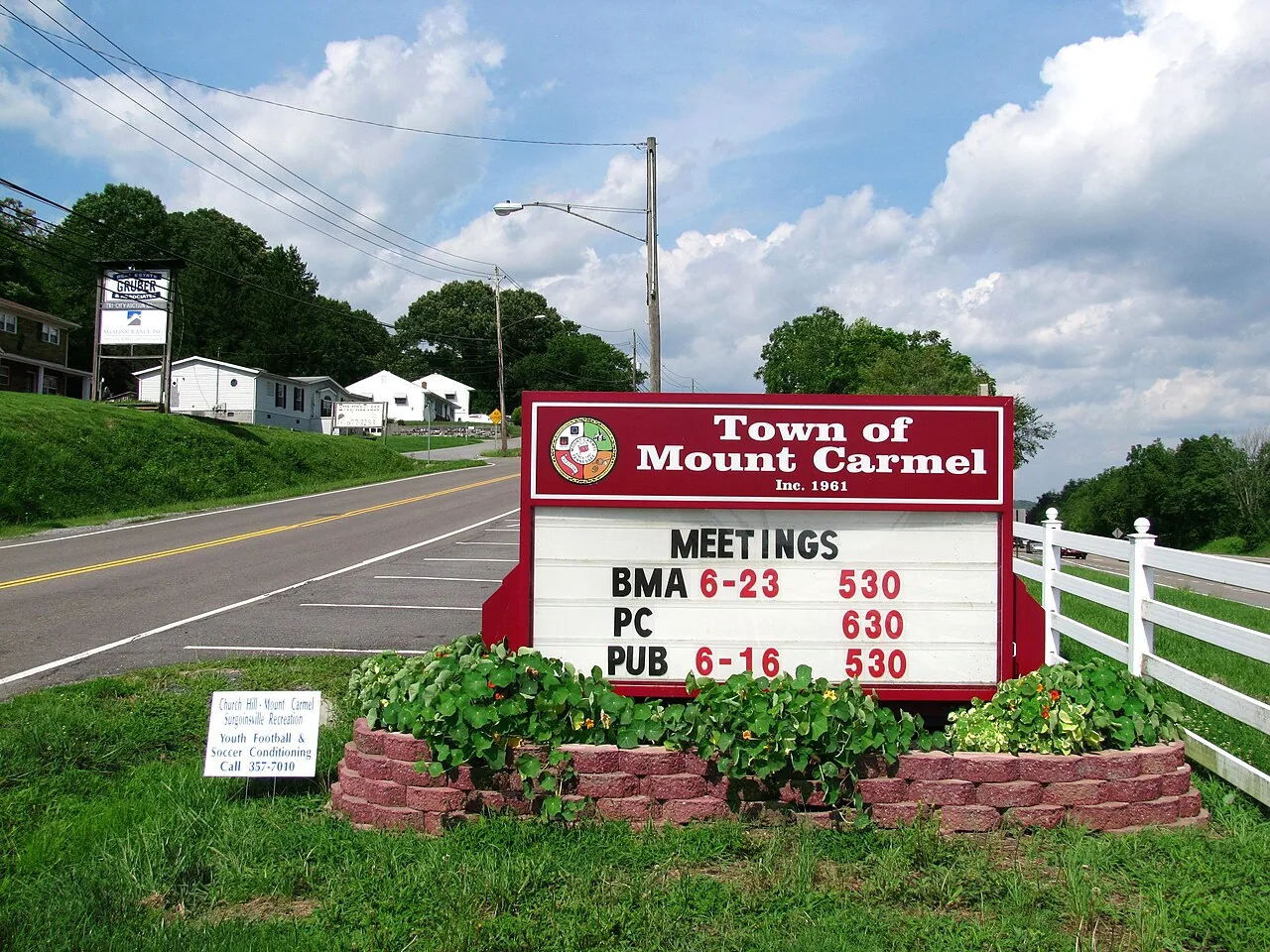
Deciding which other roofs can be done on the same mobilization comes first in Mount Carmel, because the city sits on U.S. 11W between Kingsport on the east and Church Hill on the west, and a crew that is already on the road should not make a second trip. Mount Carmel is a Hawkins County city of 5,473 residents at 1,365 feet, and its retail and municipal services have been outsourced to neighboring Church Hill and Kingsport. We ask the owner which other buildings need a visit, then build one plan for the group.
Grouping is a sequencing decision, and it spreads one mobilization across several owners.
Grouping Roofs Along One Corridor
U.S. 11W links the three communities, so one crew and one material delivery can serve roofs in each. We lay the roofs out on a map, order them by condition and by distance and schedule the work so the crew moves along the corridor in one direction.
For an owner with a single building, the grouping still helps: we ask whether neighbors or related owners have roofs due, and we offer to share the mobilization cost. For an owner with several, the roof plan lists each building in sequence, with its access, its permit and its dry-in date. The same approach, run as a multi-site roof program, stretches from two buildings to a long list.
Material ordering follows the route. Insulation, cover board, membrane and flashing accessories are ordered as one purchase and delivered in the order the buildings will be roofed, so each stop has what it needs and nothing sits in a trailer through a rainy week. We keep a short spares list for each building in case a hidden condition adds quantity.
First Walk and the Findings List
Each roof receives the same first walk: system and layers, seams, flashing, drains, penetrations and signs of earlier repair. Photographs are tied to a plan.
Buildings on a corridor route vary: a municipal office, a church hall, a service shop, a small commercial building. A smaller roof means a shorter walk and a cheaper survey, and fewer places for a leak to hide. We rank each finding by consequence, price repairs separately from replacement and report whether a coating or a recover can extend the roof.
Access to each roof is noted on the first visit. A fixed ladder, a hatch, a roof door or no access at all each has a different cost and a different safety plan. If there is no safe way up, the plan adds a tied-off temporary ladder and edge protection, priced as its own line beside the repair.
Access, Staging and Haul Routes
Mount Carmel sits on U.S. 11W, so most sites are reached from the highway. We note the entrance grade, the width, the turning radius and the position of any overhead line, and we mark the truck stop, the crane or hoist position and the laydown area.
Staging is against the building face, off the soil and covered. Deliveries arrive early and leave the same hour. If a site has no room for a crane, a boom lift or a hoist replaces it. Neighbors receive notice the day before the first delivery, and the plan names a foreman and a property contact for the day.
A small crew moves fast, and it can leave clutter. We close each site every evening with a magnet sweep, a walk of the lot and a check that downspouts are clear of debris. The property contact receives a photograph of the cleaned site, which also records the condition we left it in.
Sequence for Each Building
On each building the order is the same. Repair: drains, flashings, seams, penetrations. Replacement: strip a section, inspect the deck, then insulation, cover board, membrane and flashing, with each section dried in each evening.
A commercial roof repair that finishes in a day fits easily into a corridor route. A replacement takes longer, so it is scheduled as the lead job of the route's week and the smaller repairs fill the gaps. Weather decides the order within the week, and the plan carries a standby day.
Handoffs between buildings are written down. When the crew finishes a building, the foreman records the punch items, the materials used and the time, and the next building's plan is confirmed against the forecast. A delay at one stop changes the next day's order, and the owners affected hear about it that evening.
Weather Windows and Travel Days
Rogersville in Hawkins County averages about 48.8 inches of precipitation a year, wetter than Kingsport's roughly 45 inches over about 133 days. For a corridor route, that means a rainy day moves the whole sequence, so the plan names standby days and a decision rule.
Warnings from the Morristown weather office for Sullivan County and the surrounding region have named 60 mph gusts and hail as threats to roofs, siding and trees. Once one posts, the route changes: edges first, then the buildings with the longest findings lists. Adhesives and sealants have working ranges, and a recorded span from minus 18 F to 104 F is wide enough to push the heaviest steps onto the milder days of the week.
Permit, Inspection and Closeout
Mount Carmel is a separate city from Kingsport, so we confirm each parcel's permit office and forms before submittal. Kingsport's own package, a stamped plan set and a PDF, is the model we prepare, and the state contractor license rule that starts above $25,000 is checked against each contract's value.
Closeout is a punch list, photographs of every flashing, the warranty papers and a dated roof plan for each building. Owners with buildings in Church Hill or downtown Kingsport can receive matching records. Send the building list, the roof access points and the occupancy calendar, and the phasing plan comes before pricing.
Commercial Roofing Questions
How does grouping roofs reduce the cost of a project?
One mobilization serves several sites, so the travel, setup and crew movement are shared. Material can be ordered together, and the crew finishes one building and starts the next without leaving the corridor. We show the shared cost as its own line so each owner sees the saving.
What if only one building in town needs work?
Then we plan the work as a single job and look for neighbors on the route who may also have roofs due. If none do, the job is scheduled as its own mobilization. The first walk gives the owner a realistic date and a firm scope either way.
Who decides the order of work along a corridor route?
The condition of each roof, then distance and weather. Buildings with active leaks go first, replacements fill the middle of the week and routine repairs fit the gaps. The owner sees the order on the plan and can change it. We update the plan as soon as weather forces a move.
Are permit rules the same in every town on the route?
No. Each city or county sets its own. We confirm the office and the forms for each parcel before submittal, keep the confirmations in the job file and prepare each package to match. Contractor licensing thresholds are checked against each contract's value.
What should a group of owners send to plan a shared route?
A list of addresses, a short note on each building's known problems, the access contact and any dates that matter, such as a lease turnover or a refinance. With that list we draw the route, sequence the buildings and return one plan with a separate price and schedule for each owner.