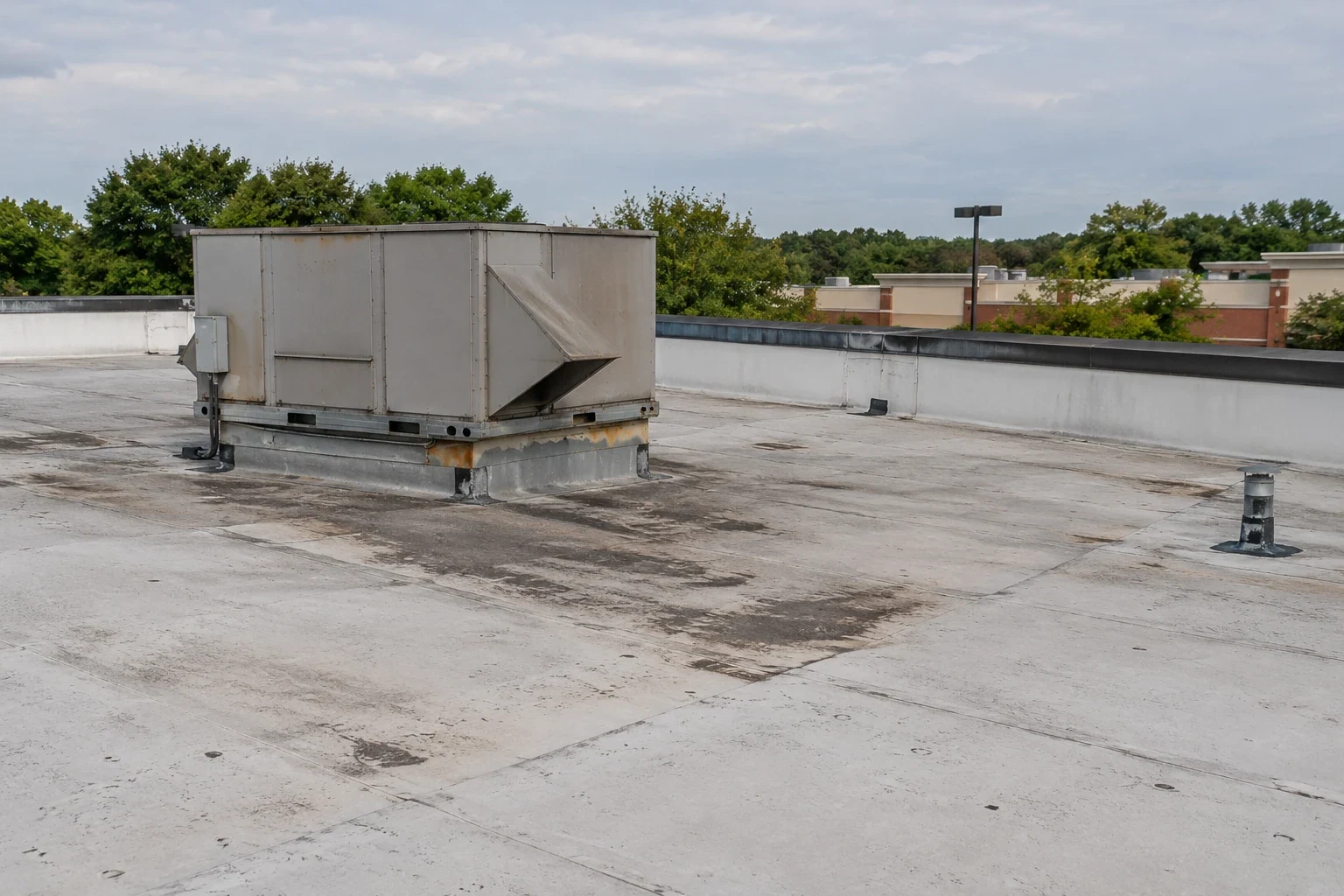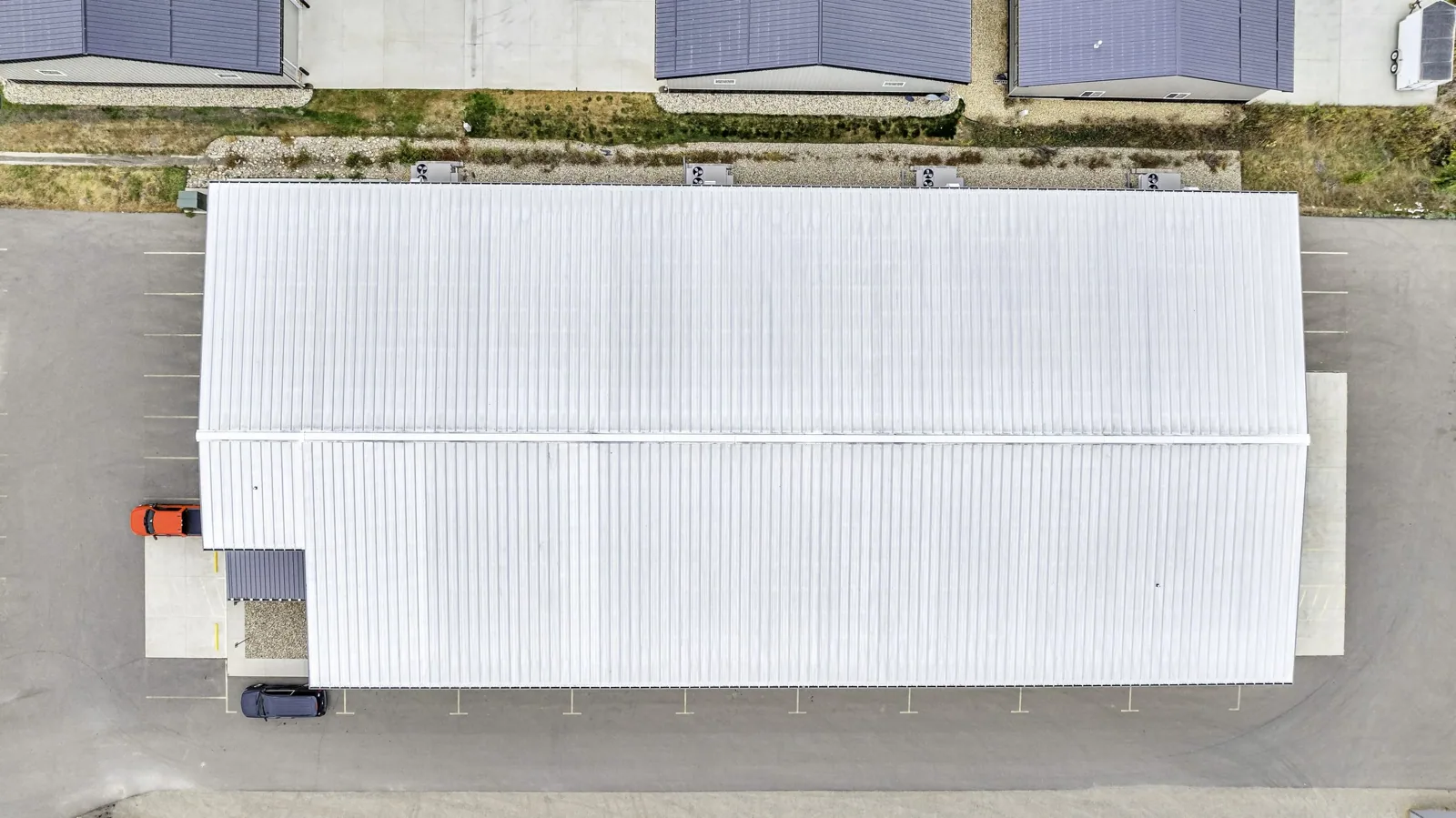
A multi-site roof program begins with a master list of sites and a named contact at each one, since the program cannot start until someone at every building can open the roof hatch. The list is short work and it prevents most of the delays that follow. We ask for the name, the phone number and the backup person for each site, and we test the roof access on the first visit, so a locked hatch is found on day one and not on the day a crane is booked.
For an owner with buildings in Kingsport, TN and the towns around it, the list also carries the access rules and the calendar for each site. A plant has an outage window. A clinic has quiet days. A retail center has a holiday blackout. One program holds all of them without forcing them into the same shape.
The Master List and the Common Format
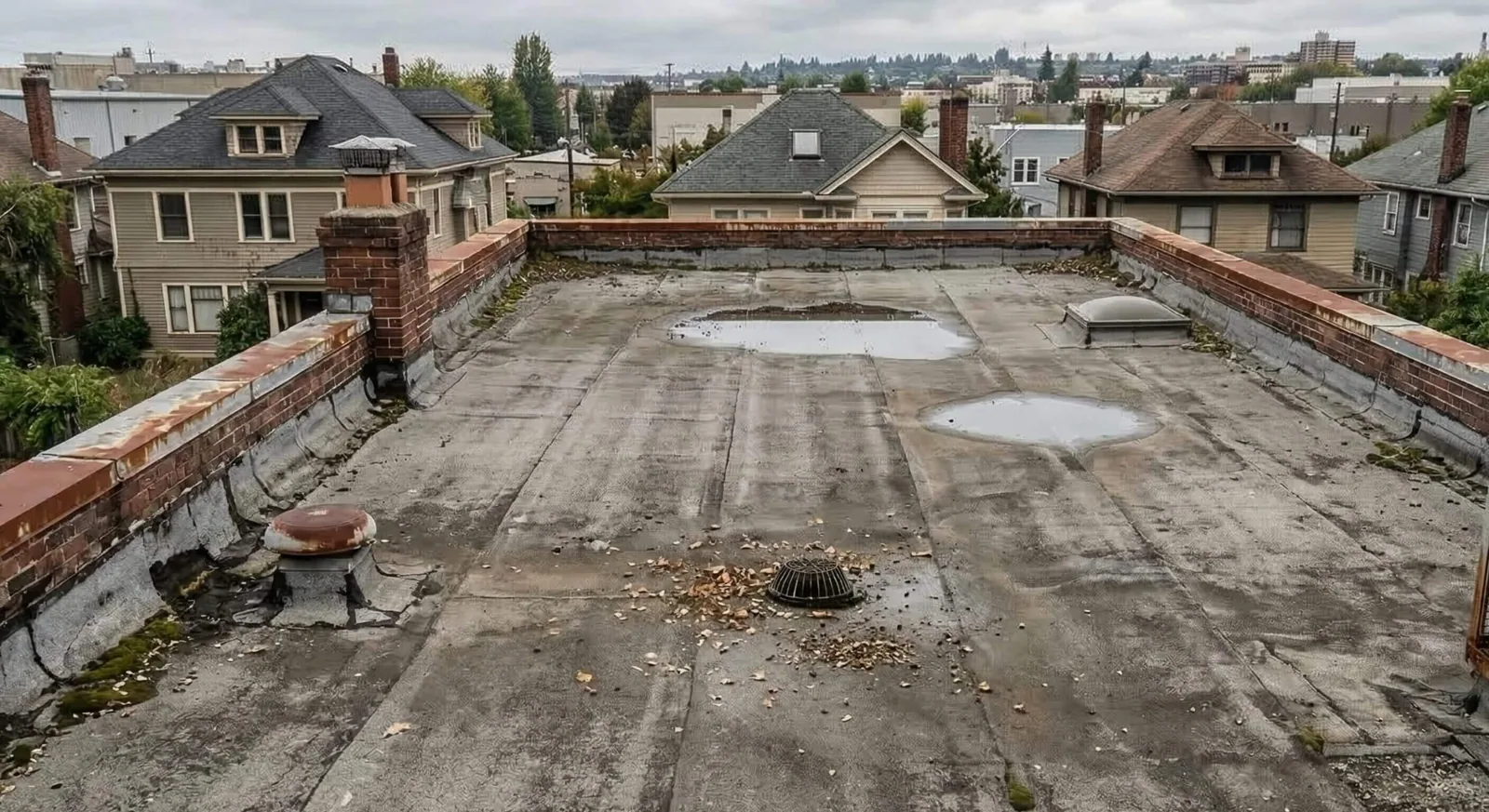
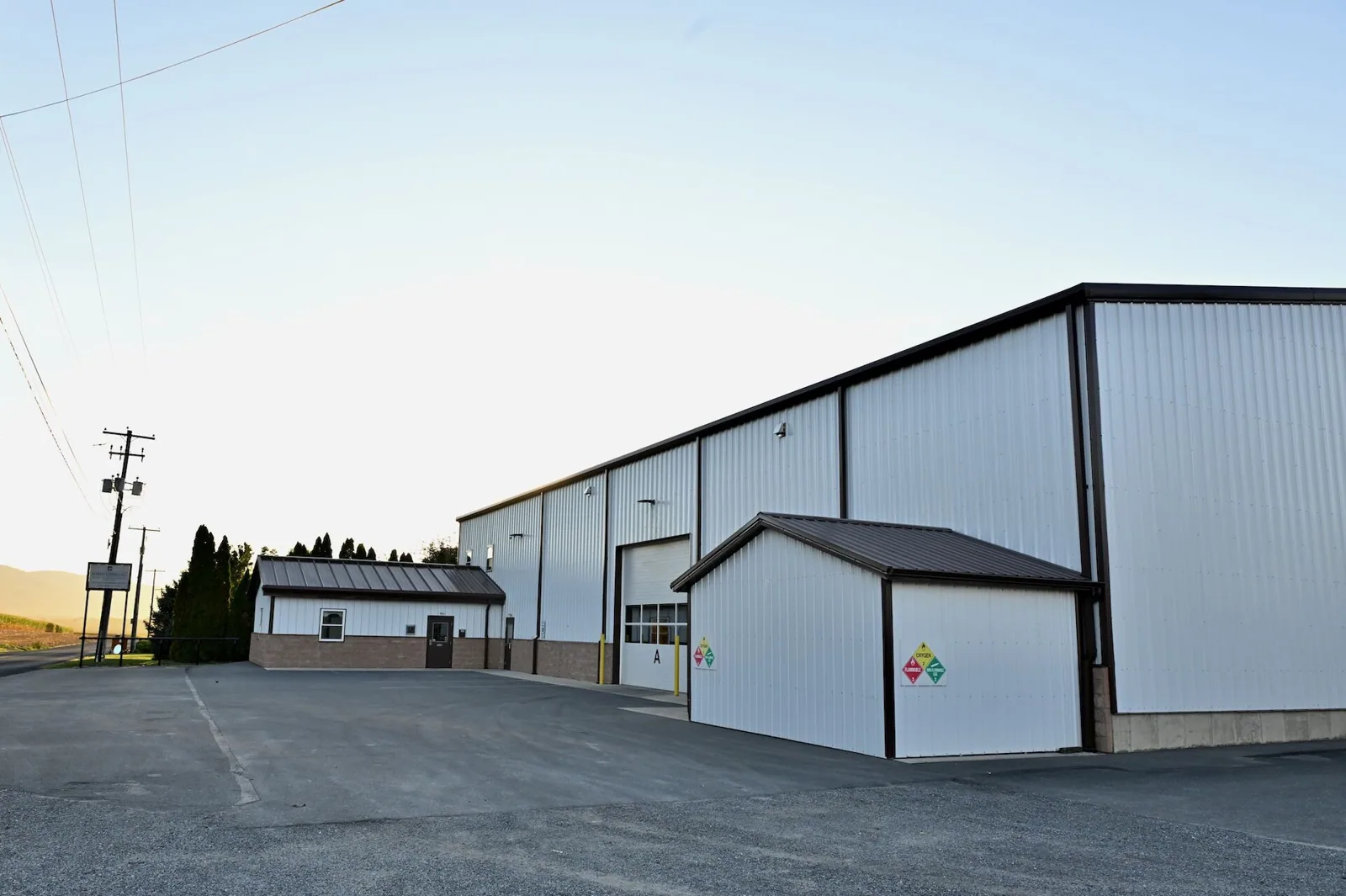
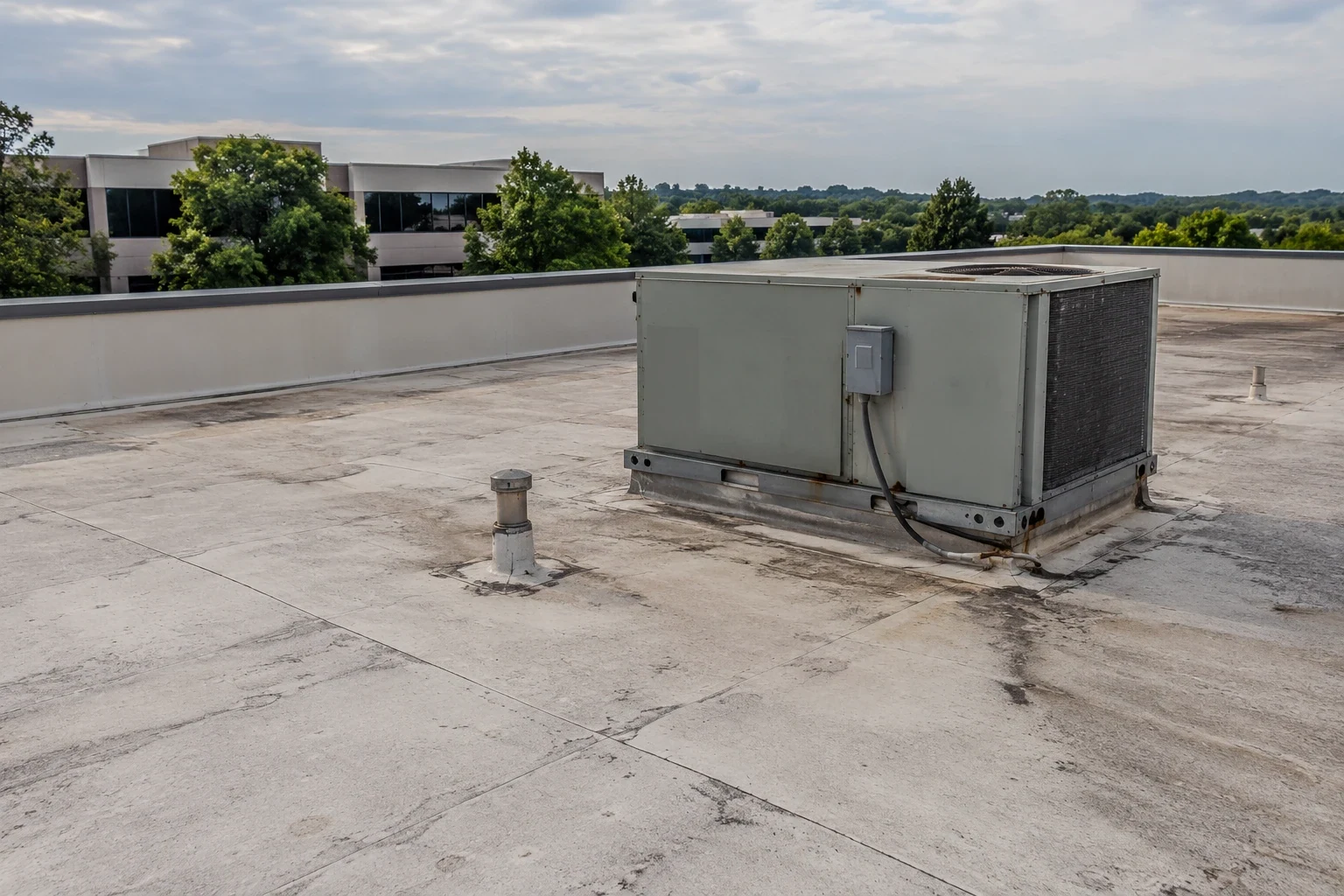
Each site gets the same record, built like a single-building roof asset management file: roof plan, section numbers, system types, photos, ratings and an action list. A common format lets the owner compare a school roof with a warehouse roof and a clinic roof on the same terms. It also lets a new facilities lead read any site cold. Site photographs follow the same shot list at every building, which makes a change in condition visible without a site visit.
The master list ties the sites together. It records the address, the contact, the access method, the hours, the permit and badge steps and the nearest laydown area. When a leak call comes in from any site, the crew has the route before the phone call ends.
- Site list with contacts and access methods
- Roof plan and section numbers at each site
- Ratings, photos and an action list in one format
- Calendar of outages, quiet periods and blackouts
Route Planning Across Sites
Kingsport sits on U.S. 11W and U.S. 23, with I-26 ending at the northwest edge of the city. Sullivan County is served by I-26 and I-81, and the Tri-Cities region reaches Bristol, Johnson City and the Scott County, Virginia towns along U.S. 23. A program that spans those places needs a route plan.
We group sites by corridor and by day. A morning in Kingsport, an afternoon on U.S. 11W toward Church Hill and Rogersville, and a separate day for Bristol and the Pinnacle area keep the crew's time on roofs and not on the road. Haul routes, laydown areas and crane picks are noted for each site, so a larger project can be staged without a second visit. The Kingsport metro had 307,613 residents in 2020 and the wider Tri-Cities region had 508,260, across several cities and counties, so a program that spans it should show the driving between sites as its own line in the schedule.
Standards, Rankings and the Work Sequence
The program sets common standards: how seams are checked, how cores are cut, what counts as a failed flashing, what counts as ponding and how a moisture reading is recorded. The standards apply at every site, so the ranking across sites is fair. When two buildings tie on condition, the one with the narrower access window moves first, because its window is the harder one to find again.
The ranking combines condition and consequence, using the same fields as a roof condition report. A roof over a production area or a patient area ranks higher than the same condition over storage. The work sequence follows the ranking, then adjusts for access windows. The result is a list of projects by quarter. A roof capital plan turns that list into budgets, and the first quarter always carries a price.
Phasing Around Each Site's Operations
Each site keeps its own constraints. A plant allows work during a turnaround or a quiet shift. A hospital allows work in a wing on set days with protected air intakes. A school allows large work in summer. A downtown building allows work around tenants and street closures.
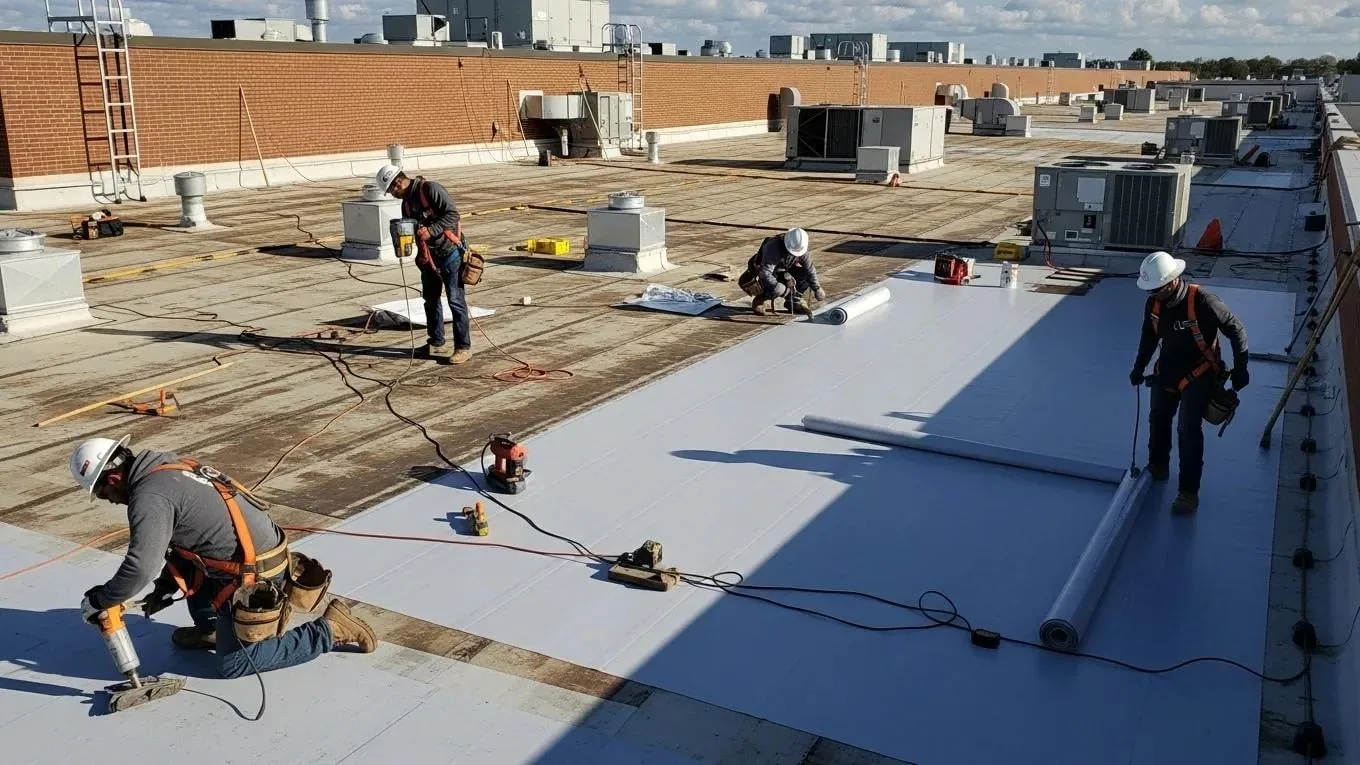
The program records those constraints and builds the schedule around them. Where two sites share a crew, the schedule staggers them so neither loses its window. A site that loses its window for any reason moves to the next one on the calendar, and the program manager is told the same day, along with the effect on every site after it. An occupied building reroof at one site does not delay a repair at another. When the owner is a property management company, the same calendar covers every tenant notice.
Permits, Licensing and Code Across Jurisdictions
A program that crosses jurisdictions keeps a list of what each office asks for. In Kingsport that means stamped plans and a PDF for a commercial reroof and, above $25,000, the Tennessee license with workers' compensation and liability proof. Other jurisdictions, from Bristol to Johnson City and across the state line into Virginia, have their own rules, so submittals are prepared early and the owner's designer confirms code requirements for each project.
Weather Across the Region
Kingsport collects about 45 inches of precipitation over roughly 133 days in a year. Johnson City, about 25 miles south, averages about 45 inches of precipitation and about 15.6 inches of snow, and Rogersville in Hawkins County averages about 48.8 inches, wetter than Kingsport. Morristown warnings for Sullivan County have cited 60 mph gusts and hail.
The program uses those differences. Sites that see more snow or rain move up in the inspection order before the season. After a severe warning, we check the sites in the warned area first and report back site by site, with a photo set for each and a short list of what needs a dry-in before the next rain.
What We Need From You
Send the site list, the contacts, the site plans, the latest roof reports and the outage or quiet-period calendar for each location. We will return a program outline, a common format and a first-quarter schedule. Retail chains with several stores, as in retail and restaurant chains, and owners with plants in Bristol and Kingsport can use the same program.
Commercial Roofing Questions
How many sites should a program start with?
Start with the sites that carry the most risk, then add the rest. We recommend a first group of three to five so the format can be tested. Adding sites later is easy once the standards and the report template are settled.
Can one contact manage all sites?
One program manager, yes, with a named contact at each site. We recommend giving the program manager authority to approve urgent repairs. Site contacts open the roof and confirm the schedule, and the manager sees the whole picture.
How are emergencies handled across sites?
Each site has an emergency contact and a route on file. We recommend a single call number for the program. A crew goes to the site, dries in the opening and sends photos, and the program manager decides the permanent repair.
What does a program report look like?
A one-page summary across sites, then a section for each site with photos, ratings and actions. We recommend quarterly updates. The summary shows the trend, and the site sections give the contractor what is needed to price work.
Can sites in different states share one program?
They can. Each state and jurisdiction has its own permit and licensing steps, and the program lists them. We recommend verifying them early. A permit that is missed at one site can hold up the schedule for the whole program.