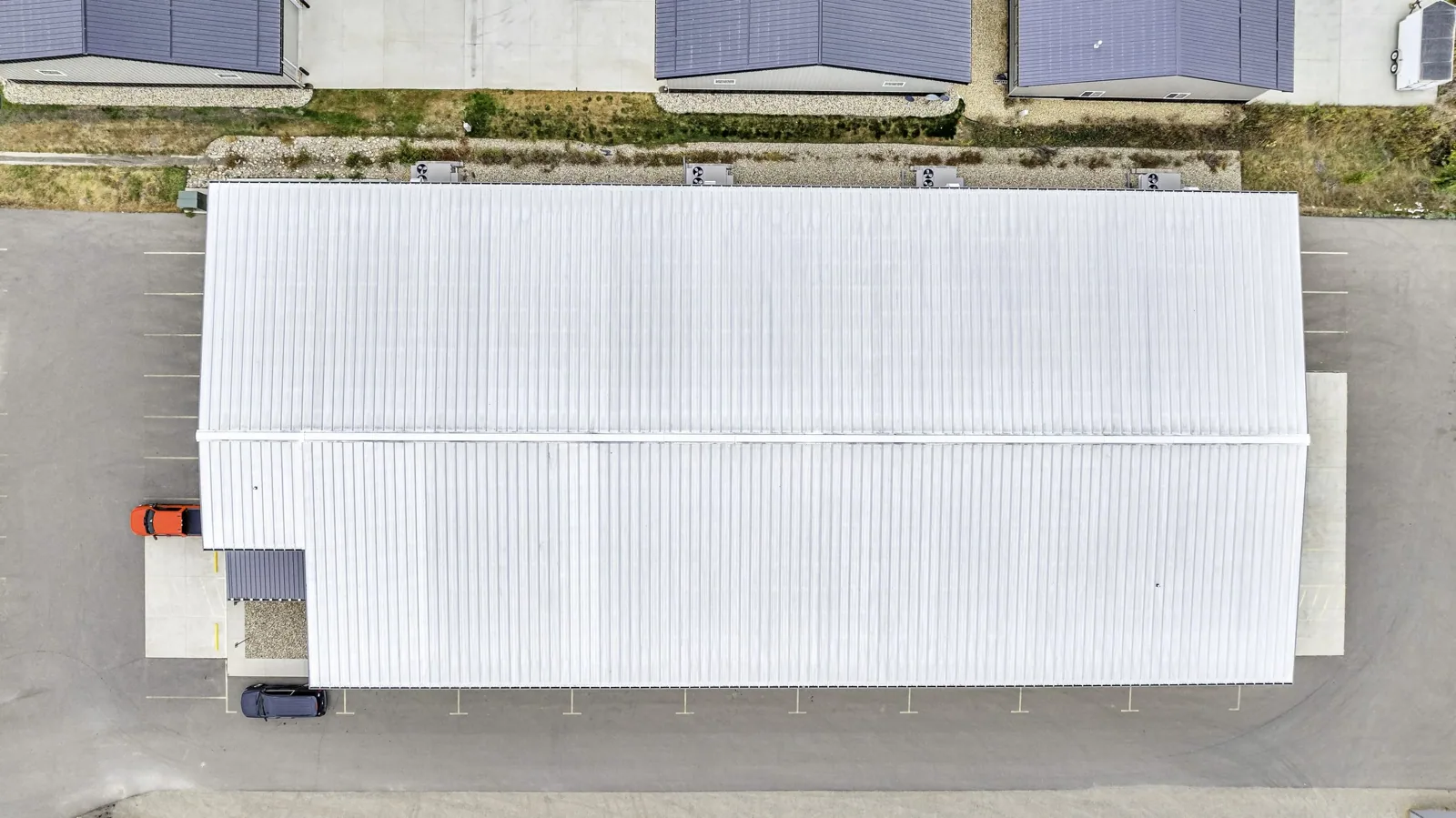

The first step in roof asset management is a numbered inventory, and it depends on one thing: a site plan that shows every building and every roof level. Without that plan, nobody can say how many roofs a portfolio holds, so nobody can say what they cost to keep.
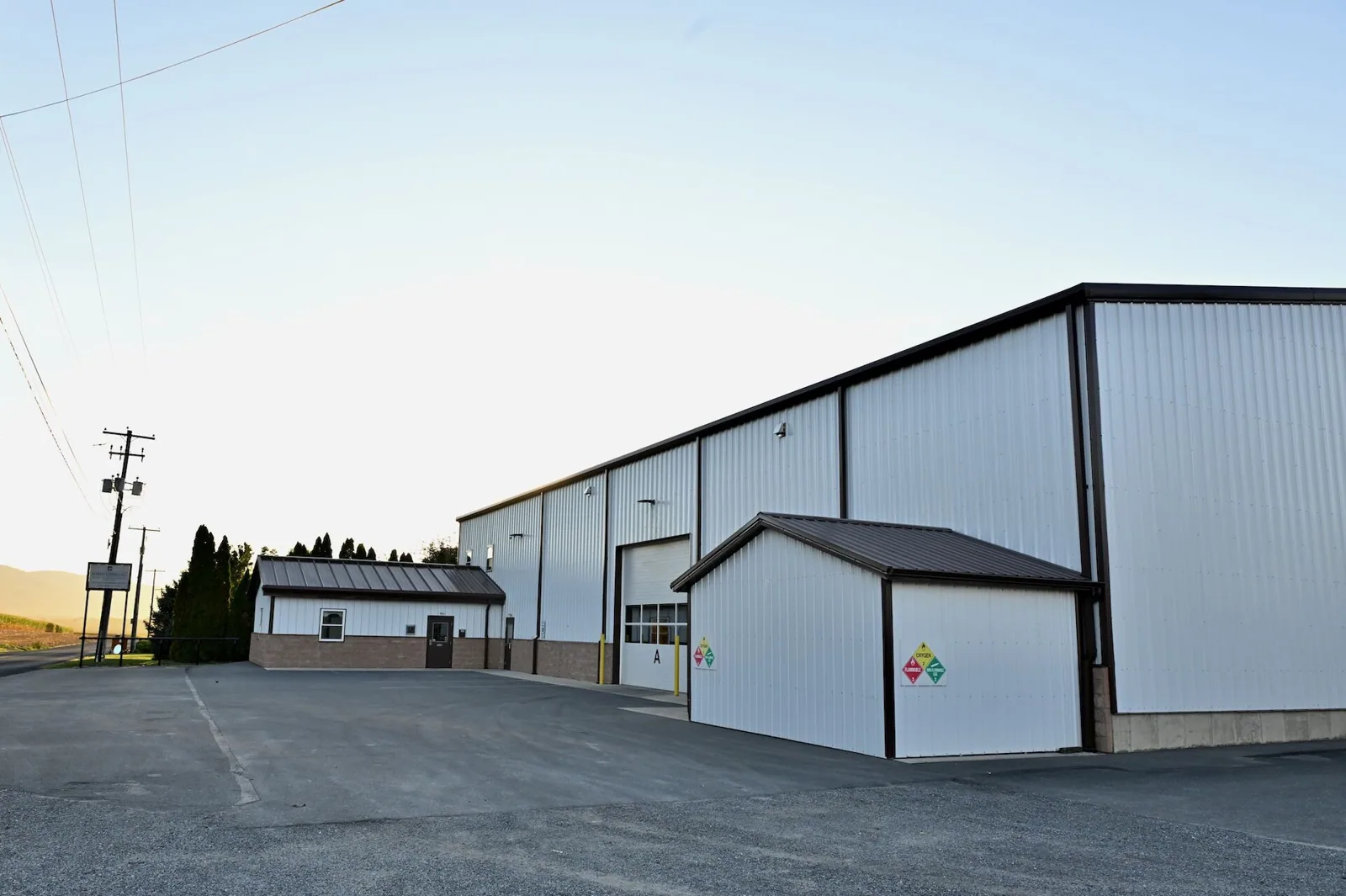
In Kingsport, TN the portfolio might be a manufacturing plant campus, a hospital system, a set of school buildings or a group of downtown renovations. We start by drawing every roof area on the plan and giving it a number. Condition, access and schedule notes attach to that number from then on.
The Roof Inventory
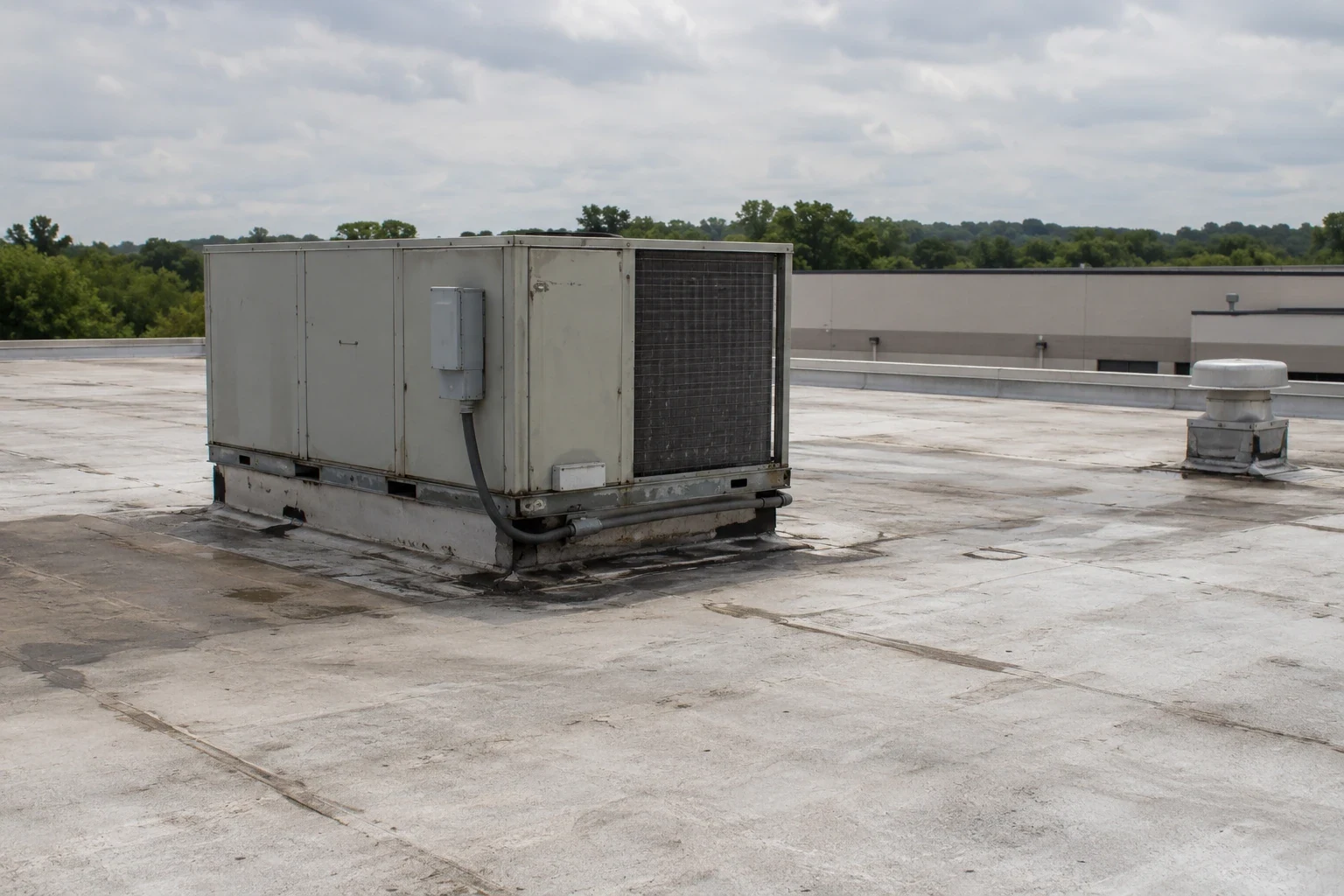
The inventory lists each roof section with its building, level, approximate area, system type, age if records exist and the trades that have worked on it. Each entry gets a photo from the access point and a plain note on what sits below the section.
We add the facts a project manager needs later: where the roof hatch is, which crane pick reaches the section, where the laydown area could go and whether the section shares a drain line with a neighbor. Those notes cost little to collect during the first visit and save days when a project starts. A Kingsport portfolio is seldom uniform. A retail owner on Fort Henry Drive, where Fort Henry Mall sits with 529,814 square feet of leasable area, tracks different details than an owner in Phipps Bend Industrial Park near Surgoinsville, where Norfolk Southern rail serves the site and trucks set the access plan. The inventory format stays the same, and the notes change with the site.
- Section number, building and level
- System type, approximate area and age if known
- Photo from the access point and a note on the space below
- Access route, hatch location and hoisting options
- Drainage layout and rooftop equipment
Access Rules Recorded with the Roof
Many Kingsport roofs sit on campuses where access is controlled. A plant campus has its own gate and permit steps, a hospital such as Holston Valley Hospital limits work near patient areas and downtown buildings share streets and sidewalks. The access rules belong in the asset record, because they decide how fast a roof can be reached.
For each building we record the gate or entry, the badge or permit step, the escort requirement if any, the hours when roof work is allowed and the contact who approves it. When a leak call comes in, the crew already knows the route and the paperwork, so the first hour goes to the roof and not to the front desk. The record also names who holds the hatch key after hours, since a roof that cannot be reached at night cannot be dried in at night.
Condition Ratings and the Work Sequence
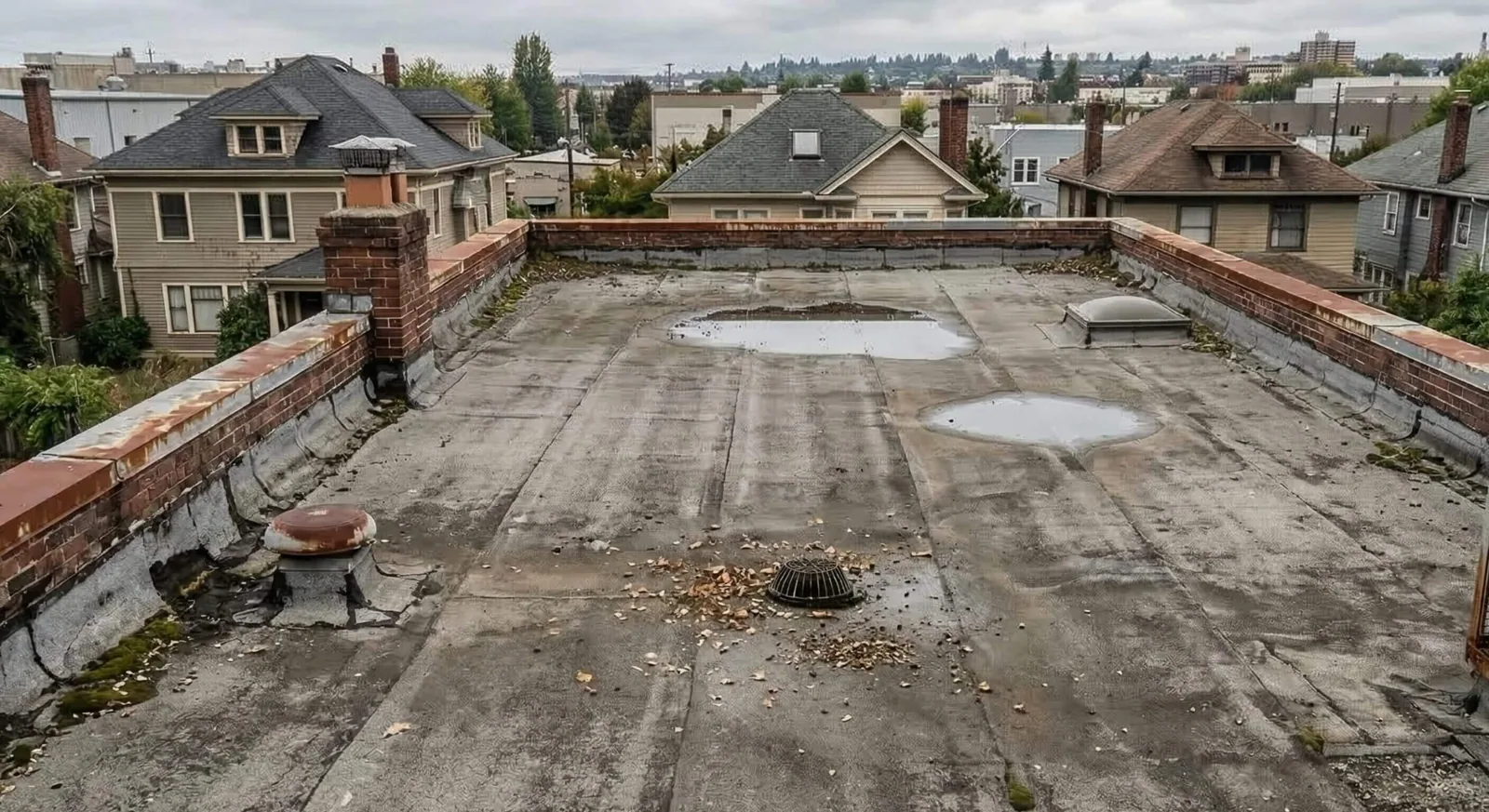
After the inventory, each section gets a rating based on what the inspection finds: seams, flashings, edges, drains, penetrations, surface wear and any sign of saturated insulation. We use moisture readings and, where needed, a core cut to confirm what the surface suggests.
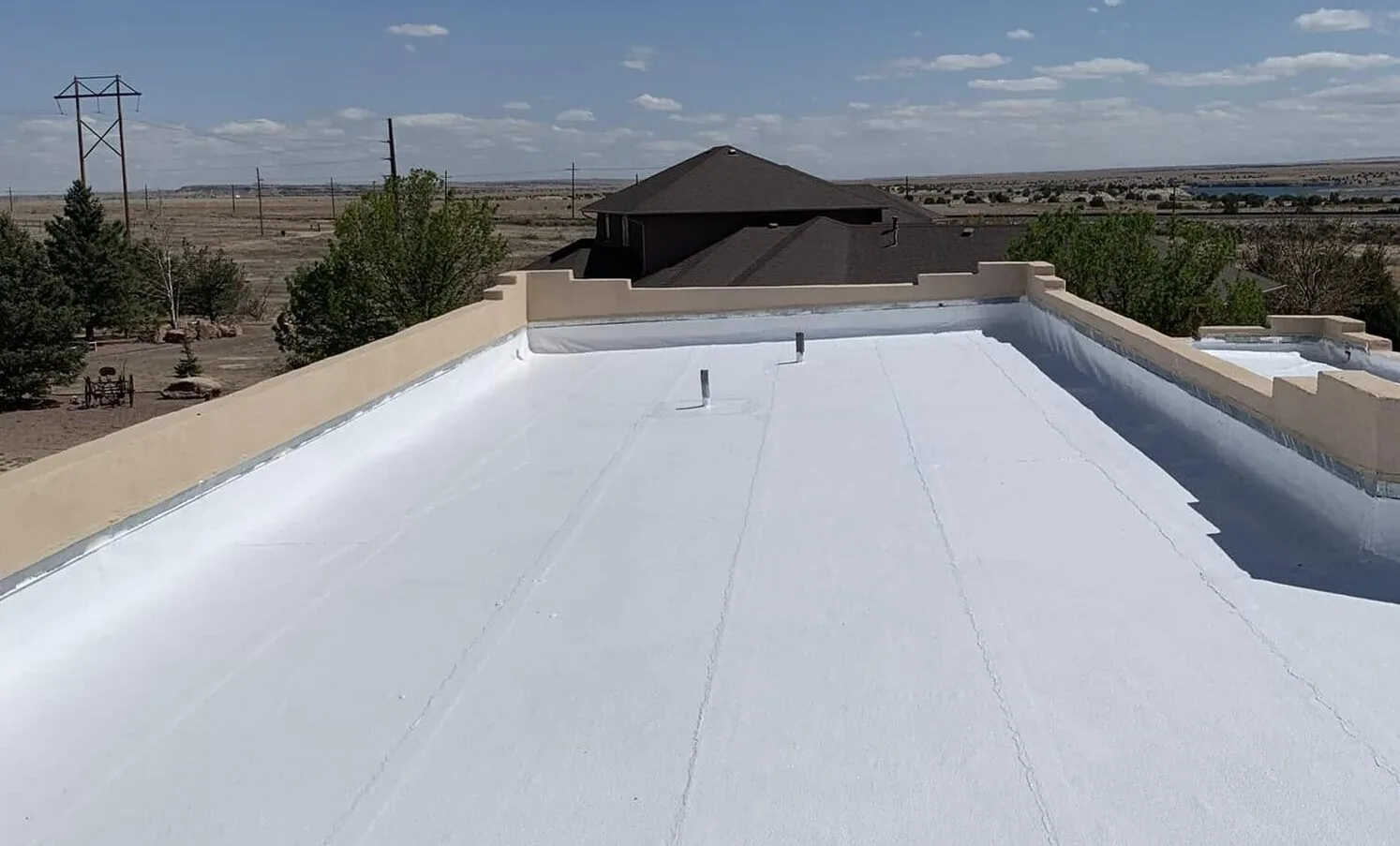
Ratings turn into a sequence. Sections with active leaks come first, then sections with failing details, then sections that are sound but aging. The sequence shows the owner which work can be a repair, which can be restoration with a coating and which will need replacement. A commercial roof inspection supplies the data, and the ratings are updated at each later visit.
Scheduling Around Outages and Calendars
An asset plan is only useful if it respects the owner's calendar. Plant roofs often wait for a turnaround outage. Hospital roofs wait for a quiet period in a given wing. School roofs wait for summer. Downtown buildings wait for a lease or renovation step.
We put those windows next to each section in the record, so the work calendar and the roof calendar are one document. A section with no window this year is marked as monitored. A section with a window is priced and phased. The owner then sees which money is needed in which quarter, and a roof capital plan can be built directly from the record.
Permits, Inspections and Code Notes
The asset record notes which sections will need a permit when their turn comes. In Kingsport a reroof goes to the city with a stamped plan set and a PDF, and the state license rule above $25,000 brings workers' compensation and liability proof along. Keeping the plan sets that already exist beside the record keeps the submittal off the critical path.
The owner's designer confirms code requirements for each project, and the building department's contractor page names the editions it enforces.
Weather as a Scheduling Input
Weather is an input to the record, not a footnote. Annual precipitation here is about 45 inches, spread across roughly 133 days with measurable precipitation, and recorded temperatures range from about minus 18 F to 104 F. The Morristown weather office has warned Sullivan County of 60 mph gusts and hail, with roofs, siding and trees among the expected impacts.
We treat those facts as inputs. Wind and hail drive the post-warning checks. The wide temperature swing drives the seam and flashing checks, because a membrane that moves across that range works its details loose. Snow is light, about 5.1 inches a year, so drifts and loads rarely set the schedule. Drains are cleared before the wet months, edges are checked before gust season and sections near the end of life are scheduled before winter. A roof condition report after each severe warning keeps the record current.
What We Need From You
Send the site plan, the building list, the last roof reports and the outage or turnover calendar. If you have warranty papers, send those too. We will return a numbered inventory, a condition ranking and a proposed visit schedule, and the same format covers a multi-site roof program as the portfolio grows. A property manager in downtown Kingsport, a facilities lead at a hospital or a general contractor on a campus can use the same record.
Commercial Roofing Questions
How many roofs should we put in the first inventory?
All of them, even the ones that look fine. We recommend starting with a numbered list of every building and level, then rating the sections that matter most first. A roof left off the list tends to be the one that leaks after the plan is approved.
How often should the ratings be updated?
Twice a year, plus after any severe warning. We recommend one visit before the wet months and one after the gust season. Sections that rate poorly are checked more often. The record shows the trend, which matters more than any single reading.
Can the record support a lender or insurer request?
Yes. A numbered inventory with photos, ratings and repair history answers most roof questions in a single document. We recommend keeping a dated copy after every update, so you can show the condition on any given date.
What if we do not know the age of a roof?
Mark it unknown and rate it on condition. We use the inspection, core cuts and the repair history to judge what is left. We recommend not guessing an installation year, because the record is more useful when it separates what is known from what is not.
How does the record help a general contractor?
It gives the contractor access points, hoisting options, laydown areas and outage windows before pricing. We recommend sending it with the bid package. The contractor can build the phasing plan from the record instead of a first site visit.