The first step with a general contractor is the project schedule, because the roof is only one line on it and every line around it matters. We ask for the master schedule, the structural completion date, the date the building must be dried in and the sequence of the trades that follow the roof before we price anything.
General contractors in Kingsport, TN need a roofing partner who plans like a superintendent. The same discipline carries into industrial work for manufacturers. Our job is to put the submittals, the tie-ins, the dry-in date and the punch list handoff on the superintendent's schedule, and to keep to them.
What We Need Before Submittals Start
Four items start the roofing sequence. The roof plan and specifications. The structural completion date. The permit status. The list of rooftop equipment and the dates the mechanical trade sets it.
With those in hand we prepare submittals for the roof system, insulation, flashings and accessories, and we flag the lead time on each. Long-lead items go on the schedule first, so the dry-in date does not slip while a curb or a membrane roll is still on order.
The last item is the owner's representative. We ask for a name and a phone number, because someone has to sign off on temporary details and change orders, and it should not be a search on the day.
Access, Laydown and Crane Picks on a Shared Site
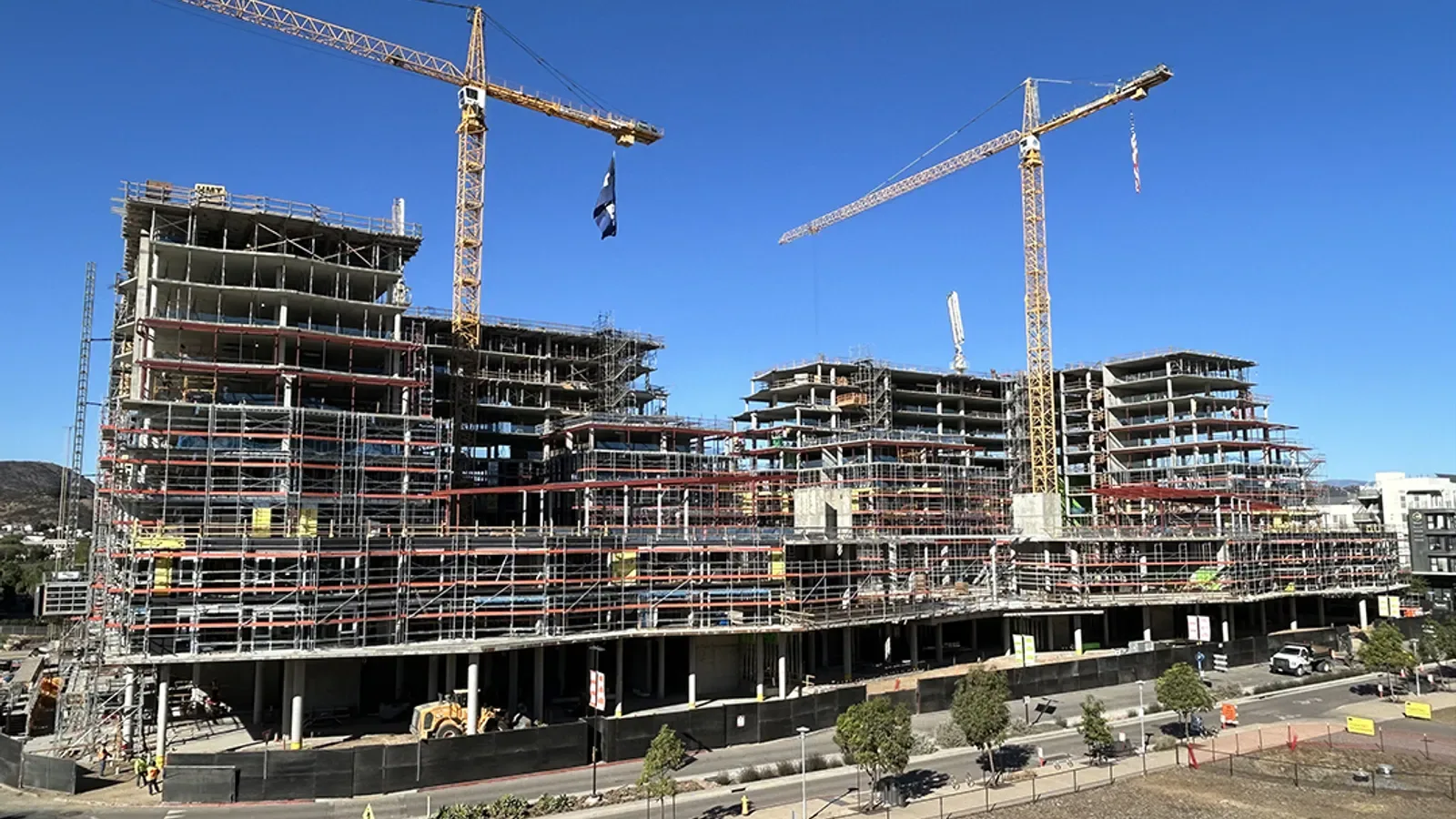
On a general contractor's site the roof competes for crane time and laydown space with steel, panels and mechanical equipment. We ask for the crane schedule and the laydown map, request our picks in the quiet hours and keep our staging inside the area the superintendent assigns.
Material hoists are scheduled around the other trades, and the haul route is agreed before the first delivery. A roofing partner who shows up with a fixed pick list and a laydown plan saves the superintendent a morning of arguments.
Phipps Bend Industrial Park near Surgoinsville and Bristol Business Park in Bristol, where Tri-City Extrusion is building a 120,500-square-foot facility, are examples of industrial ground where new building is under way. Long haul routes on sites like those need to be mapped in advance.
On a shared site, our hoist and laydown area are locked to a single corner so other trades can plan around them. If the superintendent needs the space back for a day, we ask for a day's notice and move the pick list.
Sequence of Work and Tie-Ins With Other Trades
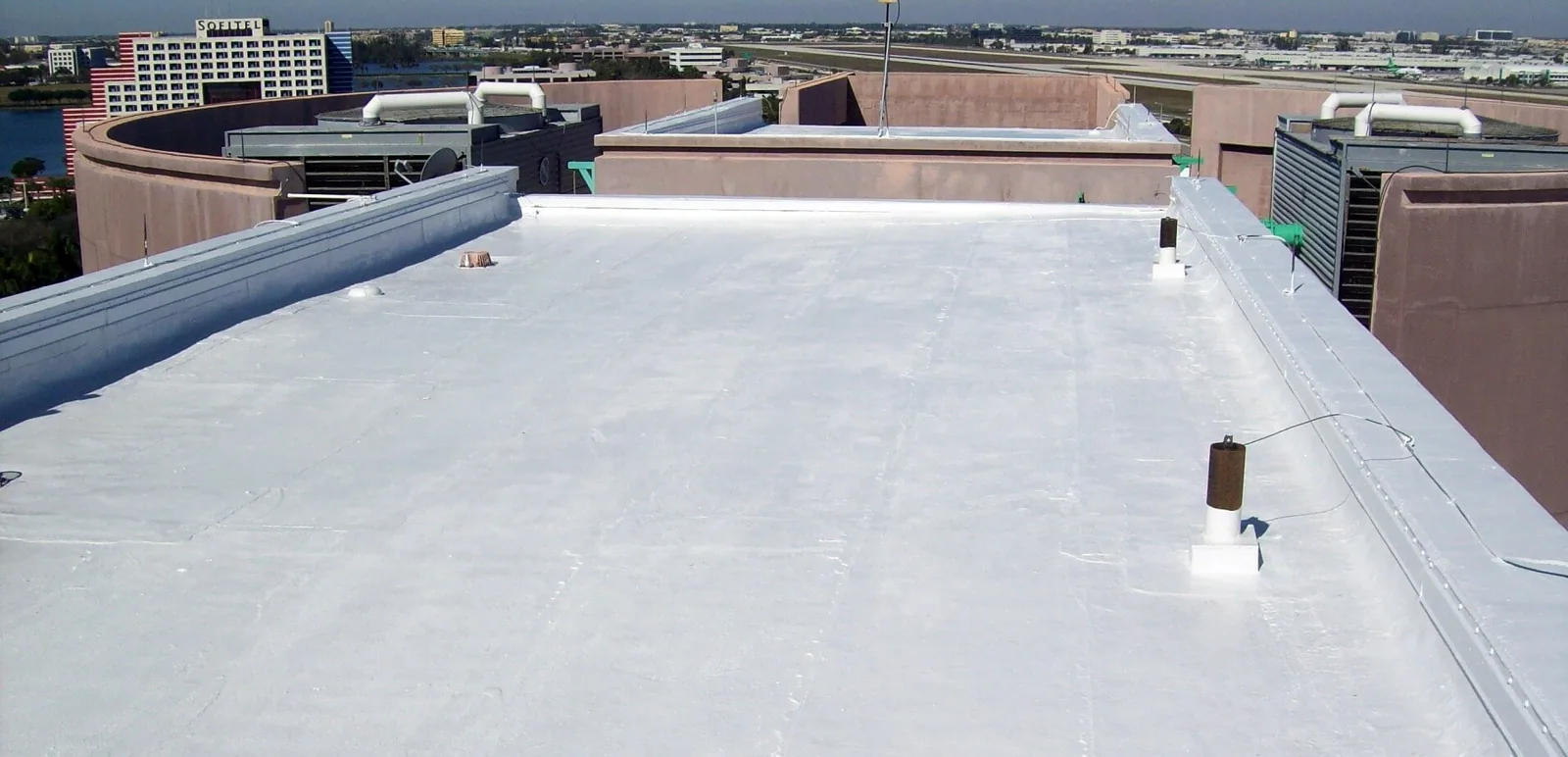
The roofing sequence follows the building's structure. Deck inspection first, vapor retarder and insulation next, membrane after, then flashings and accessories. At each handoff, the next trade is named: the mechanical trade sets curbs, the electrician runs conduit, the glazier closes skylights.
Tie-ins to walls, curbs and penetrations are flashed as each section closes. Where another trade's work is not ready, we leave a protected, temporary detail and log it for the punch list. A roof insulation and cover board package is sequenced to match the deck inspection, so no board goes down on an unchecked deck.
Drain and scupper checks close out each section, since a clogged drain would flood new work in the first storm.
Material deliveries are staged to match the day's pick list. Anything not installed by the end of the shift is strapped and covered, so a gust never finds loose rolls on the deck.
Phasing Around Occupied Space and Other Trades
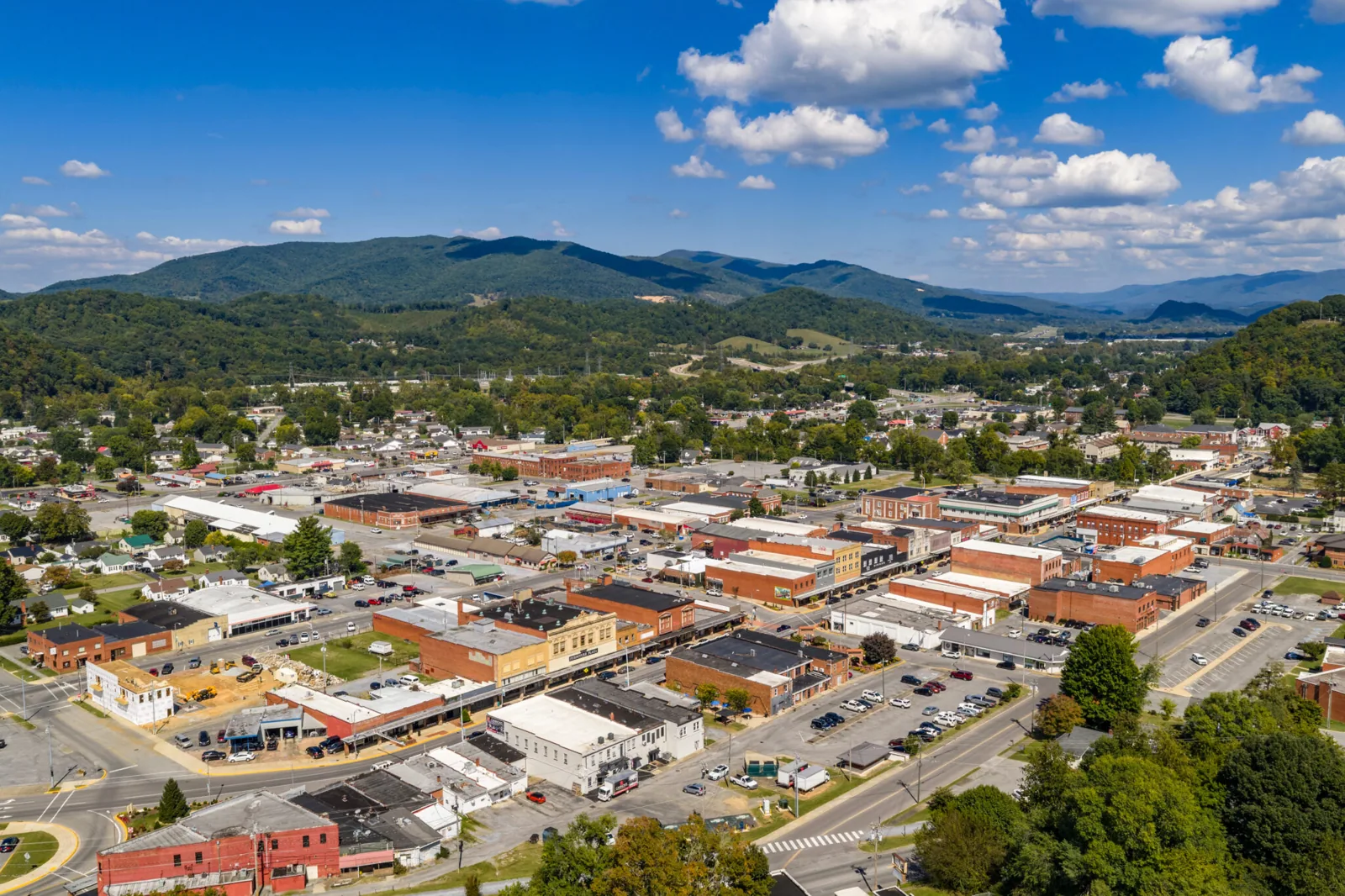
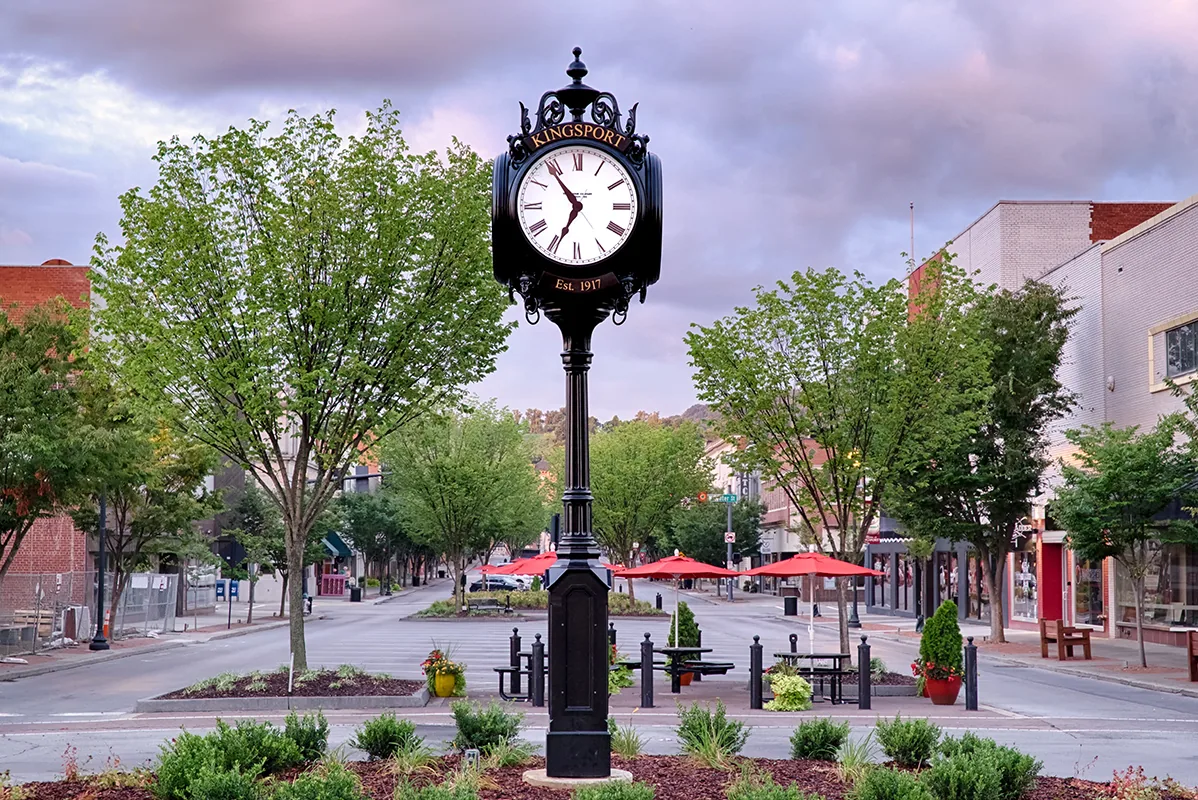
Renovation work adds occupants to the equation. Several downtown Kingsport renovations are underway, among them the Kingsport Grocery and Citizens Supply buildings and Pappy's, and 32 townhomes are planned on adjacent lots. Roof work on projects like those has to share streets and staging with neighboring construction, as it does for owners who work through a property manager, and our downtown Kingsport plans mark those conflicts early.
For occupied buildings, occupied building reroofing sequences the tear-off by bay, with dry-in daily. For new work, the plan targets the dry-in date the superintendent needs for interior trades.
Industrial projects have their own calendars. The Domtar mill site, converted in 2023 for recycled liner board at a cost of $300 million to $350 million, and Holston Army Ammunition Plant, which describes a modernization of more than $1 billion including a new nitration facility begun in January 2022, show how large sequenced projects run in the region. A roofing partner on a job of that kind follows the owner's outage and access rules.
Punch list items from other trades often sit on the roof, such as an unsealed conduit or a missing curb cap. We log them with photographs and send them to the trade responsible the same day.
Inspection, Permit and License Path
Kingsport requires a roofing permit, reroofs included. The roofing portion of the submittal goes in with stamped plans and a PDF, and a Tennessee contractor's license becomes mandatory once the job tops $25,000, with workers' comp and general liability certificates attached. The Building Department holds the plans to the IBC and the IECC.
We supply our license and insurance proof with the submittal and give the superintendent the inspection dates we need. We also ask for the inspection sequence the city uses for roofing, since some jurisdictions inspect the deck, the insulation and the membrane on separate visits. The master schedule carries each visit, and the crew holds the work until the inspector signs.
Weather as a Scheduling Input
Weather is a scheduling input. In Kingsport rain and snow add up to around 45 inches over some 133 days each year, and temperatures on record range from about minus 18 F up to 104 F. We give the superintendent a buffer in days, not a promise, and a list of what moves first if days are lost. After a storm, the same plan works for insurance and restoration repairs.
Whenever NWS Morristown issues a thunderstorm warning for 60 mph gusts and hail, our crew secures loose material and calls the superintendent. A dark deck in July limits adhesive work and crew hours, so the plan starts early and stops when the surface gets too hot.
Closeout, Punch List and Warranty Handoff
We walk each completed section with the superintendent and photograph the punch list. The owner's folder includes the as-built drawing, material data, warranty paperwork and the permit and inspection records, in the format the owner's representative requests.
Warranty paperwork is released when the last punch item is closed, and the owner's representative signs the acceptance. Anything not complete stays on the open items list with a date and a name.
Commercial Roofing Questions
What should a general contractor send to start roofing submittals?
Send the roof plan, the specifications, the structural completion date and the master schedule. We recommend adding the mechanical equipment list and the dates curbs are set. With those, we can return submittals and a long-lead list within the first week.
How do you protect a building before other trades finish?
We install temporary details at unfinished tie-ins and log them. We recommend naming the trade responsible for completing each one and putting the date on the schedule.
Who coordinates crane time?
The superintendent. We recommend sharing the crane schedule with all trades a week ahead and requesting roofing picks in the quiet hours.
Can you work to a dry-in milestone?
Yes. We suggest building the milestone backward from the interior trades' start date and adding a weather buffer. The plan should state which sections close first.
What does the owner receive at closeout?
Closing photographs, the as-built set, material sheets, the warranty file and the permit and inspection records. We recommend delivering them with the final punch list.
Do you handle the permit?
We prepare the roofing portion of the submittal with stamped plans and a PDF, and we supply license and insurance proof. Once a job tops $25,000, a Tennessee contractor license is required.