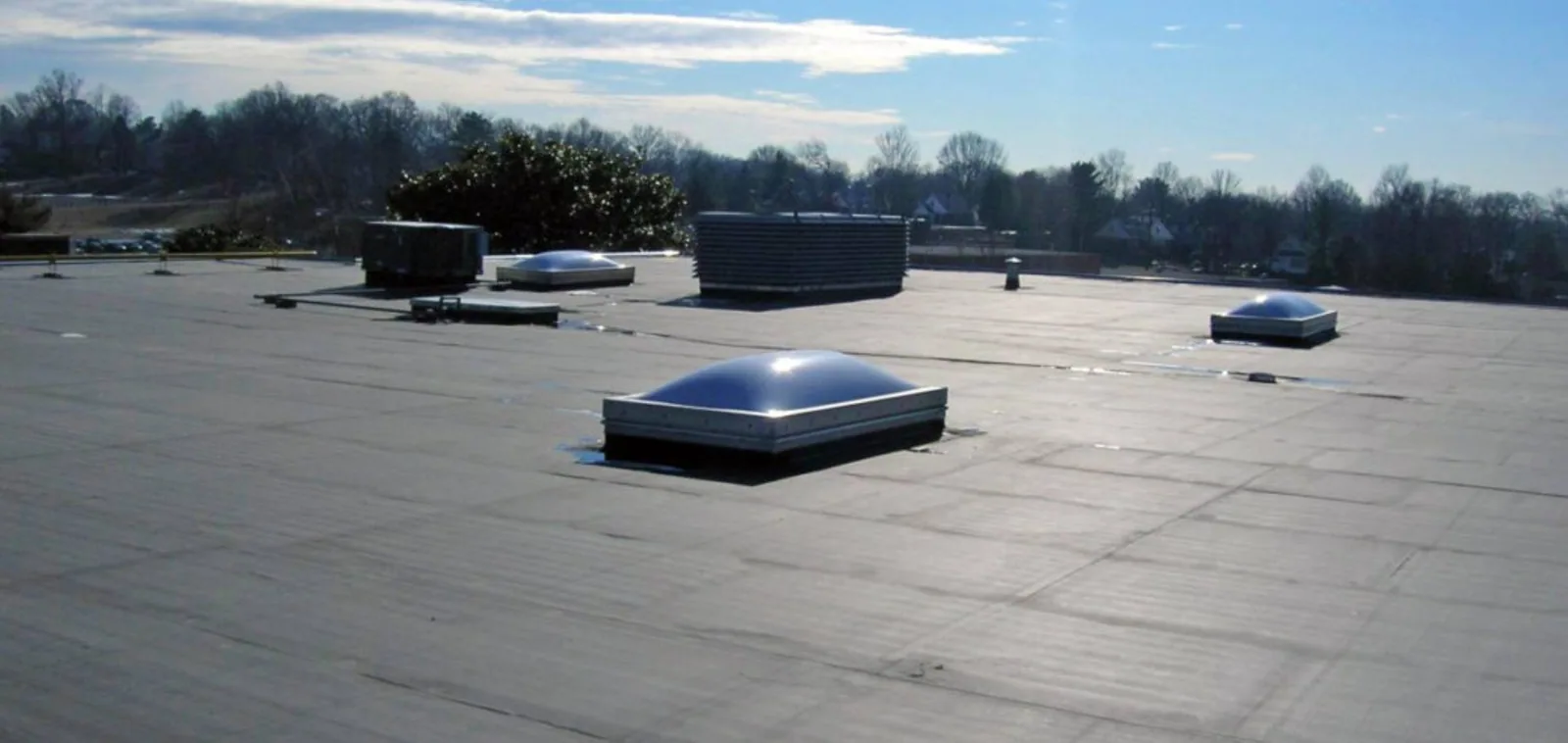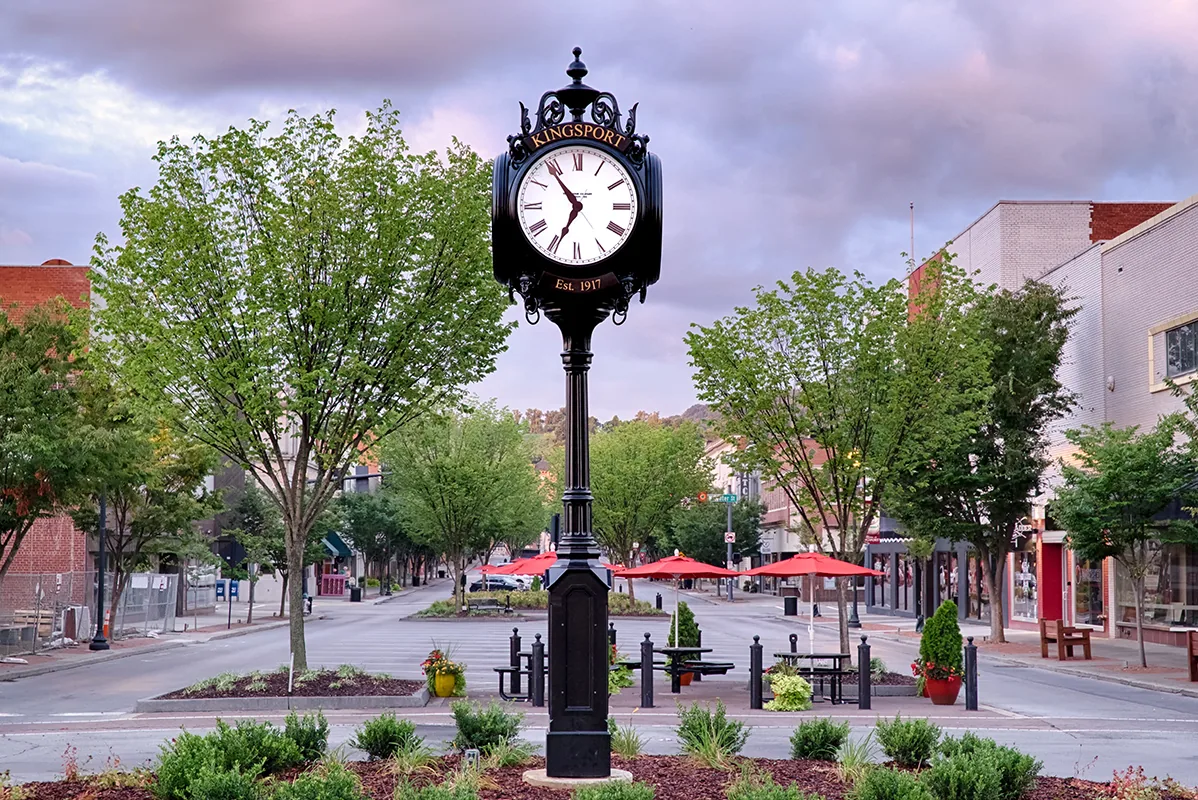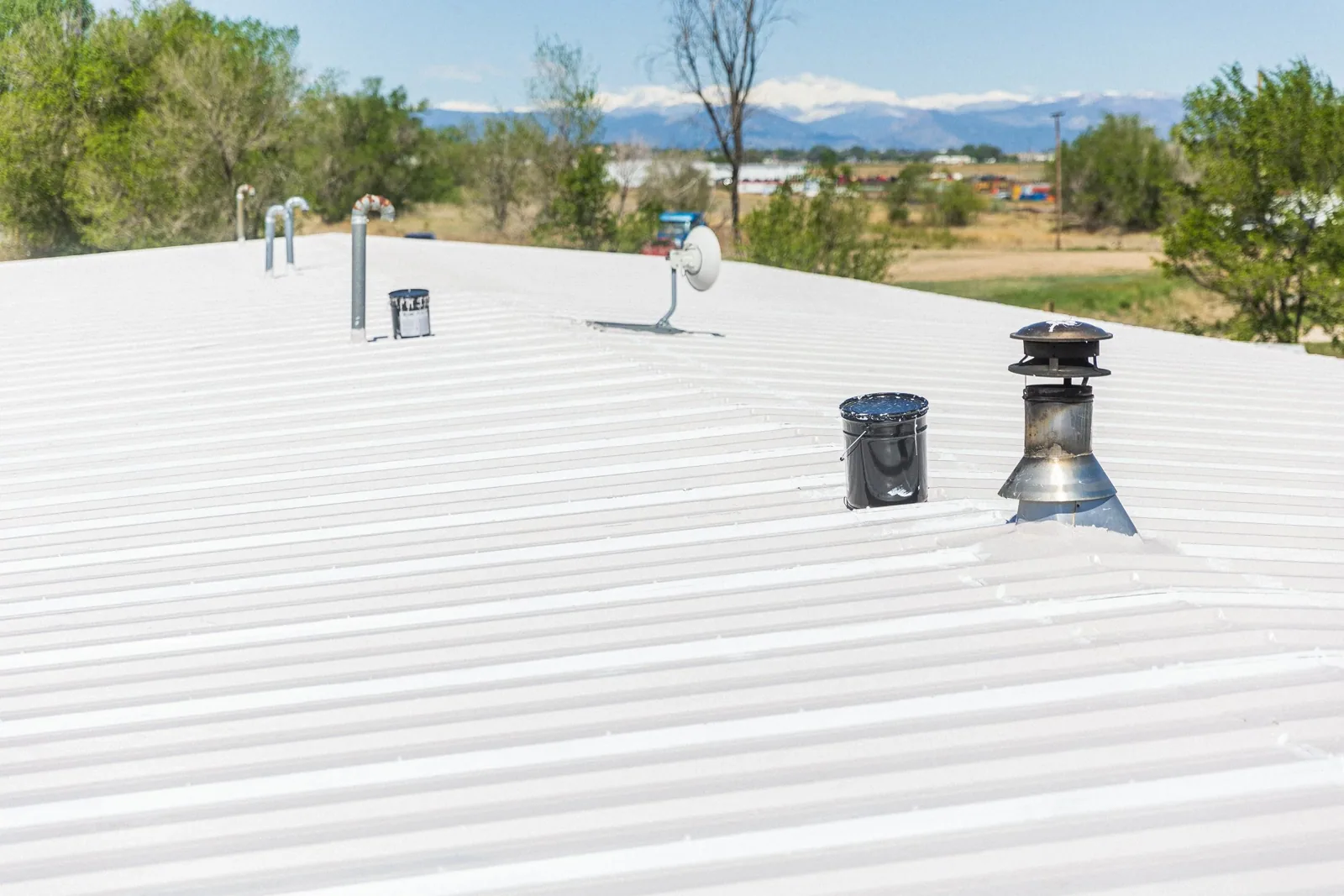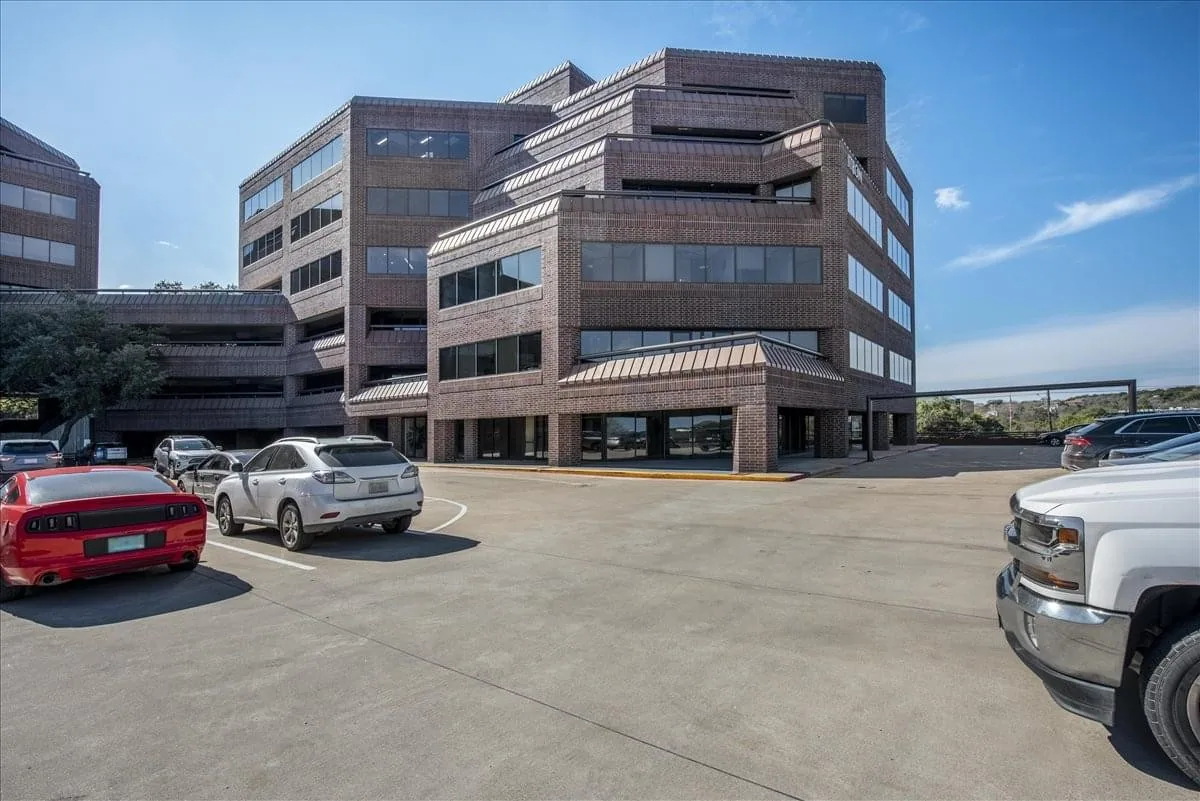
An occupied reroof starts with the access route, because every later step depends on how people, material and waste move through or around the building. In Kingsport, TN the building might be a hospital wing, a school, an office or a retail center, and the route is different for each. We walk it with the building manager before we write a sequence.
From the route we build the phasing plan: which section comes off first, which one is closed against weather before the crew leaves and where the crew picks up the next morning. Tenants and operations stay open throughout, and the plan says what they will hear, smell and see.
Access Route, Staging and Haul Plan
We locate the material hoist or crane pick, the laydown area and the haul route for debris. Each one is checked against fire lanes, loading docks, entrances and air intakes. A laydown area that blocks a dock stops a tenant's deliveries, and a haul route that crosses an entrance puts the public at risk.
The result is a site plan, drawn before pricing is locked. It shows the pick location, the dumpster position, the closed zones and the paths for crew and visitors. The general contractor reviews it, the building manager approves it and the safety lead signs it. A copy goes to the tenant representative, who can ask for a change before the first day. Changes after approval are logged with a reason and a date.
Tear-Off Sequence and Daily Dry-In
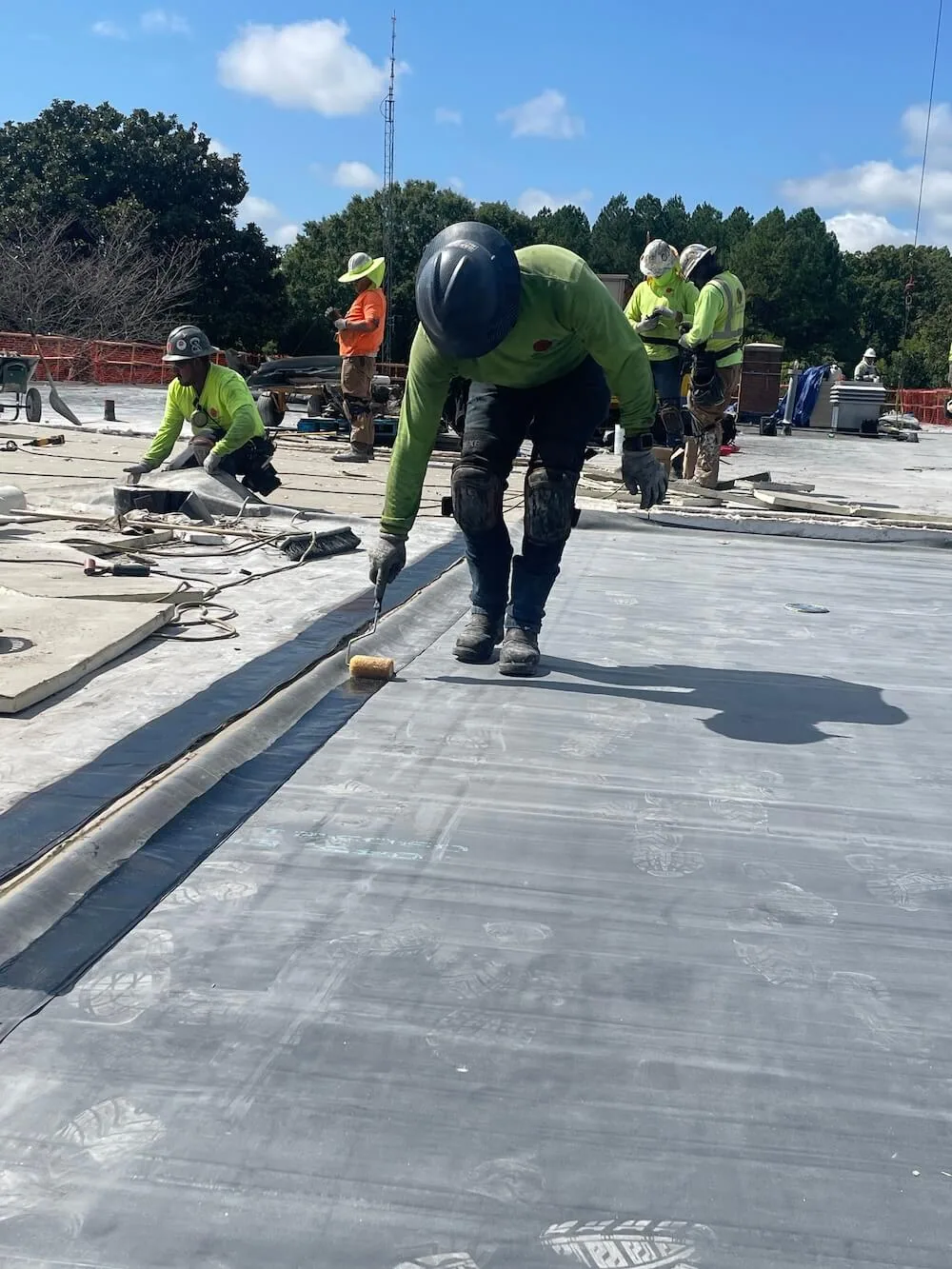
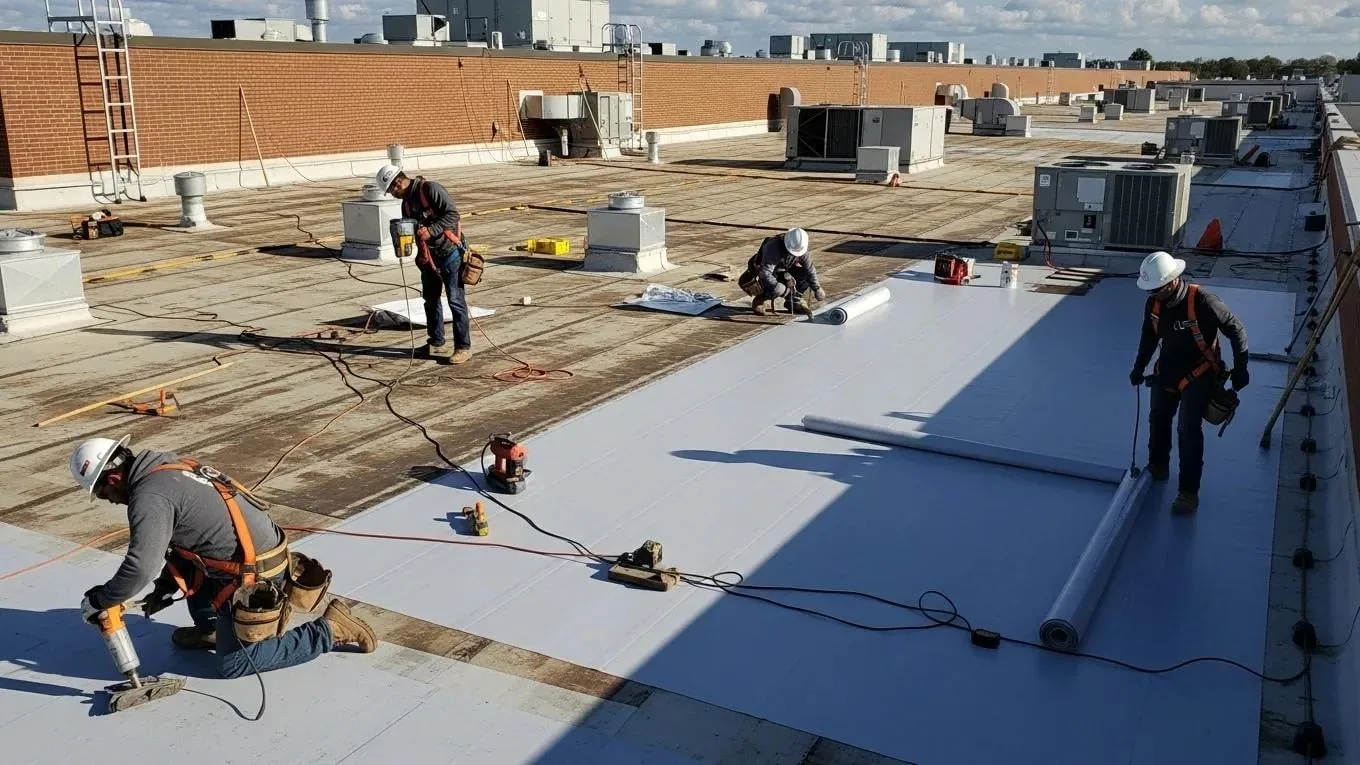
The tear-off sequence is planned in sections small enough to be dried in by the end of the shift. Each section is opened, the old roof is removed, the deck is inspected, and new insulation and membrane go down before the crew leaves. No section is left open overnight. Edges and tie-ins are sealed at the end of every day.
The deck inspection happens the moment the old roof comes off. Damaged deck is flagged, photographed and priced before the new system goes on. A tarp-and-dry is kept staged on the roof in case a storm closes the window early. The next morning, the crew starts at the tie-in and works forward.
Moisture in the existing roof changes the pace. If the insulation has taken on water, more of it comes off, and the new insulation order grows. A moisture survey before the job, as in an infrared moisture survey, sizes that order in advance. Without it, the crew finds the quantity on the roof and waits for material while the section is open.
Protecting the Space Below
Reroofing sends noise, dust and vibration through a building. We protect the space below with temporary ceiling protection, plastic barriers where needed and sealed penetrations. Equipment, stock and records in the zone under the work are moved or covered before the crew arrives.
Quiet-hours rules are written into the plan. Tear-off and fastener driving are the loudest steps, so they go in the windows the tenant chooses. Heavy hoisting goes before opening or after closing. A named contact on each side can stop the work, and any stop is logged with its cause and the time work resumed.
Fumes and odors need the same care. Adhesives and hot materials can reach air intakes. We locate every intake on the plan, set work zones away from them and use methods that suit the building. Where odor is a concern, cold-applied or mechanically attached systems replace hot work. The decision is written into the scope before the crew arrives.
Hospitals, Schools and Downtown Buildings
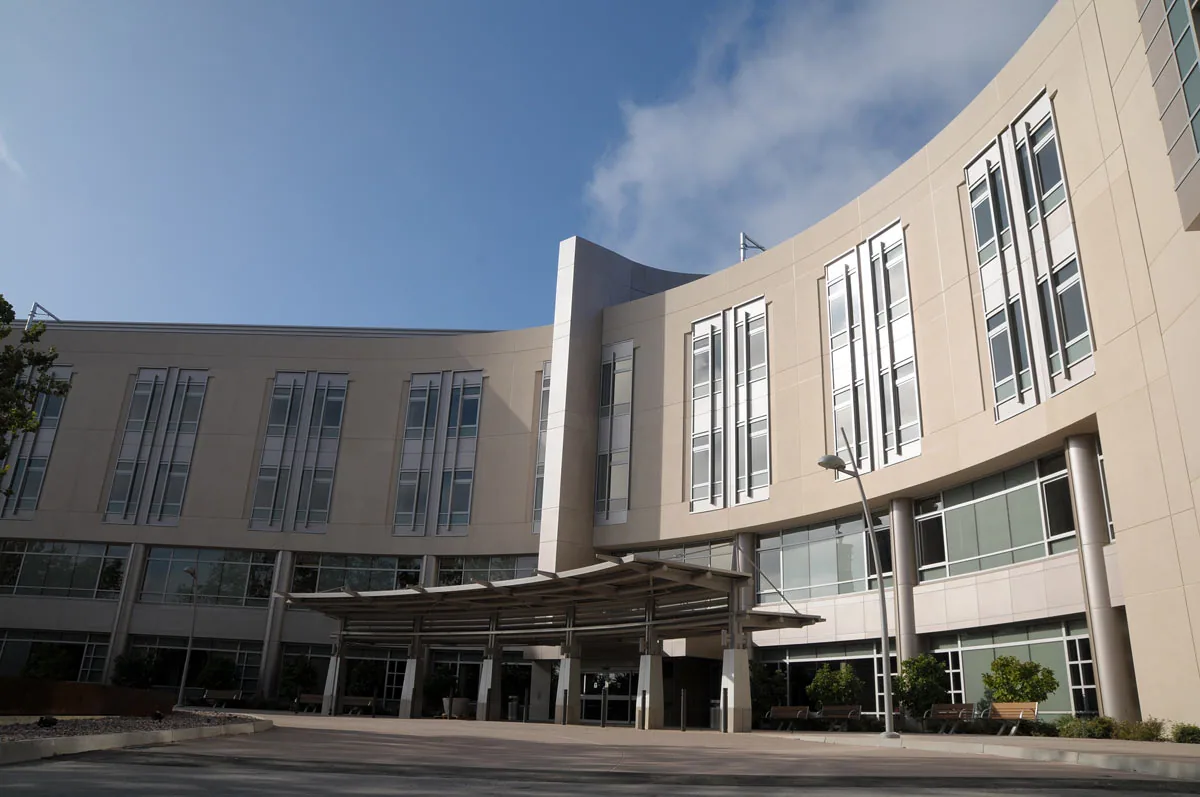
Holston Valley Hospital, operated by Ballad Health, employs about 1,355 people, and Kingsport City Schools and Eastman Credit Union are among the city's largest non-industrial employers. Hospitals, schools and offices each set their own rules for infection control, summer schedules and quiet hours, and the plan follows whichever apply to the building.
Downtown Kingsport has several renovations underway, including the Kingsport Grocery and Citizens Supply buildings. Renovation adds trades to the roof. Electricians, mechanical crews and masons may all need access, so the roofing sequence includes handoffs: who finishes first, who inspects and who signs. Street limits in downtown Kingsport set where a crane can stand, so the pick location is checked against the street plan first.
Permit, Inspection and Weather Windows
The permit goes to the City of Kingsport Building Department before the first section opens. A commercial reroof there is filed as one stamped plan set with a PDF copy, and the tenant representative gets a copy of the approval beside the schedule. If the contract passes $25,000, the Tennessee contractor license and the insurance certificates travel in the same package, so nothing waits on paper once the crew is mobilized.
Weather enters as a buffer in the schedule, not as an excuse. Rain reaches the roof on about 133 days of the year, which adds up to roughly 45 inches, and the temperature record runs from a low near minus 18 F to a high of 104 F. Morristown forecasters have put 60 mph gusts and hail into county warnings, so the crew checks the forecast before each opening and closes the sections early whenever the sky turns.
Closeout and Punch List
At closeout we walk the roof with the superintendent and the building manager. Each tie-in, penetration and drain is checked against the plan and photographed. Items found go on a punch list with an owner and a date. The roof is swept, debris is removed and drains are confirmed clear.
The closeout package holds the photographs, the permit sign-off, the material list and the warranty papers. A later replacement or recover starts from that same file, so the next inspection begins with a known roof.
What We Need From You
Send the site plan, the roof access points, the tenant schedule and the outage or turnover calendar. We will build the phasing plan before pricing is locked. A hospital roof and an office roof get different plans, but both start with the access route.
Commercial Roofing Questions
How do you keep tenants open during a reroof?
We phase the roof into sections that are dried in by the end of each shift, protect the space below and write quiet hours into the plan. We recommend a named contact on each side who can stop the work, with each stop logged by cause and by the time work resumed.
What is the first thing you need from a general contractor?
The site plan, the roof access points and the tenant or outage calendar. Send them ahead of any price, because the phasing plan grows from those three items, and a price written without it shifts once the real access route is known.
How do you handle hidden deck damage?
The deck is inspected as soon as the old roof comes off. Damage is flagged, photographed and priced before new material goes on. We recommend a unit price for deck repair in the contract, so a discovery does not stop the job while the number is argued.
Can work continue in rain or wind?
No section stays open if rain or gusts arrive. Kingsport sees severe thunderstorm warnings with 60 mph gusts and hail, so we watch the forecast before each opening. We recommend a buffer day for every phase. A closed section costs a day, and an open one can cost a ceiling.
What permits does an occupied reroof need?
The city roof permit, filed as a stamped plan set with a PDF, plus the Tennessee license and insurance proof once the contract passes $25,000. We recommend filing the submittal when materials are ordered, so the review runs alongside the order and the crew is not waiting on paper.