An acquisition roof review begins with a signed access letter. Without it nobody gets on the deck, and without the deck there is no basis for a reserve. We ask the investor for the access letter, the seller's roof records and the closing calendar before we schedule anything else.
From there the work is a sequence: walk, record, price the options, then phase the capital across the hold period. Investors and REITs holding commercial property in Kingsport, TN, whether they manage in-house or through a property manager, get a roof plan they can drop into a pro forma, with the permit path and the contractor license rules already built in.
The First Step Is the Access Letter
A diligence walk needs three things in place: written access from the seller, a roof hatch or lift location, and a quiet window that the tenant has agreed to. We confirm all three before we mobilize. If a tenant controls the hatch, we ask for the tenant contact by name.
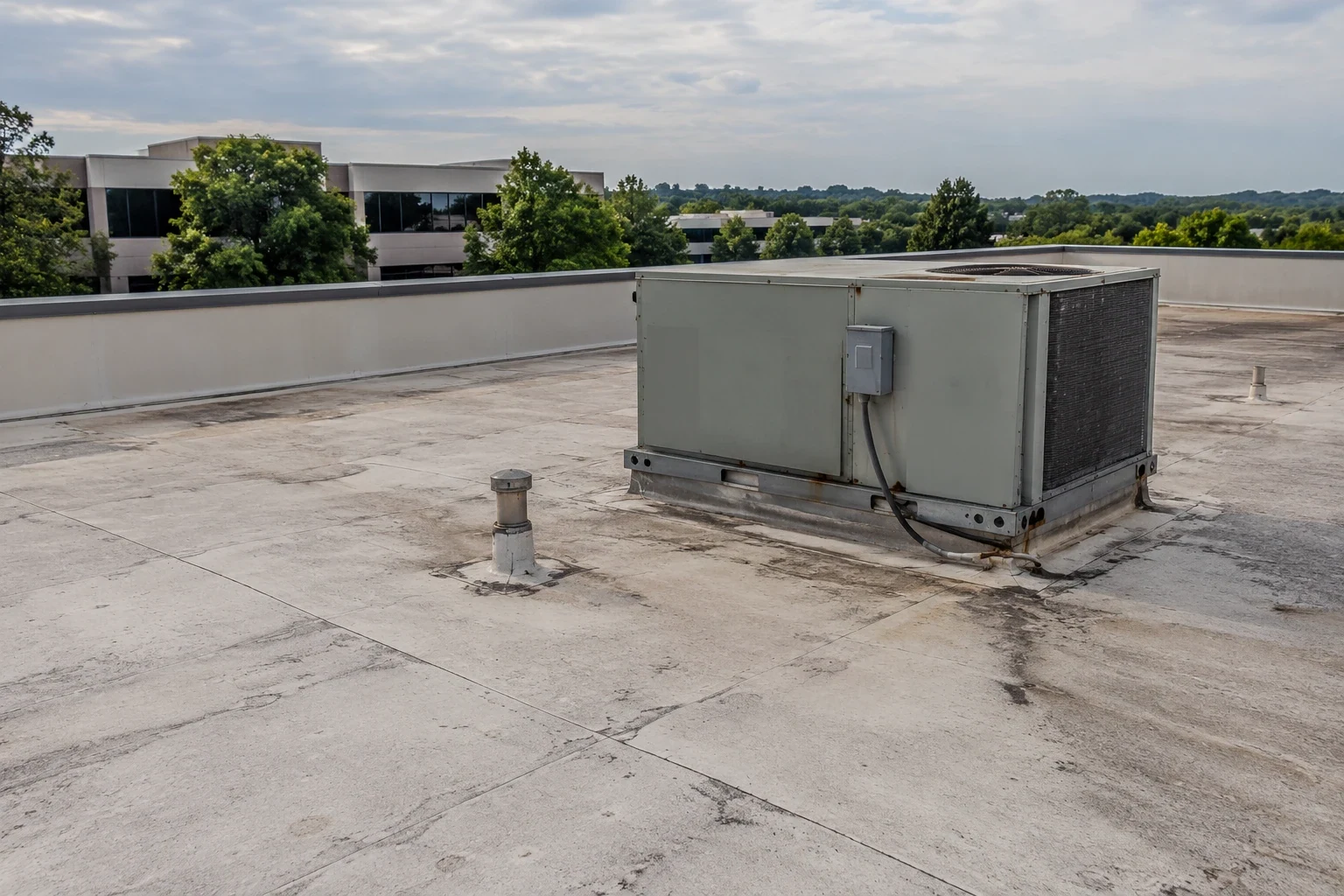
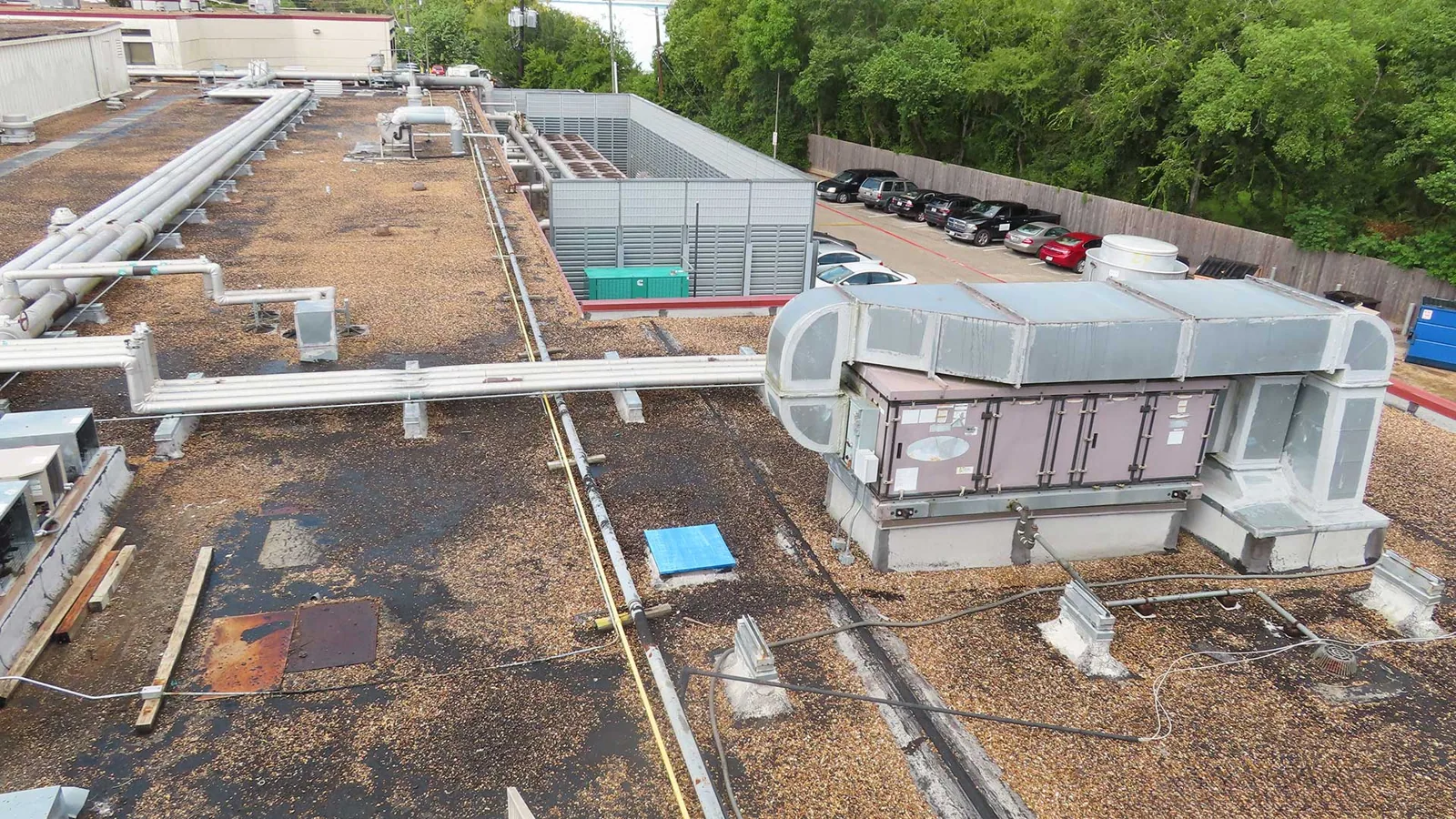
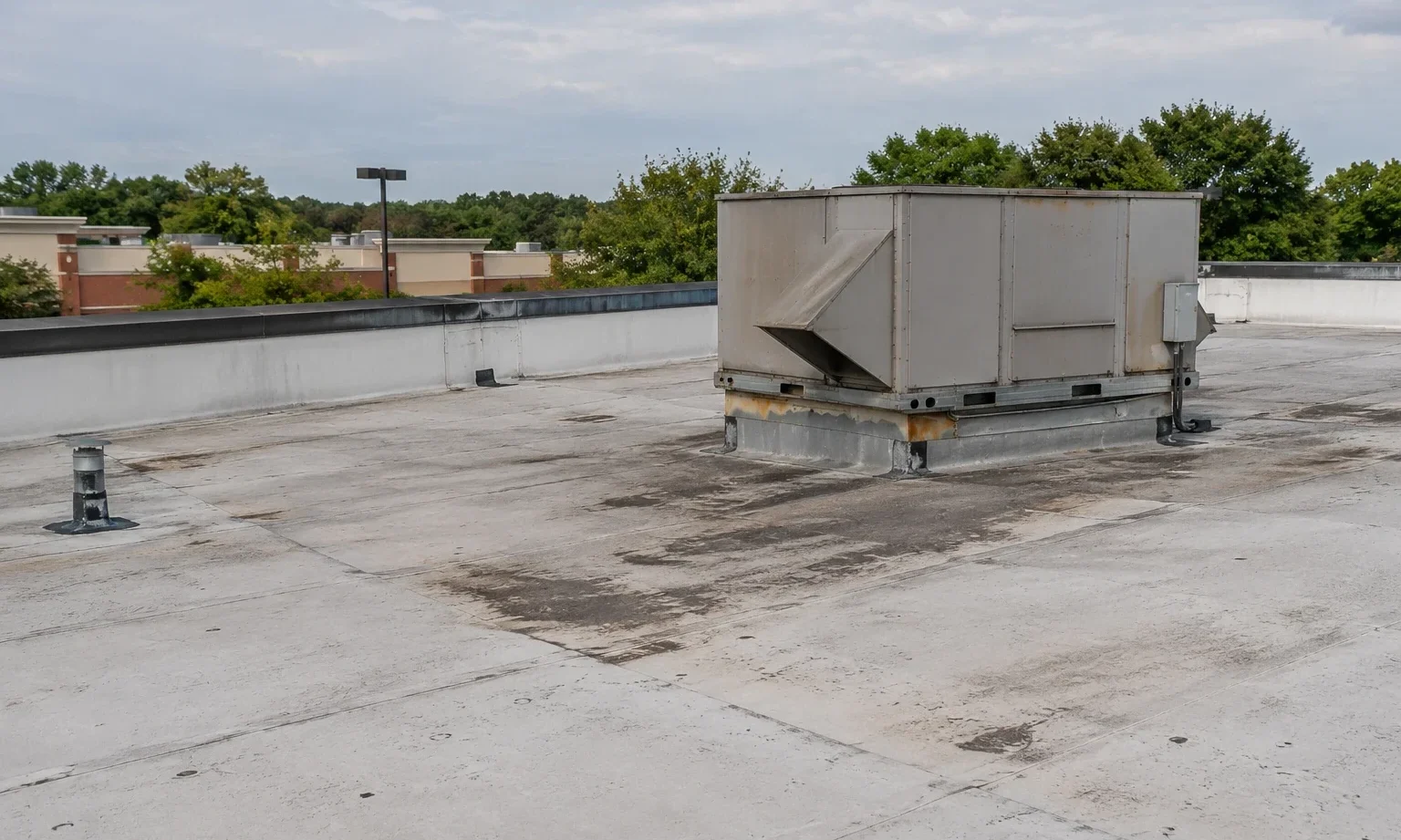
The walk itself runs in a fixed order. Perimeter and edge details first, then penetrations and equipment, then the field, then drains. Each item is photographed and tied to a plan reference, so the report can be checked section by section against what the seller disclosed.
The seller's disclosure list gets read against the walk. Where a roof report says a section was replaced, we look for the permit record and the warranty file. Where the two do not match, the question goes back to the seller in writing before the diligence window closes.
Access, Staging and the Diligence Window
Diligence windows are short. A thirty-day period leaves room for one site visit, one set of core samples and one round of questions. We plan the visit around the tenant's quiet hours and keep equipment off the lot except what the sampling needs.
If a roof needs follow-up work to close, the staging plan and haul route are drawn at the same time, so the buyer sees what a repair would require on the ground. Laydown area, crane pick and material hoist locations are marked on the site plan.
Core samples are taken only where the seller and tenant allow it. Each cut is patched the same day with matching material and photographed, and the patch locations go on the plan so they are never mistaken for failures later.
Sequence of Work From Report to Capital Plan
The report lists each roof section, its condition, the repair or replacement options and the order we would take them in. The tear-off sequence for a replacement is laid out section by section, with the dry-in point at the end of each day.
A due diligence roof survey becomes a roof capital plan once the options are priced. The plan spreads work across the hold period, so the first section goes in the year the section needs it and the sound sections wait.
Each option in the plan carries a start condition, such as a permit issued, a tenant relocated or a material delivered. The investor can see what has to be true before section one begins.
Where an owner holds several buildings, the plan ranks them by risk and by tenant calendar, so the first project proves the schedule and the rest copy it. Crews, hoists and permits move from site to site in the same order each time.
Phasing Around Tenants and Redevelopment
Fort Henry Mall, which opened in 1976, has 529,814 square feet of leasable area. When Sears closed in 2017 and JCPenney around October 2020, large vacant spaces of the large-format retail kind were left behind. Hull Properties has put more than $5 million into the mall across five active projects, and Rural King moved into the old JCPenney space in May 2025. A roof plan for a redevelopment like that has to follow the leasing plan, so vacant spaces get their work first.
Across Fort Henry Drive and the Stone Drive corridor, a roof project may share the site with tenant improvement work. We ask for the construction calendar and hold the loud phase clear of it.
Eastman Credit Union bought a 10-acre tract on Wilcox Drive in 2017 for support staff near its MeadowView Parkway headquarters, a reminder that parking and traffic patterns around an office site shift during a hold period. Roof plans that look five years ahead should assume that tenants, parking and traffic patterns will move.
Permit, License and Insurance Path
Permit timing belongs in the closing schedule. The city issues a roofing permit for any roof job, a reroof included, and a commercial roof goes in with a stamped plan set and a PDF. Once the price tops $25,000, a Tennessee contractor's license is mandatory, and the city wants workers' comp and general liability certificates in the submittal.
The city's Building Department reviews them against the IBC and the IECC. The submittal goes in as soon as the scope is fixed, and the permit date drives the start date for the first section.
Weather Windows for the Hold Period
Across a hold period a Kingsport roof takes roughly 45 inches of rain and snow a year, with a record low near minus 18 F and a record high of 104 F. That spread is hard on membranes and flashings, and it argues for scheduling replacements in the drier months.
Storm exposure matters for reserves. NWS Morristown has warned Sullivan County of 60 mph gusts and hail in severe thunderstorms, so wind and hail outweigh tornadoes here. We keep a reserve line for post-storm repairs, and the plan lists what is secured when a warning posts.
Closeout, Punch List and the Exit File
When a section is complete, the owner's representative walks it with us and the punch list is photographed. At exit, the seller's package carries as-built drawings, product literature, warranty files and the permit record, which shortens the buyer's review.
Items still open go on the exit file with a date and an owner, so a buyer sees what was finished and what was left.
Commercial Roofing Questions
How should an investor sequence roof work against a refinance?
Schedule the diligence walk and report at least a quarter before the refinance, and finish any repair that the lender will flag. The report and permit record can then go in the loan package. We recommend closing open items before the appraisal.
Can vacant large-format spaces be left alone while leasing is pending?
Leave them dry. A vacant space still needs its drains cleared and its seams checked, because water gets in without anyone noticing. We recommend a simple inspection schedule until a tenant is signed.
What does the report give a lender?
It gives photographs, a section-by-section condition, a recommended order of repairs and cost ranges. Lenders usually want the permit path and the warranty status as well, and both are included.
How do you handle a portfolio of small buildings?
Use one format and one calendar, and let the general contractor on any tenant build-out see the roof plan. Rank the roofs, price the worst section of each and schedule by access and tenant windows. A multi-site program keeps notices and permits on one track.
Is a roof recover a reasonable hold-period choice?
Sometimes. A recover can defer a tear-off when core samples show a sound deck and dry insulation. The scope should state the condition that would switch the plan to a replacement.
Who holds the contractor license for the work?
Above $25,000 the work requires a Tennessee state contractor license, and the city wants proof of workers' comp and general liability coverage in the submittal. We confirm both before the scope is priced.