A due diligence roof survey starts with the contract calendar, because the option period sets how many days the field work has before the buyer must decide. Everything else follows from that date: the access request, the inspection day, the cores, the report and the reserve pricing.
In Kingsport, TN we ask for the dates first and the drawings second. A buyer or lender who sends the option period, the seller contact and the building list gets a schedule back the same day. The schedule names the days for access, the days for cores and the date the report lands.
The Access Request and the Document Pull
Before the field visit, the buyer's team asks the seller for roof drawings, warranty documents, repair invoices, permits and any past reports. Those documents are never complete, but they tell us what system is there and what has been done to it.
The access request names the roof hatches, ladders and lifts, the hours the seller allows and the tenants affected. For a multi-tenant building, tenants get notice. For a plant or a hospital, the seller's operations team approves the day. We plan the visit so it takes the least time in the building and leaves nothing disturbed. A strip center is usually a half-day visit; a plant needs a longer day and an escort. We confirm the length in the schedule, along with the lift or ladder the seller will provide and the tenants who need notice. When the seller controls access through a property manager, the request goes to the manager first and names the exact roof sections, so nobody is surprised by a lift on the lot.
- Roof plan, system type and age where known
- Warranty papers, permits and repair invoices
- Access points, hours and tenant notice
- Inspection day and core day
The Field Day: Photos, Readings and Cores
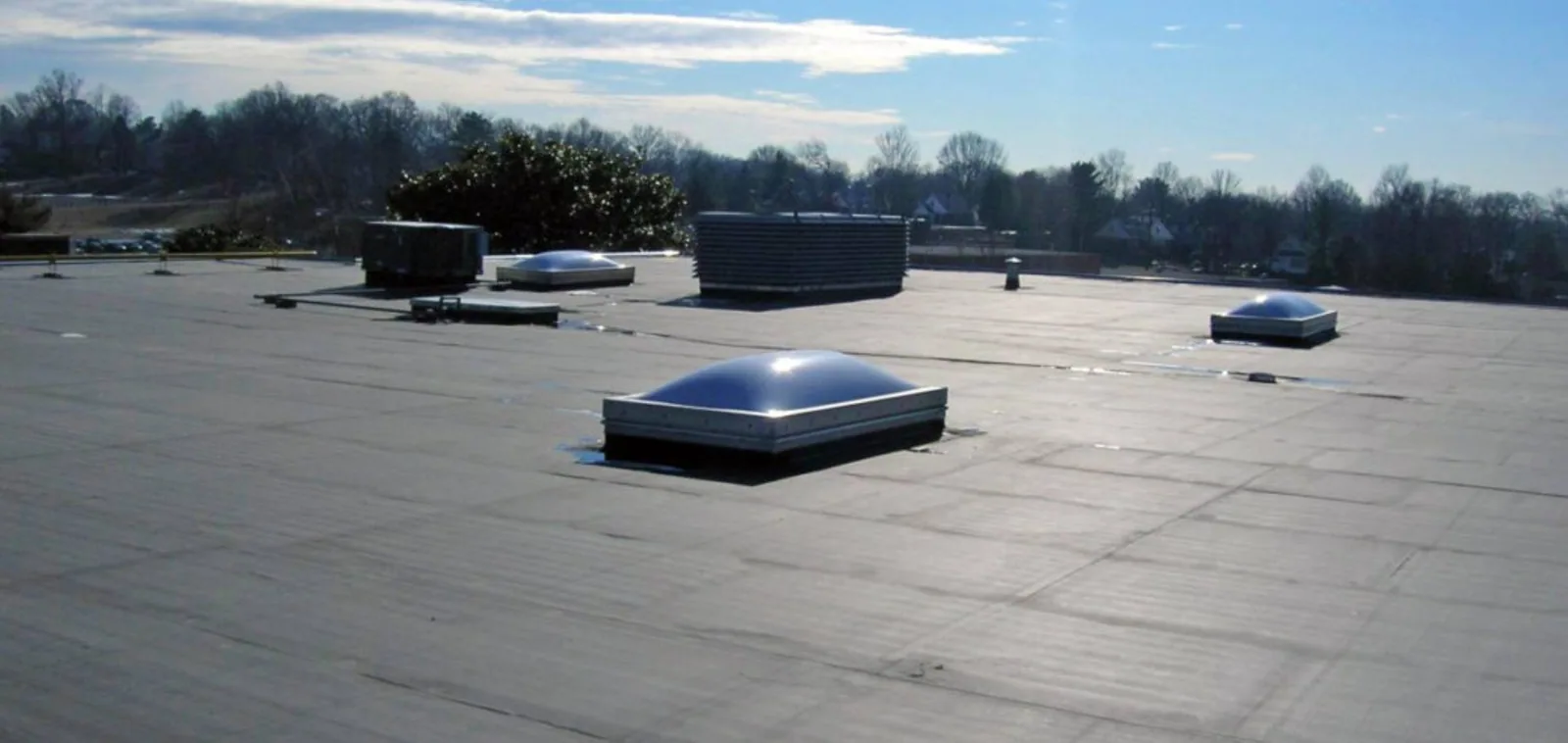
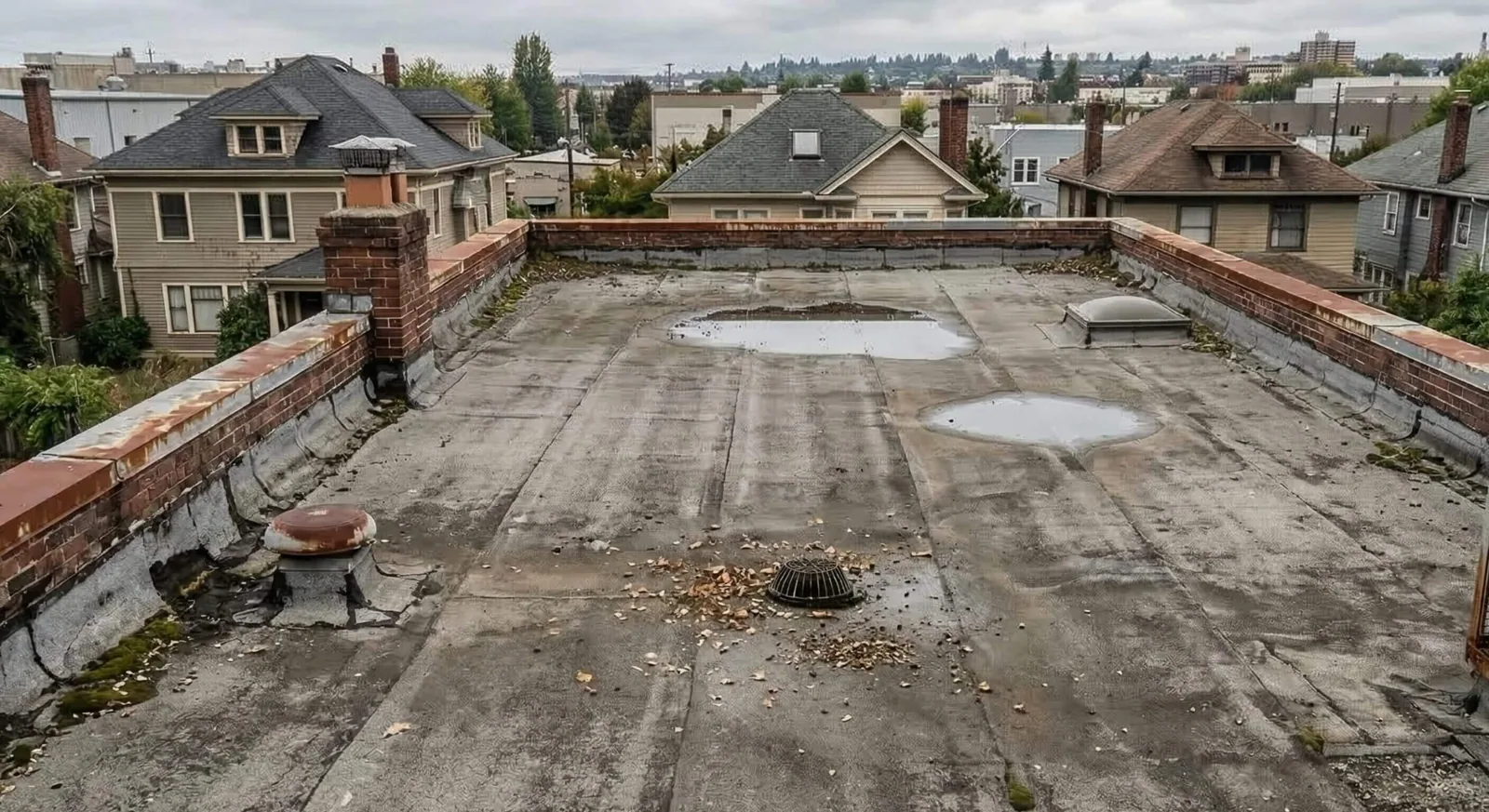
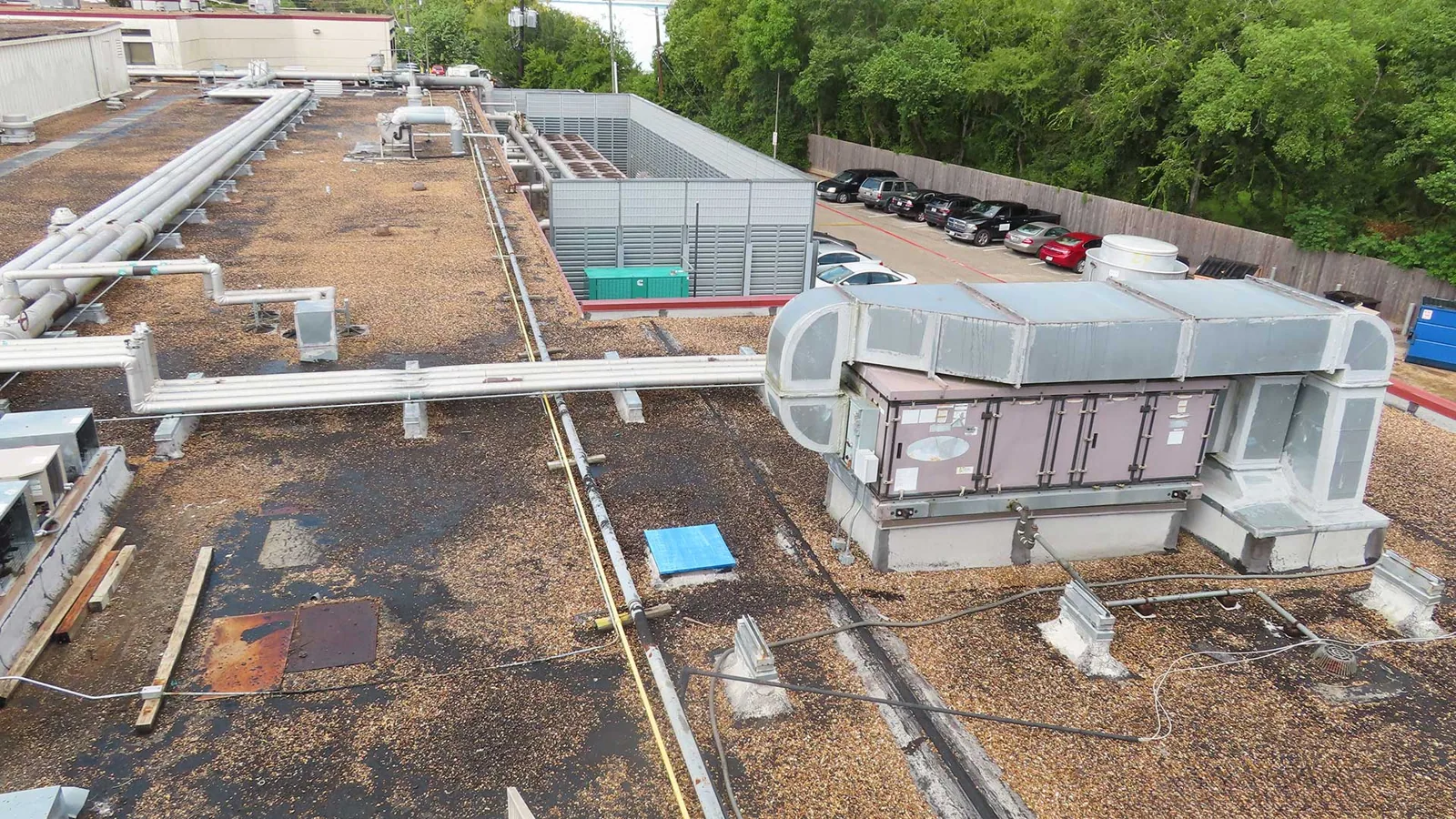
On the field day we number every roof section and photograph it from the access point. We walk edges, drains, seams, penetrations and equipment curbs in a fixed order. We record ponding, blisters, splits, open laps, failed sealant and prior repairs.
Moisture readings follow. A meter or an infrared scan flags areas where insulation may hold water, and cores confirm. An infrared moisture survey across the roof gives the buyer a map of where the money may go. Cores are patched the same day with compatible materials, so the seller's roof leaves the visit no worse than it arrived.
The Report: Ratings and a Priced Reserve List
The report follows the section numbers. Each section carries a condition rating, photos, readings and a recommended action: repair now, restore, replace within a stated window or monitor. The actions come with cost ranges driven by area, layers, insulation condition, access and equipment.
The last page is the reserve list. Buyers and lenders ask for the same three numbers: what must be spent in the first year, what is likely in the next few years and what the roof will need at the end of its life. The list answers all three from the field record, and each line ties back to a numbered section and a photo. It sorts the actions by year and gives the buyer a number to compare with the price, the reserve and the lender's requirements. A roof condition report in this format also becomes the baseline for the ownership period, so the first year after closing starts with a plan, and a roof capital plan can be built from it in an afternoon.
Surveys for Different Building Types
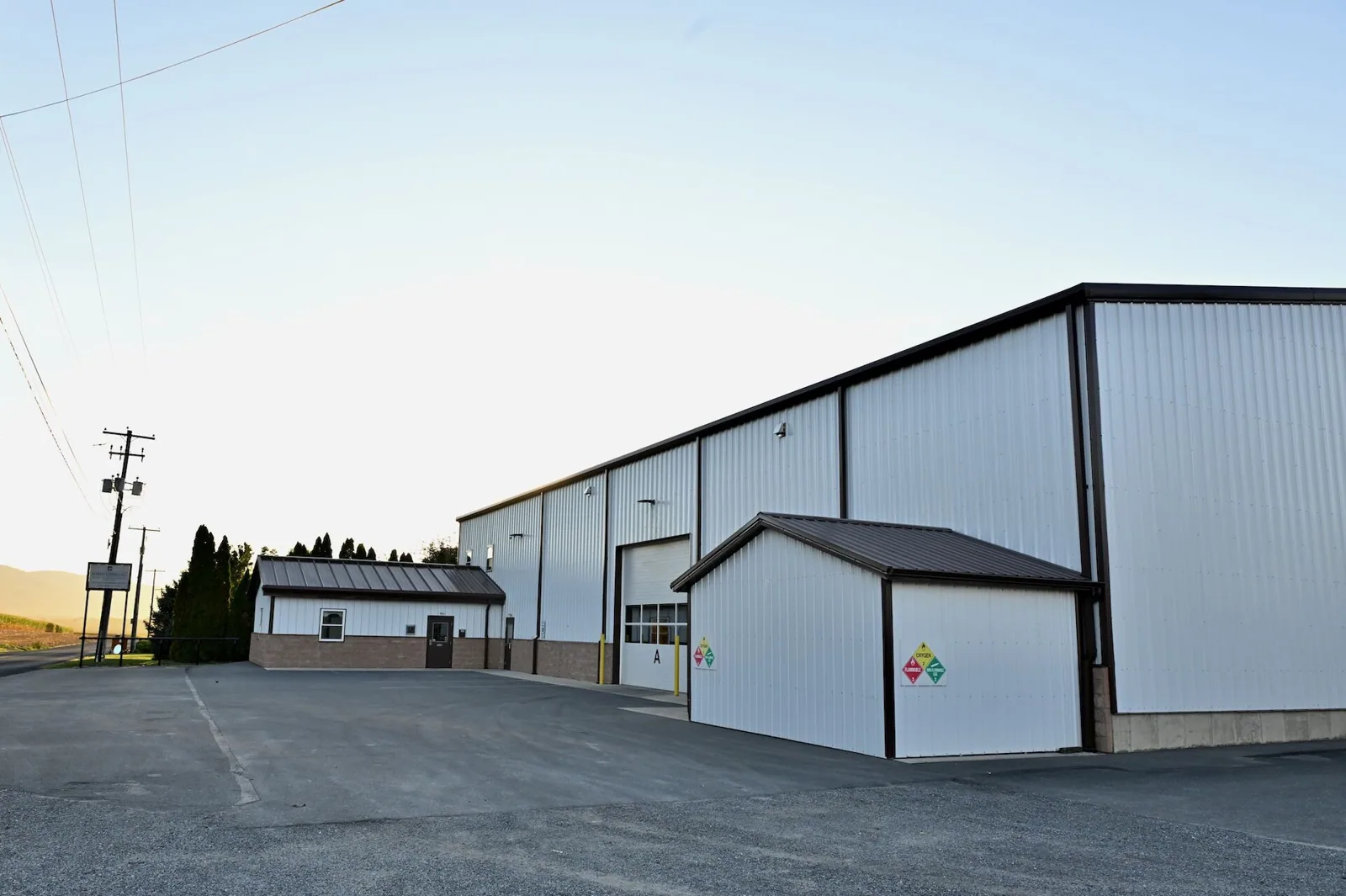
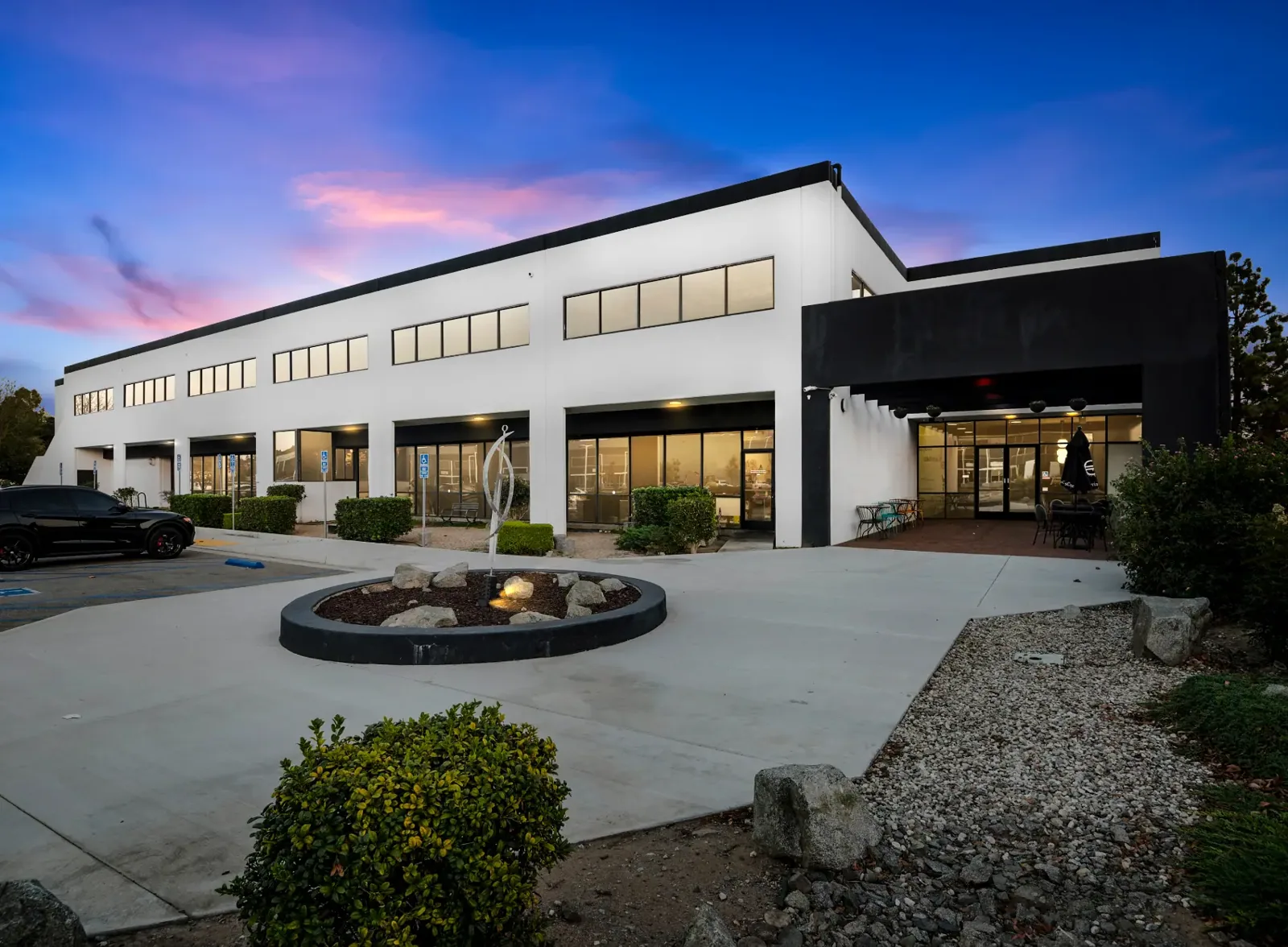
A strip center, a plant, a clinic and a warehouse each need a slightly different survey. A strip center survey focuses on shared drainage, tenant equipment and the parapet line. A plant survey focuses on process penetrations, exhaust and the turnaround calendar. A clinic survey focuses on the space below and the infection-control rules for access.
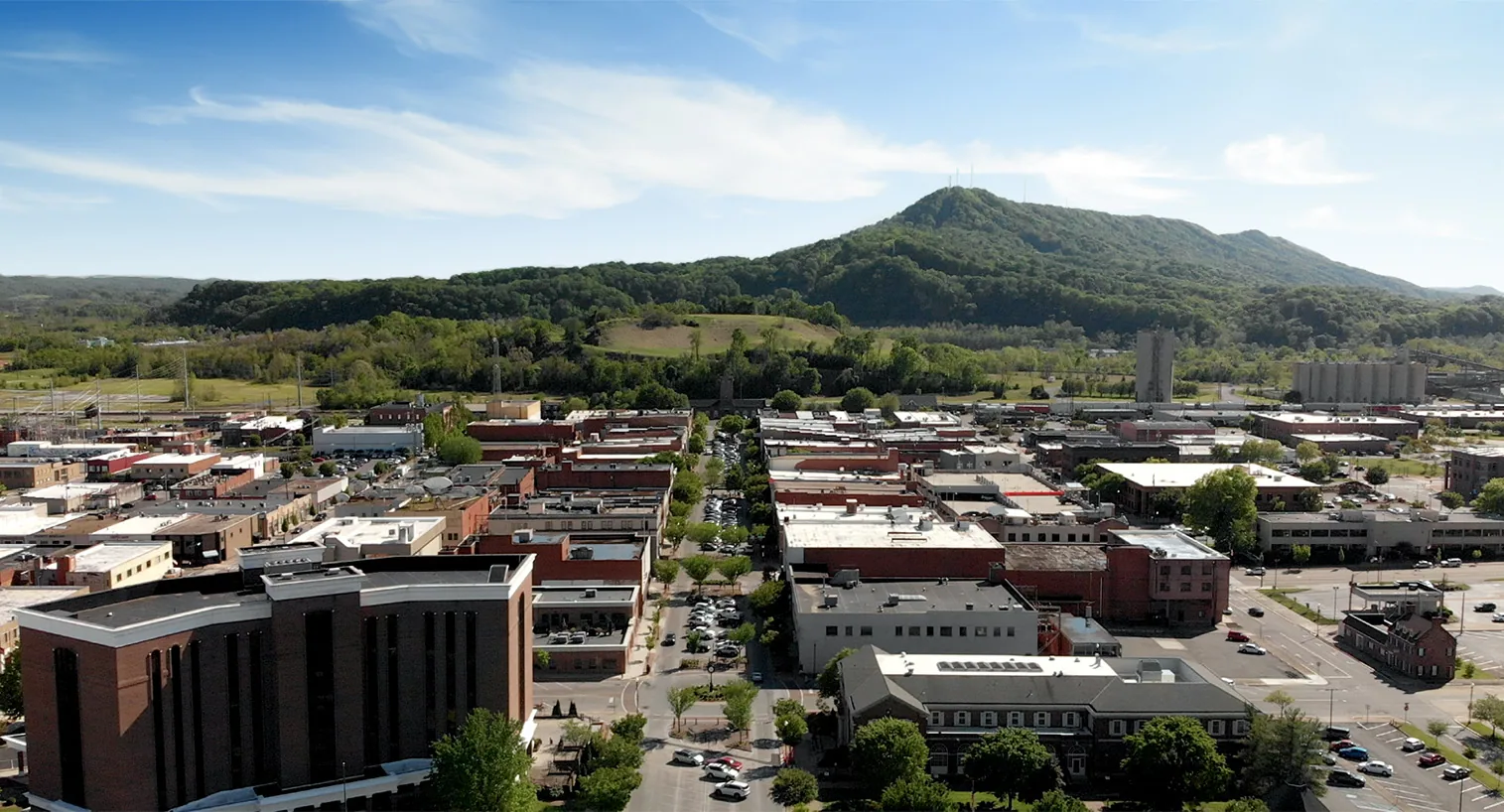
Kingsport has many building types in a small area. The city has more than 30 mixed-use centers and several downtown renovations underway, including the Kingsport Grocery and Citizens Supply buildings. Fort Henry Mall opened in 1976 with 529,814 square feet of leasable area. Each of these needs a survey that fits it, and we scope the field day to match. The same record can later grow into a full roof asset management file if the buyer keeps the building.
Permits, Code and Lender Requirements
The survey notes which recommended work will need a permit and a stamped plan set, so the buyer can budget design fees and lead time. For Kingsport reroofing that means a PDF copy of the set and, above $25,000, the Tennessee license and insurance proof. Lenders sometimes set roof requirements of their own, and the report notes those if the buyer supplies them. If a lender's consultant asks for a different rating scale, we map our ratings to theirs in an appendix instead of rewriting the report.
Weather and the Option Period
Weather can delay cores and thermal scans, so the field day goes early in the option period with a backup day behind it. Rain reaches Kingsport roofs on about 133 days a year, near 45 inches in all, and temperatures have run from minus 18 F to 104 F. A cold snap limits patch materials for cores, so we carry cold-weather patches, and Morristown warnings have cited 60 mph gusts and hail. Rain stops everything on a low-slope roof, and the backup day is there so a single storm does not cost the buyer the survey.
Infrared scans work best in specific conditions, so we plan for them. If bad weather pushes the scan, we say so in the report and give the buyer a choice about extending the option period.
What We Need From You
Send the contract dates, the building list, the seller contact, the roof drawings and any lender requirements. We will return a schedule, an access request and a priced report. Investors who hold buildings in several markets, as in real estate investors and REITs, get the same format at every site, and a retail buyer near Fort Henry Drive gets the same schedule as one in Bristol or Johnson City.
Commercial Roofing Questions
How long does a survey take inside an option period?
For a single building, the field day is one visit and the report follows within days. We recommend ordering the survey in the first days of the option period, so there is room for a second day if the weather or tenant access slips.
Do you cut cores during due diligence?
Yes, a small number, where readings suggest moisture, and we patch them the same day. We recommend getting the seller's written consent to cores before the visit. Without cores, a moisture finding is a hint and not a measurement.
What does the reserve list include?
Recommended actions sorted by year, with cost ranges. It does not include operating costs or code upgrades unrelated to the roof. We recommend comparing the first-year total with the price discussion, and the later years with the lender's reserve rules.
Can the report be shared with the lender?
It can. We recommend sharing the full report, not a summary, so the lender sees the photos and readings. The lender's own consultant may ask questions, and we answer them from the field record.
What if the seller will not allow access?
Then we work from drawings, photos, drone images and exterior observation, and the report states the limits. We recommend asking the seller early. A report without access is better than none, but it cannot confirm saturated insulation without readings.