The exposure survey opens a PVC job: what lands on the roof from the building below, and where. Kitchen exhaust, process steam, oil mist and chemical discharge all change how the membrane is chosen and how it is detailed. In Kingsport, TN, with a chemical, paper and ordnance manufacturing base, the question is asked early.
With the exposure map in hand, the work follows a set order: substrate preparation, insulation, the sheet, welded seams, flashing and a final test. Each step names the next trade.
Exposure Survey and Substrate Preparation
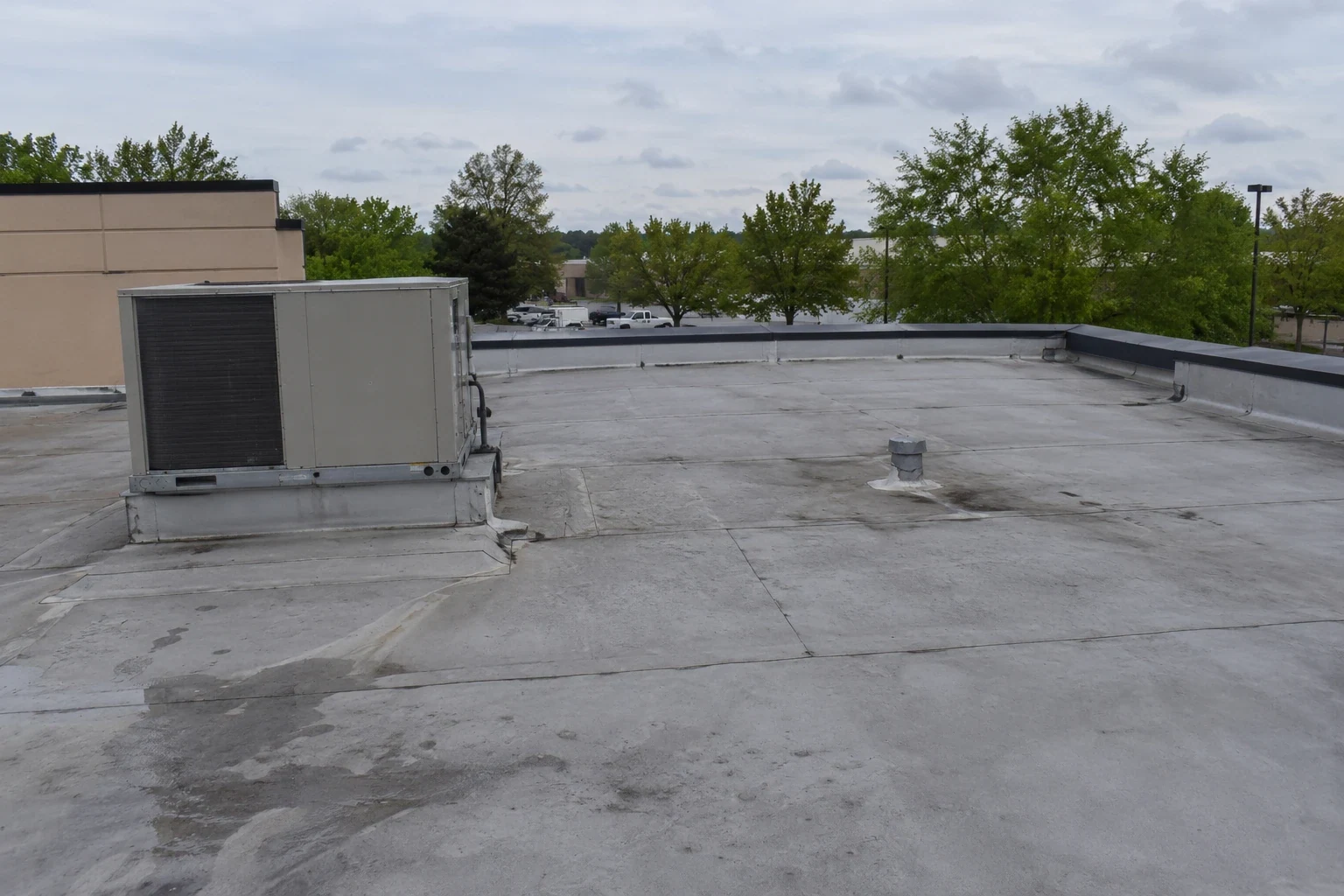
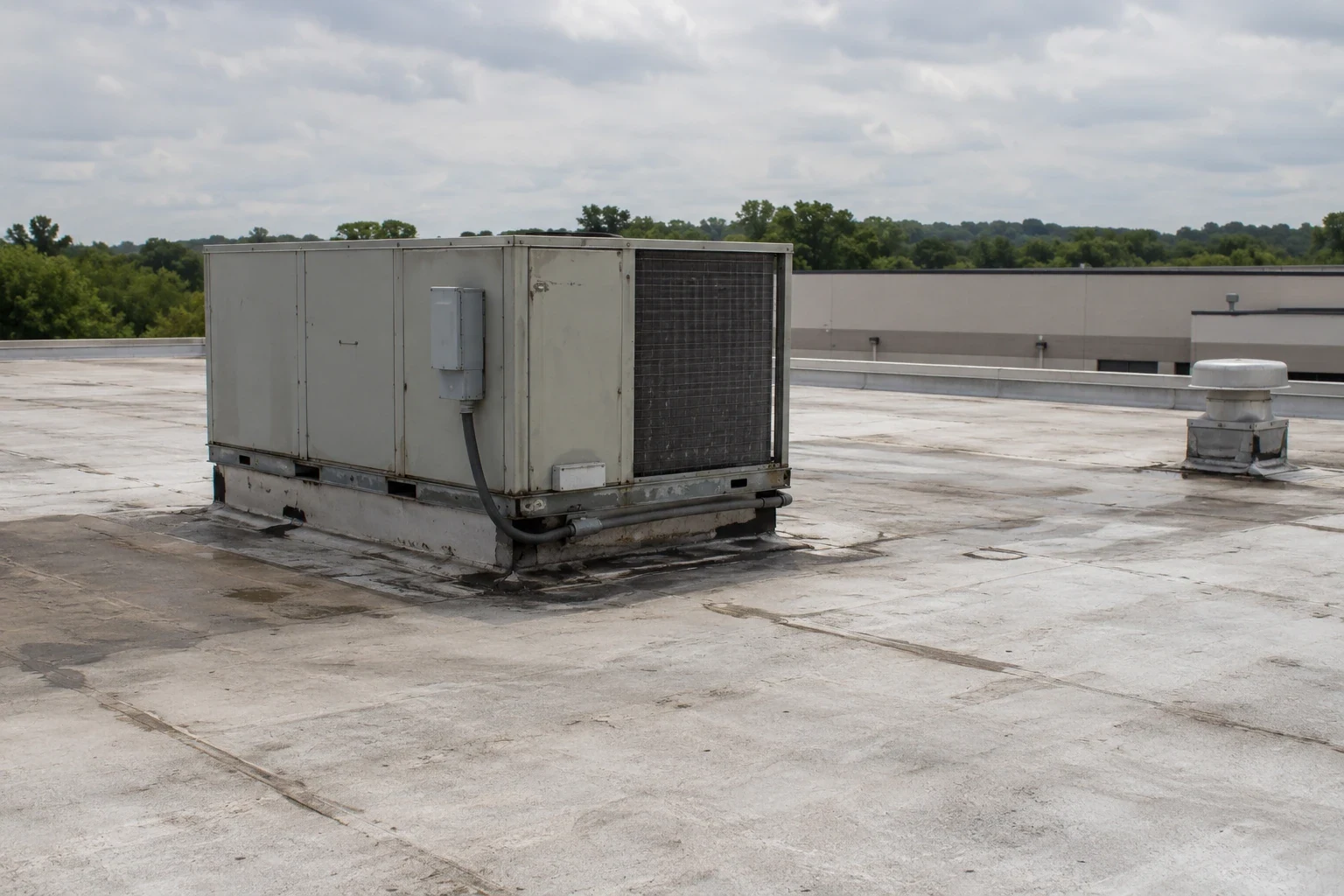
We walk the roof with the plant or facility engineer and mark every discharge point. Exhaust fans, stacks, relief vents and drain outlets each get a number and a photograph. Then we sample the existing surface and the layers beneath it with core cuts.
The survey sets the scope. A roof with heavy grease or chemical exposure may call for a membrane that tolerates it, along with walk pads and splash guards at the discharge points. A roof with little exposure may suit a lower-cost sheet. The general contractor receives the recommendation with a price beside each membrane choice.
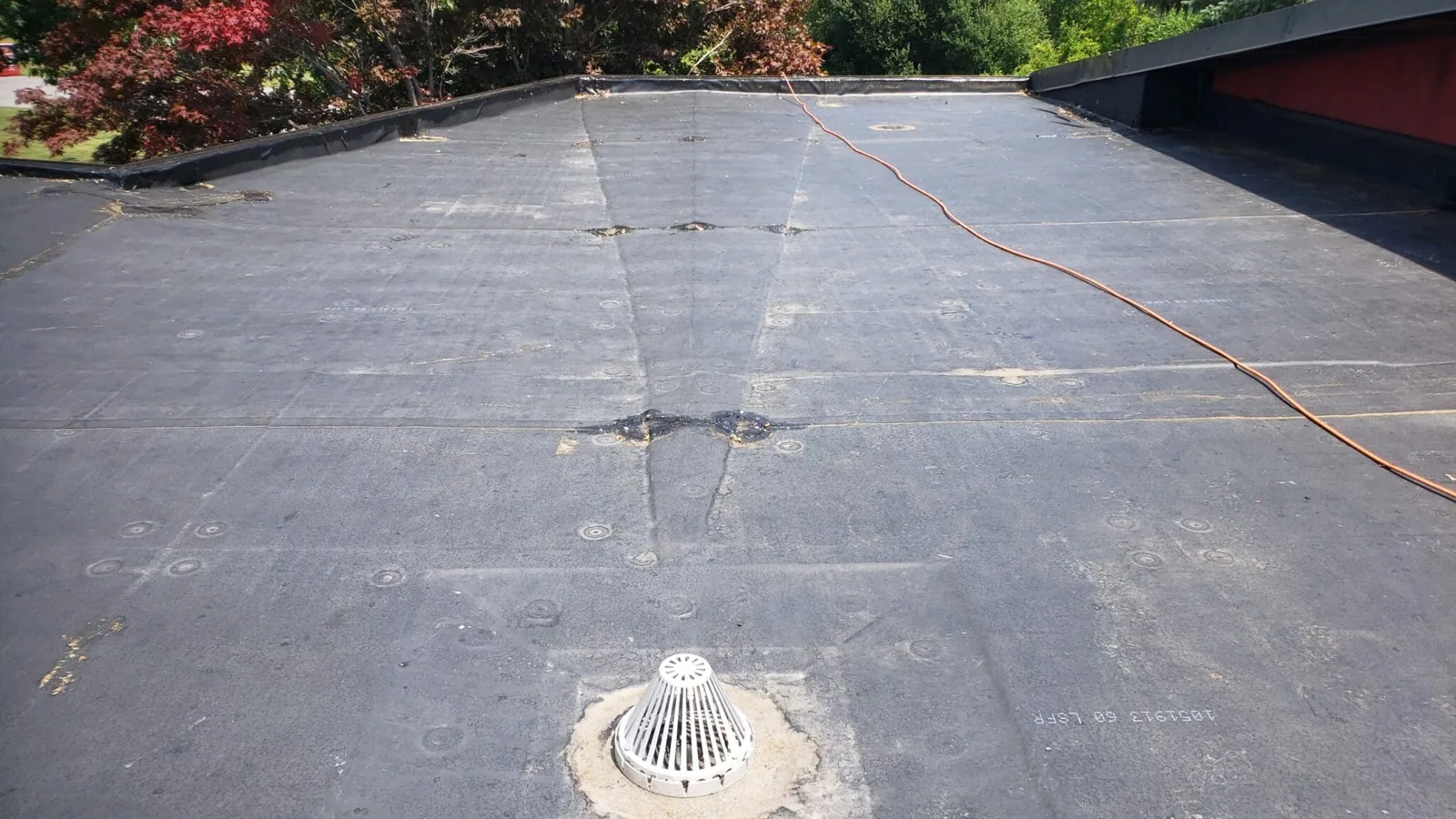
Drainage is part of the same survey. We mark every drain, scupper and overflow, check slope and photograph ponding after rain. The industrial parks at Phipps Bend in Hawkins County, served by Norfolk Southern rail, and the Tri-County Industrial Park at Piney Flats are the kind of ground where the survey records what each roof carries.
Why PVC for Exhaust and Chemical Exposure
PVC membranes are welded with hot air, and many formulations tolerate grease, oils and a range of chemicals better than other single-ply sheets. That is why they appear on roofs under restaurants, food service and some process buildings. The sheet is not immune. Contamination on the surface can still prevent a weld from bonding.
We clean every overlap before welding and test the weld. On roofs with continuing exposure, we recommend a cleaning schedule and a re-inspection after the first season. The KEE membrane is an alternative for the heaviest oil and fat exposure. We price both on the same scope when the survey calls for it.
Installation Sequence and Weld Testing
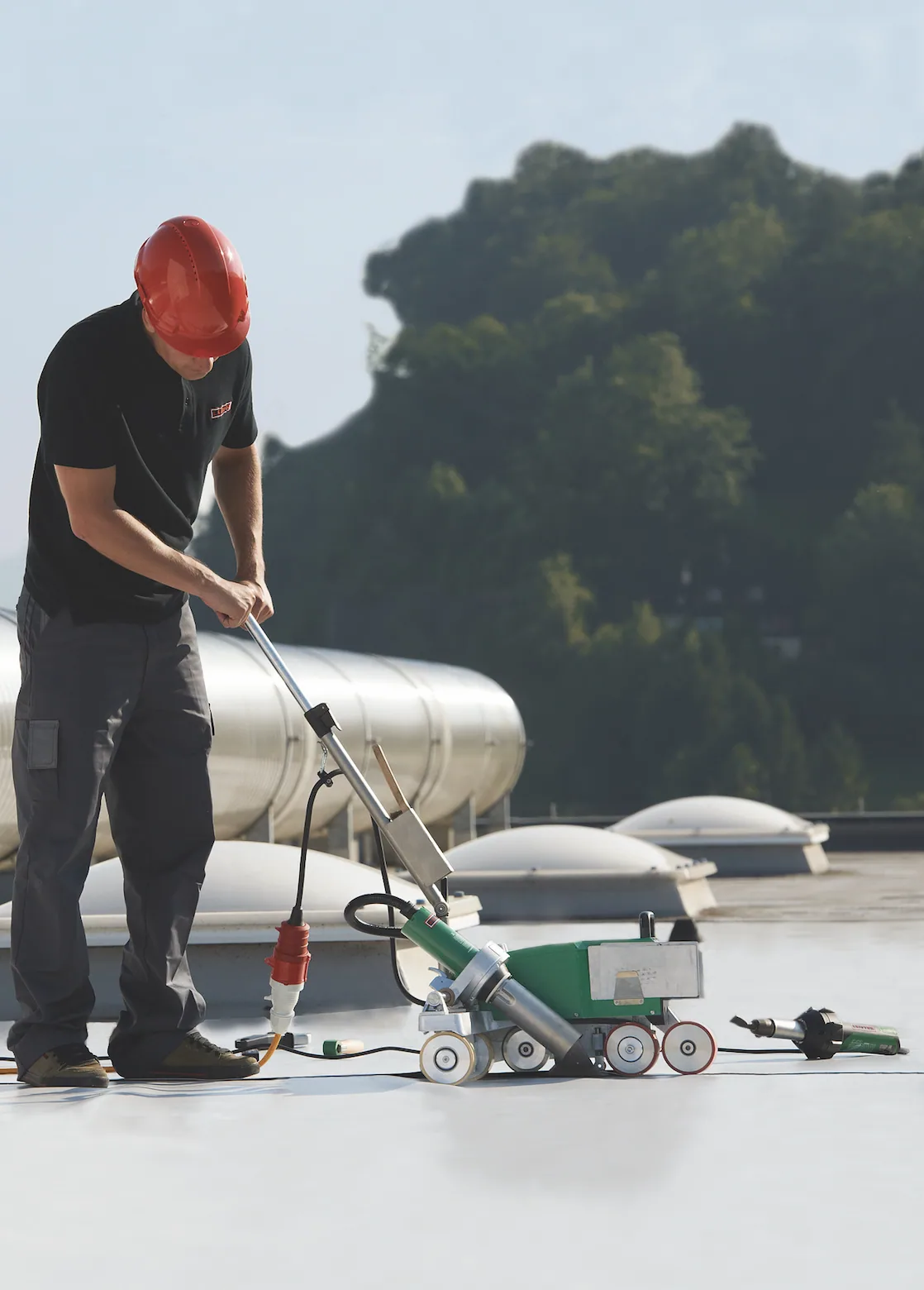
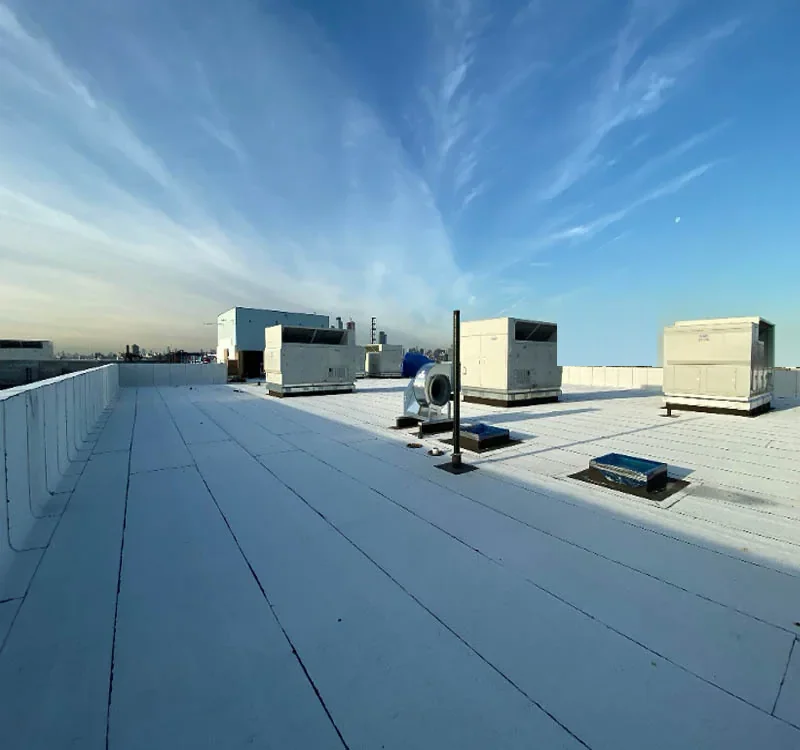
Insulation goes down first, followed by cover board where specified. The sheet is rolled out, positioned and attached by the chosen method. Seams are welded by machine along the field and by hand at details. Every shift begins with a test weld, and an inspector runs a probe along the seam edge for voids and cold spots.
The probe results are logged with a location and a photograph. An open weld is repaired and probed a second time before the crew goes home. Prefabricated corners and pipe boots are welded in, and the work is inspected before the next trade arrives. The log becomes part of the closeout package.
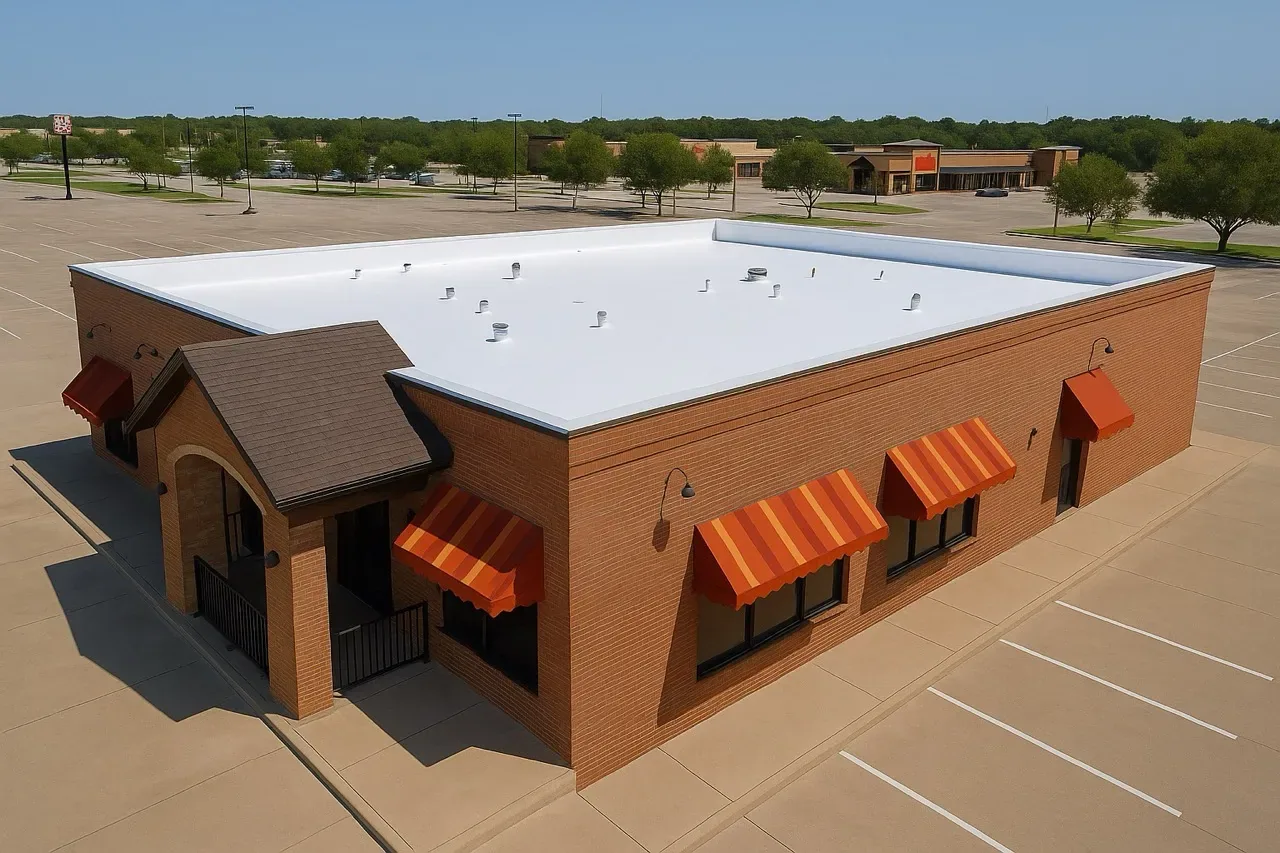
The sequence matches a TPO job, but the PVC sheet needs more care at cold temperatures and at contaminated surfaces. If the owner wants to compare, we price a rubber membrane as well. Each option goes on the same scope, with the same insulation and drain work, so the price differences are the membrane itself.
Phasing Around Plant Outages and Operations
Eastman Chemical, Holston Valley Hospital and BAE Systems are among the city's largest employers, and the Domtar mill, converted in 2023, adds a paper-industry roof to the mix. Plants set outage calendars, hot work permit rules and access procedures, and our phasing plan fits whichever apply.
A turnaround outage is a narrow window, and roof work inside it needs a crane pick, a laydown area and a clear haul route. The plan names the pick location, the delivery times and the night shift handoff. Where exhaust must keep running, the work zone is cut around it and the discharge is protected during the work.
Hot work permits come into play wherever torches or heat guns are near process areas. PVC welding uses hot air, not flame, which many sites accept more readily, but the permit still names the area, the method and the fire watch. We submit the permit request with the work plan, not after it, because the review can take as long as the material order.
Permit, Inspection and Weather Windows
The submittal for a PVC reroof goes to the Kingsport Building Department as a stamped plan set with a PDF, filed when the sheet is ordered. Where the contract tops $25,000, the Tennessee license and the workers' compensation and liability certificates travel with it, and a plant owner's own prequalification form can add more paper to the same package.
Precipitation reaches roughly 45 inches a year here, falling on about 133 days, and the record stretches from minus 18 F to 104 F. PVC stiffens in the cold and a weld will not take on a wet surface, so field work is set for the milder weeks with a rain buffer. Morristown storm warnings that mention 60 mph gusts and hail matter for another reason: a sheet open at the edge can lift, so no edge is left open at day's end and the forecast is checked before each opening.
Closeout, Cleaning Schedule and Punch List
At handover the plant representative and the superintendent join us on the roof. Every seam, flashing and drain is looked at and photographed, and anything still open is listed with a name and a date. The weld log, the exposure map and the warranty papers form the package.
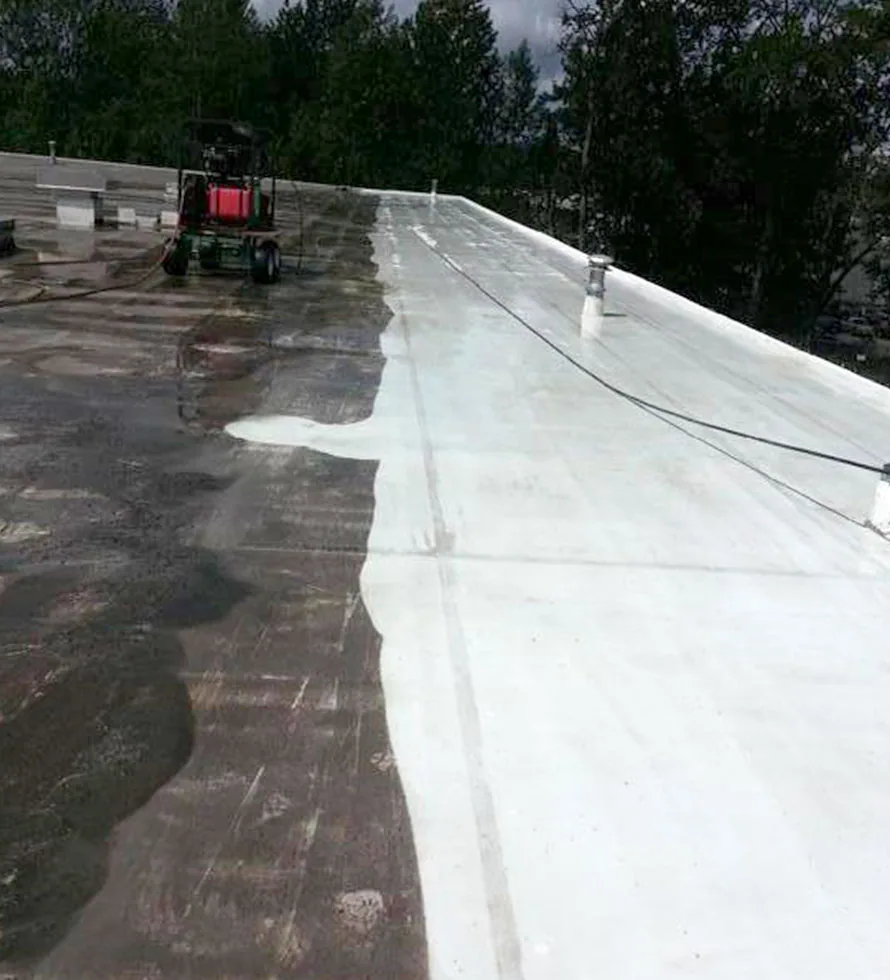
The exposure map and cleaning schedule matter most in the years after handover. Grease left on a PVC roof collects dirt and hides defects. A restaurant roof gets a cleaning visit each season. A manufacturing plant roof gets one tied to its exhaust load.
What We Need From You
Send the roof plan, the exhaust and discharge list, the access points and the outage calendar. We will return a phasing plan. A repair on an existing PVC roof, handled as commercial roof repair, follows the same order, and an owner in downtown Kingsport sends the same items.
Commercial Roofing Questions
Why choose PVC for a roof under kitchen exhaust?
Many PVC formulations tolerate grease and oils better than other single-ply sheets. We recommend an exposure map before the choice is made. The map shows where discharge lands, so walk pads, splash guards and cleaning visits go where they matter most.
How are PVC seams tested?
By probing the seam edge after the weld, with a test weld at the start of each shift. We recommend that the probe log be a contract deliverable. It records every defect, repair and re-probe by location and date.
What is the difference between PVC and KEE?
KEE is a PVC-alloy sheet formulated for heavier oil, fat and chemical exposure. We recommend pricing both on the same scope when the survey shows continuing contamination. The better choice depends on the exposure map and the planned life of the building.
Can PVC work happen during a plant outage?
Yes, if the outage window is long enough for the sequence. We recommend sending the outage calendar early. The plan fixes the crane pick, the delivery times and the night shift handoff, and it protects the exhaust that must keep running.
What happens to the roof after grease exposure?
It needs cleaning and re-inspection. We recommend a cleaning visit each season on roofs under heavy exhaust. Grease collects dirt, hides defects and can keep a repair weld from bonding, so the schedule saves repair cost later.