The holiday blackout comes first on a shopping center reroof, because an open roof between early November and the new year puts the busiest retail weeks at risk, so the schedule has to finish before that stretch or begin after it. We ask the property manager for the blackout dates, the tenant list with lease construction clauses and the common-area maintenance budget cycle. The phasing plan comes from those dates, and the city filing and material order trail it.
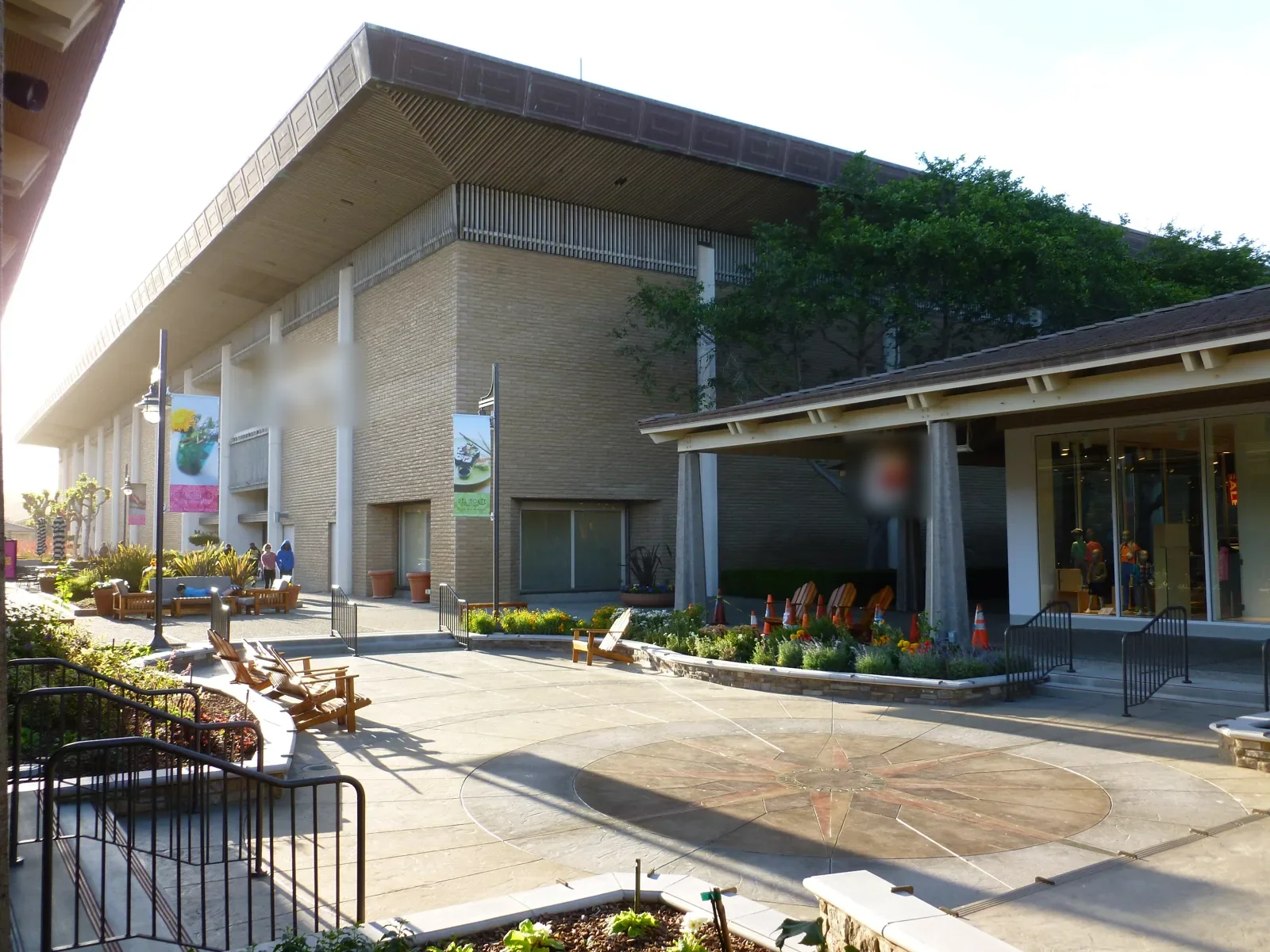
Retail properties in Kingsport, TN, run along Stone Drive, where U.S. 11W and U.S. 23 intersect, and along Fort Henry Drive near the enclosed mall. Owners of Kingsport Pavilion, Fort Henry Mall and Greenacres shopping center had talks with brokers about new tenants in 2022, and tenant changes drive roof work as much as age does. A new tenant often means a new rooftop unit, a new penetration and a new flashing. A grocery store or a restaurant in the center adds refrigeration or exhaust, and each has its own list of roof checks.
Holiday Blackout and Tenant Calendar
The schedule starts with the dates the center cannot afford to lose. Back-to-school, the holiday season and any lead tenant's own sales events are marked, and the roof is planned around them. Quiet weeks in late winter and early spring are usually the best, and the proposal shows the cost of a summer window against a spring window. Weather risk, labor availability and the tenants' sales calendars all enter the comparison, and the owner picks the window with the numbers in front of them.
Individual tenants have their own constraints. A restaurant cannot lose its exhaust, a pharmacy cannot lose its refrigeration and a salon cannot have dust in the air. We interview each tenant through the property manager, build the constraints into a matrix and show the roof sections in the order that respects the most sensitive tenants first. The matrix goes back to the property manager for approval, and each tenant receives the line that concerns it.
Tenant Bays and Rooftop Units
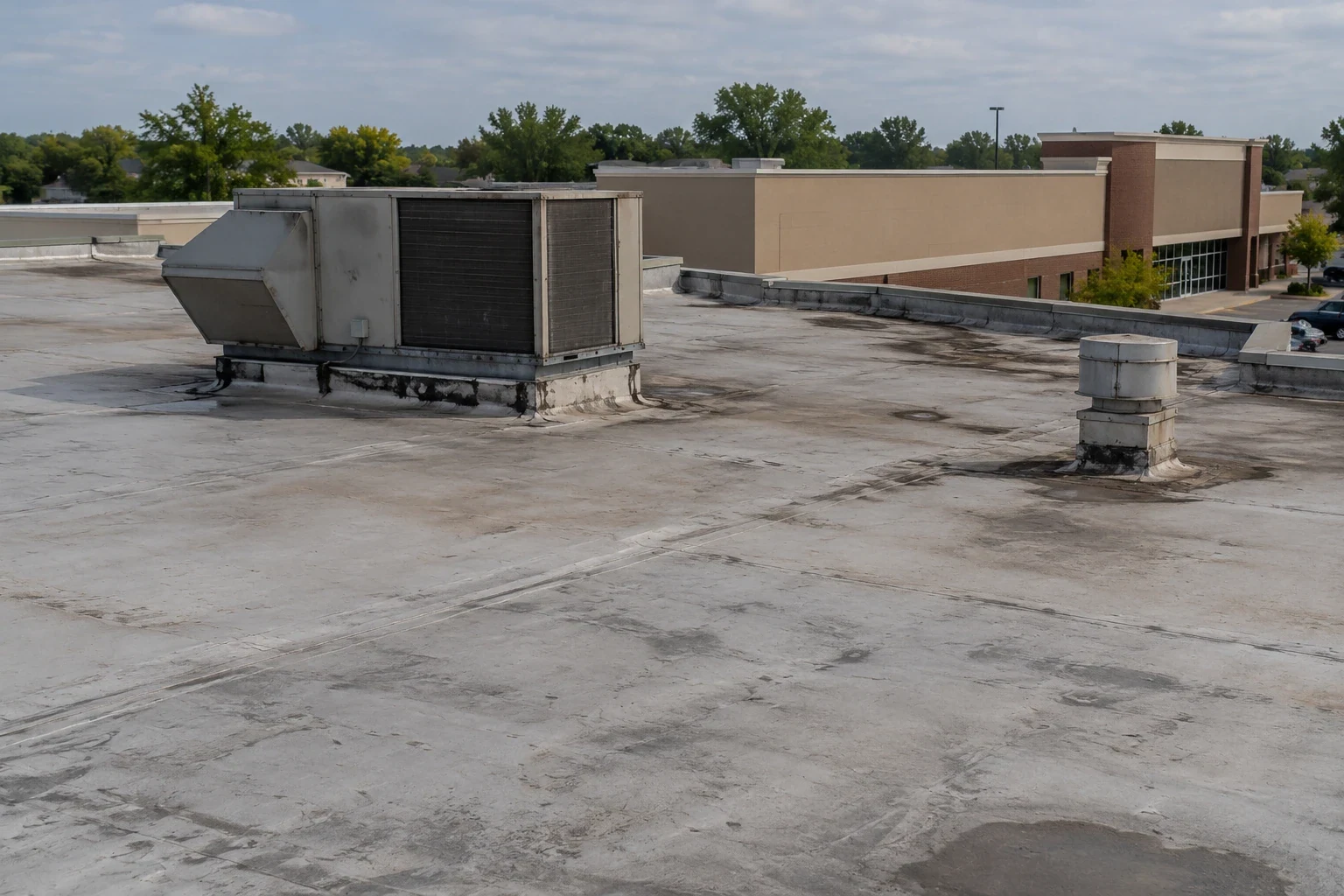
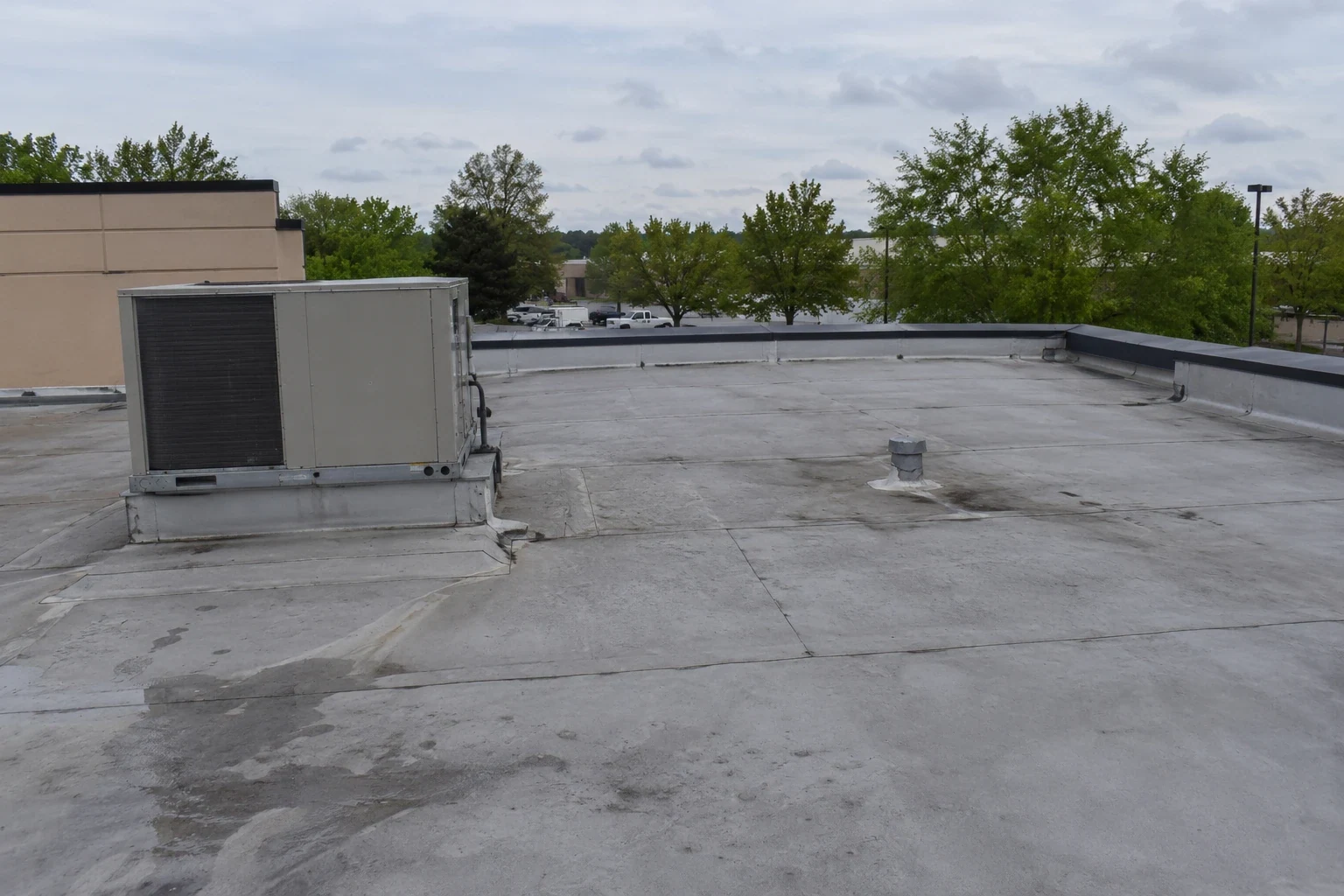
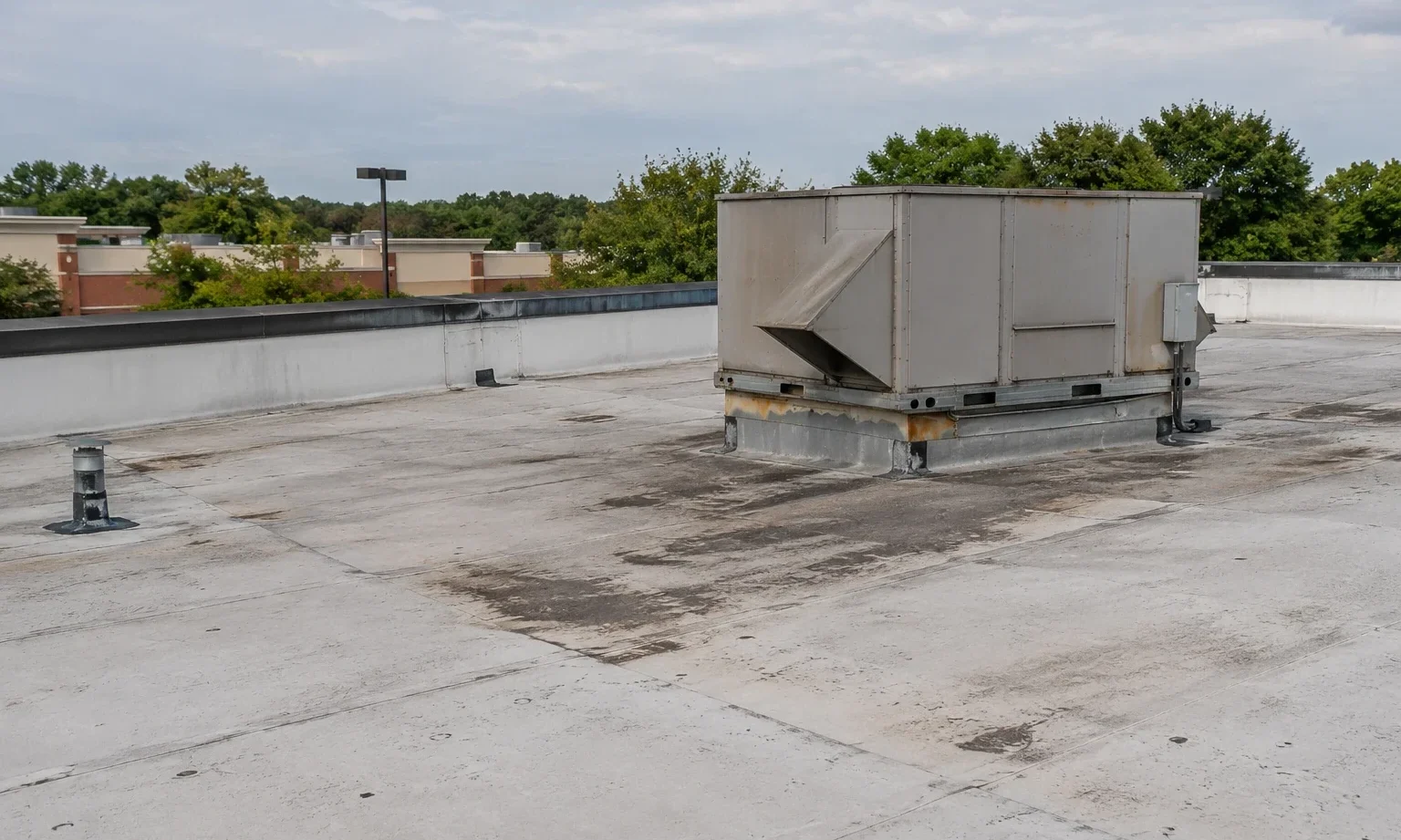
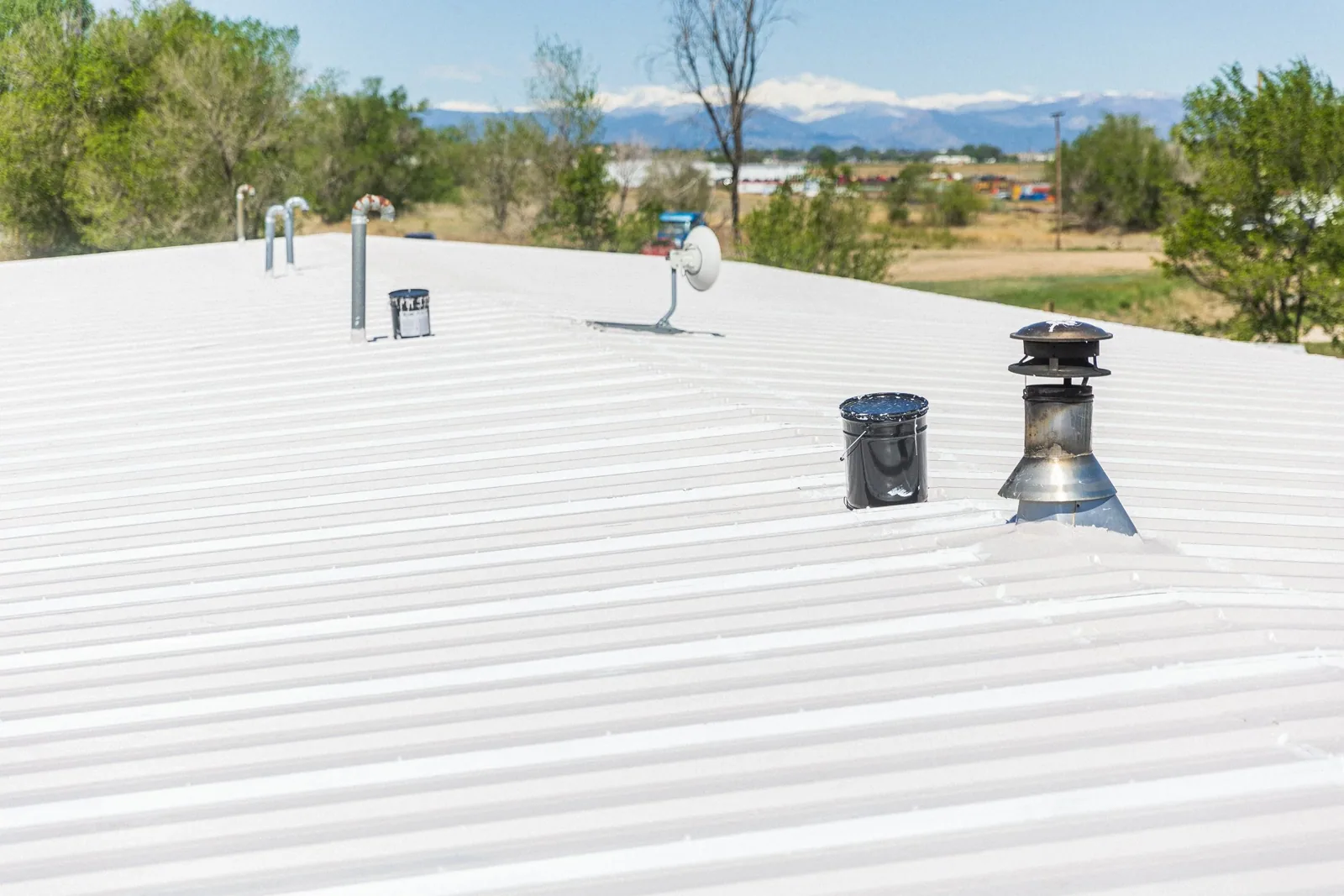
A strip center roof is often one membrane over many tenants, and each bay has its own units, vents and exhaust fans. We map every unit to a tenant, record its curb condition and list the tie-ins that must be rebuilt. Where a unit was added after the original roof, its flashing is the first place we probe.
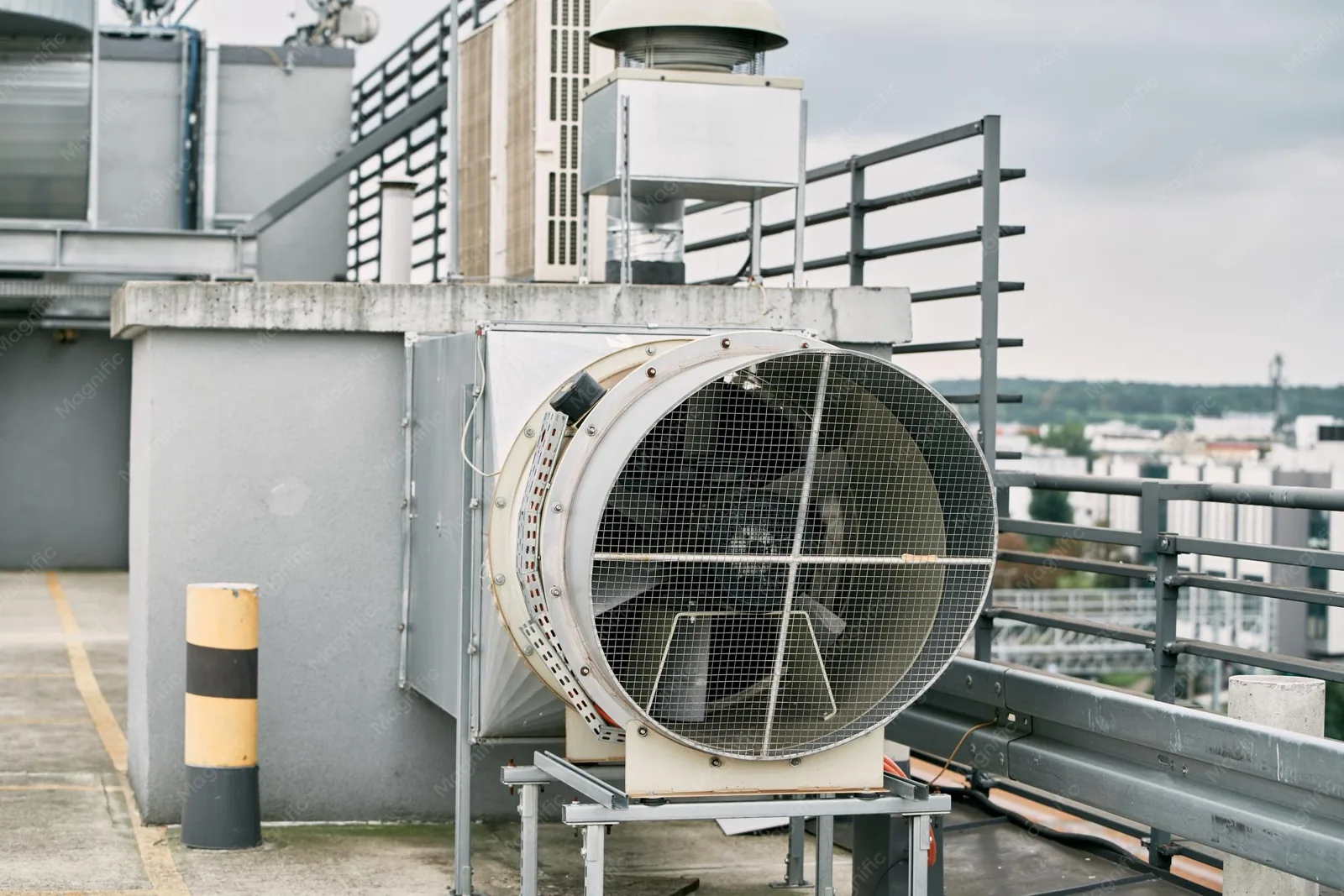
Grease from restaurant exhaust settles on the membrane near the fan and attacks some systems. We note the extent and select a membrane that tolerates it, or add a protective pad and a cleaning plan. Each curb and support is rebuilt around the unit where it stands, whenever the unit can stay, so stores keep cooling.
Parking, Pedestrians and Crane Placement
A retail lot is the center's front door, so every parking space used for staging costs the owner. We mark the crane pad, the dumpster and the material stack on the site plan and place them at the back or side of the property. Customer routes, fire lanes and accessible parking stay clear. If a space must be closed, it is not an accessible space, and the closure is posted the day before with a notice at the entrances.
Deliveries arrive before the stores open, and the crane works in the early hours when the lot is empty. Barricades and spotters protect the pedestrian zone. The plan lists a daily opening and closing procedure: sweep the work area, lock the staging, check the dry-in line and confirm that every tenant door is clear.
Seasonal events such as sidewalk sales, farmers markets or holiday displays can claim parking areas that the crew would otherwise use. The property manager tells us about them when the schedule is drawn, and the staging plan is adjusted before the dumpster is placed. A late change costs more than an early one, and the cost is stated.
Large Vacant Boxes and Redevelopment
Fort Henry Mall opened March 10, 1976, with 529,814 square feet of leasable area, and the Sears space closed in 2017 and JCPenney around October 2020. Rural King moved into the former JCPenney space in May 2025, and the mall's owner has put more than $5 million into five active projects, among them work on the former JCPenney space, two expansions and two outparcel developments.
A building that changes tenants raises roof questions that a stable building does not. We check the age and condition of the existing membrane, count the new penetrations and verify that expansion tie-ins are flashed to the old roof. Where a vacant box sits beside an active tenant, the roof section over the vacant space is often the easiest to open, and the plan starts there. A big-box store reroof follows the same sequence at a larger scale.
Tear-Off Sequence and Dry-In
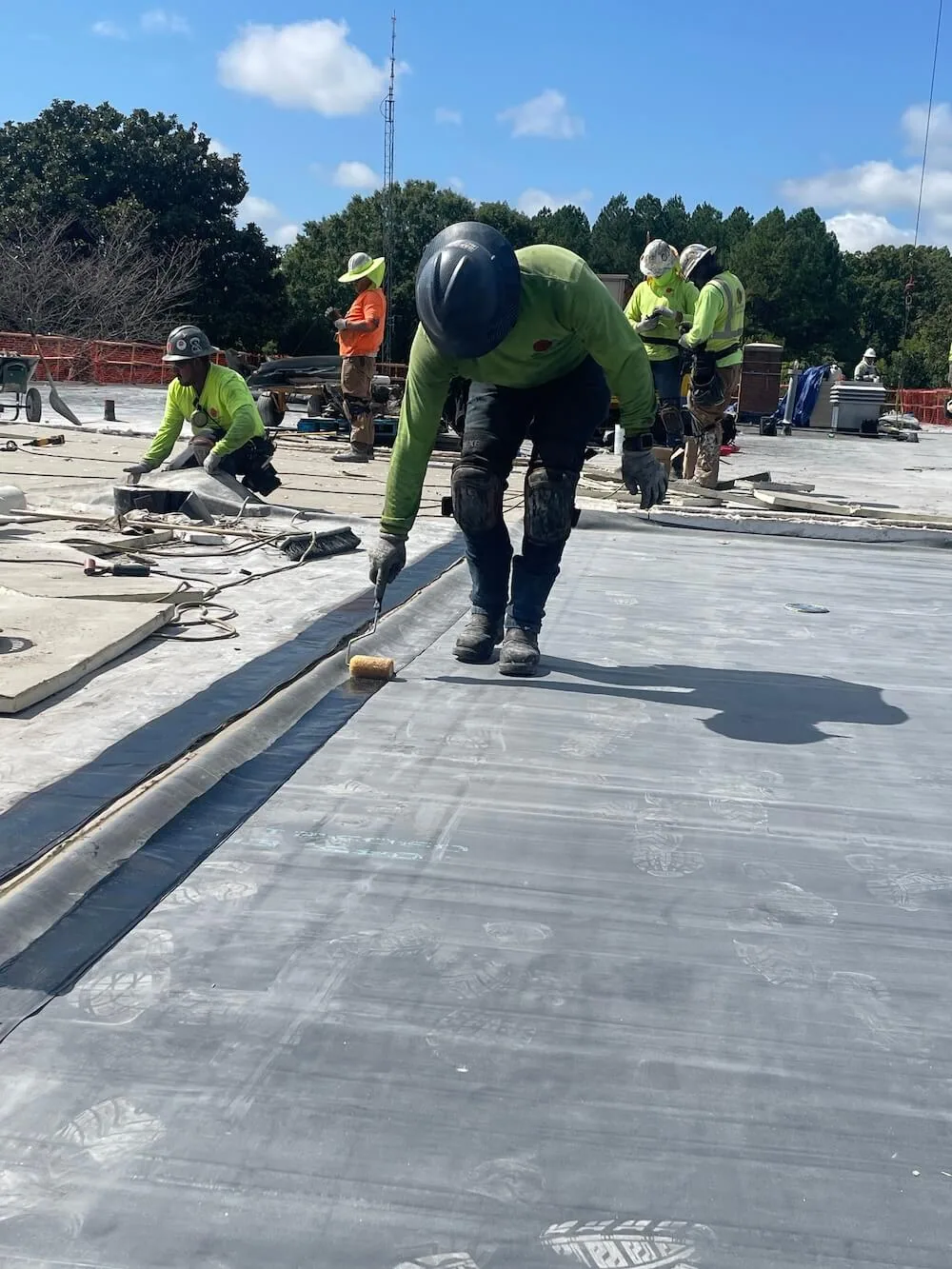
A center roof is worked in sections that follow tenant lines wherever possible, so a stop at the end of a day never leaves one tenant half-covered. A replacement strips the old layers, repairs the deck and builds back with insulation, cover board and membrane. A recover goes over the existing roof once a moisture scan confirms dry insulation.
A seam probe and a photo finish every section, and the property manager gets a daily summary: the section completed, the section opened, the weather and any tenant issue. It becomes the record an owner shows a lender or an insurer. If rain is forecast, the next section stays closed.
Permit Submittal and Code
Retail owners should expect the permit to be a short step if it is filed early. We file while materials are on order, place inspections in the schedule and send the owner a copy of each approval. Tenants hear about an inspection only if it touches their access.
A contract above $25,000 requires a State of Tennessee contractor license, and the certificates for workers' comp and liability coverage go in the owner's file alongside the permit.
Weather Buffers and Closeout
The close is a punch list and a walk with the property manager, followed by a handover set of as-builts, product data and inspection records. Centers along Stone Drive and Fort Henry Drive receive the same set, and the owner keeps a tenant-by-tenant list of the units and curbs that were rebuilt.
Weather holds are reported the same day. A thunderstorm warning clears the roof, covers open sections and puts the crew on standby, and the manager passes the news to tenants before a leak could.
Commercial Roofing Questions
Can a shopping center roof be replaced before the holidays?
Usually not safely. Most owners prefer to finish by early November or start after the new year. The schedule is built backward from the blackout dates and shows what can fit in the window.
How are restaurant exhausts handled?
Grease on the membrane near a fan is noted and a tolerant membrane or protective pad is selected. The exhaust stays in service wherever the curb work allows.
What if a tenant changes mid-project?
The plan adjusts. New units get curbs and flashings added to the roof plan, and the owner sees the cost line for each change before the work proceeds.
Will parking be affected?
Briefly. Staging sits at the back or side, deliveries come before opening and the crane works in empty-lot hours. Customer routes and fire lanes stay clear.
What does a property manager send first?
The tenant list with lease clauses and the holiday blackout dates, along with the site plan and roof access points. We build the phasing plan from those and price it next.