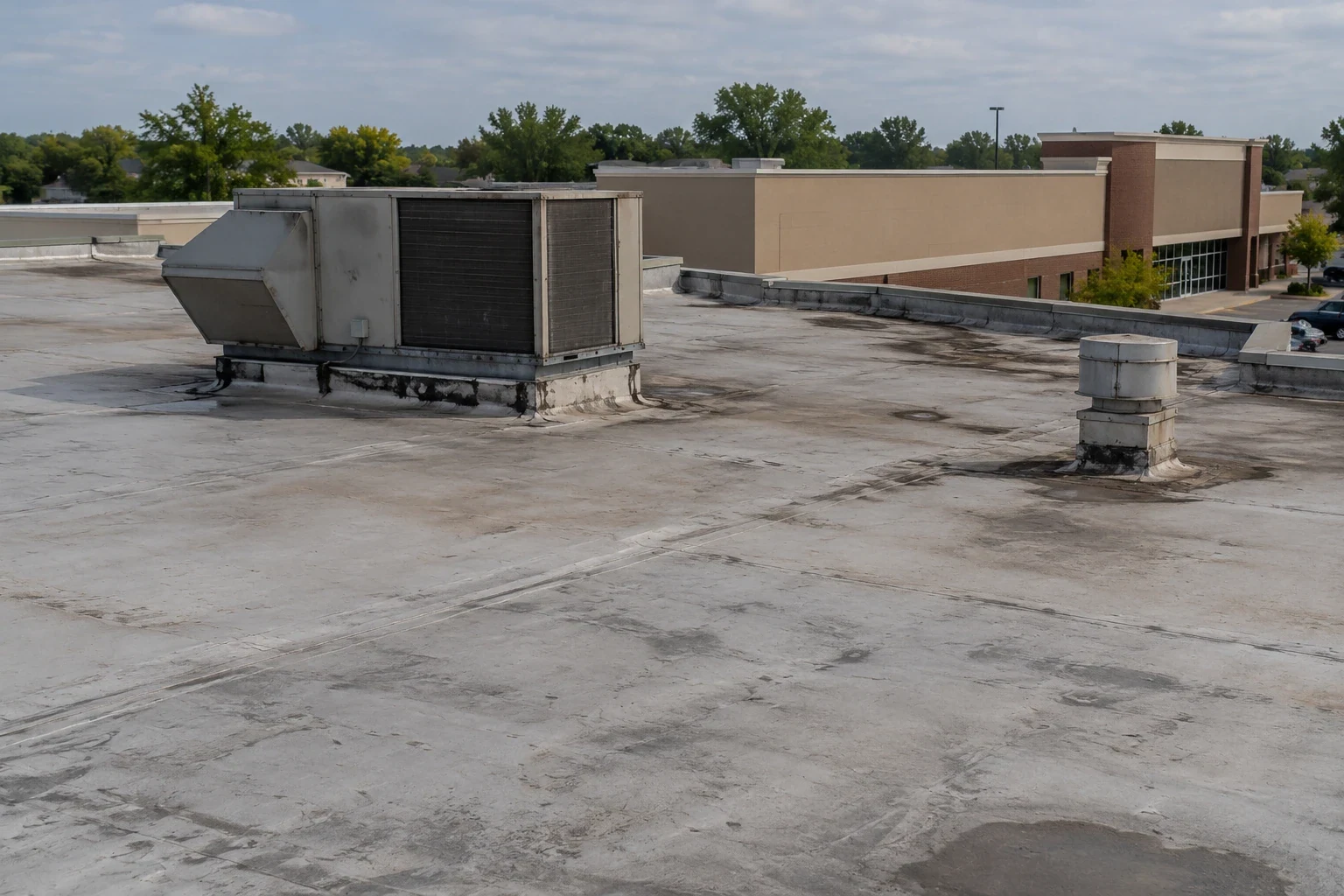
A walk with the refrigeration contractor opens every grocery store reroof, because the condensers, racks and defrost lines on and under the roof set where the crew can work and what must stay running. We ask the store manager and the refrigeration lead for the equipment layout, the food safety rules and the delivery schedule before we ask for the roof drawings. The walk produces the phasing plan, and the city filing follows it.
Retail traffic in Kingsport runs along U.S. 11W, Stone Drive and Fort Henry Drive, and a grocery delivery plan follows those same roads. A store roof carries refrigeration, makeup air and exhaust over a sales floor that cannot close. The sequence keeps the cold chain, the sanitation and the sales floor intact from the first day to the last. A shopping center with a grocery tenant adds a tenant matrix, and a cold storage building behind the store adds its own vapor-retarder checks.
Refrigeration Equipment and the Cold Chain
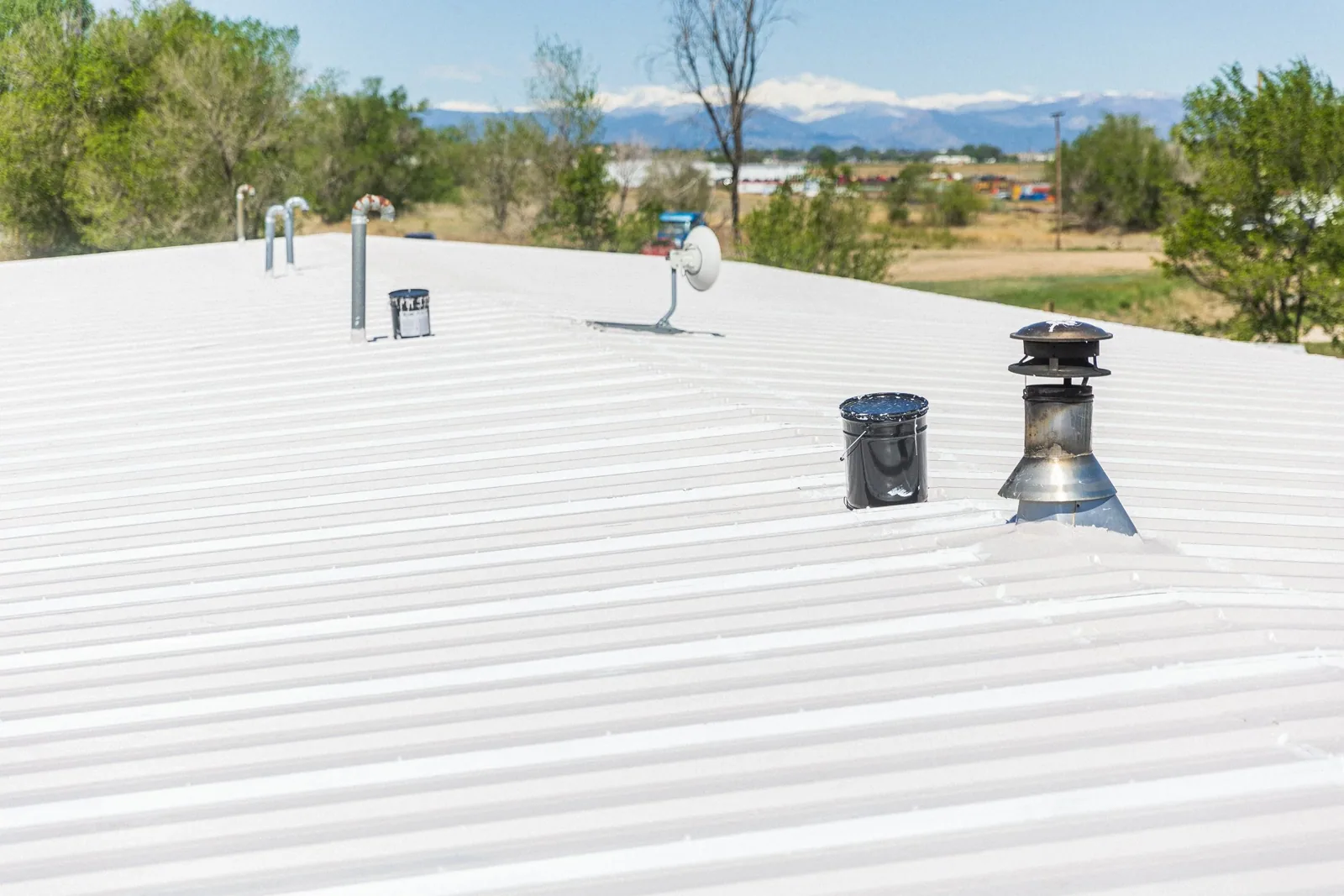
We mark every condenser, rack, refrigerant line and electrical run on the roof plan with the refrigeration contractor. Lines that run through the roof are protected, and any curb that must be lifted is coordinated so product temperature stays in range. A cut line or a lost condenser can spoil a day's stock, which is why the plan names who calls whom if a temperature alarm sounds, so the marking walk happens before the crane arrives. The walk produces a one-page map that the foreman carries and the crane operator reads, with every refrigerant line, drain and electrical run highlighted.
The store may hold a backup generator or portable refrigeration for planned shutdowns. If a shutdown is needed, it is scheduled with the manager, the contractor and the supplier, and the exact hours are posted. Equipment is restored the same day, and the roof around it is flashed before the unit is reconnected. The refrigeration contractor tests the system, and the manager signs the restart log before the crew leaves the roof.
Food Safety, Dust and Odor Control
Open food, bakery and prepared-food areas cannot tolerate dust, odor or debris. The store's food safety plan sets the controls, and the crew follows them: covered intakes, sealed ceiling penetrations, negative-air barriers where a ceiling must be opened and a cleaning check at the end of each shift.
Adhesives and primers have odors, so low-odor or mechanically attached systems are weighed against adhered systems. The proposal compares odor, noise and cost. Debris is lowered by chute, never dropped, and the ground below is barricaded and swept. The store's manager walks the interior each morning to confirm that nothing has changed. If a complaint comes in from a department, the foreman hears about it within the hour, and the section above it is checked before the next one opens.
Receiving areas for produce, dairy and frozen goods have their own temperature rules, so the plan keeps the crane and the dumpster away from them and avoids dust on the dock. The store's receiving lead signs the daily plan, and a pallet that cannot be moved is covered, not left exposed.
Bakeries and delis often have open ovens or fryers and exhaust under the roof, so hot work near those is not scheduled. The foreman confirms with the department lead which exhaust hoods will be running each day, and no roof work takes place above a running hood without a fire watch.
Receiving Dock, Sales Floor and Customer Routes
Grocery trucks arrive early and often, and a crane or a lift in the wrong spot blocks a delivery. We mark the dock lanes, the carts and the customer entrances, then place the crane pad, dumpster and material stack on the side of the building that customers and trucks do not use.
Material is loaded before the store opens or in the slow midmorning window the manager names. Pallets of insulation and membrane never stand in a fire lane or against an exit door. The crane works while the lot is quiet, and spotters protect the pedestrian zone. Fire lanes and accessible spaces stay clear, and the plan shows a detour for carts and walkers. Cart corrals, pickup zones and curbside stalls move only with the manager's say-so and return to their places when the job ends.
Tear-Off Sequence by Bay
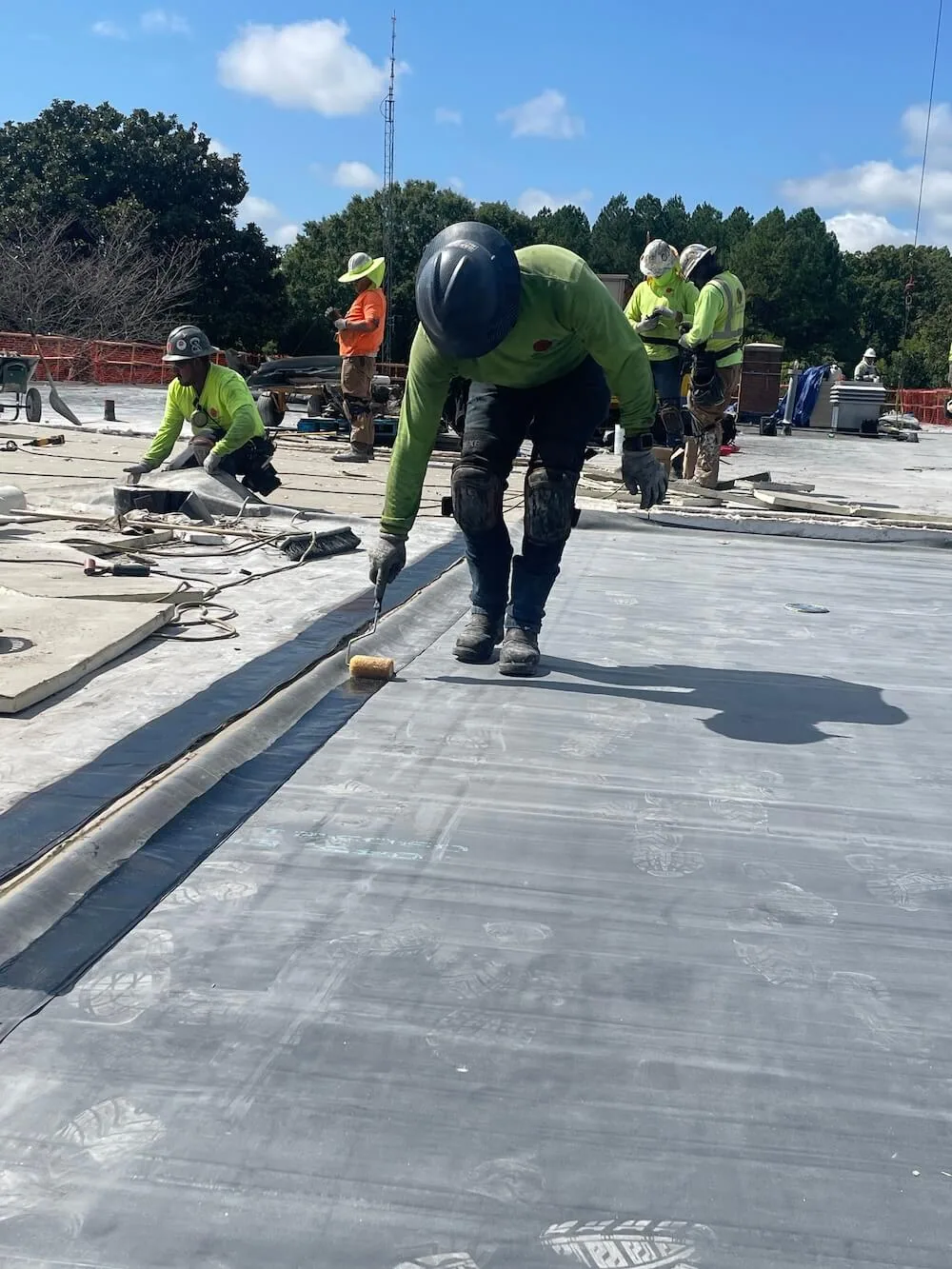
A grocery roof is cut into bays that dry in before the shift ends. A replacement lifts off the old layers, repairs the deck and rebuilds with insulation, cover board and membrane. A recover goes over a dry existing system after a moisture scan.
Bays over the bakery, deli and refrigerated cases get the tightest dry-in and the most care. A seam probe and a photograph close each bay, and the store gets a daily log of bays finished, bays opened and punch-list items, which the manager keeps for the landlord or the corporate office. A bay stays closed when rain is forecast before it could be sealed.
Hot weather matters for a grocery roof. A dark membrane on a hot afternoon can exceed the air temperature by a wide margin, and condensers work harder under it, so the foreman checks that coil airflow stays clear around the units and schedules the heaviest tie-ins for cooler hours.
Permit Submittal and Inspections
A grocery reroof is permitted like any other commercial roof, and the filing should go in early. Johnson City, where retail concentrates along State of Franklin Road around Johnson City Crossings, uses a different permit office than Kingsport, and the schedule reflects.
In Kingsport, a commercial submittal arrives as a sealed plan set and a PDF, and the contractor's State of Tennessee license is needed once the contract passes $25,000.
Weather Buffers and Storm Preparation
Weather planning for a grocery store protects food as well as the building. A bay opens only when the forecast supports closing it that shift.
A warning clears loose material, weights open edges and sends the crew home. Condensers are checked after hail, because a damaged coil raises the store's energy bill long before it fails outright. The manager hears about every hold the same day, and photos of each unit go into the file for the insurer.
Closeout and Turnover
At closeout the manager and the refrigeration contractor walk the roof with the foreman, and the handover set includes as-builts, material data and inspection records. The set marks every penetration and drain, so later equipment work starts from a map. Stores in Church Hill and along Stone Drive receive the same record, and a big-box store with a grocery department adds corporate approvals.
Commercial Roofing Questions
Can a grocery store roof be replaced while the store is open?
In most cases it can. Work goes bay by bay with a daily dry-in, the sales floor stays dry and refrigeration keeps running apart from scheduled tie-ins.
How is refrigeration protected?
By a marking walk with the refrigeration contractor before work starts. Lines and supports are protected, and any shutdown is scheduled with the manager and posted.
What about dust and odor near food?
Covered intakes, sealed penetrations and low-odor or mechanically attached systems where the store prefers them. A daily interior check confirms nothing has changed.
Will deliveries be affected?
Not if the plan works. The crane and staging stay away from dock lanes, and material loads in the window the manager names.
What should a store manager send first?
Send the refrigeration equipment layout and the delivery calendar first. With the site plan and roof access points added, we can draft the phasing plan and then give a price.