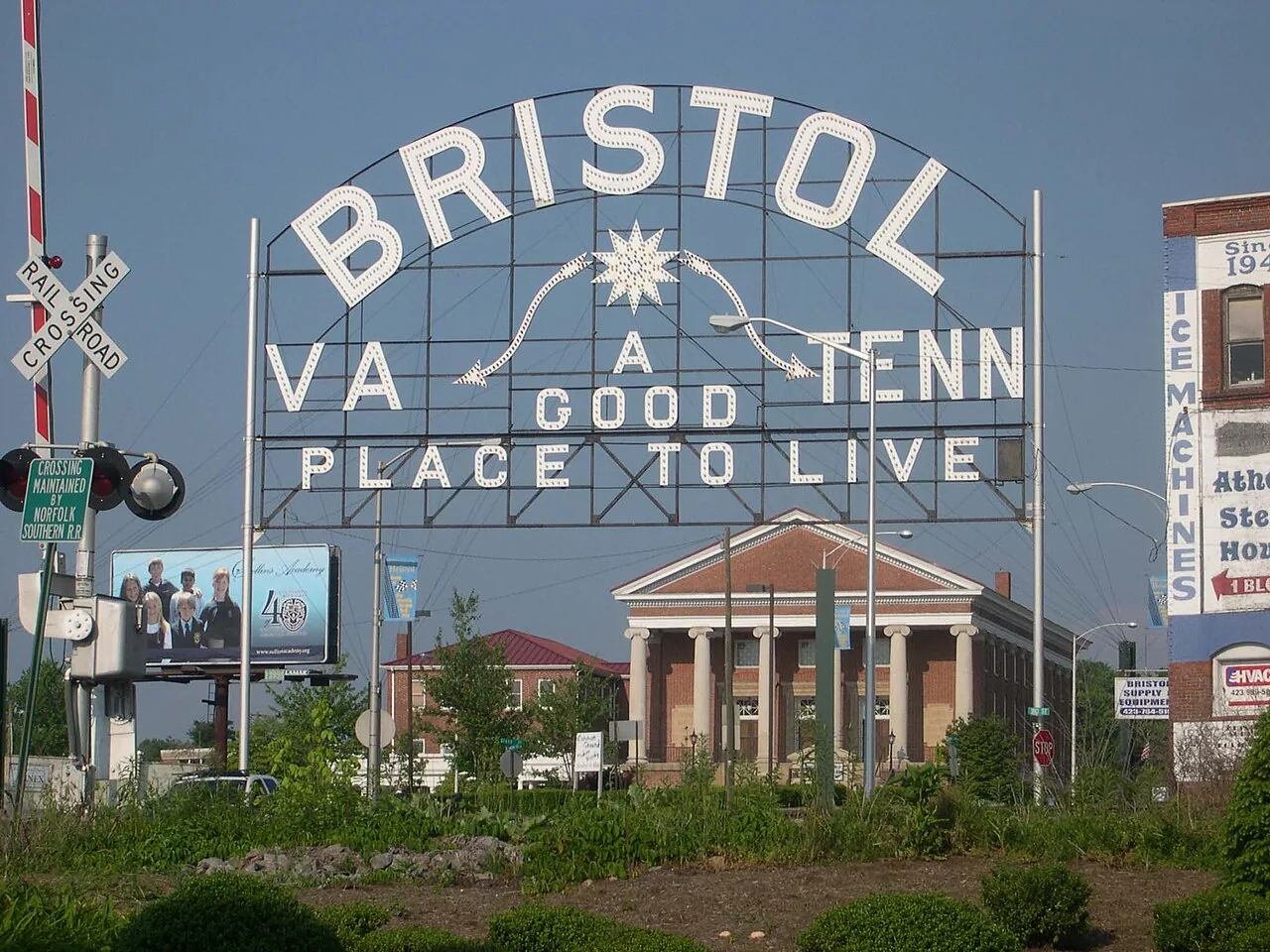
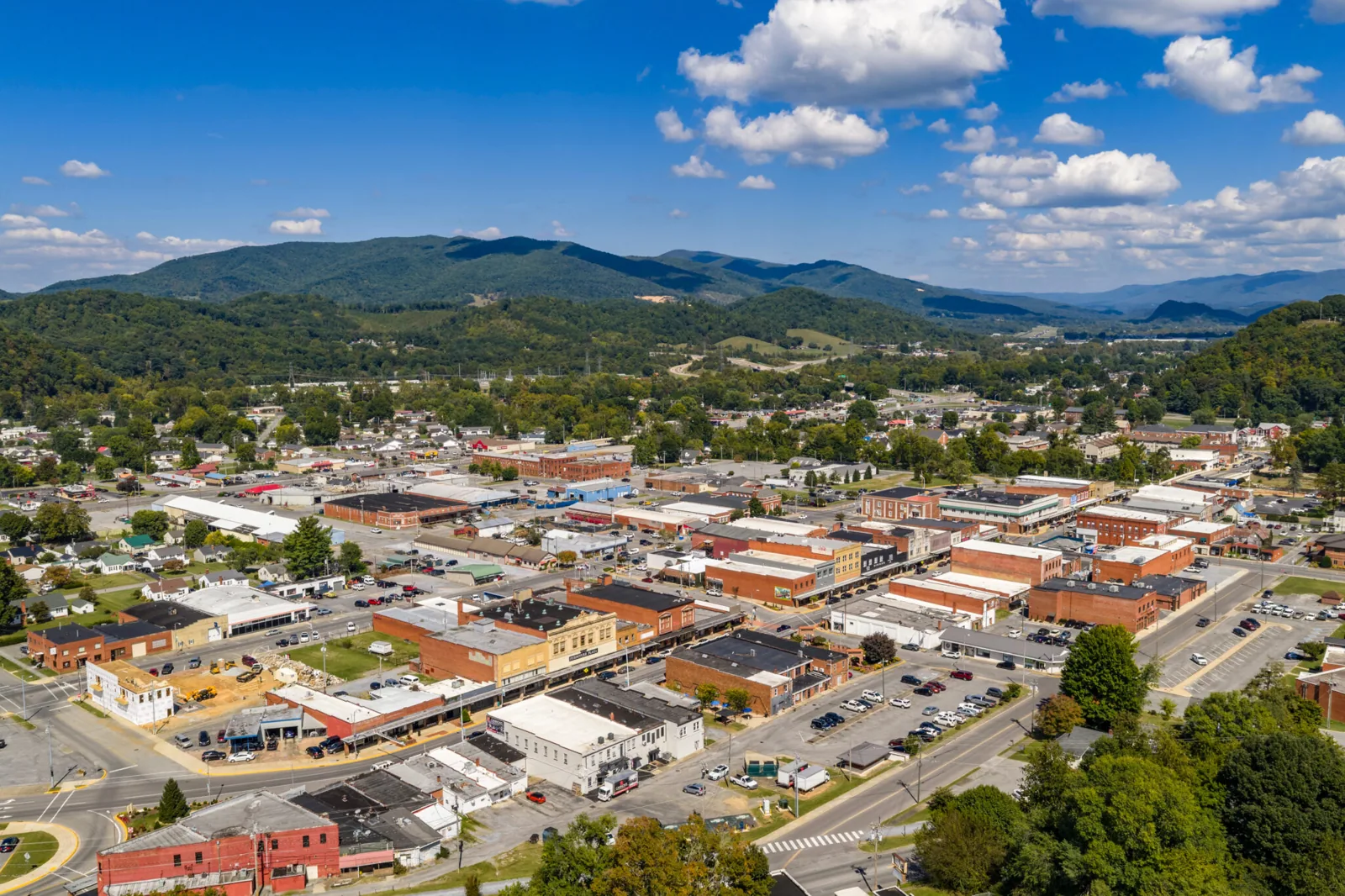
A roof package in Bristol Business Park starts at the laydown area, because an industrial park with open graded lots gives a roofer room that a downtown block never does, and that room has to be agreed with the owner and the general contractor before a pallet is ordered. The park is owned by BTES and sits near I-81 and I-26, with its development under way.
We work out the crane pick, the haul route and the dry-in sequence first. Then we price the roof against the sequence, so that the general contractor, the owner and our crew are all reading the same plan.
Laydown, Crane Pick and Haul Route
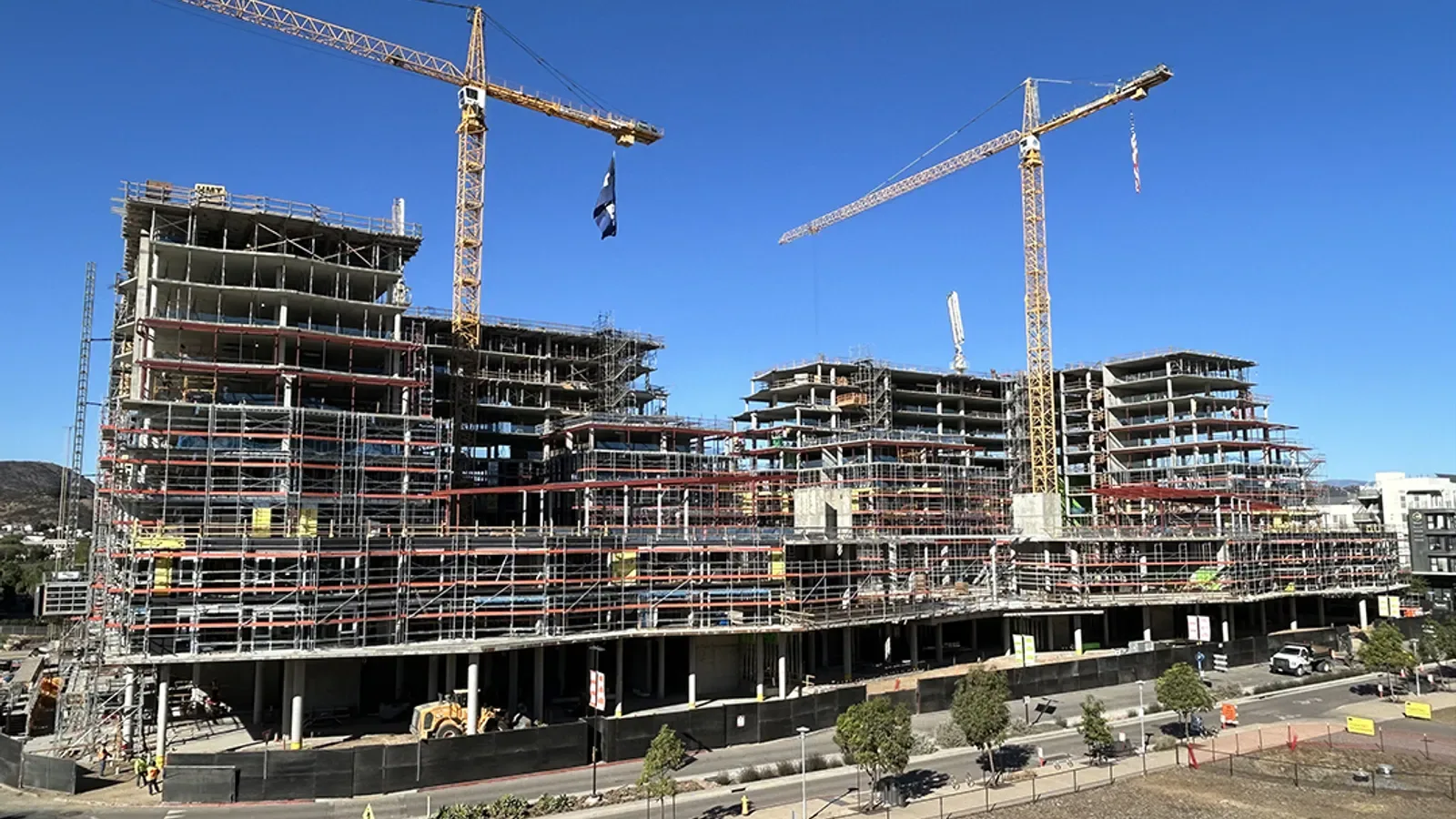
On an open industrial lot the laydown area is usually generous, but the ground is not always ready for a loaded crane. We ask for the grading and compaction status of the pad, the position of any underground utilities and the swing radius around overhead lines. A crane pick on soft or recently filled ground is a risk to the load and the machine, so the position is confirmed before the first lift.
The haul route runs from the public road to the lot, and we check turning radius for flatbeds, gate widths and the length of any temporary construction road. Material is staged in the order it will go up: insulation first, then cover board, then membrane and flashing stock. Dumpsters sit where trucks can reach them without crossing the lift zone.
When two trades share the same lot, such as site grading and roofing, the plan names which one has the lot on which day. That removes the usual morning argument about who moves first.
What Park Development Means for Roof Timing
Tri-City Extrusion is building a 120,500-square-foot facility in the park with a 5,550-ton press, a $30.8 million investment and 51 new jobs. Separately, Bristol South Industrial Park received a $2,537,381 state site development grant in February 2026 for grading and roads. Work like this points to an area where new buildings and site work are in motion, and where roofing is one trade in a tightly sequenced schedule.
In that kind of schedule the roof has to be dried in before interior trades and equipment arrive. A late roof starts delaying everyone behind it. We plan backward from the date the building must be weathertight, and we state the lead time on insulation, membrane and metal accessories so the general contractor can place the order in time. The general contractor sees the milestones in the same order as the roof crew does.
For an existing building in the park, the questions differ. The owner wants to know the condition of the membrane, the flashing at equipment curbs and the drainage, and a commercial roof inspection answers them with photographs and a ranked list.
Deck, Insulation and Expansion Tie-Ins
Industrial buildings are expanded more often than they are rebuilt, and the tie-in between an old roof and a new one is where trouble starts. The two roofs may be different ages, with different membranes, different insulation thicknesses and different drainage. We look at the elevation change, the parapet or transition flashing, and the way water crosses from one roof to the other.
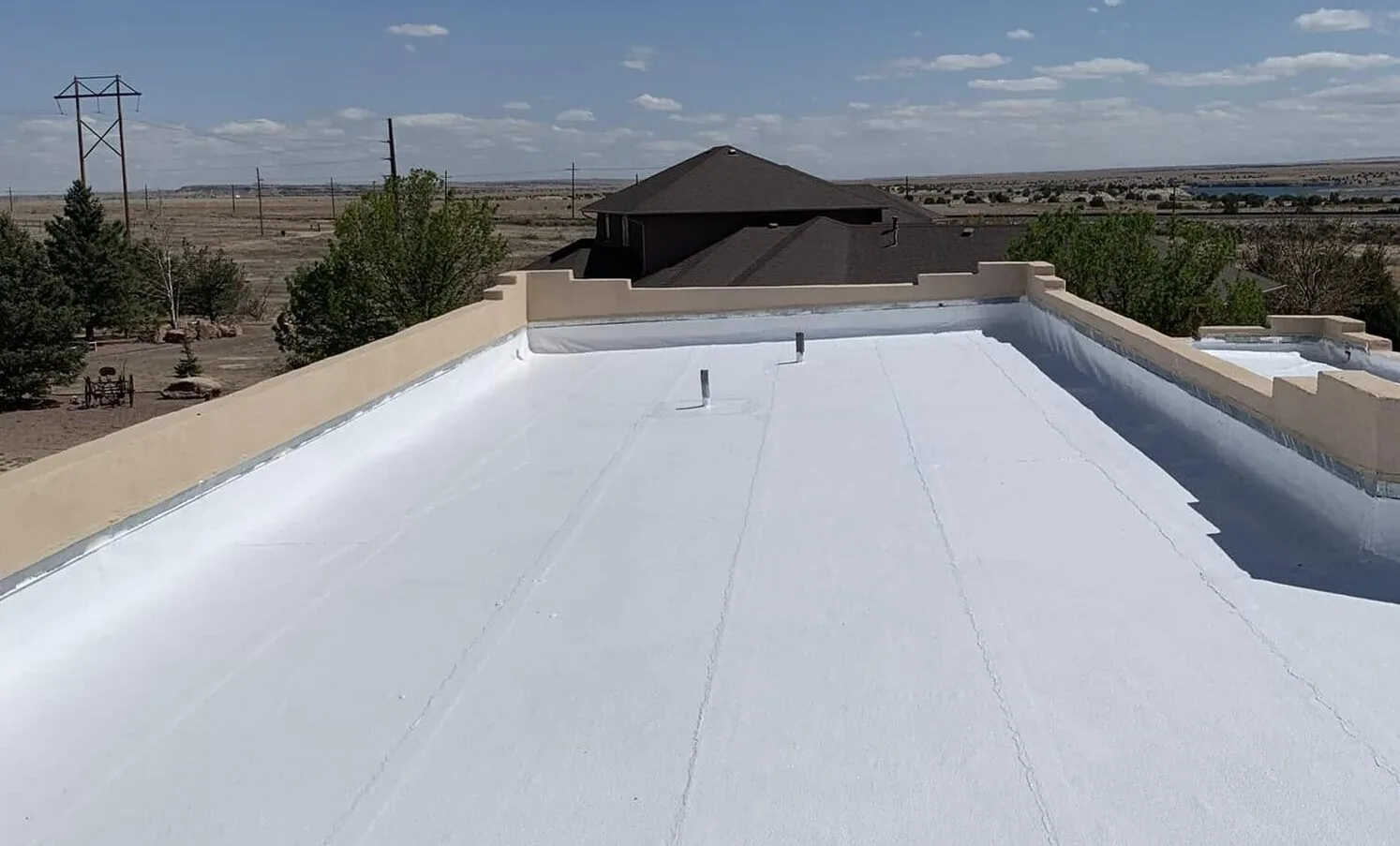
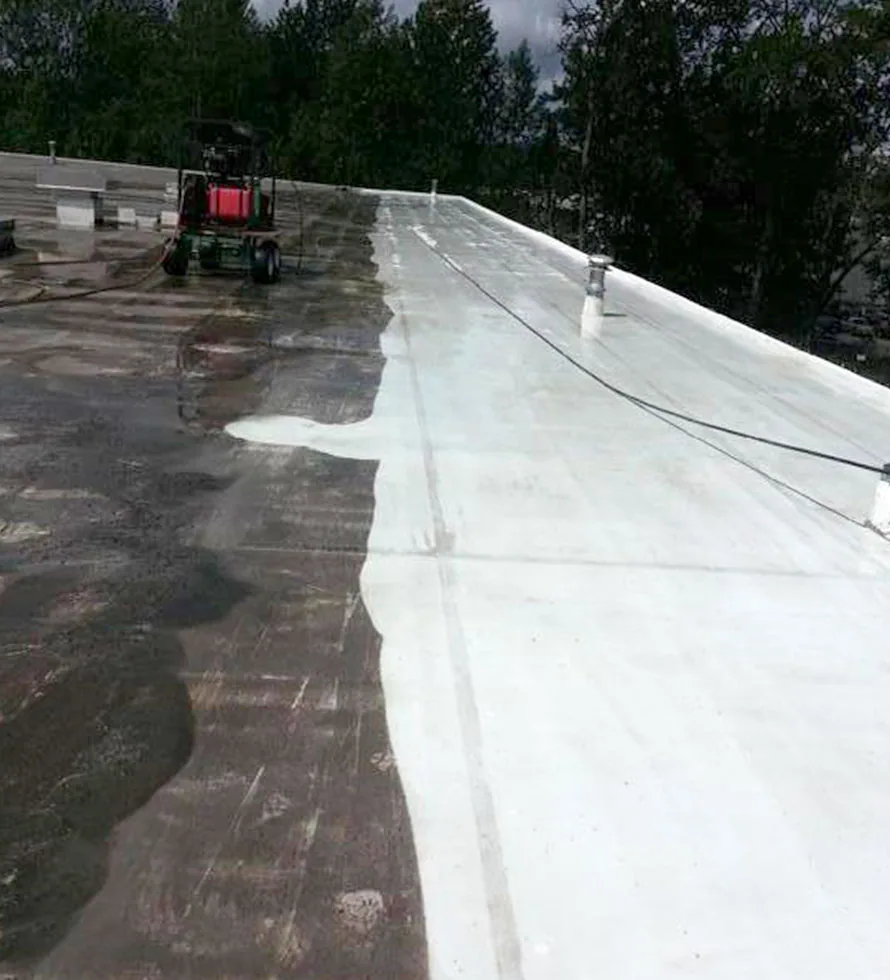
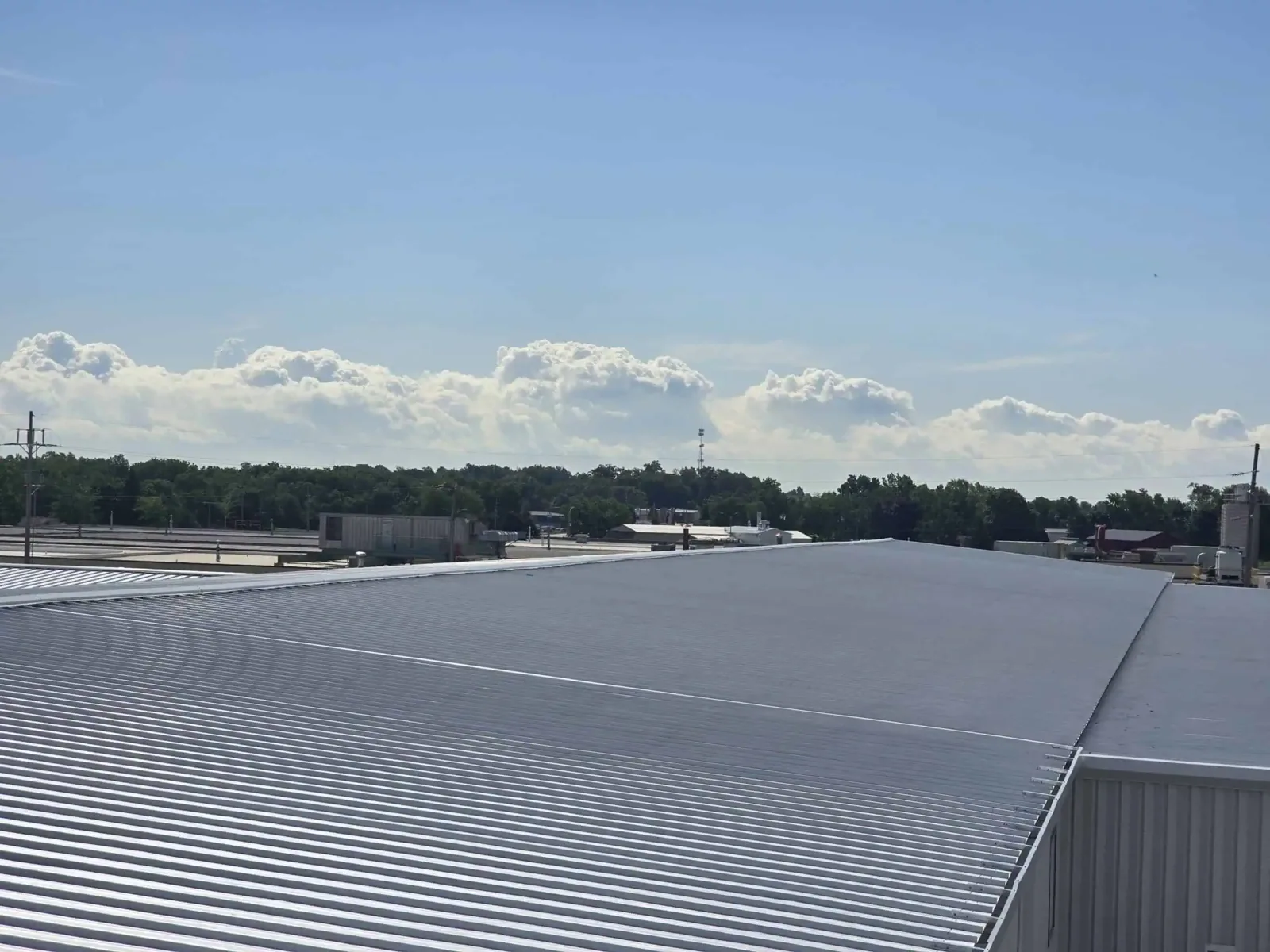
On a replacement we inspect the deck as it is exposed. Corroded steel, loose fasteners and damaged sections are marked and priced as the work moves, and the owner receives photographs the same day. A TPO roof system or a standing seam metal roof is chosen against the deck, the expected equipment loads and the owner's holding period, and we lay those options out with the cost drivers beside them.
Rooftop equipment is the other tie-in. Curbs, supports and conduit penetrations get new flashing, and the mechanical contractor is asked for its shutdown windows so that no unit is open while rain is forecast.
Weather Windows on an Open Site
An open industrial lot gives the wind a clear run at a roof. NWS Morristown has put out thunderstorm warnings in the Kingsport area that cite gusts of 60 mph and hail, which is why the plan carries ballast and tie-downs sized to the open section. Rain is frequent enough that every day ends with a closing time, and insulation never sits open overnight.
Kingsport, TN, has seen lows near minus 18 F and highs of 104 F, so adhesives, primers and sealants go on in the warmer part of the day. Material left on the lot is covered and raised off the ground. If gusts are forecast above what the open roof can take, the crane day moves and the delivery moves with it. The foreman posts the revised pick time to the general contractor the same afternoon, so the next trade on the lot knows when the roof section will be closed and when the lift zone is free again. Where several buildings are going up at once, that notice keeps the roofing crew from being the reason another trade loses a day.
Inspection, Punch List and Handover Records
Permits and inspections for a building in the park are confirmed with the office that has jurisdiction before submittal. Kingsport asks for stamped drawings plus a PDF copy on commercial reroofing, and we assemble park work to that documentation.
The turnover handoff, the date the whole schedule points toward, includes the signed-off punch list, flashing photographs, the warranty documents and a roof plan marked with the date. Owners who also hold property in Bristol, TN or across State Street in Bristol, Virginia can keep one file format across all of it. A warranty tracking record then shows which roof is covered by what, and for how long.
Commercial Roofing Questions
Who sets the crane position on a graded industrial lot?
The crane operator proposes it and we confirm it against the pad condition, utilities and overhead lines before the first lift. The general contractor and owner approve the position, and it is marked on the site plan that goes to the foreman each morning.
How early should roofing be scheduled on a new building?
Early enough that the materials are ordered while the structure is still going up. Insulation, membrane and metal accessories have lead times, and the building must be dried in before interior trades start. We work backward from the weathertight date and tell the general contractor when each order has to be placed.
What changes when the park building is an expansion of an older one?
The tie-in becomes the main risk. We compare the two roofs at the elevation change, check how water crosses from one to the other and flash the transition for both. The scope names which roof gets which treatment, so there is no confusion about where one contractor's work ends.
Does a metal roof need a different crew plan than a membrane roof?
Yes, the staging is different. Metal panels come in long lengths that need a clear unloading area and often a crane to lift bundles, while membrane rolls and insulation are lighter but more numerous. We plan the haul route and lift schedule for the material in question.
What records come with a finished roof?
A punch list signed off at closeout, photographs of flashings and penetrations, the warranty papers and a dated roof plan. Facility managers use them to schedule the first inspection and to show a buyer or lender the roof's condition.