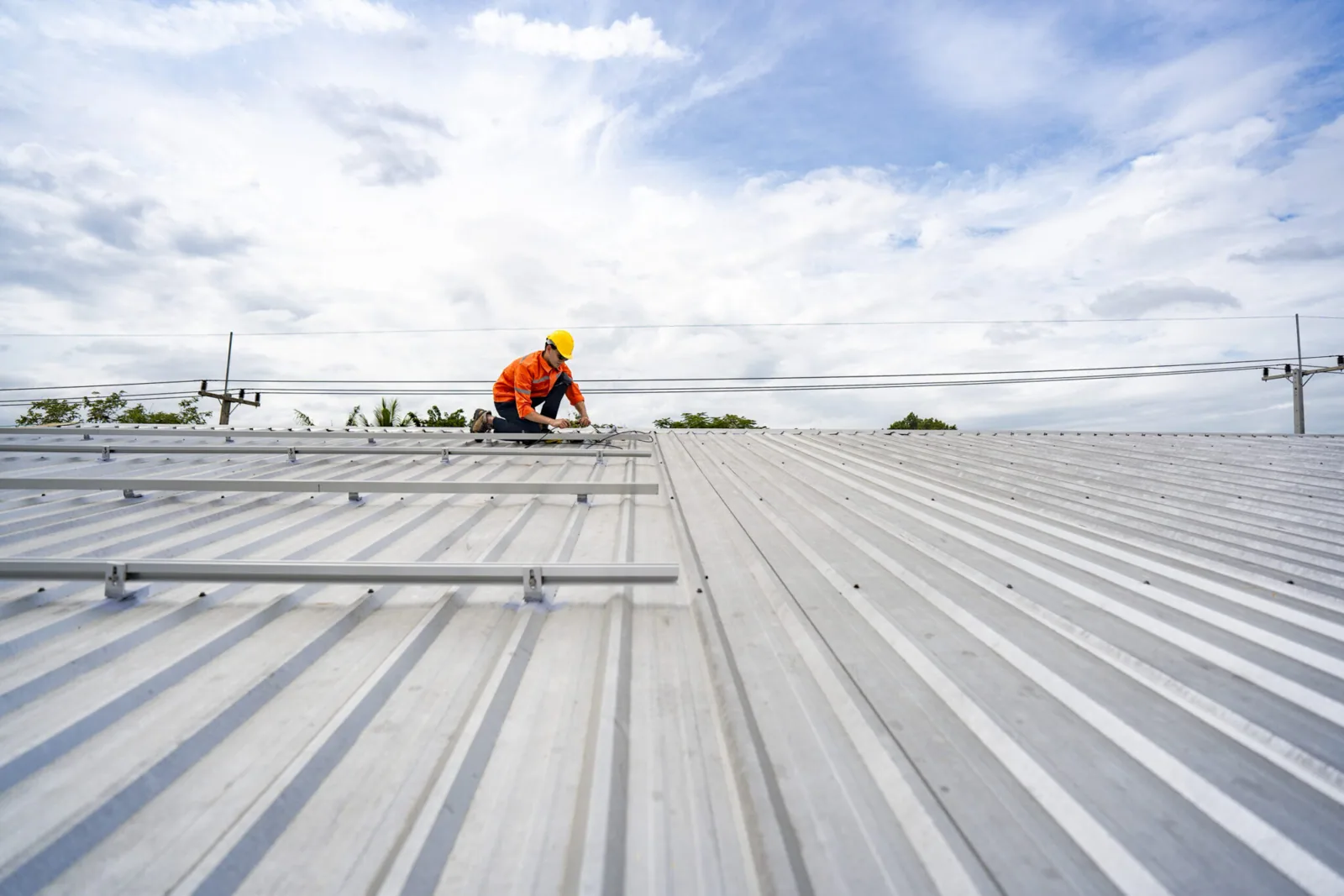
The first step in managing a roof warranty is to find the warranty document and read what it requires, because every later decision depends on those terms. A warranty is only as useful as an owner's ability to say what it covers, who must be notified of a repair and which trades are allowed on the roof.
In Kingsport, TN we begin with the document, the roof plan and the repair history. We list the conditions in plain words, assign each one to a person and put the dates on a calendar. A warranty that sits in a file is only a promise. A warranty that is managed is an asset, and it fits into a wider roof asset management record.
Reading the Warranty
Manufacturer warranties differ, so we do not generalize. Each document sets its own coverage, exclusions, notice rules, maintenance duties and conditions on repairs and alterations. We extract those items and place them in a one-page summary beside the roof plan.
The terms belong to the manufacturer, and the owner confirms them with the manufacturer or the original installer. Our role is to organize them and to keep the roof work consistent with them. A summary that lists the conditions in order lets a facilities lead check a planned repair in a minute.
- What the warranty covers and what it excludes
- Notice steps for repairs, leaks and alterations
- Maintenance duties assigned to the owner
- Rules for other trades on the roof
- Dates, including inspections and expirations
Controlling Roof Access
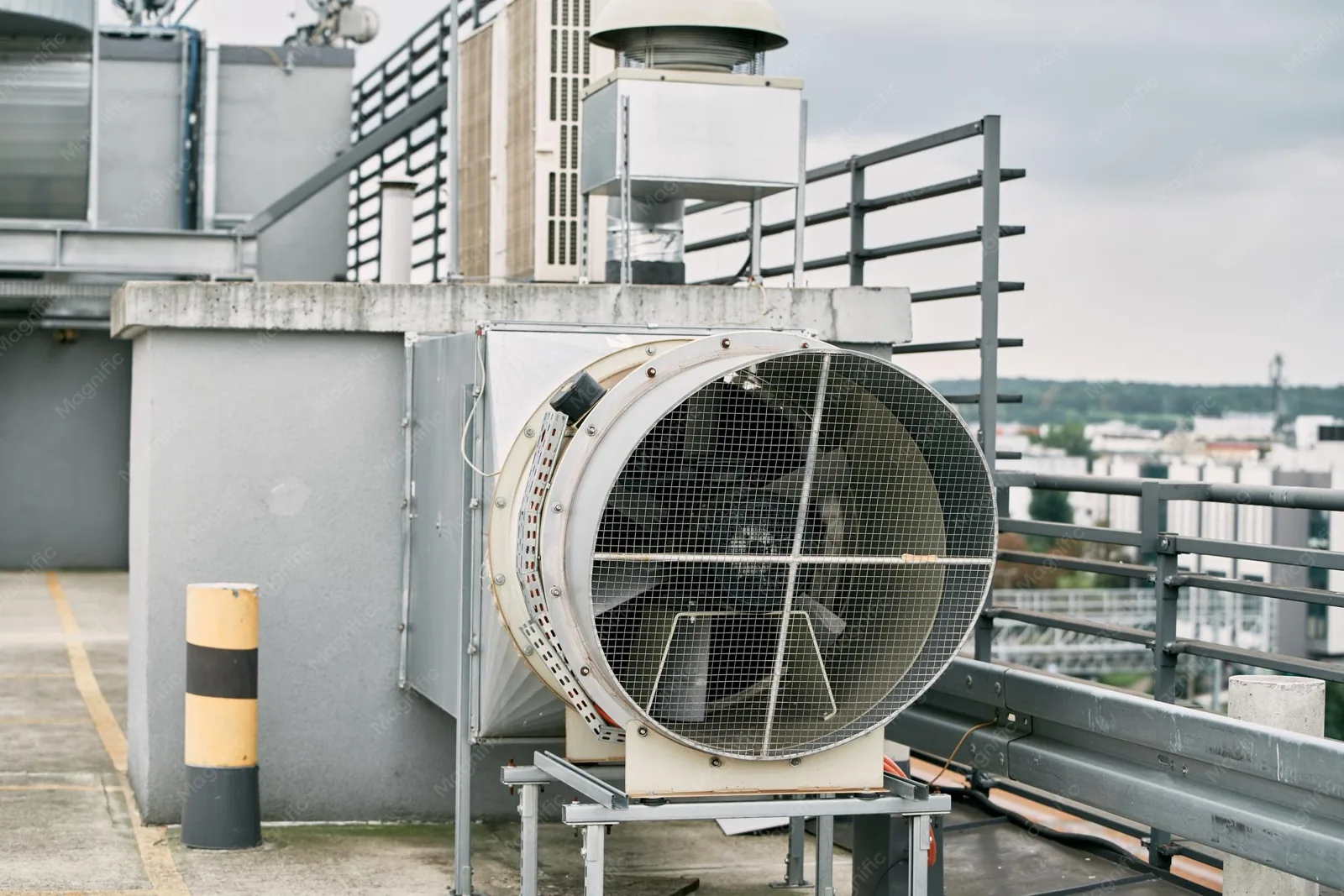
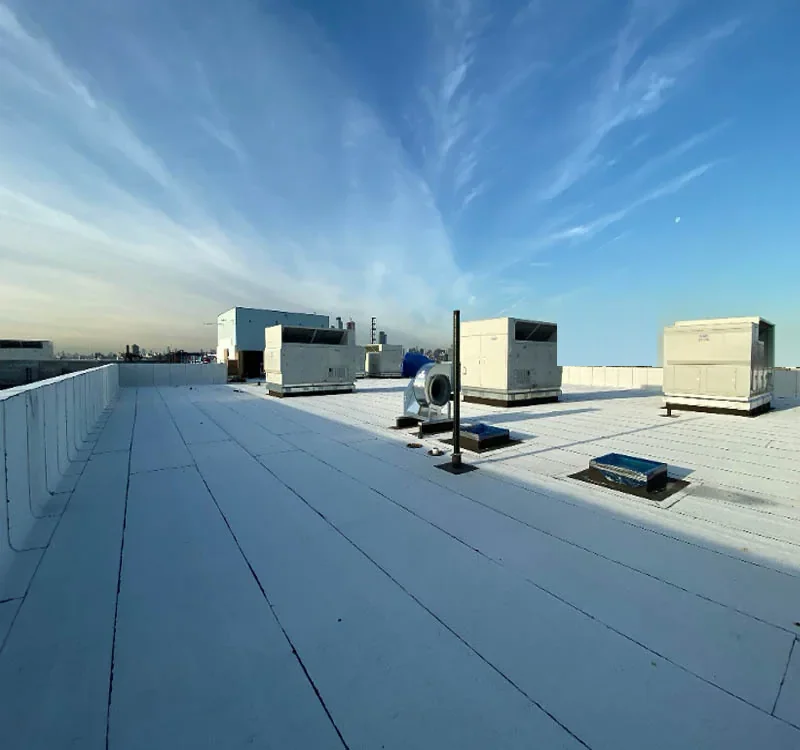
Most warranty trouble starts when another trade goes onto the roof. A mechanical contractor sets a new unit, a telecom crew drills a conduit, a signage installer bolts down a support and the membrane is cut without a record. The owner learns about it when a leak appears.
We recommend a simple access rule. Anyone who needs the roof checks in with the facilities lead, who logs the visit and the work. Changes that touch the membrane are flagged to the roofer first, so the flashing is done correctly and documented. For rooftop equipment, curb and equipment support work follows the manufacturer's details. The log gives the owner a record if a claim follows. Entries stay short: who went up, what was cut or fastened and which sealant or boot was used, so the next reader can match the repair to the manufacturer's detail.
Repairs That Keep the Warranty Intact
Repairs follow a sequence. Report the problem, photograph it, check the warranty terms for notice and approved methods, then repair with compatible materials and document the work. Skipping the notice step or using the wrong material can create a dispute later.
For routine leaks and small defects, a commercial roof repair follows the same steps and goes into the log. For larger work, the manufacturer may need to be told in advance. We keep a template for the notice, a photo set for each repair and a copy of the product data. The file then shows what was done, when and with what. On a large industrial campus many trades may share the roof, and the log matters even more: a dozen small jobs a year, each by a different crew, are a common way a membrane picks up unrecorded cuts.
Solar, Equipment and Other Alterations
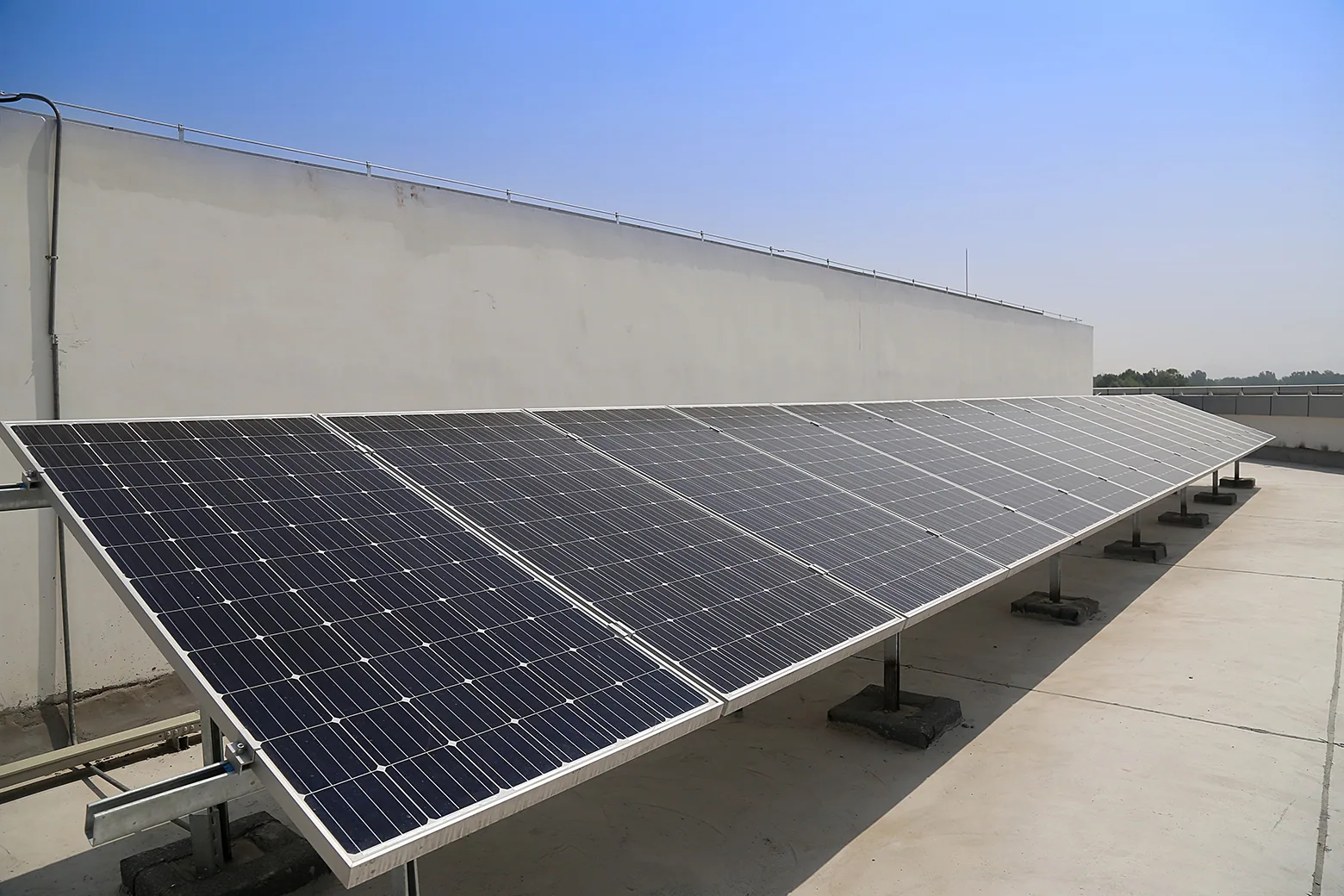
Alterations carry the most risk. A solar array, a new unit or a change to the roof edge can affect warranty coverage if it is done outside the manufacturer's terms. We recommend asking the manufacturer before the work, in writing, and keeping the answer.
For arrays, solar-ready roofing means checking the roof's condition and remaining service period first, then agreeing on a mounting method that the warranty accepts. The roofer and the solar installer agree on mount locations, flashing and responsibility for each penetration. The paperwork goes into the same file.
Permits, Licensing and Documentation
A permit filed for roof work belongs in the warranty file next to the warranty itself, because a lender, insurer or buyer may ask for both. Kingsport wants a stamped plan set and a PDF for commercial reroofing, and a contract over $25,000 calls for the state contractor license with insurance proof. The owner's designer confirms code requirements, and the manufacturer confirms warranty terms.
Warranty Inspections and the Weather Calendar
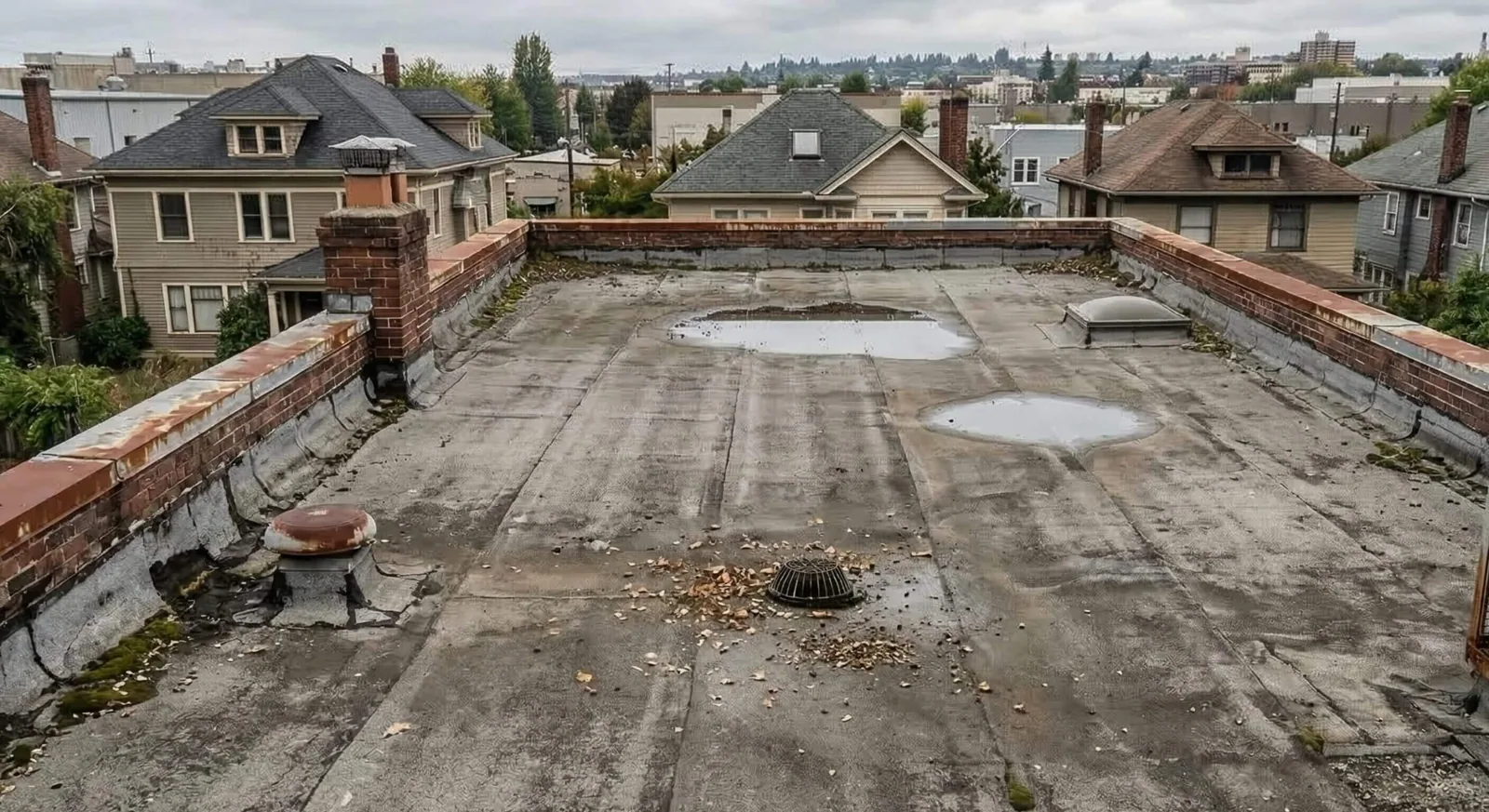
The weather record explains why warranty inspections are scheduled. About 45 inches of precipitation falls across roughly 133 days a year, recorded lows have reached minus 18 F and highs 104 F, and Morristown storm warnings for the county have cited 60 mph gusts and hail. Many warranties expect the owner to inspect after severe weather and to keep the roof clear of debris. A membrane that moves across that temperature range works at its seams and flashings, and defects that start there are the ones that show up in a warranty-end inspection.
We put an inspection on the calendar before the wet months, one after the gust season and one after any severe warning. A warranty-end inspection is scheduled ahead of the expiration date, so defects can be reported while coverage still applies. Owners with downtown buildings, such as those in downtown Kingsport, follow the same calendar.
What We Need From You
Send the warranty documents, the roof plan, the repair history and the list of trades who have worked on the roof. If a roof condition report exists, send that too. We will return a one-page summary of the conditions, a log template and an inspection calendar. A single owner with many buildings can use the same format across all of them, from a downtown renovation to a plant building at Phipps Bend Industrial Park near Surgoinsville. Each building keeps its own log and its own warranty summary, and the owner sees them together.
Commercial Roofing Questions
Who owns the warranty terms?
The manufacturer. We summarize the terms you give us, and we keep the work consistent with them. We recommend confirming any doubtful point with the manufacturer in writing, and filing the reply with the warranty. Phone answers fade; an email with a date stays useful for the life of the roof. A question answered by email before the repair costs less than a dispute after it.
What should be in the roof log?
Date, person, trade, purpose and photos for every visit, plus the product data for every repair. We recommend keeping it at the roof access point and in a shared file. The log shows who was on the roof when a defect appeared.
Can a repair by another contractor void the warranty?
It can, if it breaks the terms. The terms belong to the manufacturer. We recommend telling any contractor to contact the facilities lead first, and sending the repair scope to the manufacturer when the document requires it.
When should a warranty-end inspection happen?
Before the expiration date, with time left to report defects. We recommend scheduling it at least a few months ahead. We photograph the roof, note defects and give the owner a clean list to send to the manufacturer.
How do we handle a leak during the warranty period?
Call for a temporary dry-in, photograph the opening, then notify the manufacturer or installer as the document requires. We recommend doing the notice the same day, with the photos attached and the date of the last inspection included. Late notice can turn a good claim into a hard one, and a same-day email costs nothing. A dated record protects the claim, and the dry-in limits further damage.