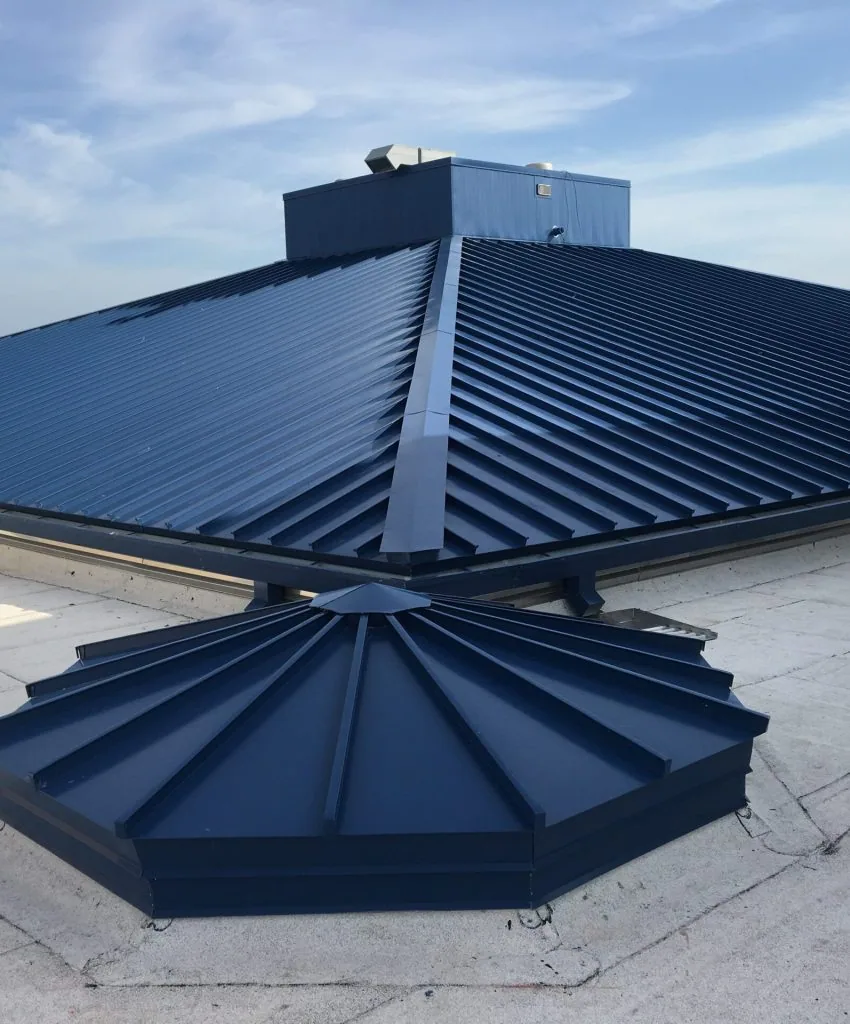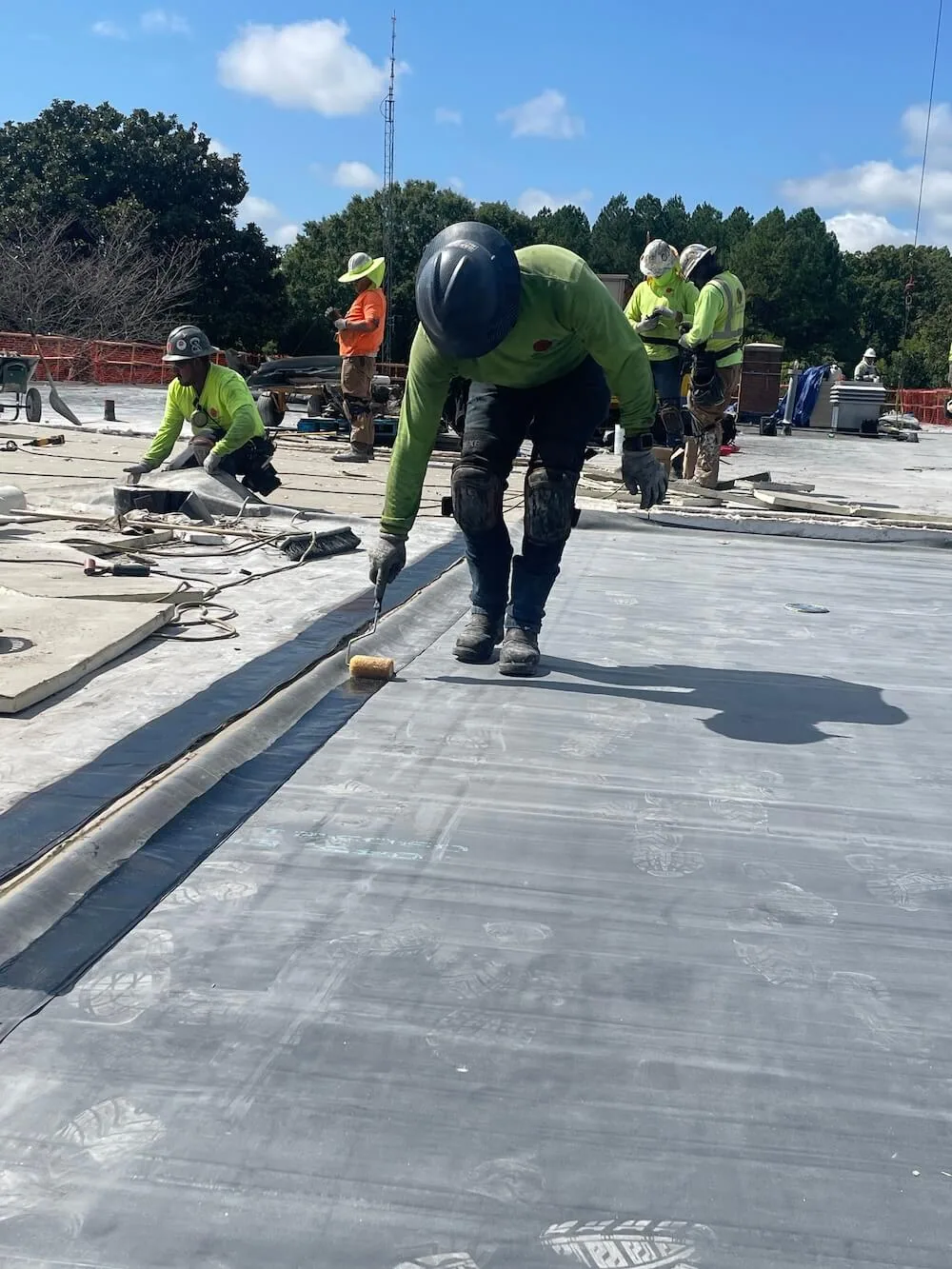
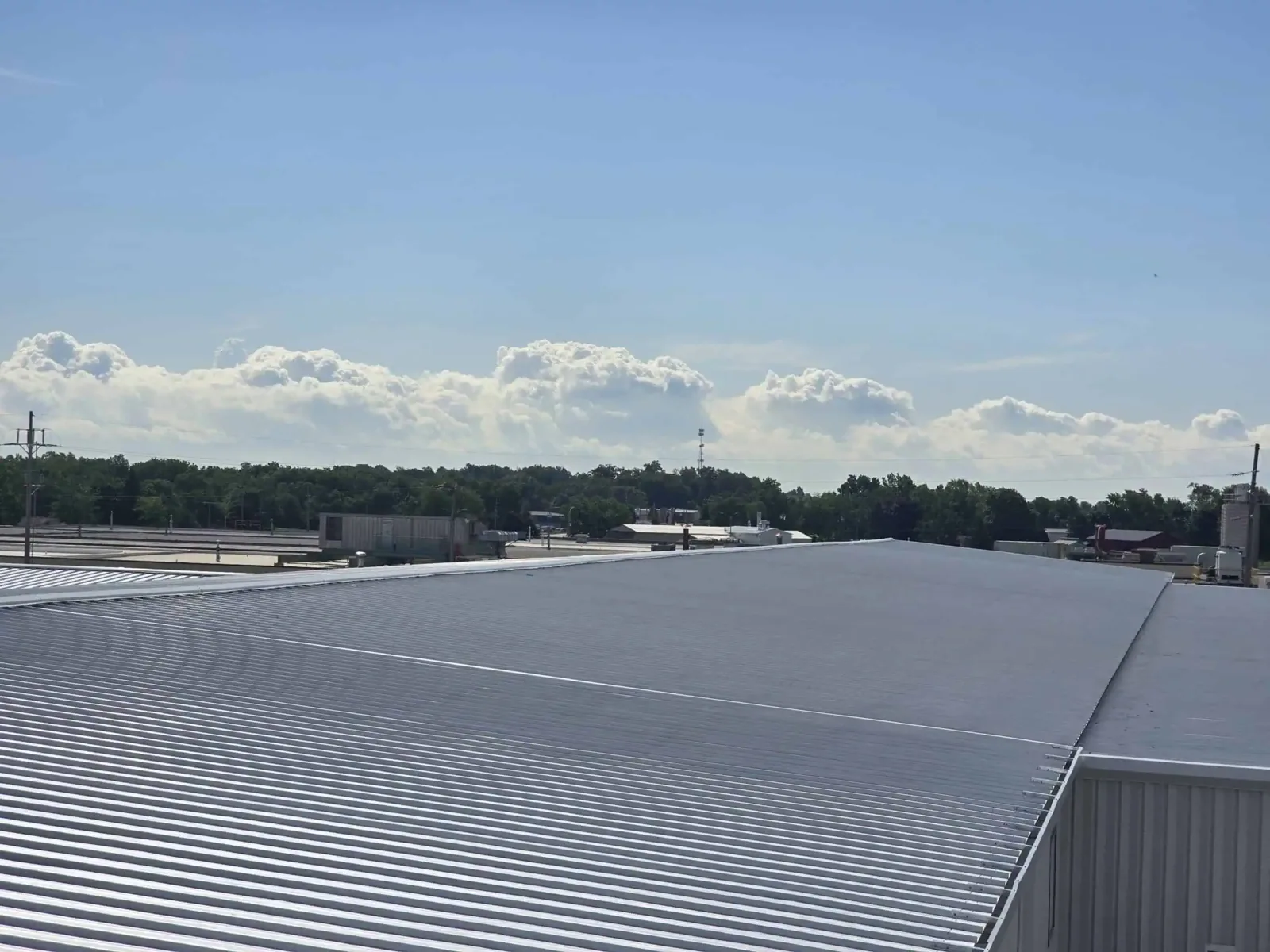
A standing seam job starts with the panel order, because the lead time on fabricated metal is the longest item on the schedule. Panels are cut to the length of each run, so the order cannot go in until the field dimensions are confirmed. In Kingsport, TN we measure, verify and release the order before any other work is scheduled.
The install follows in order: set the underlayment, fix the clips, lay the panels, seam them, set the trim and test the details. Each step waits on the one before it.
Field Measurement, Shop Drawings and Lead Time
We measure every run, eave, ridge and penetration, then draw shop drawings for the general contractor to review. The drawings show panel lengths, clip spacing, trim profiles and penetration locations. After approval, the order goes to the fabricator and the lead time starts.
The review period is part of the schedule. A drawing returned late pushes the order, and a late order pushes the crane date. We put the review dates in the phasing plan, with the person responsible for each. Material is delivered in the sequence it will be installed, to a laydown area that does not block a dock or a fire lane.
Deck Preparation, Underlayment and Clips
The deck is inspected and repaired first. Underlayment goes over it, and clips are fastened at the specified spacing. Clips hold the panel while letting it slide with temperature. Kingsport's recorded low near minus 18 F and high of 104 F put a long panel through a wide range of movement, so clip type and spacing are set for that range.
Wind adds a second load. Morristown thunderstorm warnings for the county have named hail along with 60 mph gusts. Clip spacing near eaves, ridges and corners is tighter, and the engineer confirms the uplift values. A missed clip row is easy to fix now and hard to fix once the panel is seamed over it. Thermal movement and wind also drive the choice between a snap-lock and a mechanically seamed profile, and the engineer's sign-off goes into the permit set.
Panel Install and Seaming
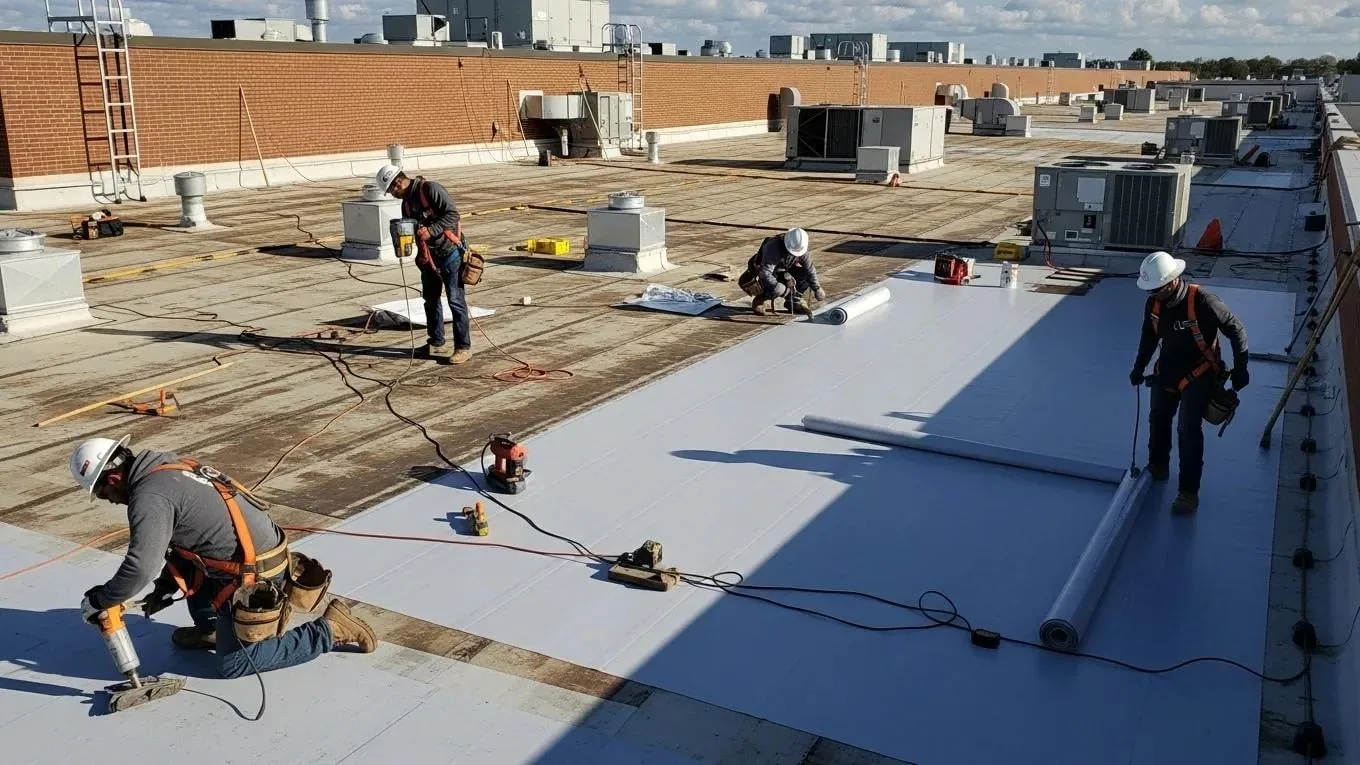
Panels are lifted to the roof by hoist or crane and laid from one edge to the other. Each panel locks to the clips and to its neighbor. A seaming machine then crimps the standing seam along its length. The crew checks panel alignment at every few feet, because a drift at the eave becomes a gap at the ridge.
Panels are protected against scratching and dents. Walk boards are used when the crew crosses installed metal. Tools are kept off the surface. The sequence is planned so that each day's panels are seamed and trimmed before the crew leaves, with no panel left loose overnight in wind.
Panel finish needs care as well. A scratch through the paint exposes bare metal, and bare metal corrodes at cut edges and fasteners. The crew carries touch-up paint, keeps cut chips off the surface and sweeps the roof at every break. Metal shavings left on a panel rust and stain the finish, and the stain is hard to remove.
Trim, Penetrations and Snow Retention
Eave, rake and ridge trim finish the roof. Each piece is fastened to allow movement and sealed at the laps. Penetrations get boots or curbs designed for metal. A curb on a standing seam roof needs a sliding or flexible connection, so the panels can move without tearing the seam. We detail it before the panels are cut.
Snow behavior is a design item. Snow here totals only about 5.1 inches in a year, mostly in January and February, so heavy retention is seldom called for. Where a slide could reach a door or a walkway, snow guards are added. The decision is made with the owner and the general contractor, and the guards are installed with the panels.
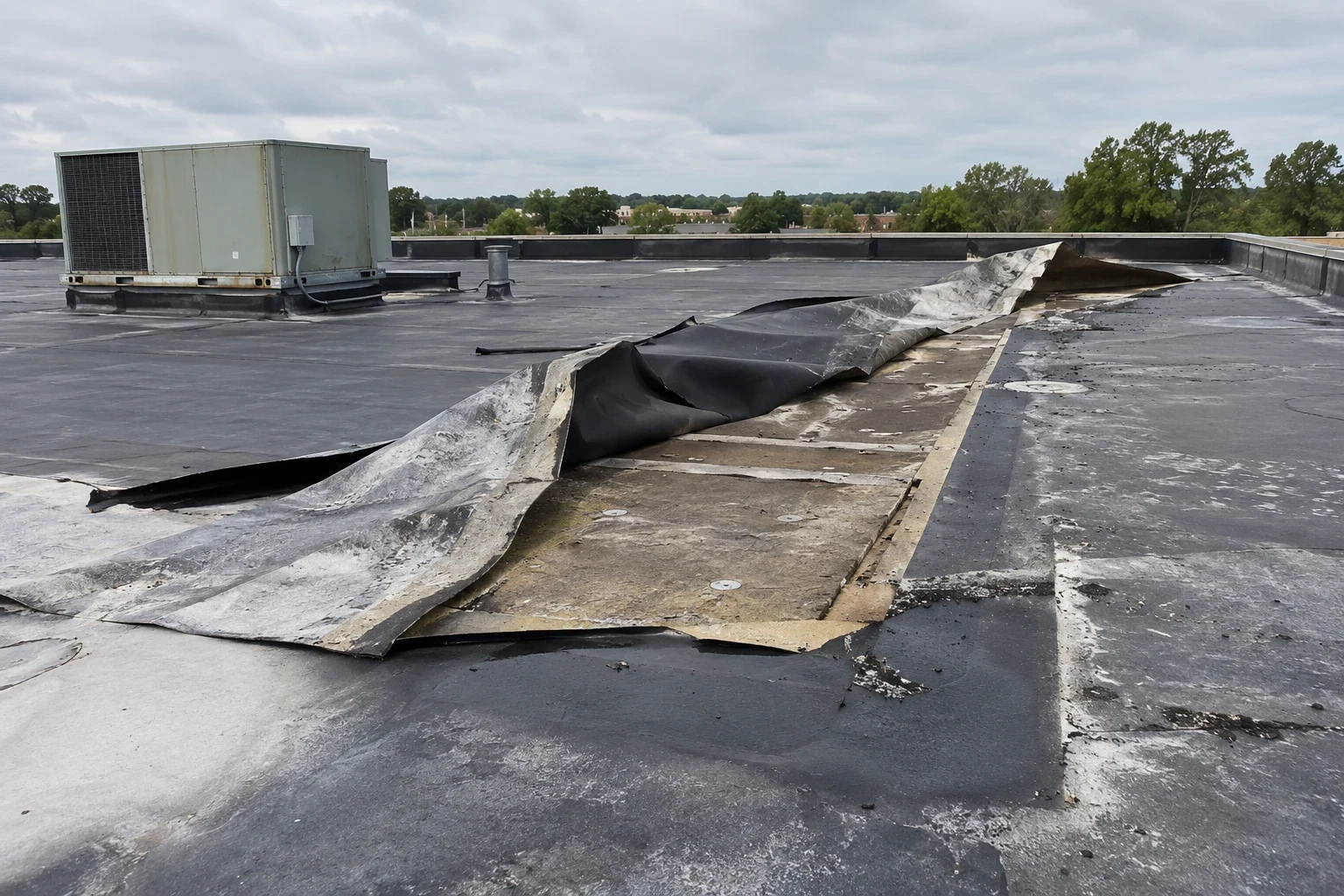
Hail is a finish and gauge question. Dents do not always leak, but they can void a finish warranty or affect appearance on a visible roof. Warnings for the county have cited hail large enough to damage roofs and siding. After a hail event we document dents by panel with photographs, so a hail damage review has a dated record to work from.
Phasing Around Plants and Parks
Technology Park II, a shovel-ready park on former Holston Army Ammunition Plant property, and Phipps Bend Industrial Park southeast of Surgoinsville are examples of industrial parks in the region. A metal roof job in a park follows the park's access and delivery rules, and the phasing plan names the haul route, crane pick and laydown area.
A flex industrial building or a warehouse may be roofed in sections while occupied. A new building may be roofed with no tenants. The plan changes with each, and so does the use of the occupied building methods. The night shift handoff, the weekend window and the outage calendar are all written in.
Permit, Weather and Inspection
A standing seam reroof reaches the Kingsport Building Department as a stamped plan set and a PDF, and the assembly is reviewed against the 2024 building and energy code editions. Contracts past $25,000 bring the Tennessee license and the insurance certificates into the filing as well. Fabrication lead time and plan review run side by side, which is why the permit goes in with the shop drawings.
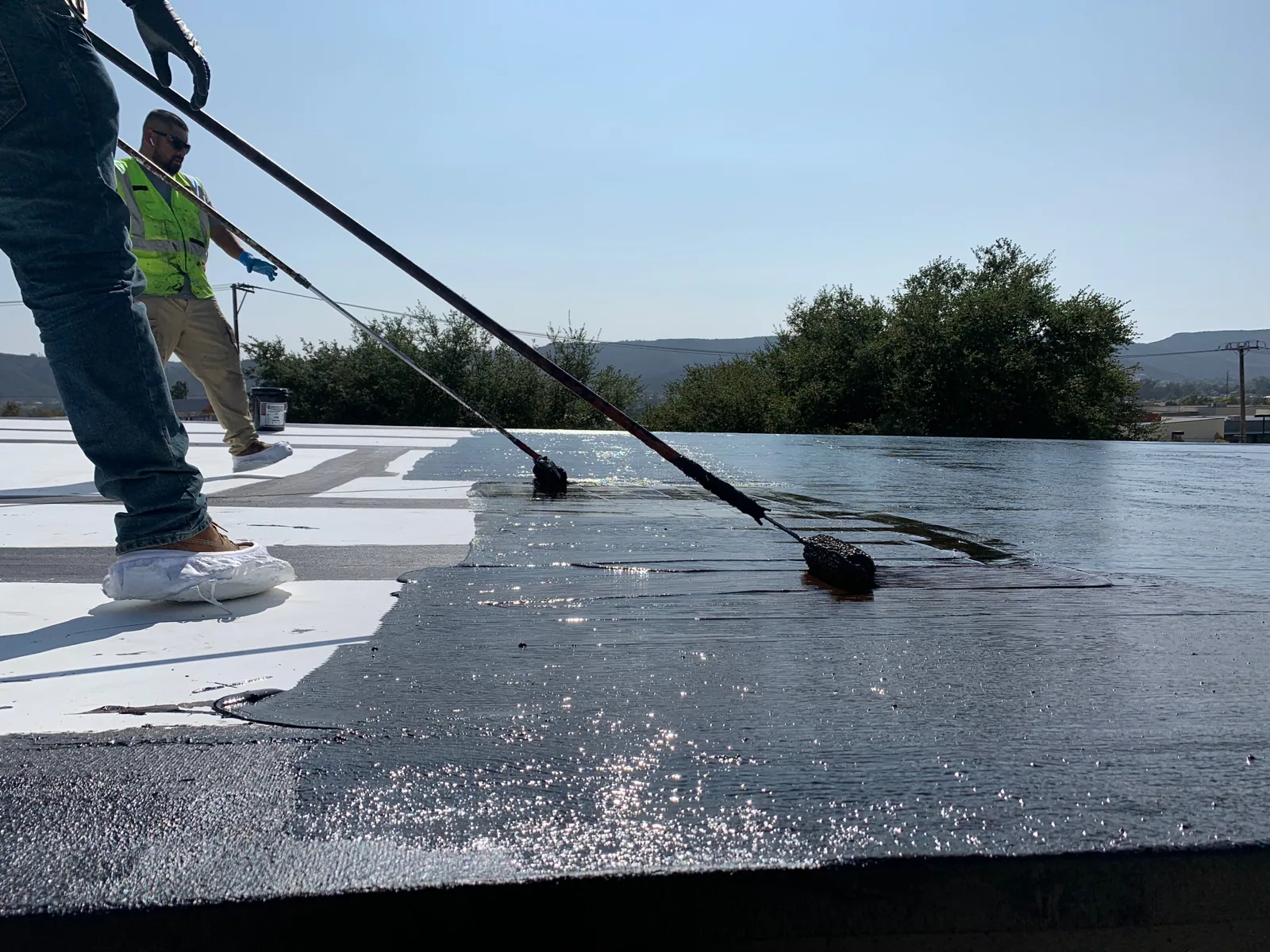
Wet metal is slippery and sealant will not cure on a damp surface, so rain on about 133 days a year, roughly 45 inches in total, shapes the calendar. A silicone coating over an old finish follows a different sequence. The install stops when panels are wet or the wind rises, and the inspector walks the finished roof with the superintendent before closeout.
Closeout and Punch List
Closeout starts with a check of every seam, trim piece, boot and fastener against the shop drawings. Scratches are touched up with matching paint, and unfinished items are assigned a name and a date. The shop drawings, finish warranty, permit sign-off and photographs go into the package. A metal roof retrofit over an existing roof follows a related sequence, and replacement of a failed roof can use either. A developer on West Stone Drive land sends the same items.
Commercial Roofing Questions
Why does the panel order come first?
Panels are cut to the length of each run, and the fabricator's lead time is the longest item on the schedule. We recommend verifying field dimensions and approving shop drawings early. A late drawing pushes the order, and a late order pushes the crane date.
What is a clip, and why does it matter?
A clip holds a standing seam panel to the deck while letting it slide as temperature changes. We recommend confirming clip type and spacing with the engineer. Kingsport's range from about minus 18 F to 104 F puts a long panel through a lot of movement.
Does Kingsport need snow guards?
Often not, since it averages about 5.1 inches of snow a year. We recommend adding them where a slide could reach a door, a walkway or equipment. The decision is made with the owner during shop drawings, not after the panels arrive.
How is a curb detailed on a standing seam roof?
With a sliding or flexible connection, so panels can move without tearing the seam. We recommend detailing it before the panels are cut. A rigid curb on a moving roof will leak sooner or later.
What stops the install in bad weather?
Wet panels, wet sealant and rising wind. Warnings for Sullivan County have cited 60 mph gusts. We recommend a spare day in each phase, and a rule that no panel is left loose when the shift ends.