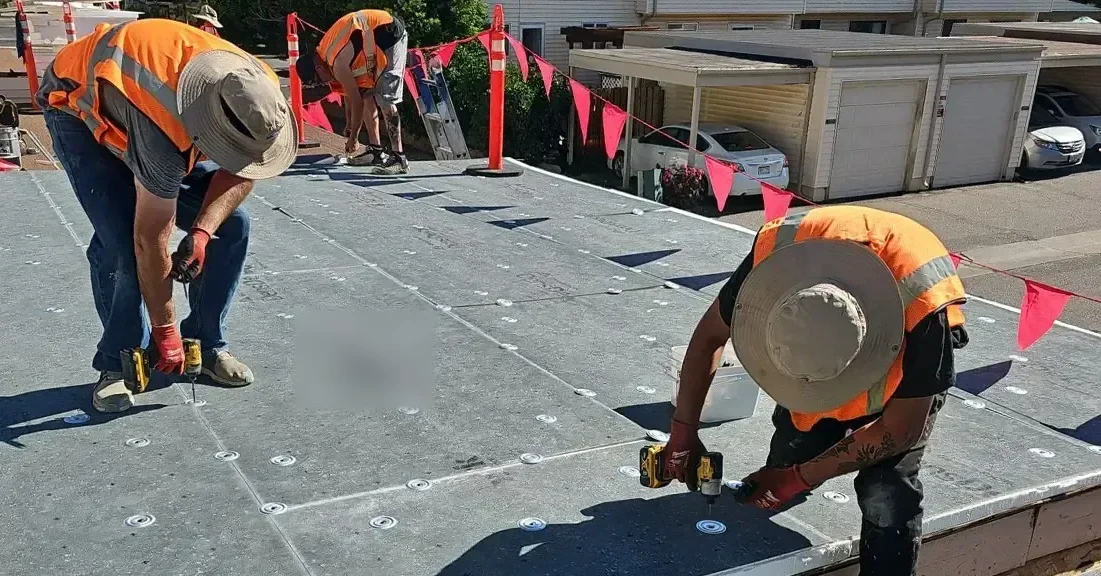
A maintenance program in Kingsport, TN starts with a baseline visit, and the baseline visit needs three things in place first: the roof access rules for each building, the calendar of plant outages or campus closures, and the name of the person who can release the hatch key. With those, we build a visit schedule that fits the facility instead of fighting it. Each visit follows the same route, so the findings from this spring can be set beside the findings from next fall, and the owner can see what changed. The program ends each visit with a dated register entry, a photo set and a short list of items to fix on the same trip or on the next one.
Baseline Visit and Roof Register
The first visit records what is there. We mark the roof sections on a plan, note the system type in each, count the drains and scuppers, and list every penetration and rooftop unit. We photograph the edges, the seams and the flashings at each curb. Where records are missing, the baseline becomes the record.
The register that follows carries one line per roof section: age if known, last repair, open items and the date of the next visit. A superintendent reading it should be able to tell in one minute which section has the most open items, which one was last touched and which one is due. Without a baseline, every later visit starts from nothing. The baseline also fixes the access plan. We record the hatch or ladder location, the route from the parking area, any fall-protection tie-off points and the places where staging or a lift can sit without blocking a dock. That page goes into the register so a second crew can arrive without a second site survey.
Visit Calendar Around Outages and Campuses
Kingsport is a planned industrial city with a large chemical, paper and ordnance manufacturing base alongside hospitals and retail. That mix sets the calendar. A plant building may open its roof only during a turnaround outage. A hospital campus such as Holston Valley Hospital's usually limits noisy work near patient areas, so its visits sit in the quiet hours. An industrial site such as the Domtar mill, converted in 2023 to make recycled liner board, will have roof access and safety rules of its own.
We ask for those rules first, then place the visits. Two visits a year is the usual minimum, one in spring and one in fall, with a third after any severe storm. Buildings with higher consequence get an extra visit before the winter and before the heat.
Drain and Scupper Service Pass
Drains get the first pass on every visit. With about 45 inches of precipitation spread over roughly 133 days a year, low-slope roofs in Kingsport shed water constantly, and drains clog with leaves, grit and sealant scraps. We pull the strainers, clear the throat of each drain, flush it with water to confirm flow and photograph the sump before and after.
Scuppers and downspouts are checked the same way. If a drain sits high, if a sump holds water more than a day after rain or if a downspout dumps against a wall, it goes on the list with a photo. Ponded areas are marked on the plan so the next visit can compare the depth. If the strainers are broken or missing, we replace them as part of the visit, because a drain with no strainer takes in everything that lands on the roof. Debris in the line is a separate problem, and we report it so the owner can arrange a camera check or a line clearing.
Seasonal Checklist for the Kingsport Year
Spring is for winter damage. Kingsport has recorded lows near minus 18 F, and although snowfall averages only about 5.1 inches, the freeze and thaw opens laps and cracks sealant. Summer is for heat. Highs of 104 F soften some membranes and move flashings, so we check curb corners and parapet bases. Fall is for leaves, drains and loose edge metal before early snow.
Storm checks come as needed. NWS Morristown has issued severe thunderstorm warnings for Sullivan County and nearby Washington County citing 60 mph gusts and hail, with expected damage to roofs, siding and trees. After a warning like that, we recommend a visit within a few days, with photos of the edges, the units and the field of the roof.
Small Repairs on the Same Trip
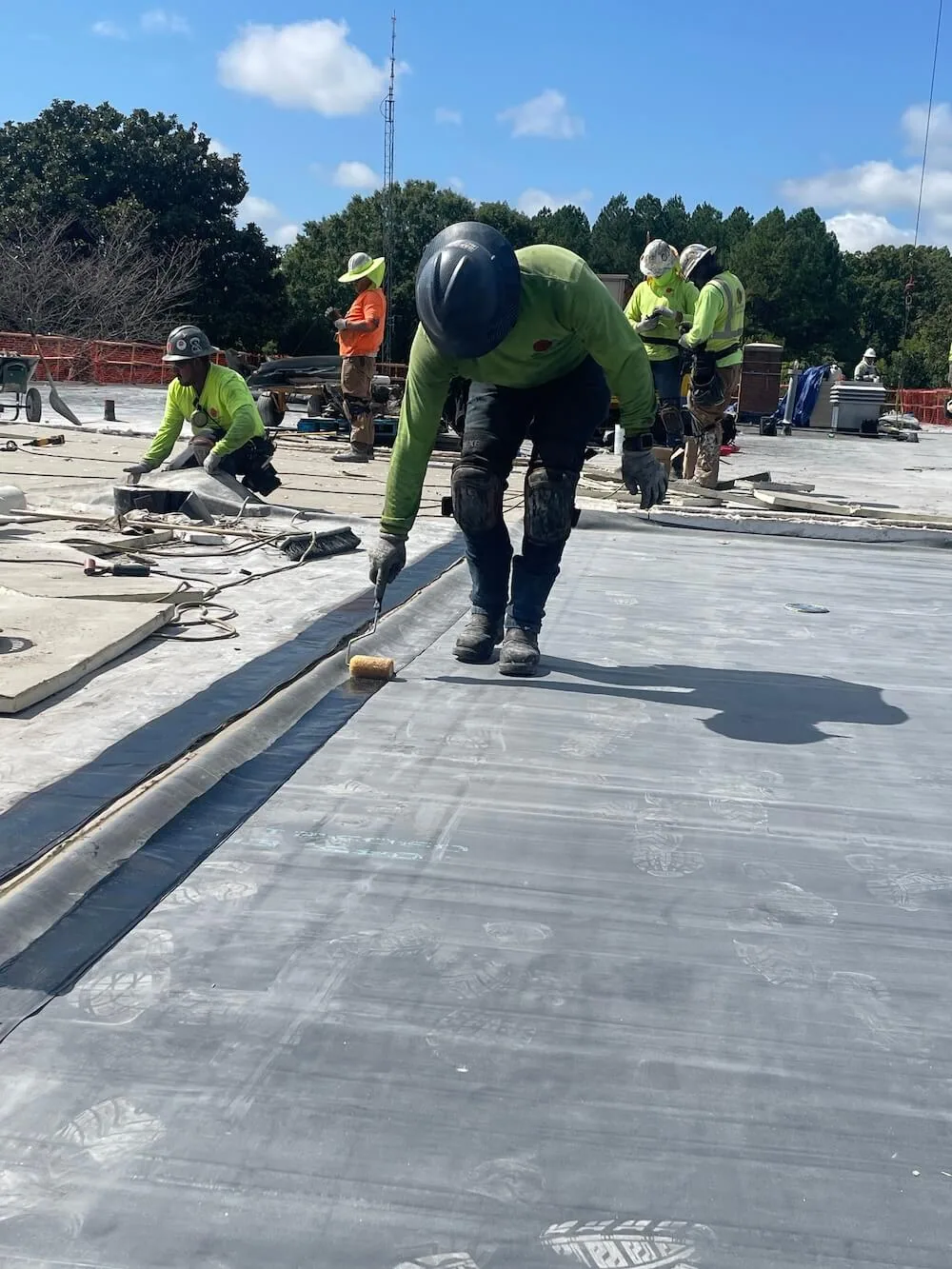
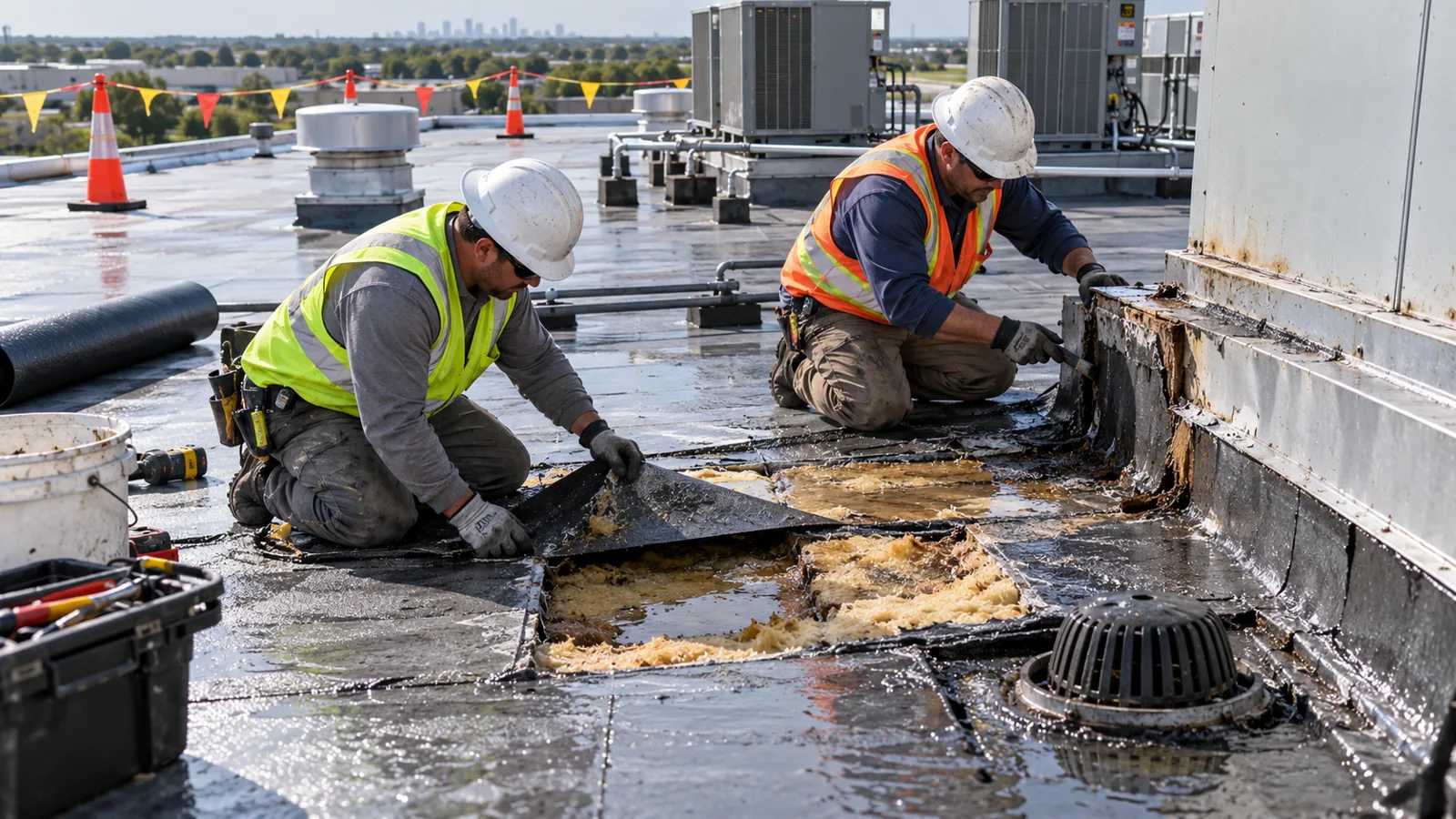
A maintenance visit carries materials for small fixes. Resealing a pipe boot. Replacing a cracked sealant bead at a curb. Tightening a loose coping cap. Patching a puncture from foot traffic. These are done on the spot, photographed and logged. Anything that needs hot work stops until the permit is in place and the fire watch is set.
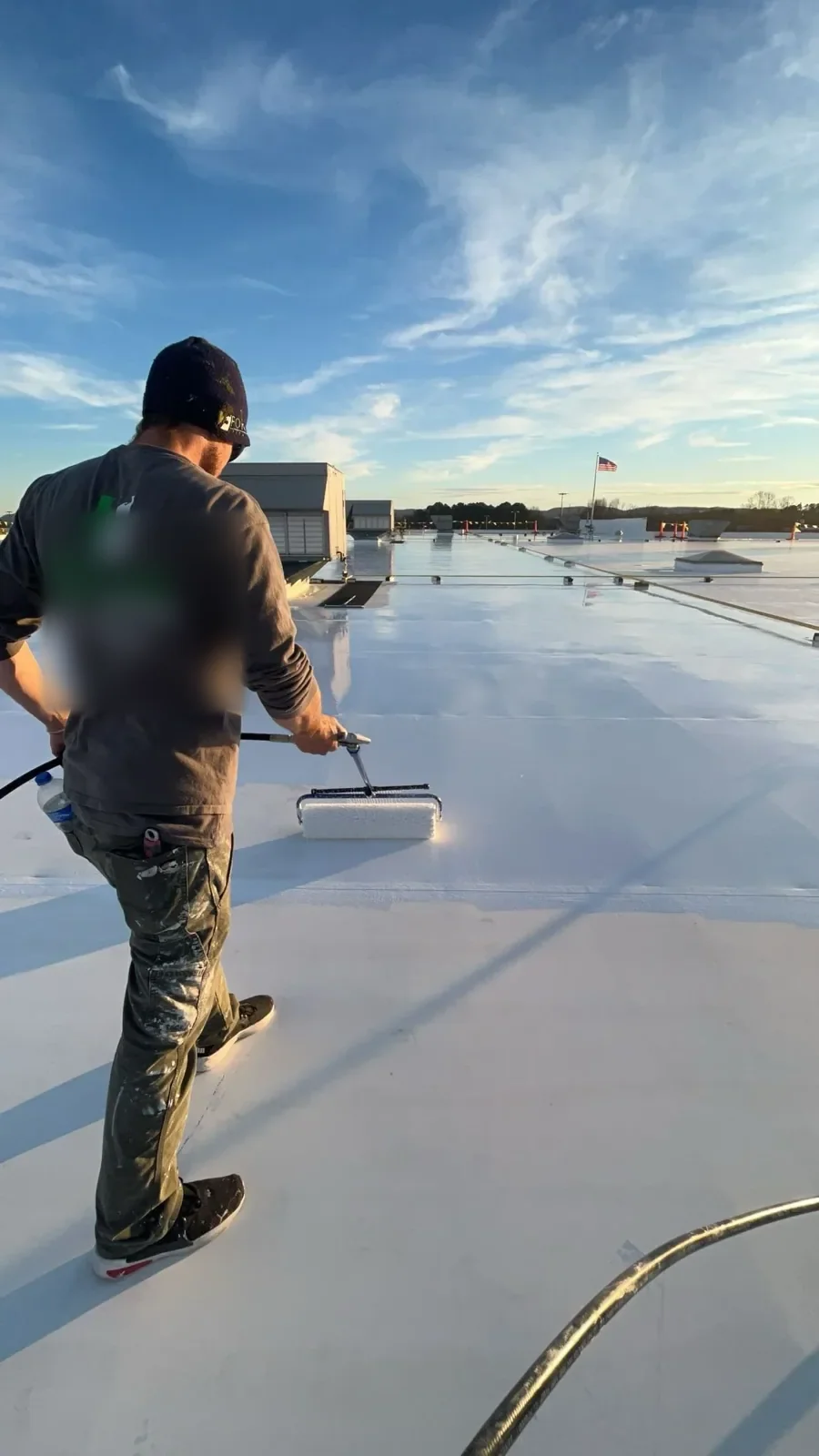
Items beyond a small repair go onto a proposal list with a price and a recommended date. If an area keeps returning to the list, that is the sign that repair spending is moving toward a commercial roof replacement or a roof coating restoration, and the register shows it. Materials for these tasks ride on the roof in sealed containers, with a drop cloth under anything that could spill. Debris goes into a bag that leaves with the crew. Before we leave the building we walk the perimeter at ground level and look at the downspouts, the splash blocks and any staining on the wall below an edge.
Records, Permits and the Budget Handoff
Reroofing in Kingsport needs a permit, and a commercial submittal arrives as a stamped plan set with a PDF copy. For jobs above $25,000 the contractor must be licensed by the State of Tennessee and show workers' compensation and general liability insurance. A maintenance register helps here, because it shows which work was routine upkeep and which grew into a permitted project.
Each year the register becomes a short budget memo: items completed, items open, estimated cost of each and the section most likely to move into a capital line. Our roof asset management work uses the same register, and the roof drain and scupper service is the heart of it.
What We Need From You
Send the site plan, the roof access points, any past reports and the outage or turnover calendar. Tell us which buildings are most sensitive to a leak and who approves roof access. For buildings along Fort Henry Drive or in downtown Kingsport, add the tenant contacts. With that, the visit calendar can be built before any pricing is locked. If the building has a fire alarm panel, an access-control system or a monitored roof hatch, tell us who to call. A visit that trips an alarm wastes a morning. We confirm the contact the day before, and we call again when we arrive and when we leave.
Commercial Roofing Questions
How many maintenance visits a year does a commercial roof need?
We recommend two as a minimum, in spring and fall, plus a visit after any severe storm warning. Sensitive buildings, such as hospitals and process plants, merit a third visit before winter. The register shows whether the schedule needs to tighten.
Can maintenance be scheduled around a plant outage?
Yes. We build the visit calendar from your outage and turnover dates, and we place roof access for the days when the area below is quiet. Send the calendar and the access rules first.
What does a maintenance visit cost compared with a repair?
A visit is a fixed-scope service with a set list of tasks, so its cost is predictable. A repair is priced by what the roof shows. Regular visits tend to shrink repair lists, because small items are closed before they spread.
Do small repairs need a permit?
Routine upkeep generally does not, but a reroof does. Permits in Kingsport reach reroofing work, and once a job tops $25,000 the contractor needs a state contractor license from Tennessee. Anything near that line gets flagged for you.
What records do I receive?
A dated register entry for each roof section, a photo set, a list of items closed on the visit and a list of items open, each with a recommended date. The register is yours to keep.