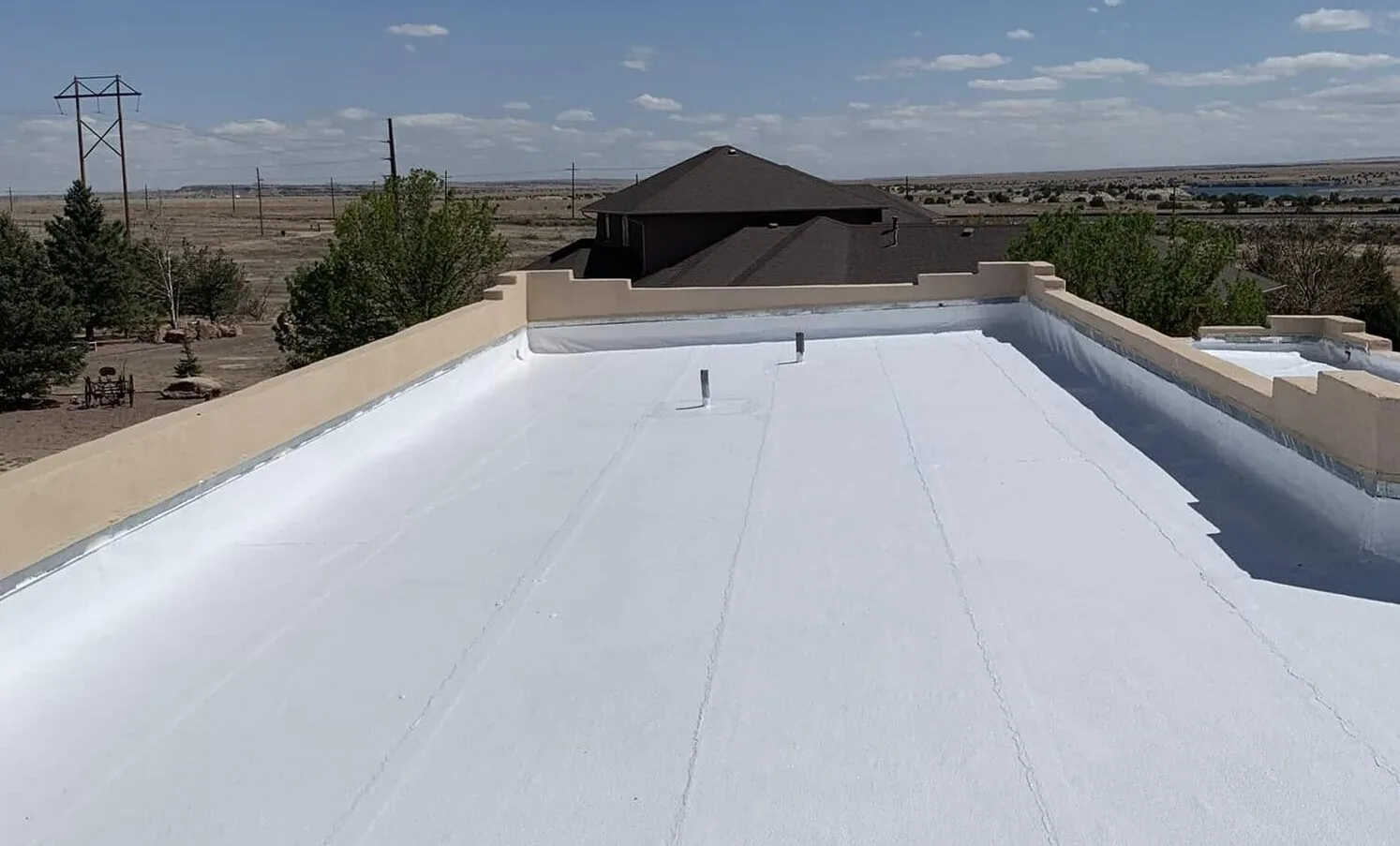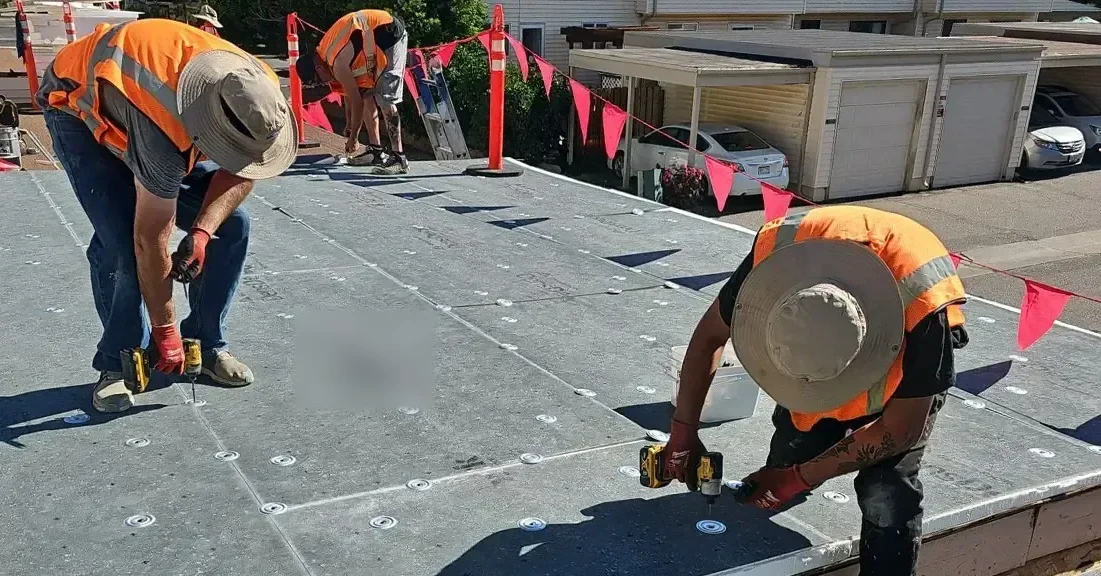
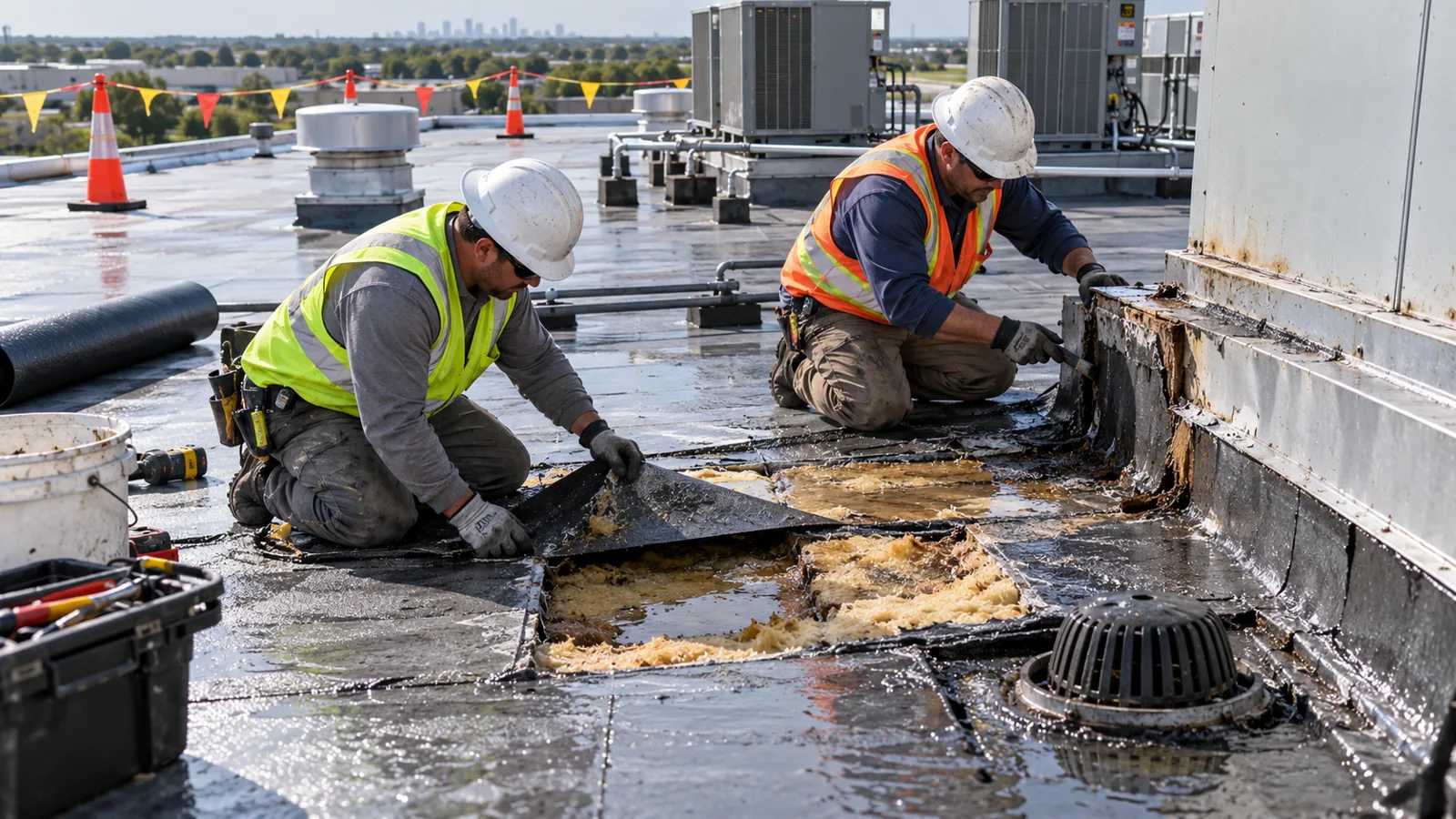
A drain job at a Kingsport, TN building begins with a flow test, and the flow test needs a water source on the roof, a way to reach every drain and someone who can tell us where each leader line ends. With those three in hand, we pour water at each drain and scupper, time the flow and note where it backs up. We then map the ponded areas and decide what is needed: a cleaning, a repair, a raised or added drain, a cricket or a slope correction. The decision depends on the flow test and the measurements, and the repair is sequenced so the roof is never left without a working outlet.
Drain Inventory and Flow Test
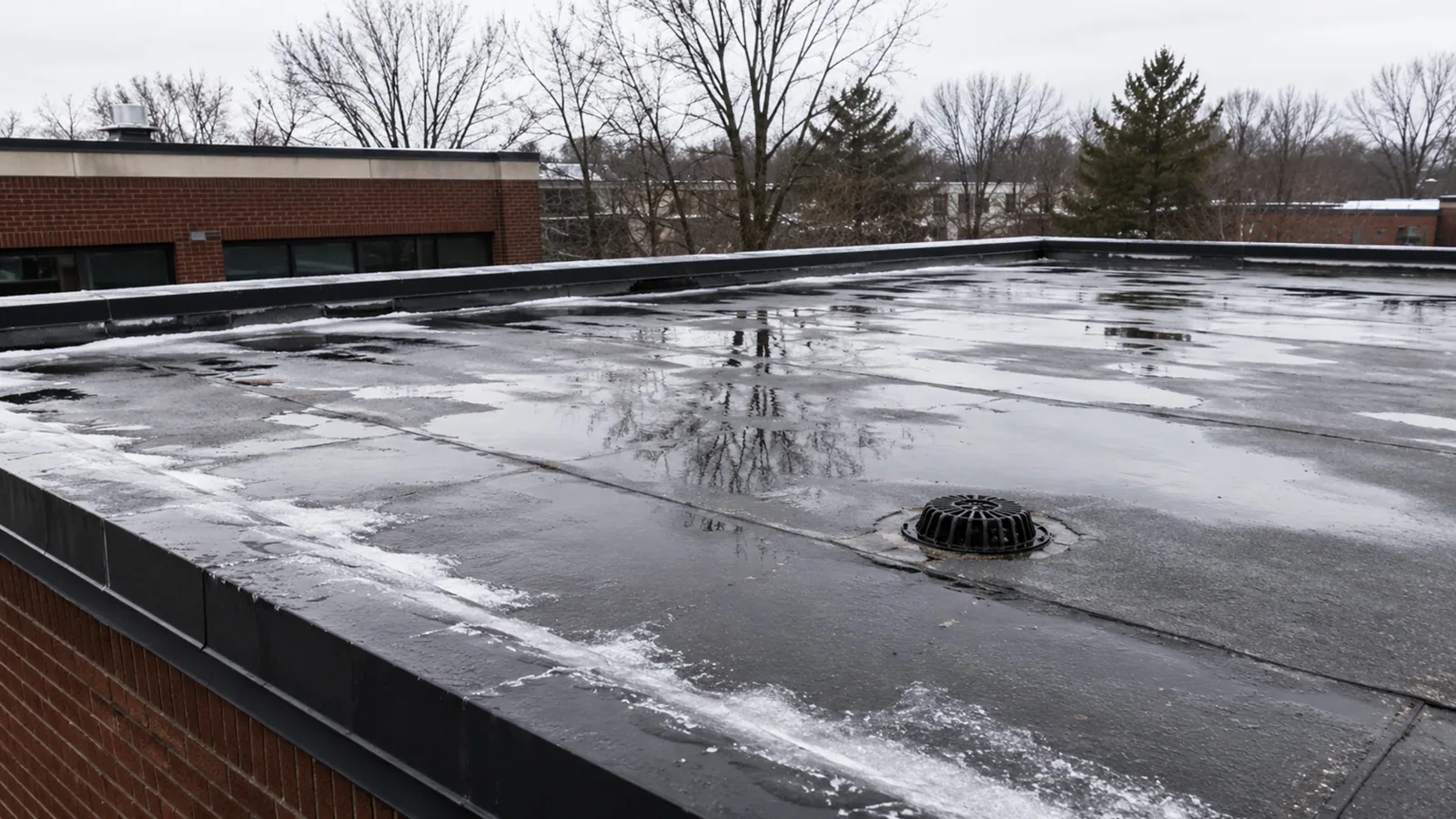
Every drain, scupper and overflow outlet goes on the roof plan with a number. We note the type, the size of the opening, the condition of the strainer and the clamp ring, and the height of the sump compared with the surrounding field. For interior drains, we trace the leader line as far as access allows and ask the building engineer where it ends.
Then the flow test. Water poured at a measured rate shows whether the drain takes it, slows it or refuses it. A drain that backs up with a clear strainer points to a blocked line, and that goes on the report as a plumbing item with a recommendation for a camera check. A drain that is out of reach is still counted. We photograph it from the nearest safe spot and note why it could not be tested, so no outlet is assumed to work.
Ponding Map and Depth Readings
On roughly 133 days a year, adding up to about 45 inches of precipitation, Kingsport roofs get wet often enough that ponding is more a standing condition than an occasional one. After a rain, or after a flow test, we mark the edge of each pool, measure its depth and note how long it holds. The readings go on the plan with a date.
Not all ponding is a problem. A thin film that dries within a short time on a sound membrane is often tolerable. Deep or long-lived water is not, because it adds weight, ages seams and flashings and hides punctures. The map separates the two, and the report names the areas that need correction, the same work as ponding water roof repair.
Cleaning, Repair and Strainers
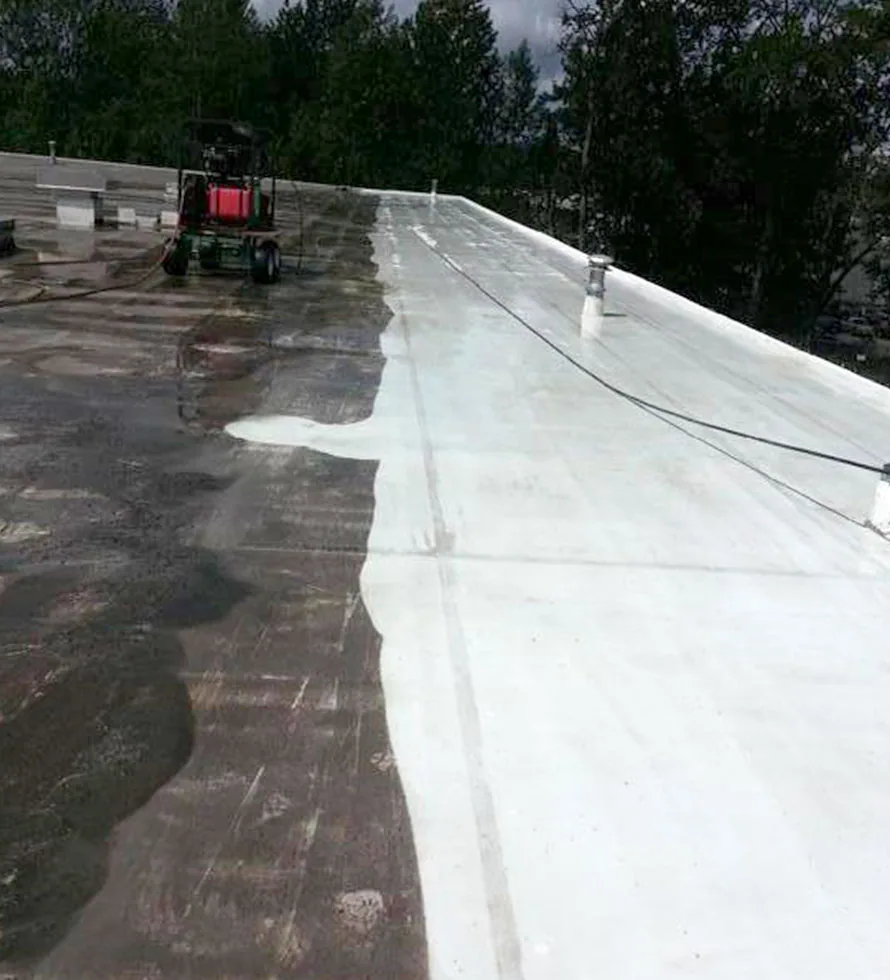
Most drain problems begin with debris. Leaves, grit, torn membrane scraps and sealant tubes all end up in a sump. We clear the throat, flush the line, replace missing or broken strainers and re-seal the clamp ring and the membrane flashing around the drain body. A drain flashing that has pulled away from the body is a leak at a place that always carries water, so it is rebuilt, not patched.
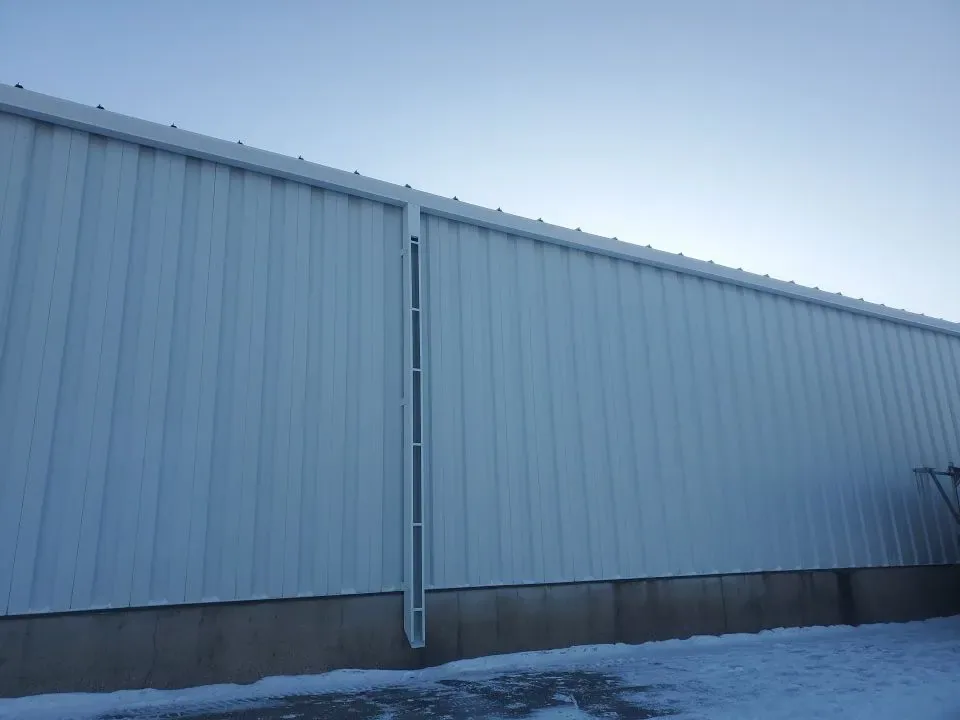
Scuppers get the same treatment. Through-wall openings are checked for corrosion, for sealant at the liner and for a splash block or downspout that carries the water away from the wall. The edge metal around a scupper is often where trouble starts, so we coordinate with edge metal, coping and gutters work when the metal is damaged. Debris is bagged and carried off the roof, not swept into a downspout where it would block the line below. Grease from kitchen exhaust is treated separately, because it coats a strainer faster than leaves do and needs a solvent wash.
Added Drains, Crickets and Slope Correction
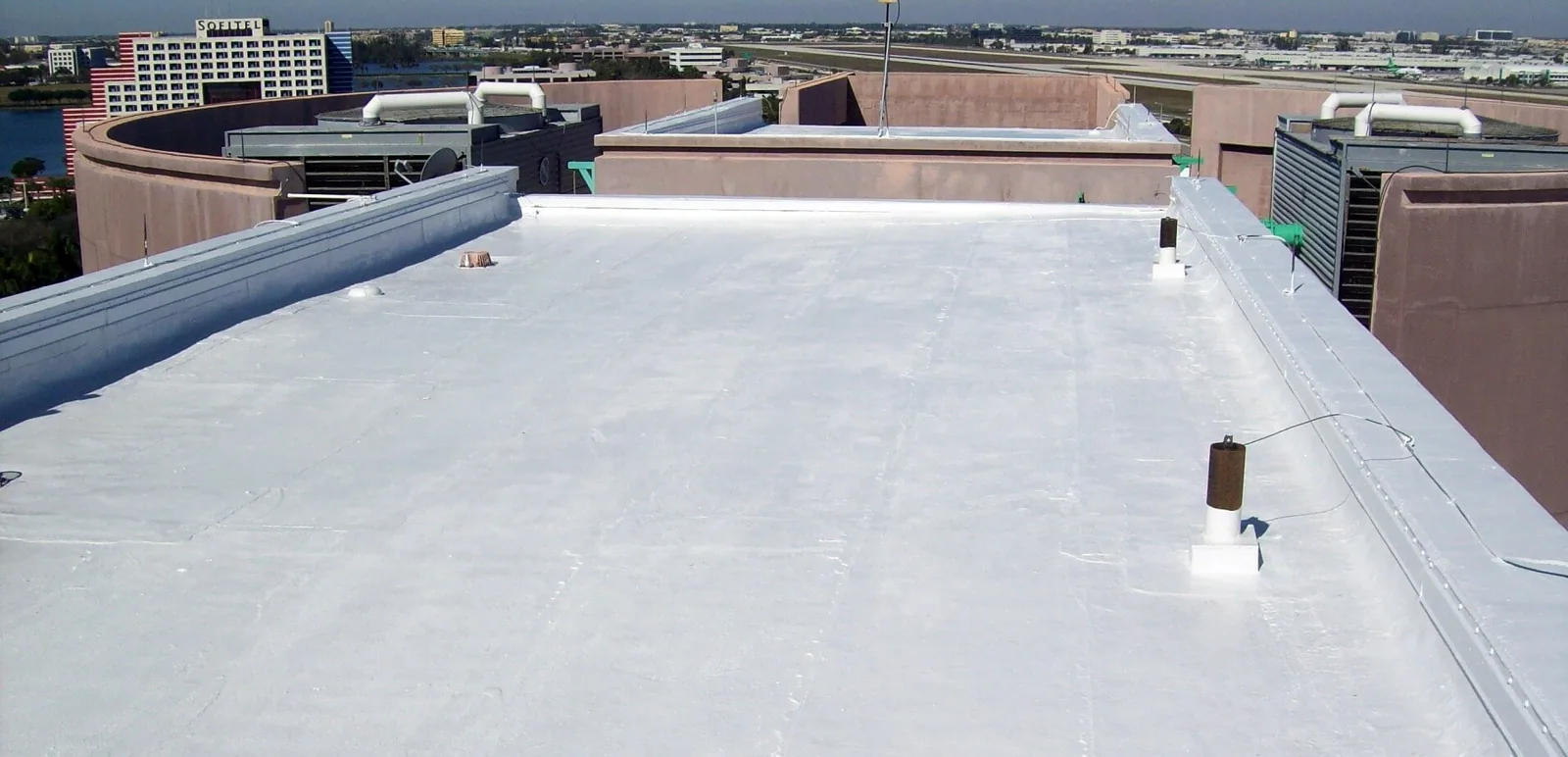
When cleaning is not enough, the roof needs a change. A cricket diverts water around a curb or a wall to a drain. Tapered insulation builds slope across a low area, and a single-ply system such as TPO roofing is laid over it. An added drain or scupper gives water a new outlet. The choice follows the measurements: the depth of the pool, the size of the low area, the height of nearby penetrations and the capacity of the leader line.
Added drains involve the plumbing. The leader line must have somewhere to go, and the building department may need to review the change. In Kingsport, work that reroofs a building needs a permit, and a stamped plan set goes with a commercial submittal. We raise the question early, so the line and the permit move together. Tapered insulation is specified the way any roof insulation and cover board layer is, with thickness and slope drawn on the plan.
Phasing Around Plants and Campuses
Drain work on a plant, such as the Eastman complex or the Domtar site, runs inside the facility's access and safety rules. Any torch work waits for the permit and the fire watch. On a hospital campus such as Holston Valley Hospital, noise and dust near patient areas shape the hours.
We schedule drain correction in sections so the roof is never left without a working outlet. A new drain is set before the old one is closed. Temporary overflow is provided where the roof is out of service for a day. At the end of each shift the area is cleaned, tested and photographed. The crew confirms before starting that the area below is clear of people and equipment, since a test flow can overflow if a line is blocked further down. Industrial sites such as Phipps Bend and Technology Park II, both with access to I-26 and I-81, may set contractor orientation and gate rules, and an Army installation such as the Holston Army Ammunition Plant typically adds escorts and badging before any drain test. We ask for those rules at the first call and build the drain schedule around them.
Freeze, Thaw and Winter Drain Checks
Kingsport averages only about 5.1 inches of snow a year, but it has recorded lows near minus 18 F, and a drain that freezes can crack its body or its line. Ice at a scupper holds water on the roof until a thaw. We check drains before the first hard freeze, and we recommend that heat-traced lines be tested in fall.
After a thaw, ponding that did not drain is added to the report. The pattern across the winter shows whether a drain is truly blocked or only slow. Elevation also varies across Kingsport, from about 1,211 feet downtown to 1,437 feet in Colonial Heights, so the fall check is timed by building, not by calendar date alone.
What We Need From You
Send the roof plan, the drainage drawings if they exist, the location of the water source and the access rules. Name the rooms under the roof that cannot tolerate water, and who knows where the leader lines end. For retail in the Fort Henry Drive corridor, add the tenant contacts. A good preventive roof maintenance program keeps the work from recurring. Tell us whether any of the leader lines tie into a storm system that the city or the plant maintains. That changes who has to approve any change at the discharge end.
Commercial Roofing Questions
How do you tell a blocked drain from a slow one?
By flow test. We pour water at a measured rate and time it. A drain that backs up with a clear strainer points to a blocked line, and we recommend a camera check by a plumber.
Is ponding always a problem?
No. A thin film that dries soon on a sound membrane is usually tolerable. Deep or long-lived water adds weight and ages seams, so those areas get corrected.
When is an added drain better than a cricket?
When the pool is large and the nearest drain is far. A cricket moves water around an obstacle, while an added drain gives it a new outlet. The measurements decide.
Do drain changes need a permit?
They can, because plumbing and roof work are both involved. Roof permits in Kingsport cover reroofing. The building department gets a call before the schedule is set.
How often should drains be cleaned?
At least twice a year, in spring and fall, and after major storms. Roofs near trees or process exhaust may need more.