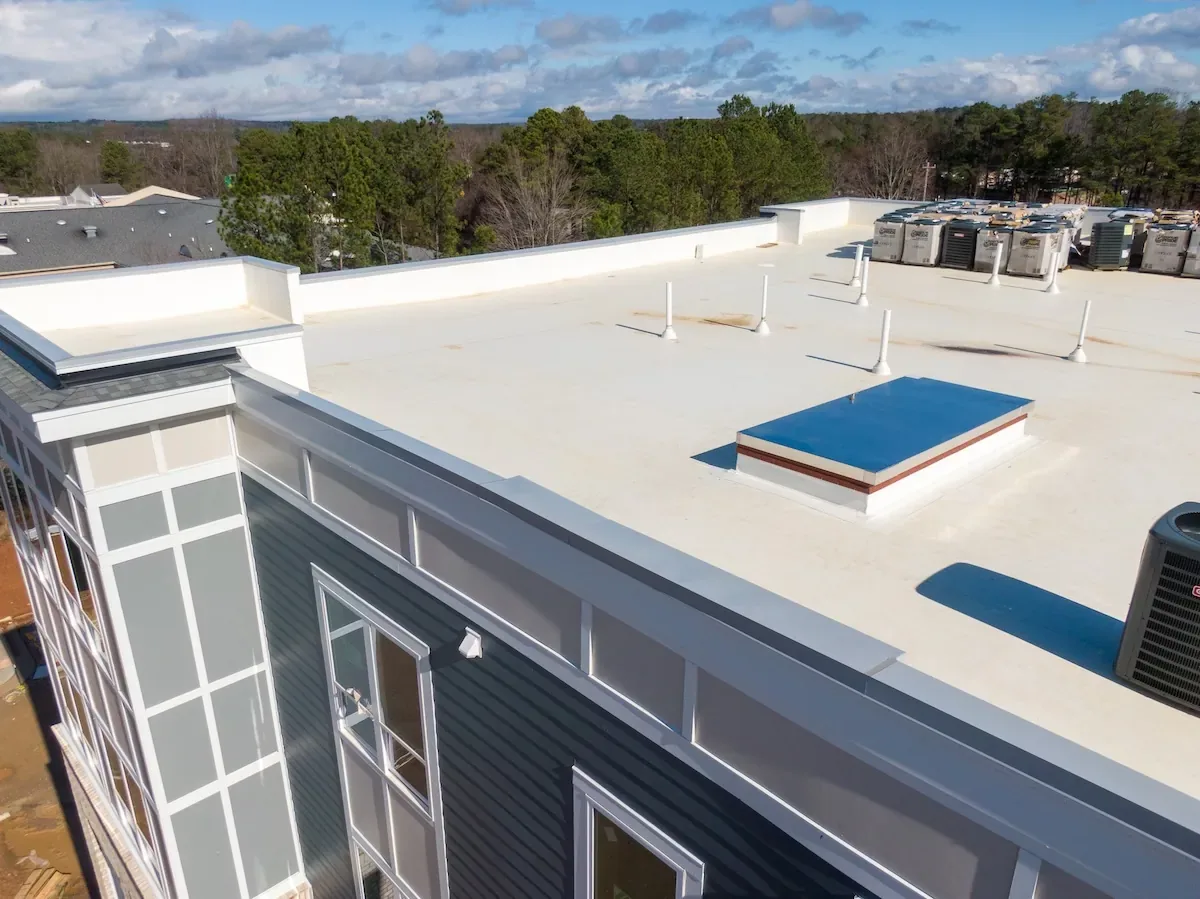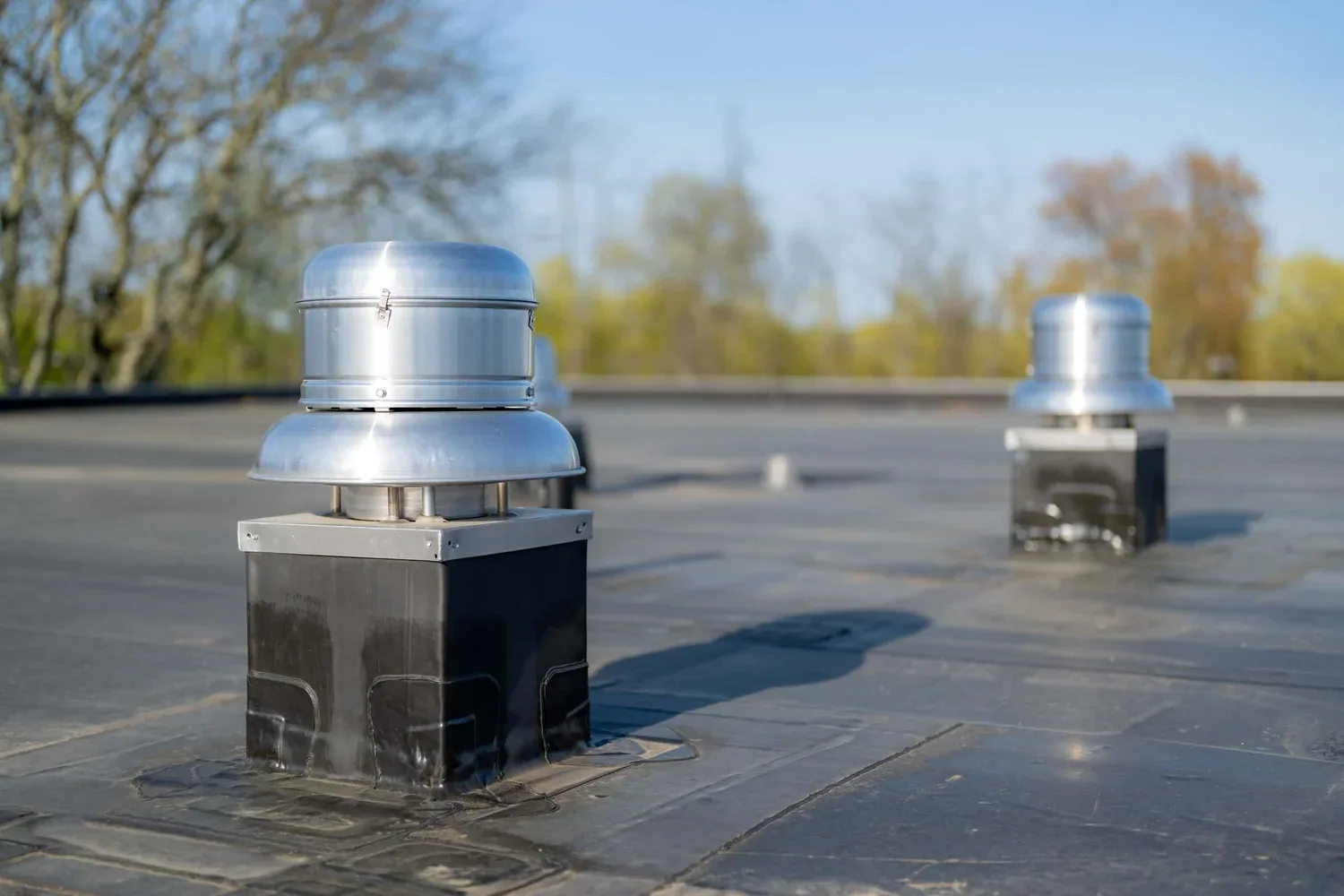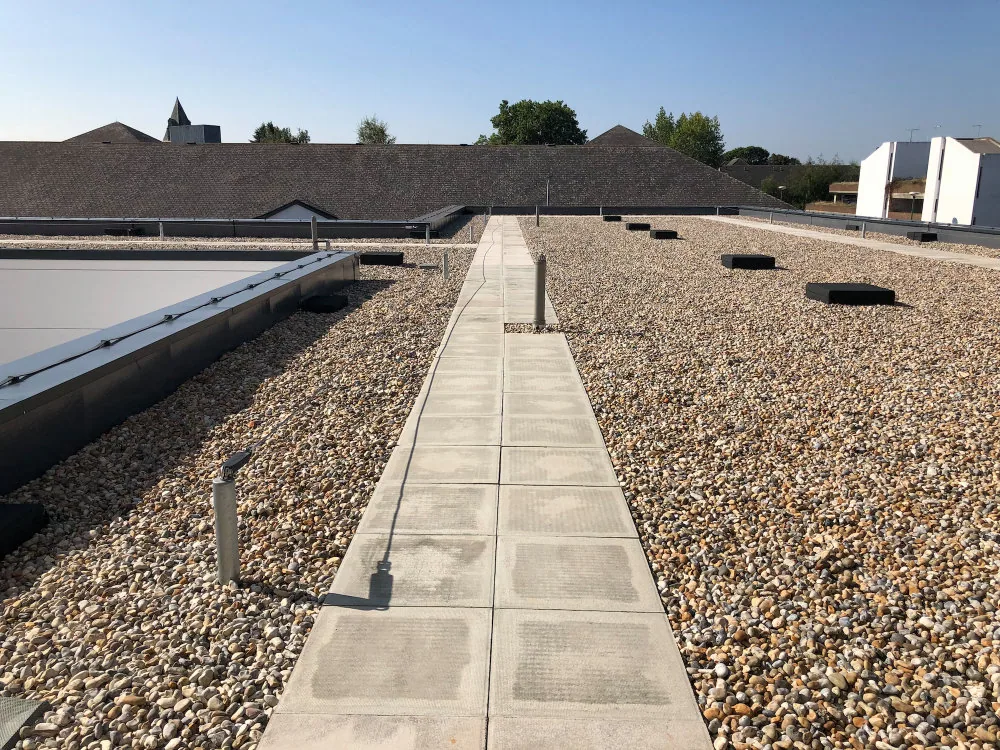
Soprema roofs raise the hot work question first, because bituminous systems are often installed with heat and the site may need a permit before anyone lights a torch. Soprema's roofing lines include modified bitumen sheets, liquid-applied membranes and insulation, so the repair depends on which of them sits on the deck.
In Kingsport, TN we ask the permit and fire-watch questions before we ask about the membrane. A plant, a hospital or a school may prohibit open flame entirely, and then the repair uses cold-applied methods. We learn the rules in the first call, and the whole sequence rests on the answer. A site that allows flame gets a torch plan with a fire watch. A site that does not gets a cold-applied plan, which usually takes more days and more curing time but removes the fire risk from the schedule. Either way, the written rules from the site go into the daily plan so a foreman is not working from memory.
Identifying the Assembly and the Method
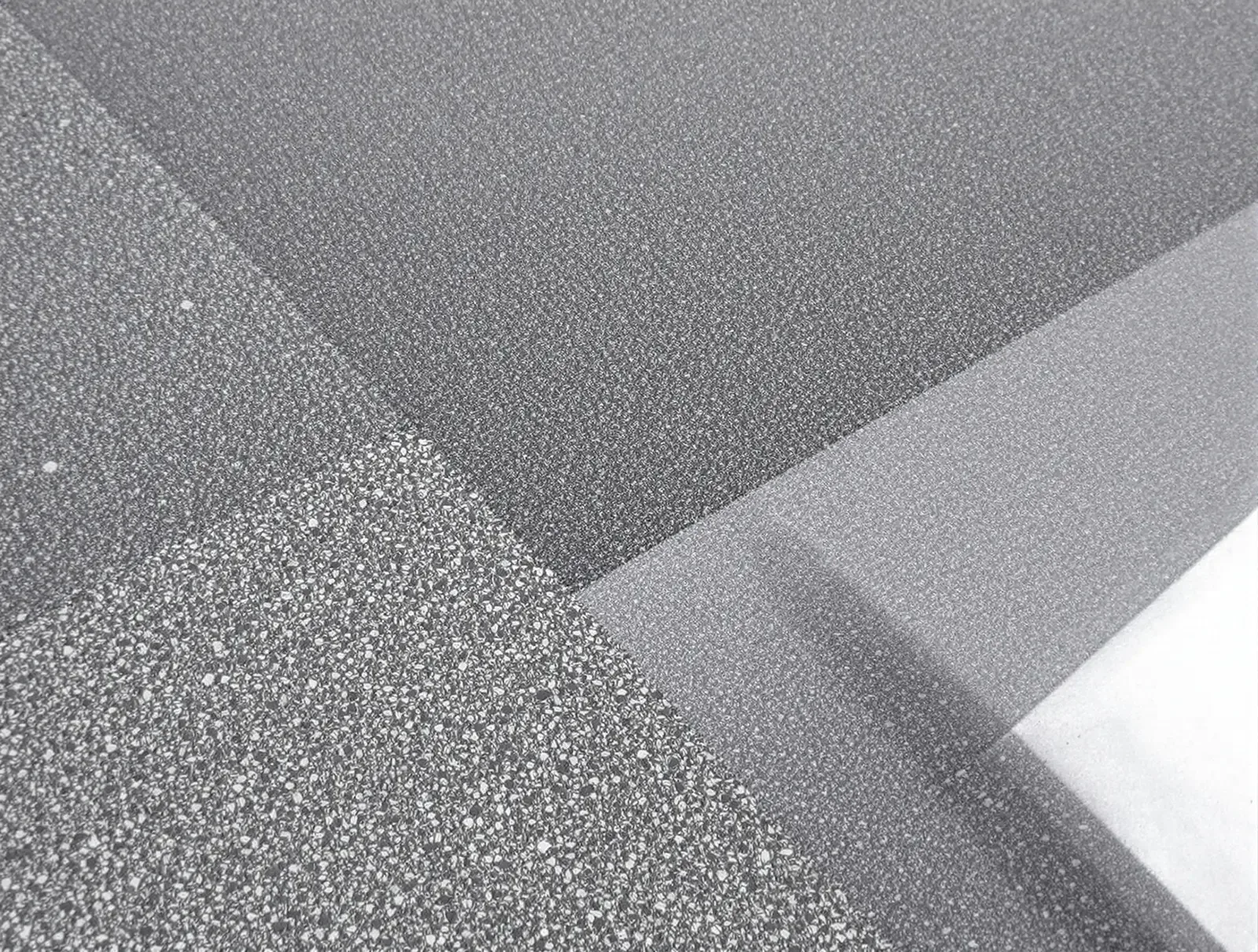
We read the specification, the warranty and the repair history, then confirm at the roof. A bituminous sheet shows its laps, its surface granules or film and its flashing method. A liquid-applied system shows a continuous, cured surface with reinforcement at details. A core cut shows the layers beneath.
The finding sets the repair. A torch-applied lap is repaired with heat or with a cold-applied adhesive, depending on the site rules. A liquid-applied detail is cleaned, primed, reinforced and recoated. We note the existing system in the roof record and pair each repair material with it, since mixing incompatible products is a common cause of repeat failures.
- Specification, warranty and repair history
- Core cut at representative points
- Lap and flashing method for sheet systems
- Reinforcement and thickness for liquid systems
Hot Work, Fire Watch and Staging
Where open flame is allowed, the site issues a hot work permit, assigns a fire watch and sets conditions for fuel storage and extinguishers. We submit our fire-safety plan with the permit request. Fuel cylinders sit in a designated area, away from air intakes and exits, and the crew keeps extinguishers at hand. Gas lines are checked for leaks at the start of every shift, and torches are shut off and tagged whenever the crew leaves the area.
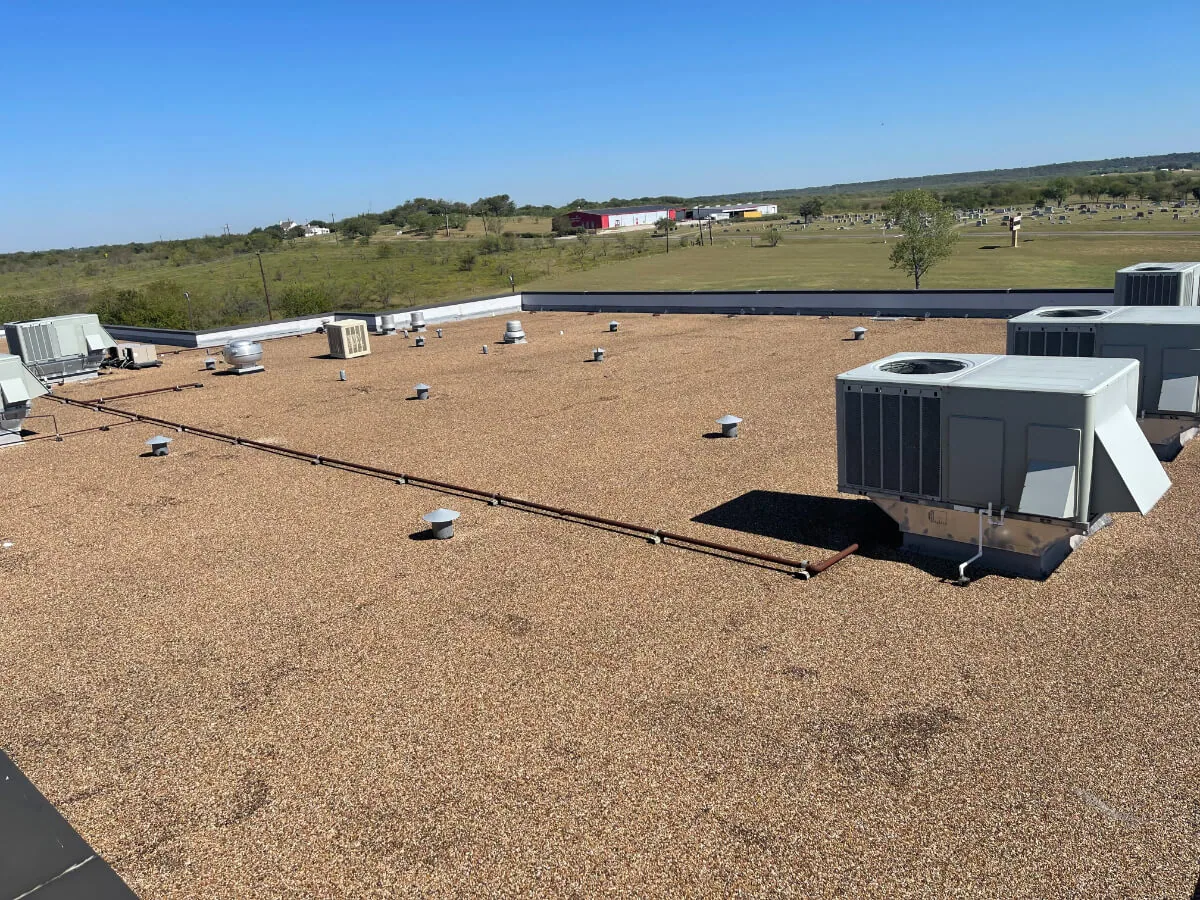
Staging covers more than the usual laydown. Bituminous rolls are heavy and need flat, shaded storage. Liquid materials need protection from freezing and from heat. Before the first delivery, the haul route, the crane pick and the day's stacking are set. Where flame is not allowed, a modified bitumen repair uses cold adhesive and mechanical methods, with its own staging line. A built-up roof from an older project may carry several plies of bitumen and felt, and repairs there start with removing loose gravel and probing for blisters. A built-up roof is staged differently from a sheet system, since the tools and the debris are not the same.
Repair Sequence for Laps, Flashings and Details
For a sheet lap, the steps are clean, dry, prepare the surface, apply the repair and press it into place. For a flashing, they are remove the failed material, repair the substrate, install base and cap layers and seal terminations. For a liquid-applied detail, they are clean, prime, embed reinforcement and apply coats to the specified thickness.
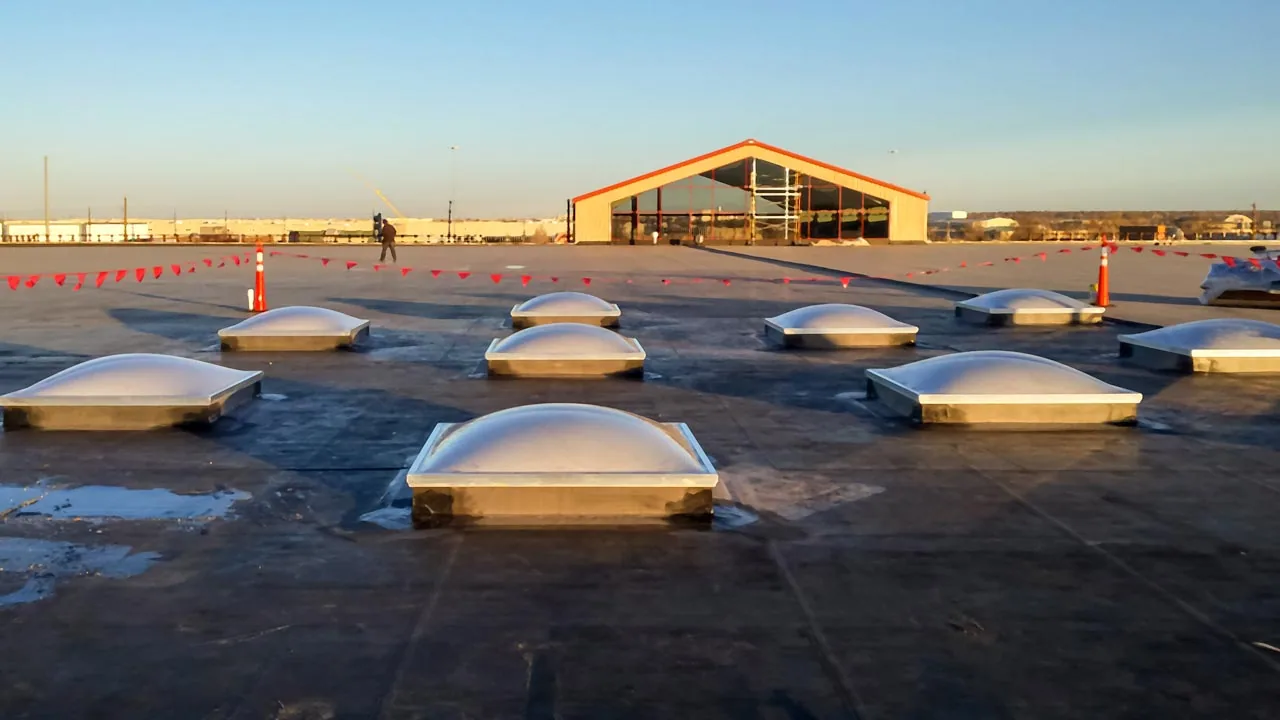
Each step depends on the last. Priming depends on a clean, dry surface. Coats depend on cure times between layers. Terminations depend on the wall surface. We list these on the work plan with a buffer for each. A skylight and penetration flashing repair often uses a liquid-applied flashing resin, because it forms around irregular shapes without seams.
Phasing Around Operations and Fire Rules
Phasing for bituminous work carries an added constraint, heat. Torch work needs a fire watch that lasts after the torch is out, so the last torch work of the day ends early enough for the watch to run before the crew leaves.
Plants plan around turnaround outages and hospitals around wings and air intakes, while sites such as Phipps Bend near Surgoinsville, where Norfolk Southern rail serves the industrial park, plan around shipping and rail schedules. The phasing plan names the first section, the section to be dried in by dark and where the night shift starts. Closeout follows the last section: photographs of every finished lap and flashing, test results where the system allows them, a punch list with dates and the product data for the file.
Permits, Licensing and Inspection
A Soprema reroof in Kingsport needs the city permit with a stamped plan set and a PDF. The Tennessee license and the insurance certificates join the filing once a contract passes $25,000.
Hot work permits come from the site, not the city, and we request them early. If a maker's warranty covers the roof, notice rules and approved methods are read before the repair, and the owner confirms the terms with the maker.
Weather Windows for Bitumen and Liquid Systems
Torch work needs a dry surface, and moisture trapped under a heated sheet turns to steam and blisters the lap. Cold-applied adhesives have minimum temperatures, and liquid systems need dry weather through cure and often a minimum surface temperature. The local record explains the limits: measurable precipitation on about 133 days, and temperatures that have swung from minus 18 F to 104 F.
Gusts affect flame control and loose materials, and the July 4, 2026 warning for Sullivan County named 60 mph gusts and hail. We stop torch work when the wind rises, close open edges when the shift ends and keep a weather buffer in each phase. A torch is not lit when a squall is forecast for the shift, and the cylinders leave the roof when the crew does.
What We Need From You
Send the site plan, the roof access points, the site's hot work rules and the outage or turnover calendar. We return an assembly identification plan, a repair sequence and a phasing plan. Roofs with products from GAF or Holcim Elevate follow a similar format, and a roof condition report records the findings.
Commercial Roofing Questions
Can bituminous roofs be repaired without a torch?
Yes, with cold-applied adhesives and mechanical methods. We recommend asking the site about open flame before choosing a method. If flame is prohibited, the repair uses cold methods and the plan carries its own cure times and temperature limits.
What does a fire watch involve?
A trained person watches the work area during torch work and for a set time after, looking for smoke or heat. We recommend agreeing on the watch duration with the site in advance, and finishing torch work early enough for it to run before the crew leaves.
What is a liquid-applied flashing used for?
It forms around irregular details such as pipes, curbs and corners without lap joints. We recommend it where sheet flashing is hard to fit. It must be cleaned, primed, reinforced and applied to thickness, and the cure time goes in the schedule.
Do you replace bitumen roofs with the same system?
Not always. The building, the site rules and the budget decide it. We recommend comparing options on cost, disruption and expected service life, with cores as the basis. We present the comparison in writing.
How do you record the work?
Photographs of each repair, permit copies, product data, a dated punch list and a refreshed roof plan go into one set. File it with the warranty papers, and the next inspection starts from a documented condition.