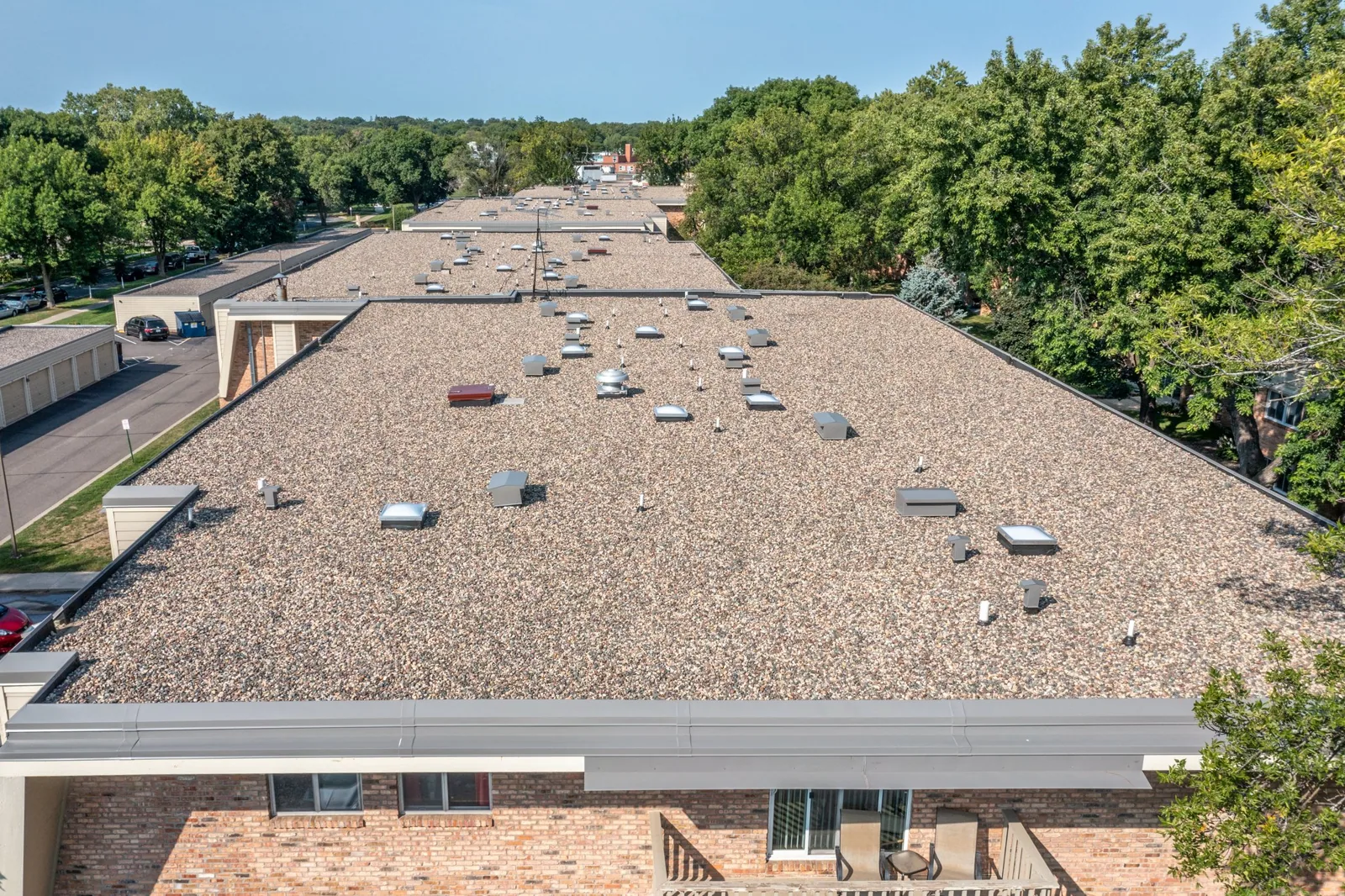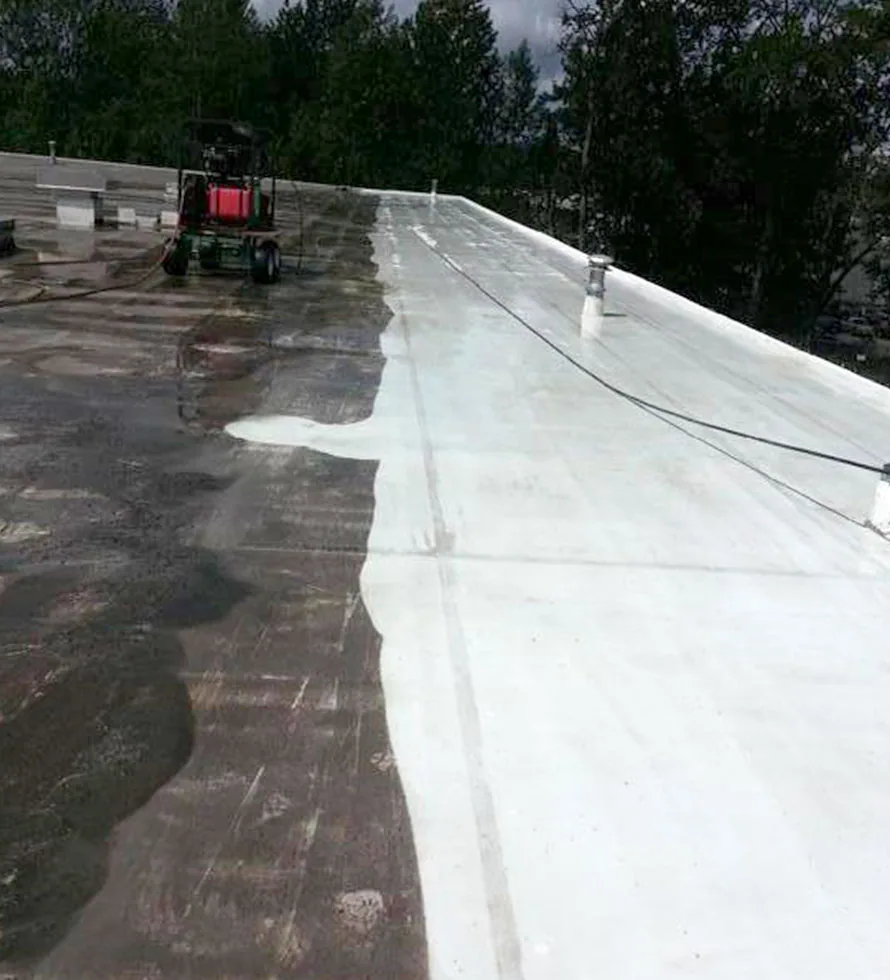
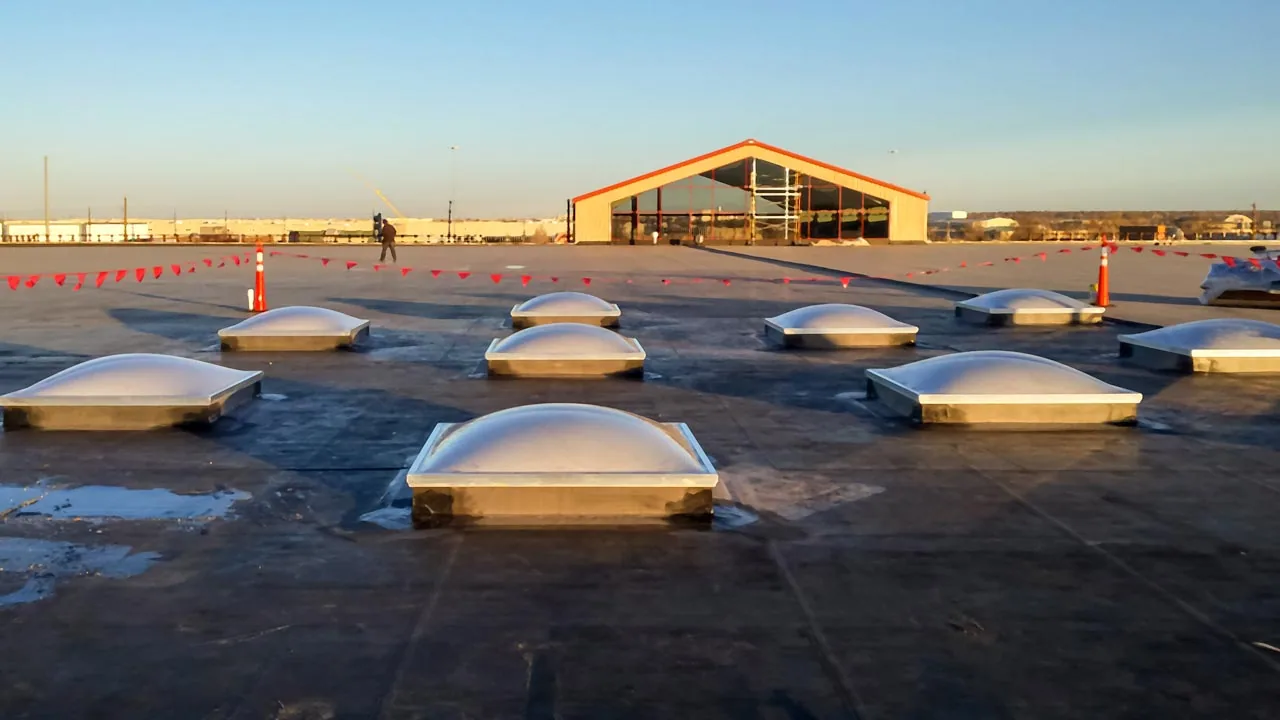
The first step in penetration work at a Kingsport, TN building is the inventory, and the inventory depends on a roof plan, a list of equipment that can be shut down and the name of the person who can approve a shutdown. We number every skylight, curb, pipe, vent, conduit and support on the roof, then record its type, its flashing and its condition. Each opening in a roof is a place where water can enter, and a roof with many of them has many chances to leak. The inventory shows which ones are sound, which are failing and which were added by another trade without a roofer on site. The order of the report follows the order of the work, so the owner can hand it straight to a project manager.
Penetration Inventory and Condition
The survey photographs each item from two angles and notes the base: the type of curb, the height, the counterflashing, the sealant and the fasteners. For pipes and vents, it notes the boot or the flashing collar and the age of the sealant. For skylights, it notes the frame, the glazing, the gaskets and the curb flashing.
Findings are ranked by consequence. A split boot over an electrical room is first. A weathered sealant bead at a vent over storage is later. The ranking goes onto the plan, with a price for each item, so the owner can fund them in an order that makes sense. We also note what is missing. A vent with no cap, a conduit entry with no seal and a drain-like opening that nobody remembers are all in the inventory, with a recommendation to close or seal each.
Skylights: Frames, Glazing and Curbs
Skylights leak in three places: the glazing seal, the frame joints and the curb flashing. Heat and cold move the frame, sunlight ages the gaskets and the curb corners crack. We inspect each one from the roof and, where we can, from below, looking for stains on the ceiling around the opening.
Repairs range from regasketing and resealing a frame to replacing the curb flashing or the whole unit. Replacement skylights are specified with a curb height that clears the roof surface, flashing that laps over the membrane and glazing suited to the use below. Where a skylight is no longer wanted, we can recommend a cover or a roof infill, with the deck framed and the membrane continuous. Safety matters around openings. A skylight with a cracked dome is a fall hazard as well as a leak. The crew covers or guards any opening before working near it, and the guard stays until the repair is complete.
Pipes, Vents, Conduit and Supports
Pipe flashings are small and numerous. A rubber boot cracks in the sun. A metal collar loosens as the pipe moves. A cluster of pipes may need a pitch pocket or a custom curb. Conduit and gas lines on supports can wear a hole in the membrane where a support sits, so we check each support pad.
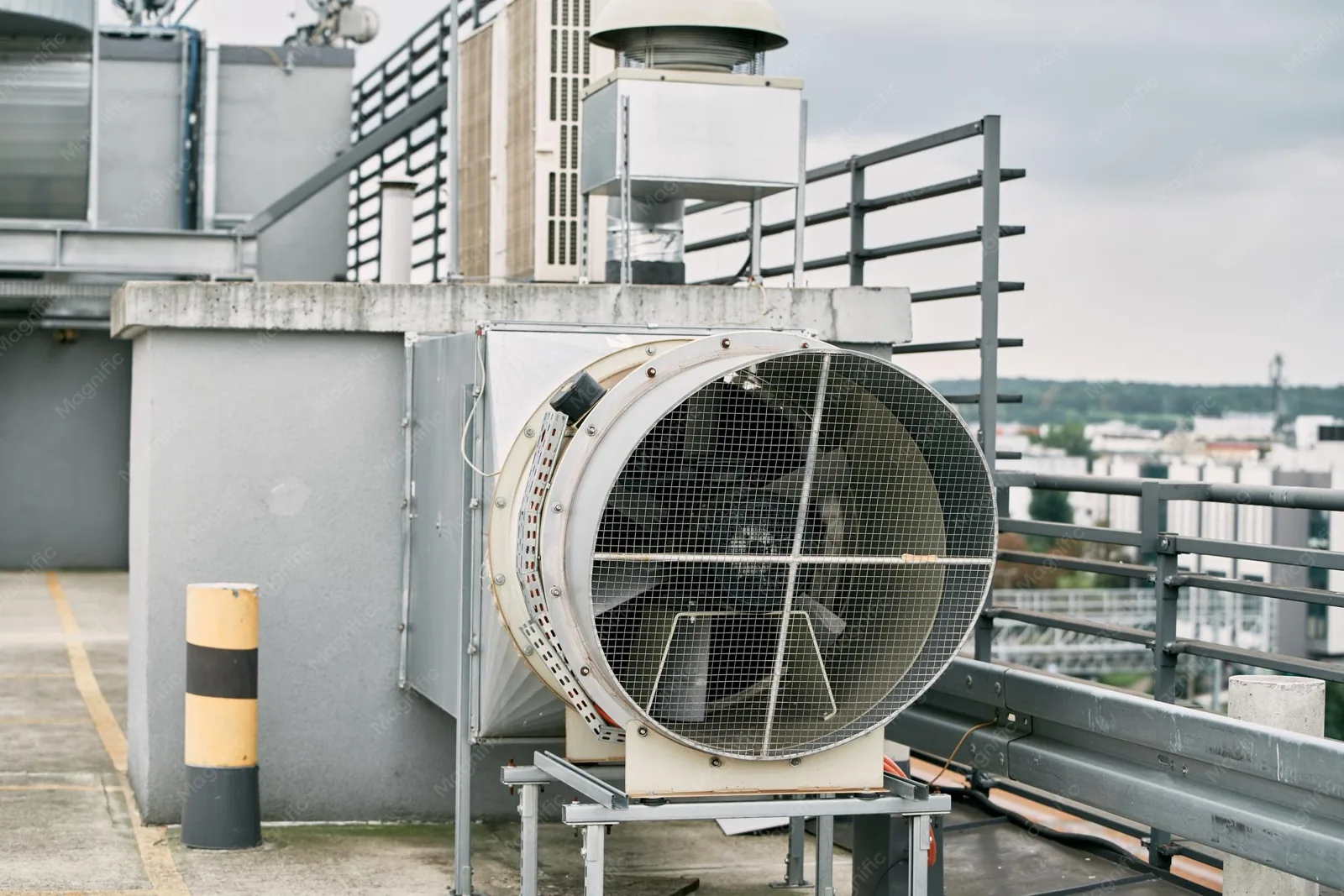
When a boot has already let water in, flashing failure repair goes beyond the collar to the deck around it. We replace failed boots, rebuild flashings with compatible materials and add support pads under any line that rests on the roof. Our rooftop equipment curbs and supports work handles larger units, and the two scopes share a survey where they overlap. Gas lines get special attention. A support that shifts can stress a joint, and a collar that bears on a line can chafe it. We report any contact between a line and the roof surface to the owner's engineer, since that is outside the roofing scope.
Trade Handoffs and Shutdown Windows
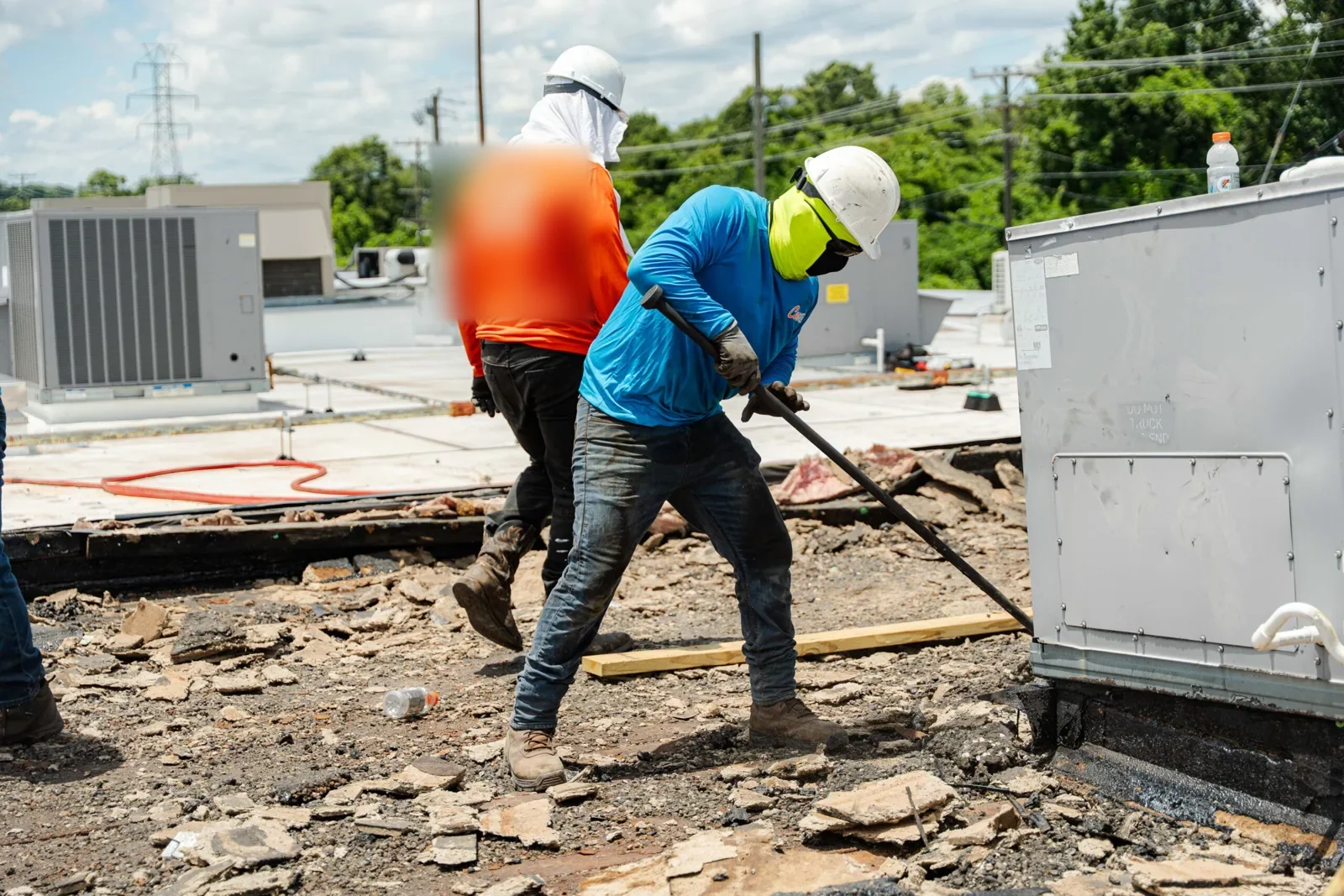
Penetrations belong to several trades. A mechanical contractor sets curbs and units. An electrician runs conduit. A plumber sets vents. Each leaves a mark on the roof, and each handoff is a chance for a leak. We write the sequence so the roofer flashes after the penetration is set and before the unit is switched back on.
Shutdowns take planning. A unit that serves a hospital floor or a process area cannot stay off long. We ask when the window is, who authorizes it and what has to be ready: curb, flashing materials, crane pick time. At a hospital, the window may be short and fixed. On an industrial campus, it may follow the turnaround outage. On a building with a tenant renovation under way, we ask for the mechanical drawings before the roof work is priced. They show new penetrations, and we price their flashing in the same visit so the roof is cut once.
Weather Windows and Seasonal Wear
Flashing materials need dry weather and moderate temperatures for adhesives and sealants to cure. About 45 inches of precipitation fall over roughly 133 days a year here, so days and hours are chosen with care and any open penetration is covered before the shift ends.
The temperature range, from lows near minus 18 F to highs of 104 F, moves rubber, metal and glazing. Sealants harden in the cold and soften in the heat. We schedule sealant work in spring and fall where we can, and we use products rated for the expected range. A temporary seal goes on any penetration left open overnight, and it is photographed and logged. Wind can lift a cover, so the crew checks it before leaving and again the next morning.
Permit, Warranty and Closeout
Small flashing repairs usually fall under maintenance, while a skylight replacement or a curb change is part of a permitted roof project in Kingsport. Commercial submittals go in with a stamped plan set and a PDF, and projects above $25,000 need a licensed Tennessee contractor carrying workers' compensation and liability coverage. We confirm the line with the city before the schedule is set.
At closeout we walk each numbered item against the plan and hand over photographs, product data and any manufacturer's flashing warranty. Downtown renovations, such as the Kingsport Grocery building and the Citizens Supply building, can add new penetrations as spaces change use, and the same inventory keeps the roof file current. Work in downtown Kingsport follows that pattern. The final photo set shows each penetration before and after, numbered to match the plan, and it is saved in the roof register.
What We Need From You
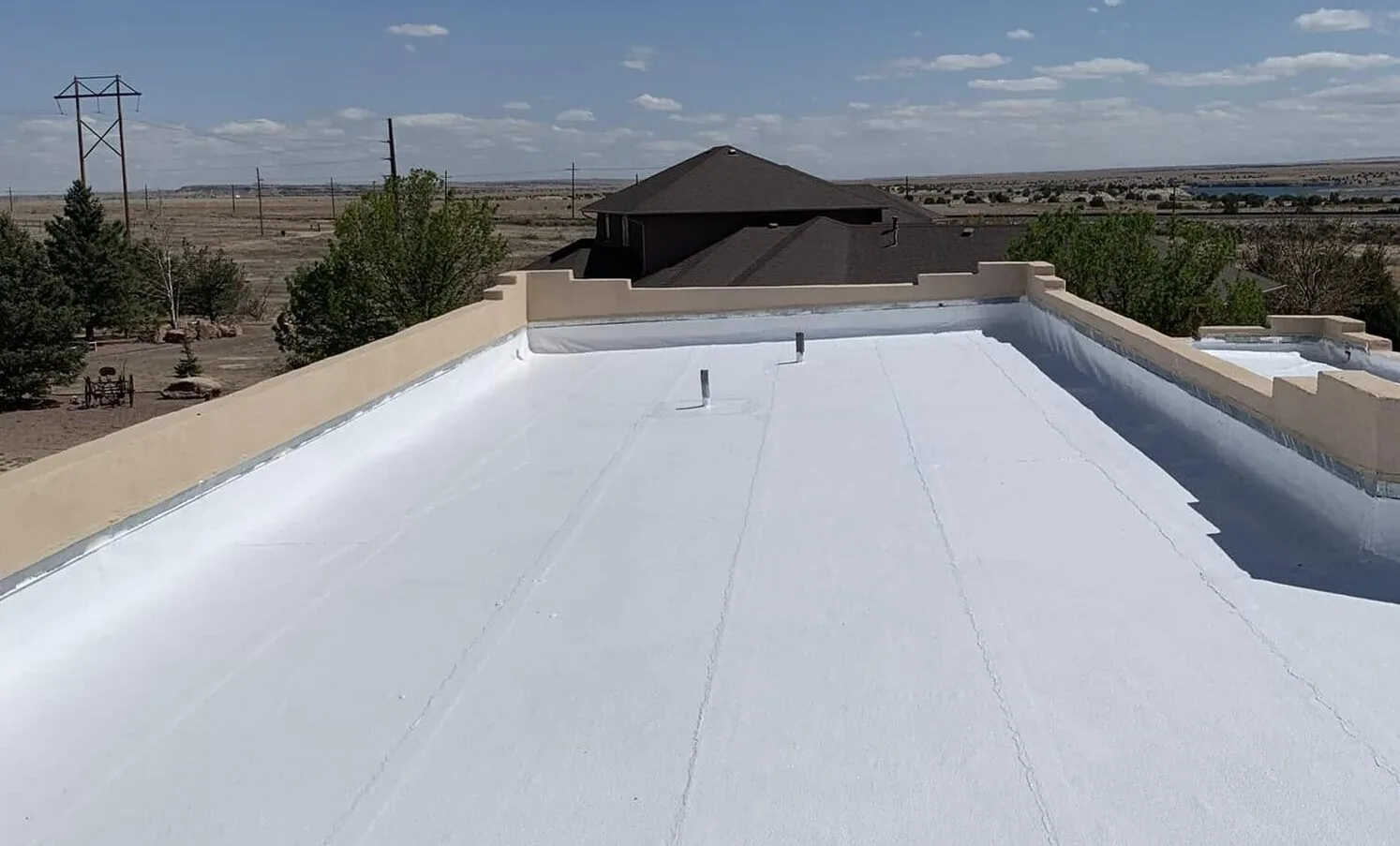
Send the roof plan, the list of equipment and the shutdown rules. Tell us who must approve a shutdown and how long each unit can be off. For a retail building in the Fort Henry Drive corridor, add tenant contacts. A repeat leak at any of these items turns into commercial roof leak repair, and the flashing detail follows the membrane, as with TPO roofing. If a manufacturer's warranty covers the roof, send it. A flashing change can alter warranty terms, and we match the work to what the warranty requires.
Commercial Roofing Questions
Which penetrations leak most often?
Pipe boots, curb corners and skylight frames. Rubber cracks in the sun, sealant dries out and corners open with movement. We check all three every year.
Can a skylight be removed?
Yes. The deck is framed and covered, and the membrane is made continuous. We recommend it when a skylight leaks repeatedly and is no longer needed.
How long can a rooftop unit be off for flashing work?
That is the building's call. We ask for the longest window and plan the curb and flashing work to fit inside it, with materials ready before the unit is lifted.
Do flashing repairs need a permit?
Small repairs generally do not, but a skylight replacement or a curb change as part of a reroof does. We confirm with the city before work.
What happens when another trade cuts the roof?
We flash it. The trade should call before cutting so the roofer can detail it properly. Unflashed cuts show up as leaks in the next rain.