Finding the paperwork comes first on a roof tied to Holcim Elevate, because much of it was filed under the former name, Firestone Building Products. Warranty documents, product data and original specifications may carry either name, and a facilities lead searching for one will miss the other.
In Kingsport, TN we start the file with both names. We search the project records, the warranty folder and the permit history for either, and we put the results in a single list. If the owner has changed hands since the roof went on, we ask the prior owner's property manager as well, since warranty papers often travel with a file cabinet and not with the deed. Then we confirm on the roof what system was actually installed, since a name on a document and a membrane on a deck can differ after years of repairs and additions.
Finding and Matching the Records
The record search covers the specification, the submittal, the warranty and any later correspondence. We note the dates, the building and the roof area each document covers. Where an owner has a binder from the original project, we scan it into the file.
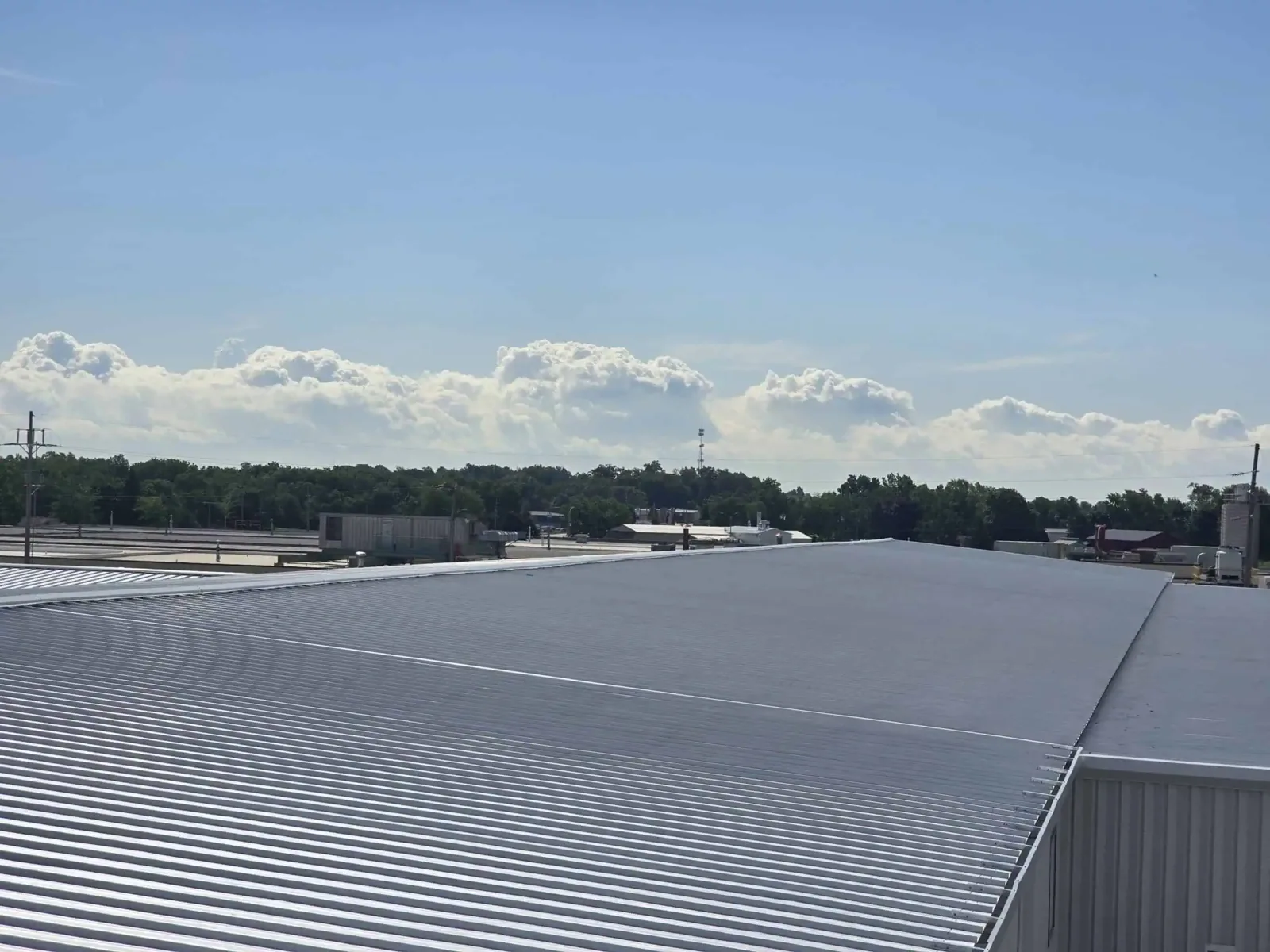
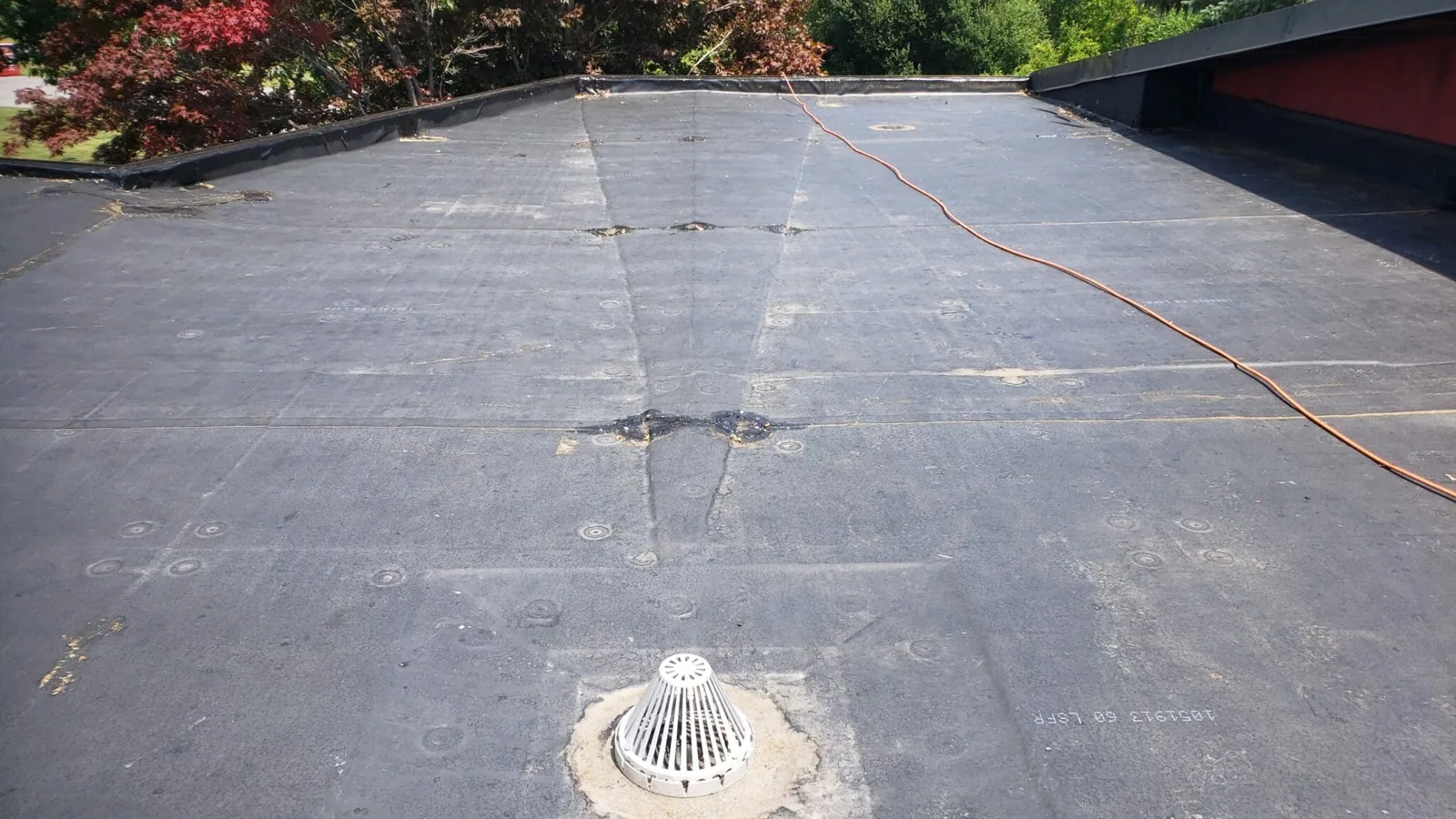
Then the roof visit confirms. The manufacturer's commercial offerings span single-ply membranes, modified bitumen, metal roofing and insulation, so the document does not tell us which category sits under the label. A core cut and a look at the seams do. The match between the documents and the roof goes into the record, with any differences noted. A roof that was extended in a later project often carries a second system with its own papers, and the record lists each area with the documents that cover it. A reader can then see at a glance which parts of the roof have paperwork and which do not. Where a gap in the paperwork matters to a warranty question, the list marks it for the owner to raise with the maker.
- Documents under both the current and former names
- Core cut at representative points
- Seam method and flashing materials
- Repairs and additions since installation
Access, Laydown and Delivery Order
Staging depends on the system found. Rolls of single-ply membrane need a flat laydown area and a hoist. Bituminous rolls need a place away from heat. Metal panels need long, flat storage and a crane pick that can handle their length. Insulation needs a dry, strapped stack.
We plan the haul route, the pick and the daily stacking before the first delivery. Orders arrive in the sequence the crew will use them, with the first day's materials on top. Metal trim, sealants and fasteners come on the same delivery as the field material, so the crew never waits on a small part while the large pieces sit on the roof. On a controlled site, we submit the delivery schedule ahead of time. A standing seam metal roof needs the most careful staging, since a bent panel is a rejected panel and the schedule has no room to wait for a replacement.
Repair and Maintenance by System Type
The sequence follows the system. For rubber-based single-ply, the work is clean, prime, splice or patch and inspect. For thermoplastic single-ply, it is clean, prepare, weld and probe. For modified bitumen, it is clean, repair laps, restore the surface and check flashings. For metal, it is tighten fasteners, reseal laps and replace damaged panels or trim.
Each step lists its dependency: dry surface, minimum temperature, cure time. We put those on the work plan with a buffer. A roof built with EPDM and a roof built with modified bitumen need different tools and different weather, so the plan is written for the system on the roof.
Phasing Around Plants and Campuses
Work is phased by section, with each opening dried in during the shift and the night crew picking up where the day crew stops when an outage demands it. Plants plan around turnarounds and hospitals around quiet periods in a wing, while neighborhood commercial buildings in places like Lynn Garden follow business hours.
The plan names the first section, which one is dried in by dark and who takes the roof next. Closeout follows the last section with a walk with the general contractor, photographs of each finished edge and tie-in, test results where the system allows them and a punch list with dates. Rooftop mechanical contractors, electricians and signage crews often follow the roofer, so the plan says who goes first and no one cuts a finished membrane. A short walk of the roof with each trade the morning before it starts keeps the sequence on track.
Permits, Licensing and Warranty Notice
A Holcim Elevate reroof in Kingsport goes to the Building Department as stamped plans and a PDF, and a contract above $25,000 pulls the Tennessee license and the insurance proof into the same file.
If a roof carries a warranty, we check the notice and repair rules before work begins. Those terms are the maker's, and the owner confirms them. A roof warranty management file keeps the notice, the photos and the product data together.
Weather Windows by Material
Adhesives, primers and sealants have minimum temperatures, welding needs a dry sheet and metal panels grow in July heat. A panel set on a cool morning and a panel set on a hot afternoon sit differently at the same clip, and the crew sets the day's work by the temperature, not the clock. Records here run from minus 18 F to 104 F, and about 45 inches of precipitation falls over roughly 133 days.
Gusts to 60 mph and hail have been named in county warnings out of Morristown. Open areas stay small, edges are secured when the shift ends and each phase carries a weather buffer. A loose panel is a hazard, and a loose membrane is a sail.
What We Need From You
Papers under either name matter most, so send them with the site plan, the roof access points and the outage or turnover calendar. We return a records list, a system identification plan and a phasing plan. Owners with roofs from Versico or Sika Sarnafil receive the same format.
Commercial Roofing Questions
Why do some documents say Firestone and others say Holcim Elevate?
The company was formerly Firestone Building Products, and older records carry the earlier name. We recommend searching for both. Warranty and specification papers filed years ago may only use the former name, and the roof file should list them together.
Is every Holcim Elevate roof the same system?
No. Holcim Elevate's commercial lines span several categories, so the right repair depends on which one is actually on the roof. We recommend a core cut and a seam check before any repair. The label tells us who to ask about documents.
Can a different contractor repair our roof?
Yes, but the repair should use compatible materials and follow the manufacturer's published details. The warranty terms belong to the manufacturer. We recommend confirming notice rules in writing before work starts, and keeping a dated record.
How do we plan around summer heat?
Work early, keep adhesives in shade and allow for metal expansion. We recommend scheduling larger work for milder weeks, with a buffer for afternoon storms. Kingsport has recorded highs of 104 F, and surface temperatures run higher.
Which papers should sit in the roof file?
Finished-detail photographs, seam test results, product data, the dated punch list and the refreshed roof plan, set beside the warranty papers so the next inspection opens on a known condition. The file should list papers under both the Firestone and the Holcim Elevate names.