Establishing which membrane type a Versico roof carries comes first, because Versico sells single-ply systems in more than one family and the repair for each is different. A name in a warranty file narrows the search. A seam, a surface and a core settle it.
In Kingsport, TN we confirm the family on the first visit. We look at the seam method, the surface, the reinforcement and the attachment. Then we write the finding on the roof plan so every later step, from the cleaning product to the cure time, matches the membrane that is actually on the deck. When a roof turns out to carry two families, because a later addition used a different sheet, the plan treats each area on its own and details the tie-in between them.
Confirming the Membrane Family
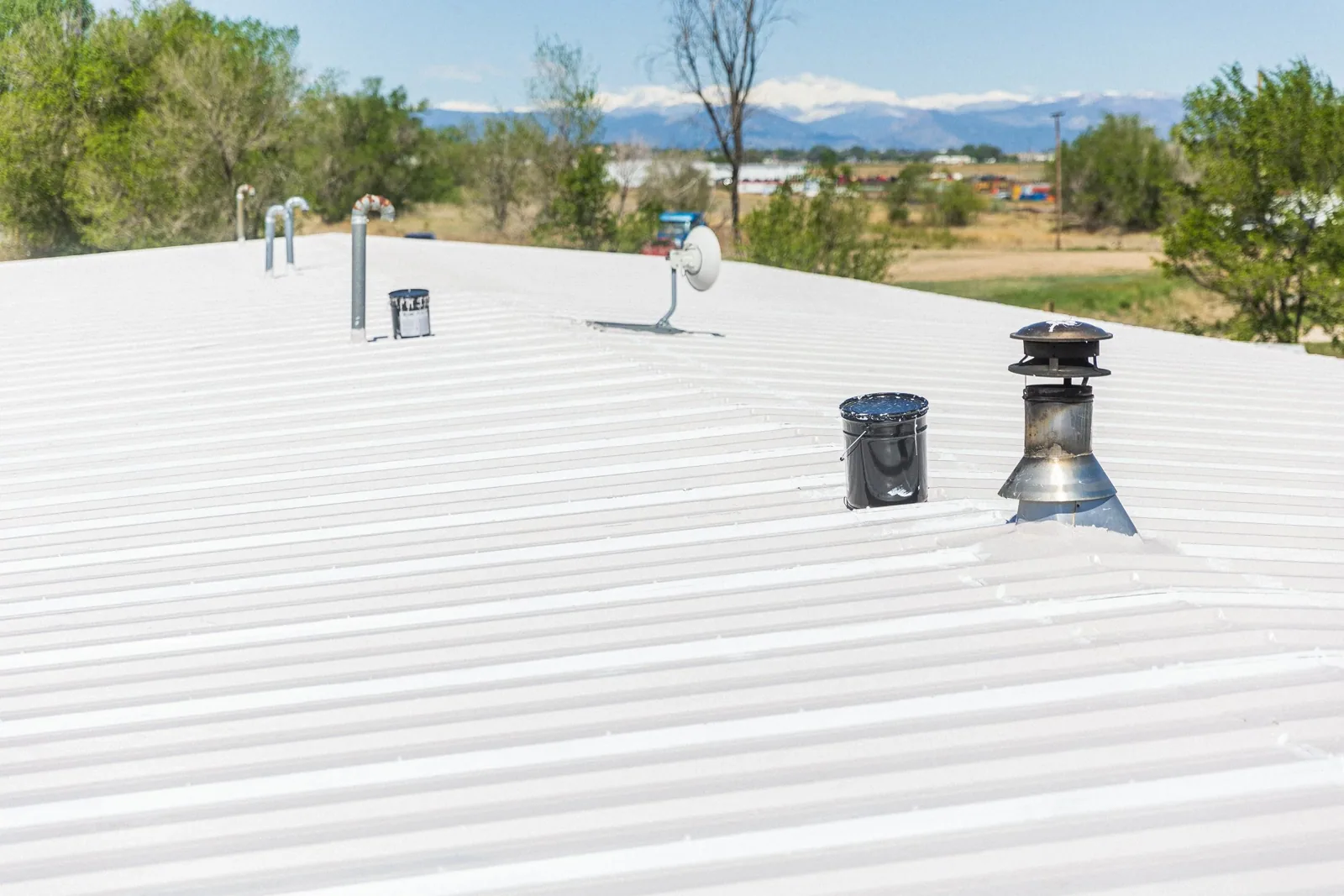
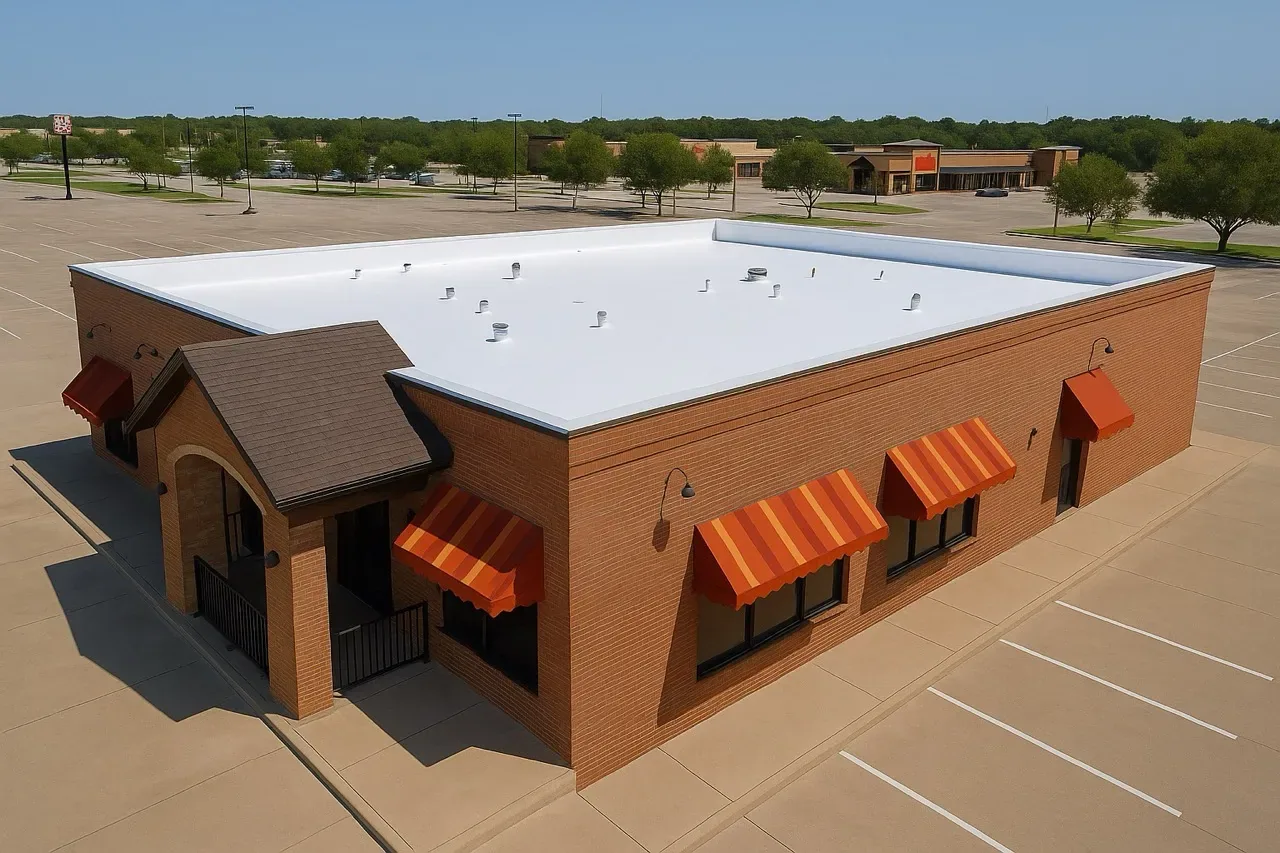
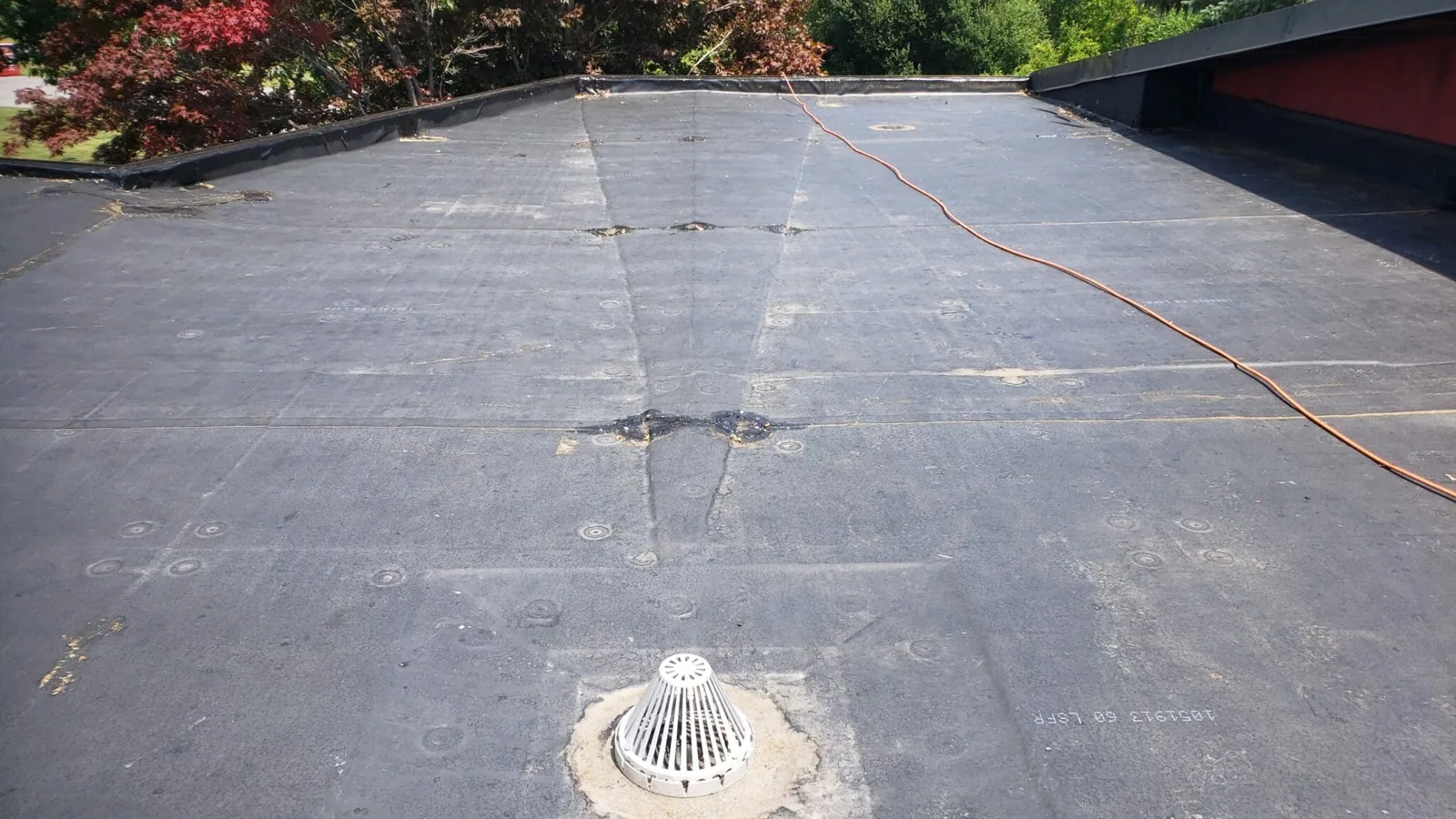
Versico offers TPO, PVC and EPDM single-ply membranes. The three look alike from a distance and behave differently up close. TPO and PVC are thermoplastic and are joined by hot-air welding. EPDM is a rubber sheet and is joined with tape or adhesive. A weld repair on a rubber sheet does nothing, and a tape repair on a thermoplastic seam does not last. Mixing families on a patch is a common source of repeat leaks, and it is also a common reason a warranty claim gets complicated.
We confirm the family by documents first, then by sample. A small cut at an edge or a core shows the reinforcement scrim, the surface layer and the thickness. We record the attachment method too: ballasted, mechanically fastened or fully adhered. Each choice drives a different repair, a different uplift check and a different staging day. We note on the plan where the fasteners sit, how far apart the plates are and whether the ballast is stone or pavers. On an adhered sheet we also note the adhesive type where the records show it, since the cleaner and the primer used on a repair have to be compatible with that adhesive.
- Membrane family: TPO, PVC or EPDM
- Seam method: welded, taped or adhered
- Attachment: ballasted, fastened or adhered
- Insulation and cover board beneath the sheet
Laydown and Hoisting by Attachment Method
Ballasted roofs need a plan for stone: where it goes while a seam is exposed, and how it goes back. Mechanically fastened roofs need a plan for plates and fasteners. Adhered roofs need clean, dry surfaces and a place to keep adhesive out of the cold or the sun.
The haul route, the crane pick and the daily laydown are planned before the first delivery. On a controlled campus, the delivery schedule goes in the submittal. For a larger scope, a roof recover plan lists the extra rolls, boards and fasteners and the day each arrives, so nothing sits on the roof overnight in the open.
Repair Sequence for Each Family
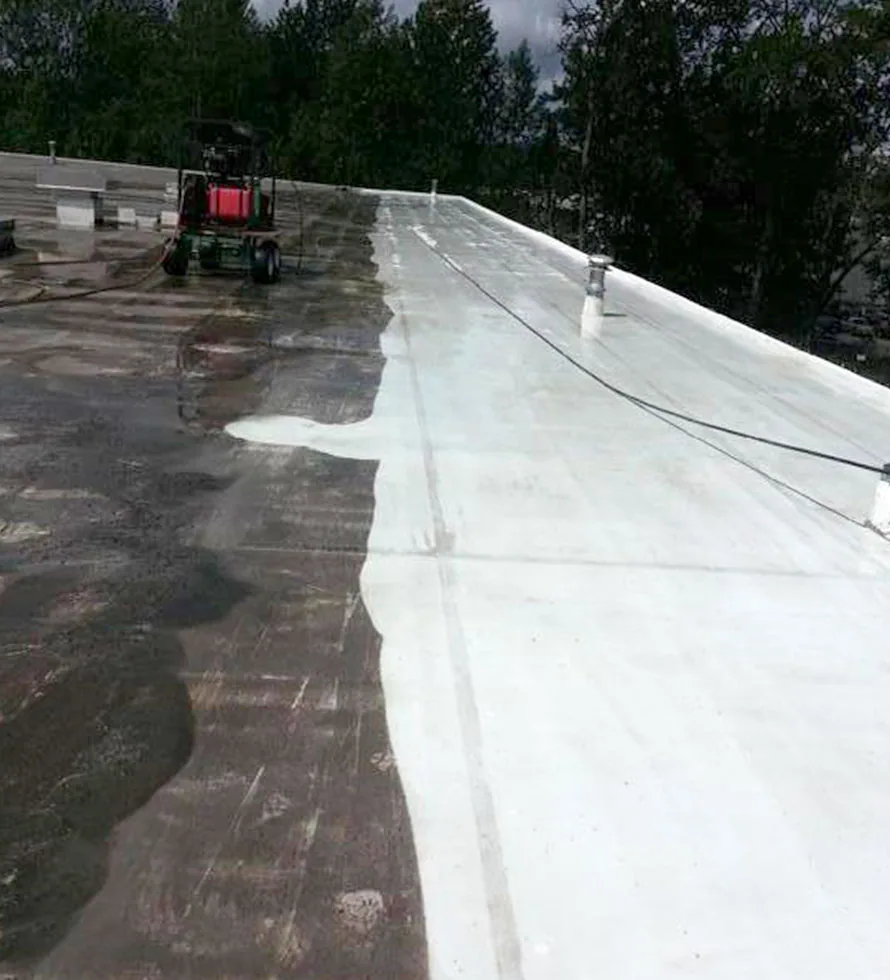
For TPO and PVC, the steps are clean, prepare the edges, weld, probe and record. For EPDM, they are clean, prime, apply tape or adhesive, roll, and inspect after the cure. For flashings, the steps are remove the failed material, clean the substrate, form the flashing with compatible material, seal terminations and check the lap.
Each step lists what it depends on: a dry surface, a minimum temperature, a cure time. We write those on the work plan with a buffer, and we mark which steps can move to another day without redoing the ones before them. A TPO roof, a PVC roof and an EPDM roof each get their own page of steps in the plan, because a single generic list would be wrong for at least two of them. Photographs of each finished repair are filed under the same section numbers, so a later walk can compare like with like.
Phasing Around Operations
Sections are taken one at a time, each repaired and dried in during the shift. Plants plan around turnaround outages and hot work permits and hospitals around quiet periods, while industrial sites in places like the Tri-County Industrial Park in Piney Flats, a 780-acre park assembled from seven tracts, plan around production and shipping calendars.
The phasing plan states which section comes off first and which is dried in by dark. After the last section we walk the roof with the general contractor and the building manager, photograph every finished edge, seam and flashing and hand over a punch list with dates, with the product data and test results going into the roof file. Other trades, from mechanical contractors to electricians, arrive after the roofer, so the plan names who goes first and keeps a finished sheet from being cut.
Permits, Licensing and Warranty Notice
Kingsport counts a Versico reroof as permitted work, filed as stamped plans and a PDF. A job over $25,000 brings the state contractor license and the insurance certificates with it.
We prepare the submittal while materials are on order. For roofs under a maker's warranty we read the notice rules and approved methods first, and the owner confirms the terms with the manufacturer.
Weather Windows by Membrane
Welding needs a dry sheet; a membrane that was dry at seven in the morning can hold dew until ten, and we do not weld over it. A hand-held moisture check on the seam edge settles the question when the surface looks dry but the morning was humid. Adhesives and tapes need minimum temperatures, hot afternoons shorten adhesive working time and cold mornings can stop it altogether. The local record, about 45 inches of precipitation over roughly 133 days and temperatures from minus 18 F to 104 F, explains why.
County warnings that mention 60 mph gusts and hail are the cue to walk the roof, so we limit open areas, secure edges and stack material where wind cannot lift it. Each phase carries a weather buffer that the superintendent sees as a line in the schedule.
What We Need From You
The site plan, the roof access points, any warranty or specification papers and the outage calendar start the file. What comes back is a membrane identification plan, the repair sequence and the phasing plan. Roofs from Carlisle SynTec or Duro-Last are handled in the same format, with the differences noted for each.
Commercial Roofing Questions
How do I tell which Versico membrane I have?
Read the documents, then confirm with a sample or a core. We recommend not guessing from color. TPO and PVC are both light-colored and both welded. EPDM is usually black and uses tape or adhesive. The repair method depends on the family.
Can a Versico roof be recovered?
When the insulation is dry and the deck is sound, yes. We recommend cores and moisture readings before the choice is made. A recover over saturated insulation traps water, so one corner may need tear-off even when the rest can stay.
What does a welded seam repair involve?
Cleaning, preparing the edges, hot-air welding, probing the finished seam and recording the result. We recommend photographing the seam before and after. A repair that is not probed is a repair that is not proven.
Can repairs be done in cold weather?
Some can. Welding needs a dry sheet, and adhesives have minimum temperatures. We recommend a temporary dry-in for winter leaks and a permanent repair in milder weather. The product data sets the limit for each material.
What goes into the roof file at handover?
The file holds repair photographs, test results, product data, a dated punch list and an updated roof plan. Stored beside the warranty papers, it gives the next inspection a documented starting point.