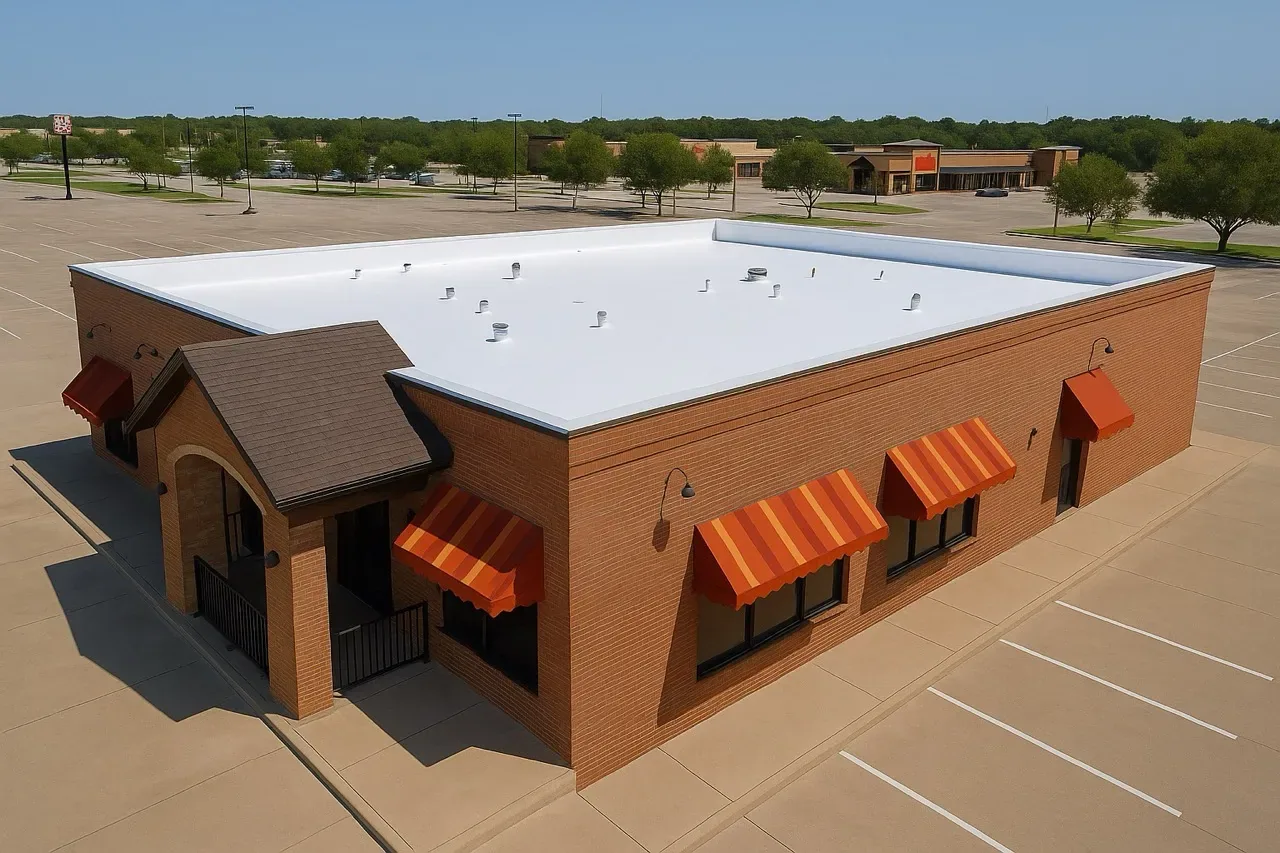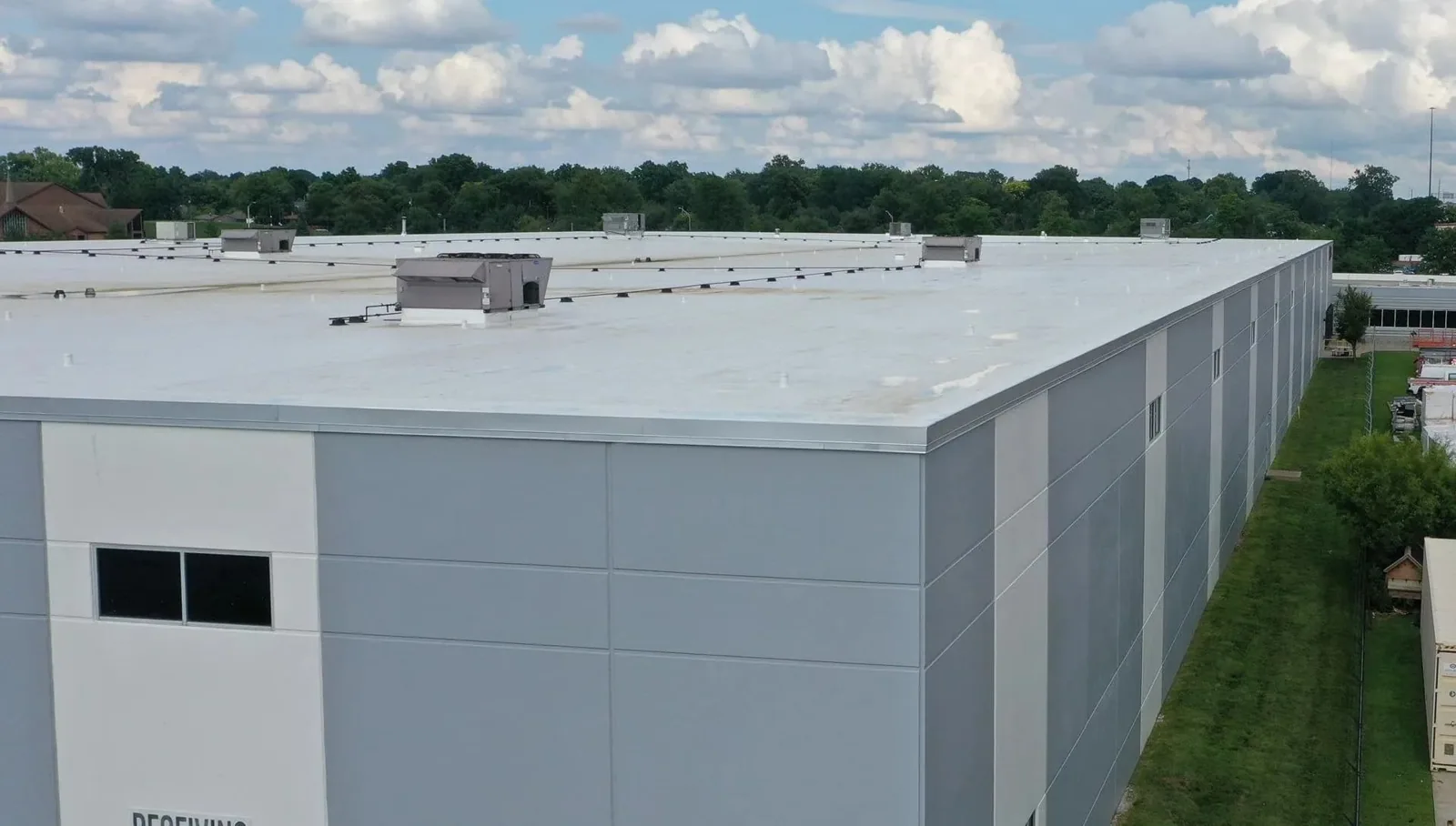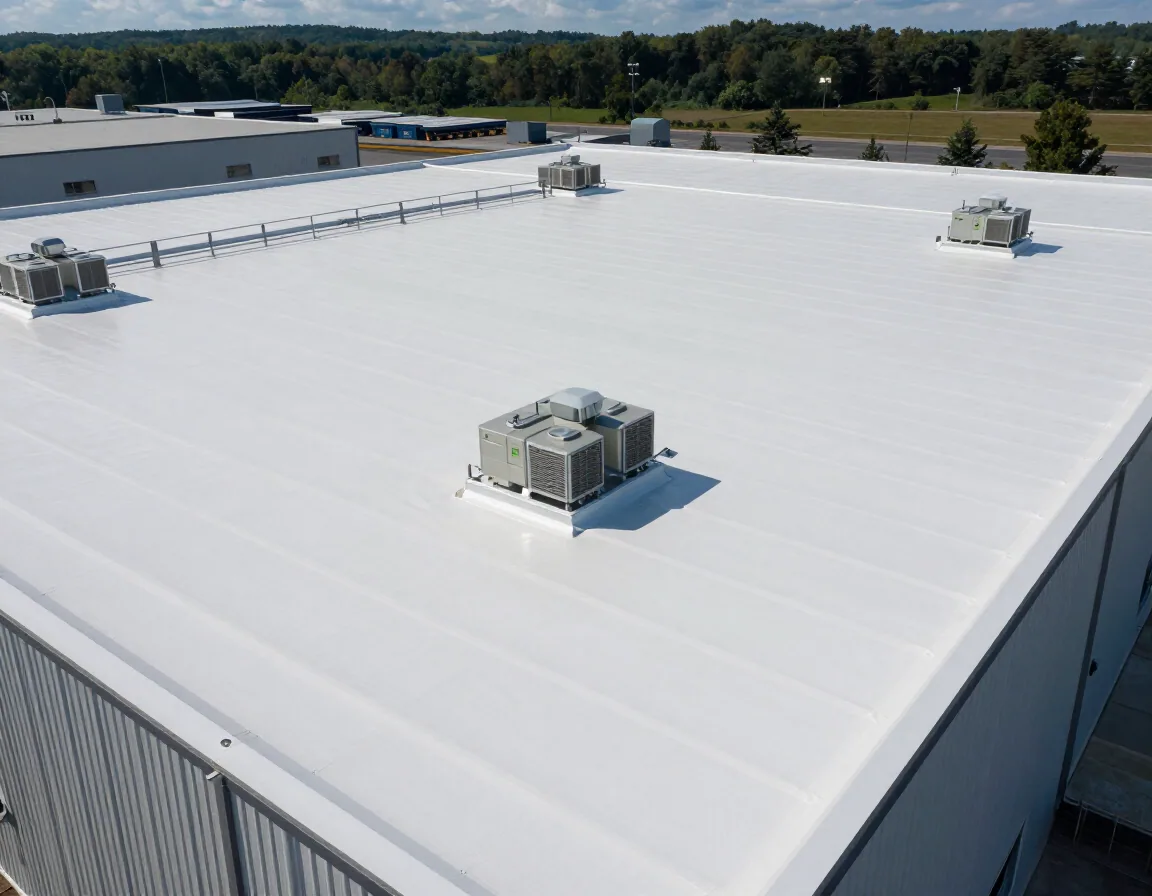
A seam probe opens work on a Sika Sarnafil roof, because heat-welded thermoplastic seams hold the roof together and a probe shows whether they still do. Sika Sarnafil is a manufacturer of thermoplastic single-ply roofing, and its membranes are joined by welding, not by adhesive.
In Kingsport, TN a roof of this kind may sit near a chemical plant, a paper mill or a food facility, and the first walk covers both the seams and the surface. We probe a sample of seams along each line, look at the membrane for chalking, staining and chemical marks, and note anything that sits on the roof that could harm it. The probe results set the repair list.
Seam Probe and Surface Review
A probe is a thin tool drawn gently along the edge of a welded seam. It finds open edges, skipped welds and cold welds that look closed from above. We probe every seam near penetrations and at laps where three sheets meet, then a sample along the field. T-joints, where three layers overlap, are the likeliest place for a weld to be thin, so they get the closest look and the most photos.
Surface review follows, and it includes the roof's drainage. A thermoplastic sheet tolerates some standing water, but a pond that stays for days points to a low spot or a blocked outlet, and it speeds algae and staining. We note each pond and its likely cause. We look for chalking, algae, standing water, heat or chemical marks and mechanical damage. Industrial exposure is part of the picture in Kingsport, whose chemical, paper and ordnance manufacturing sits beside hospitals and stores. Exhaust residue on a roof can attack some materials, and we match the repair to what the membrane has seen. The review and the probe go into the same record, with the date, the weather and the surface temperature, since welds and probes behave differently across Kingsport's recorded range of minus 18 F to 104 F.
- Seam probe at laps, penetrations and corners
- Surface condition, staining and chemical marks
- Flashings at walls, curbs, drains and penetrations
- Rooftop equipment and the service path to it
Access, Welding Equipment and Staging
Welding needs power, and power needs a plan. We confirm where a generator can sit, how cords run, where the welding equipment is staged and how the crew keeps it dry. On a plant or campus with controlled access, equipment lists and delivery times go in the submittal.
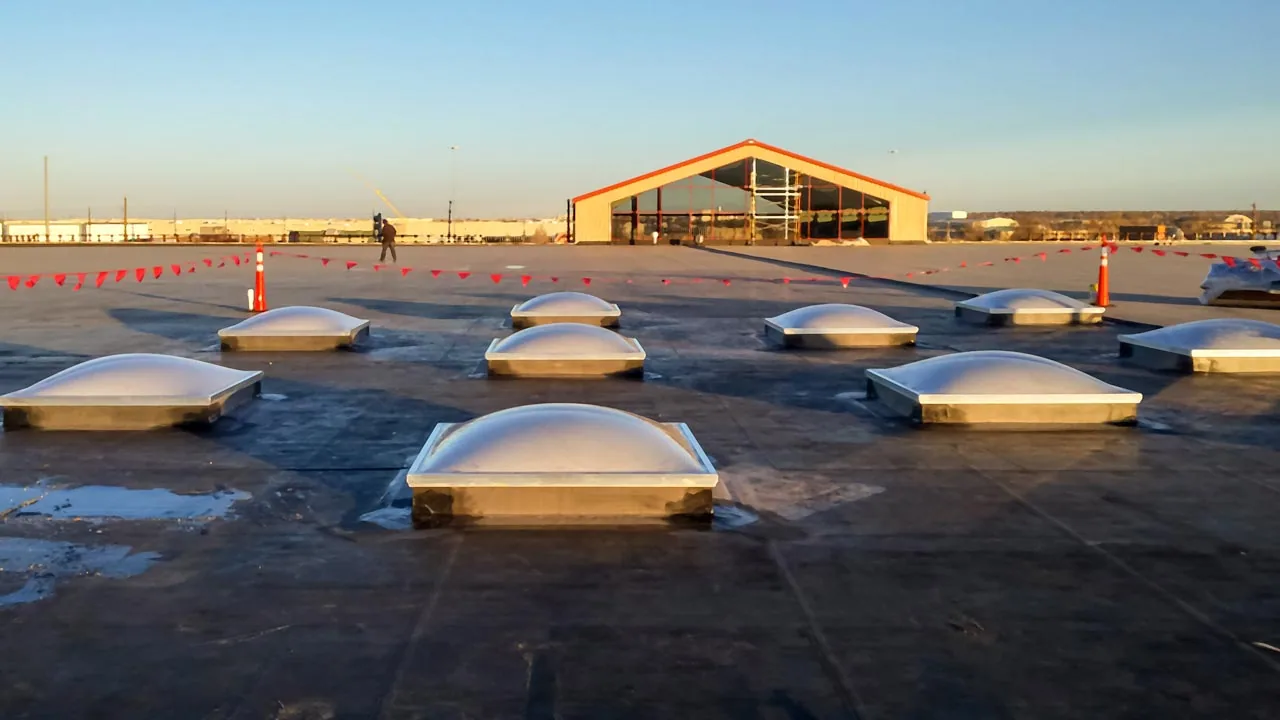
Membrane rolls need a flat laydown area and a hoist. Flashing materials and sealants need dry storage. Before the first truck arrives, the route, the pick and the day's stacking are fixed. A skylight and penetration flashing repair on one corner of a roof still gets a staging plan, because the welding gear and the materials have to get there.
Weld, Test and Flash Sequence
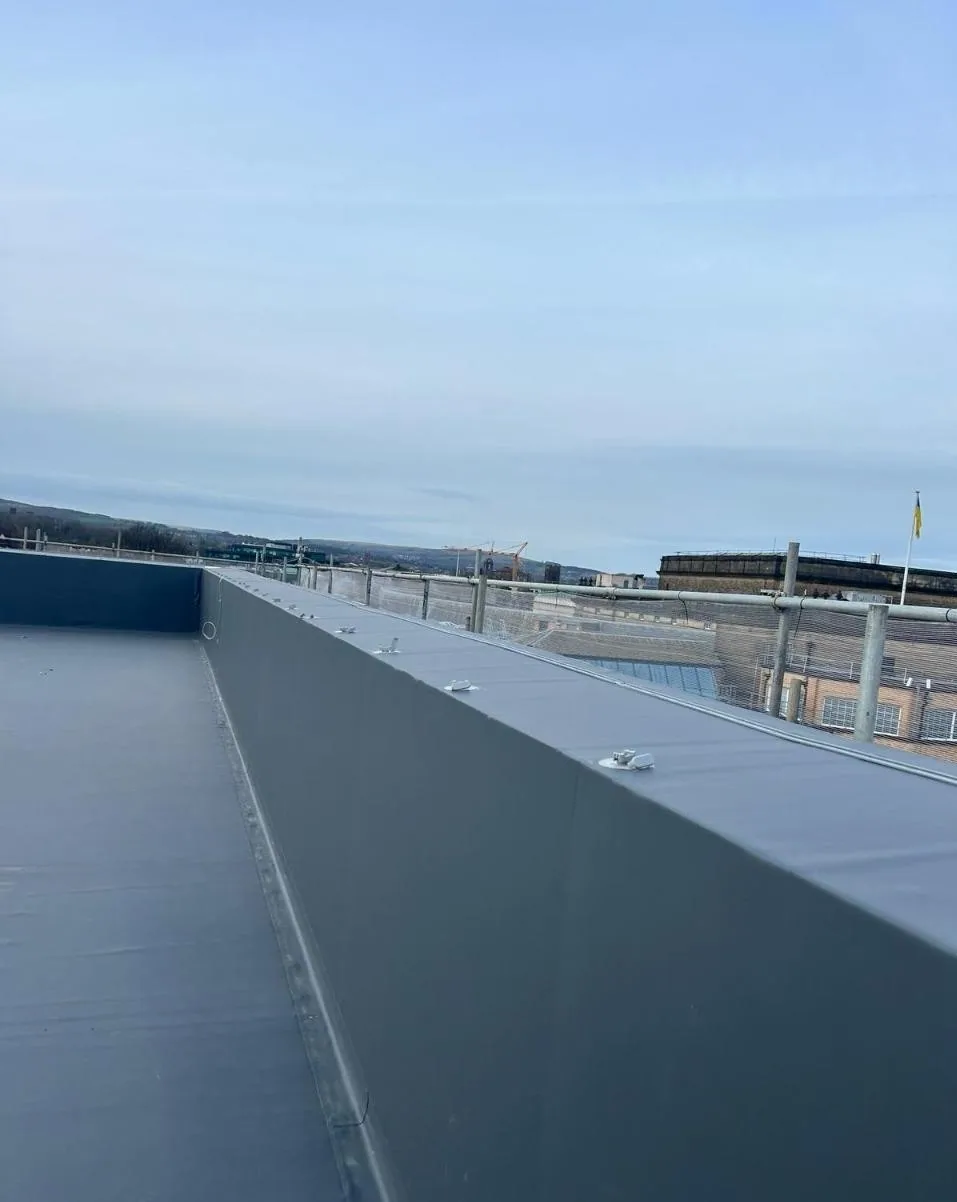
A seam repair follows the same sequence each time: clean the surface, prepare the edges, weld with hot air, probe the finished seam and record the result. A flashing repair removes the failed material, cleans the substrate, installs a compatible flashing, welds the laps and probes the terminations.
Each step depends on the one before. Cleaning depends on dry conditions. Nothing is welded on a damp sheet, and nothing is probed until the weld has cooled. The work plan lists the dependencies and a buffer for each. The finished work is photographed section by section, and the probe results are filed. The closeout walk with the general contractor covers every repaired seam and flashing, and the punch list carries dates and owners. Items closed on the walk are photographed again, so the record shows the finished condition and not only the intent. A PVC roofing repair is only as good as its tests.
Phasing Around the Plant and the Campus
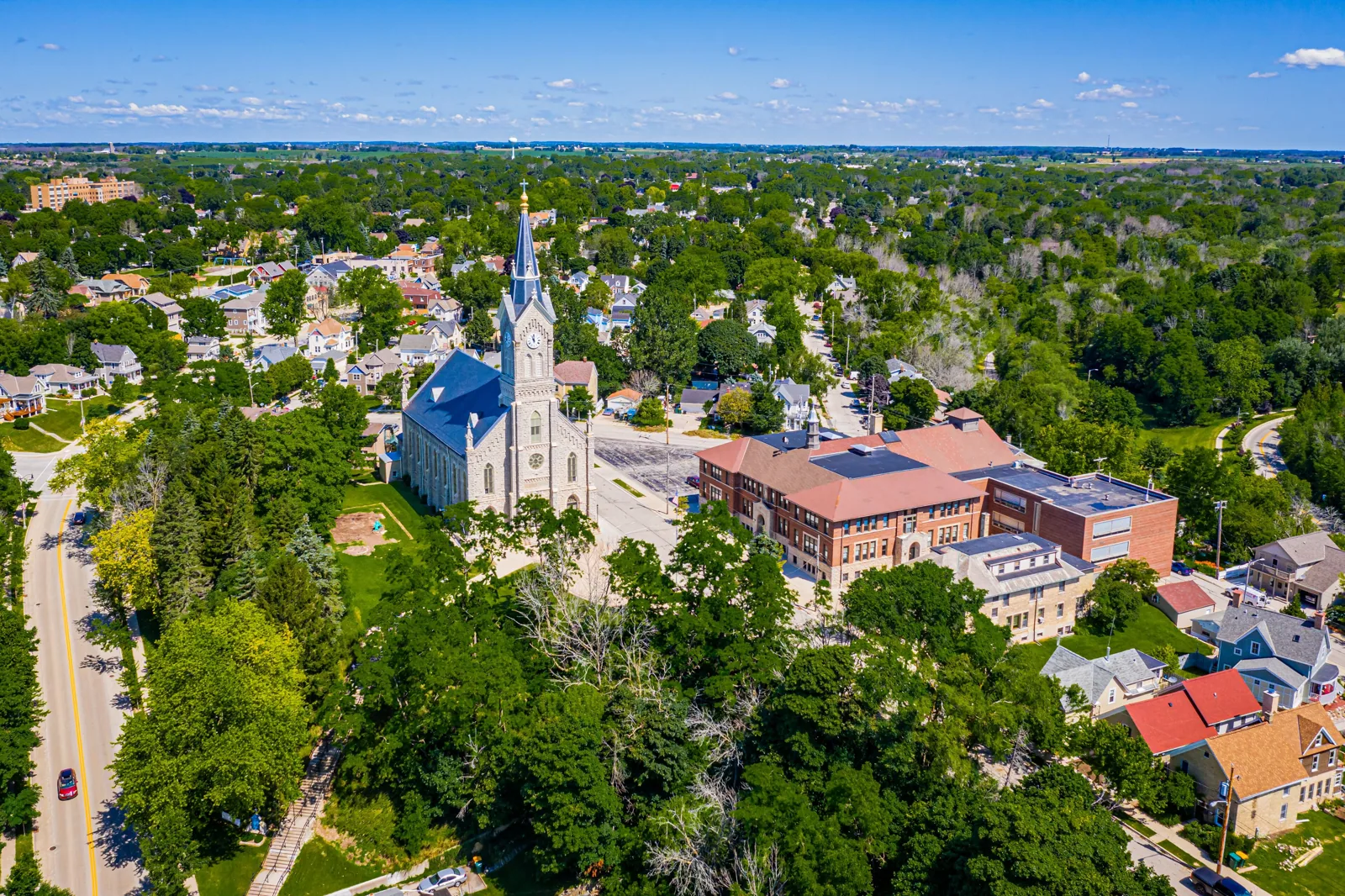
Work moves section by section, and each opening is repaired and dried in during the shift. Plants plan around turnarounds and around areas where hot work needs a permit, hospitals around wing schedules, and churches and community buildings in places like Church Hill around services and events.
Welding uses hot air, not open flame, but some sites still ask for a hot work permit in certain areas, so we ask in advance and list the permit step in the plan. The plan lists the first section, the one to be dried in by dark and who takes the roof afterward; rooftop mechanical crews follow the roofer in an order the plan spells out.
Permits, Licensing and Inspection
The City of Kingsport Building Department takes a Sika Sarnafil reroof as a stamped plan set with a PDF and holds the work to the International Building Code and the International Energy Conservation Code. A contract above $25,000 brings in the Tennessee license, with workers' compensation and liability proof. The submittal goes in while the sheet is on order.
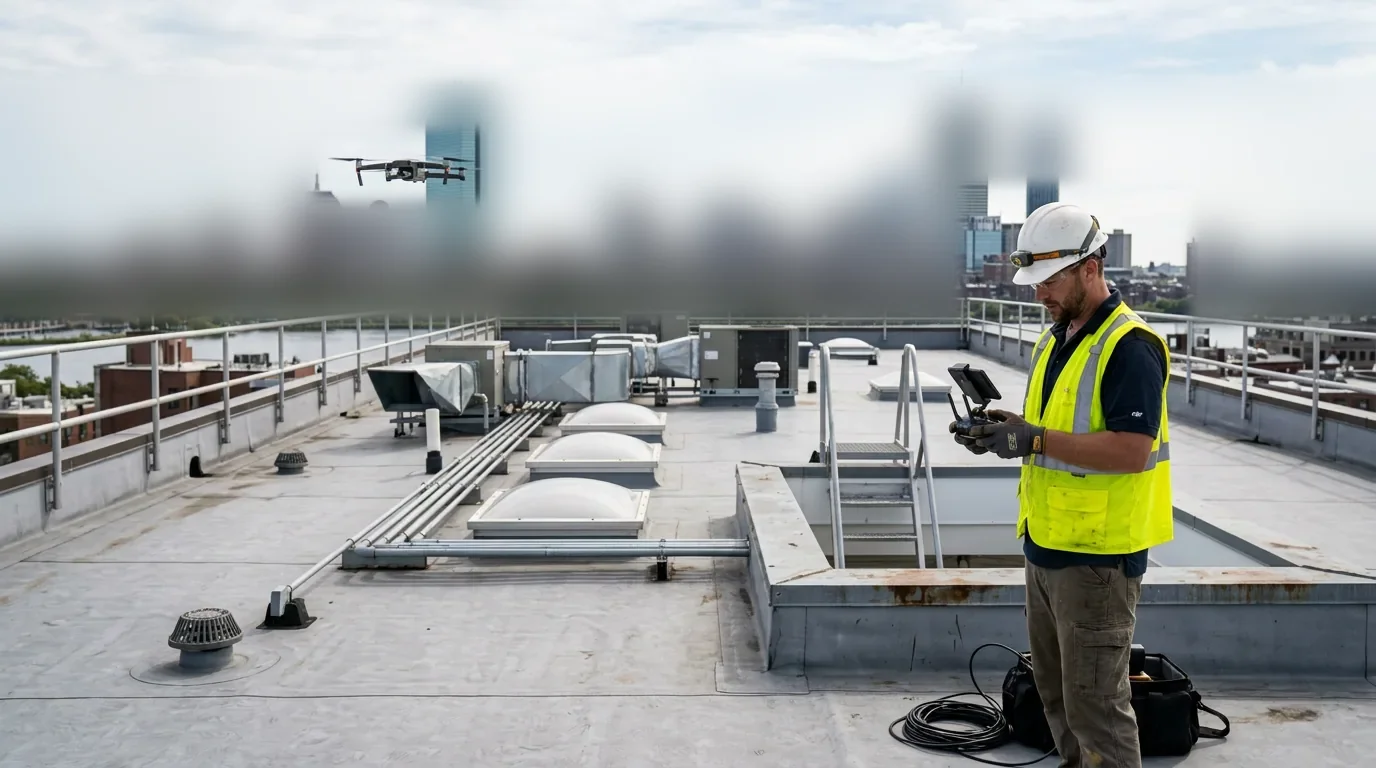
Where a maker's warranty covers the roof, notice and repair rules are read first, and the owner confirms the terms with the maker. A drone roof inspection before and after the work records the whole surface.
Weather Windows for Welded Work
Welding needs a dry sheet and acceptable temperatures. Thermoplastic membranes expand and contract across the range this area records, minus 18 F to 104 F, so seams and flashings work all year, and about 133 days of rain a year, near 45 inches, sets the number of buffer days.
Storm warnings here tend to name gusts of 60 mph, hail, and damage to roofs, siding and trees. Open edges are closed when the shift ends, and a section that cannot be welded in dry weather is dried in with a temporary cover and finished on the next dry day.
What We Need From You
Start with the site plan, the roof access points, whatever warranty or specification papers exist and the outage or turnover calendar. If the roof sits near process exhaust, tell us what the stack carries. We return a seam test plan, a repair sequence and a phasing plan, and roofs from Duro-Last or Versico can use the same format.
Commercial Roofing Questions
Why probe seams that look closed?
A cold weld can look closed from above and still be open underneath. We recommend probing a sample along every seam line and every seam near a penetration. The probe is cheap, and it finds the leak before the ceiling does.
Can chemicals from nearby plants harm a thermoplastic roof?
Some can. It depends on the material and the exposure. We recommend a surface review and a sample from the worst-exposed area. If the exhaust carries something harsh, tell us what, and the repair or replacement is matched to it.
Do welded repairs need power on the roof?
Yes. Hot-air welders need electricity, and the plan states where the generator sits and how cords run. We recommend telling us early if power is limited, since that changes the staging and the schedule on a controlled site.
Can a welded roof be repaired in winter?
In limited ways. Welding needs a dry, acceptable-temperature sheet, and cold or wet days stop it. We recommend temporary dry-in for winter leaks and permanent welded repair in milder, dry weather, with a date set in the plan.
What does the closeout file hold?
Repair photographs, the seam probe log, product data, the dated punch list and a refreshed roof plan, kept with the warranty papers so the next walk starts from a known membrane.