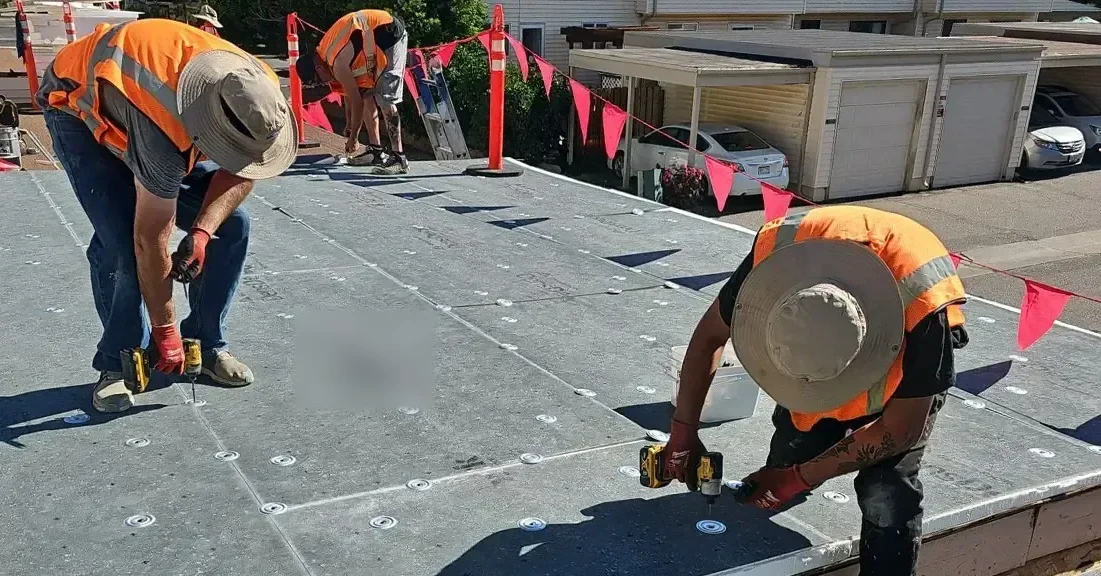
A cool roof job starts with a surface test, not a color chip. We need to know what the existing roof is, whether it is dry and whether a reflective surface will bond to it. In Kingsport, TN the answer also depends on the energy code the project falls under and on who has to sign the submittal.
Once the surface is known, the sequence is short: clean, repair, prime, coat or overlay, and inspect. Each step waits on the one before it, and several wait on the weather. A cool roof also pairs with a maintenance visit each spring, as in preventive roof maintenance, because a dirty reflective surface stops doing its job.
Surface Test and Substrate Check
We begin with a core cut at a few locations to identify the layers, the insulation and the membrane. A moisture survey follows, so we know whether the insulation has taken on water. Reflective surfaces do not fix a roof with saturated insulation; they cover it.
The test results go to the general contractor with a recommendation. If the roof is dry and sound, a reflective coating or a reflective membrane overlay is possible. If it is not, the scope changes before any material is ordered. That order protects the schedule, because a failed adhesion test found on day one costs a day and one found on day five costs the week. The adhesion test itself is simple: clean a patch, apply the product, let it cure and pull on it. The result is recorded with a photograph and goes to the superintendent.
Coating or New Reflective Membrane
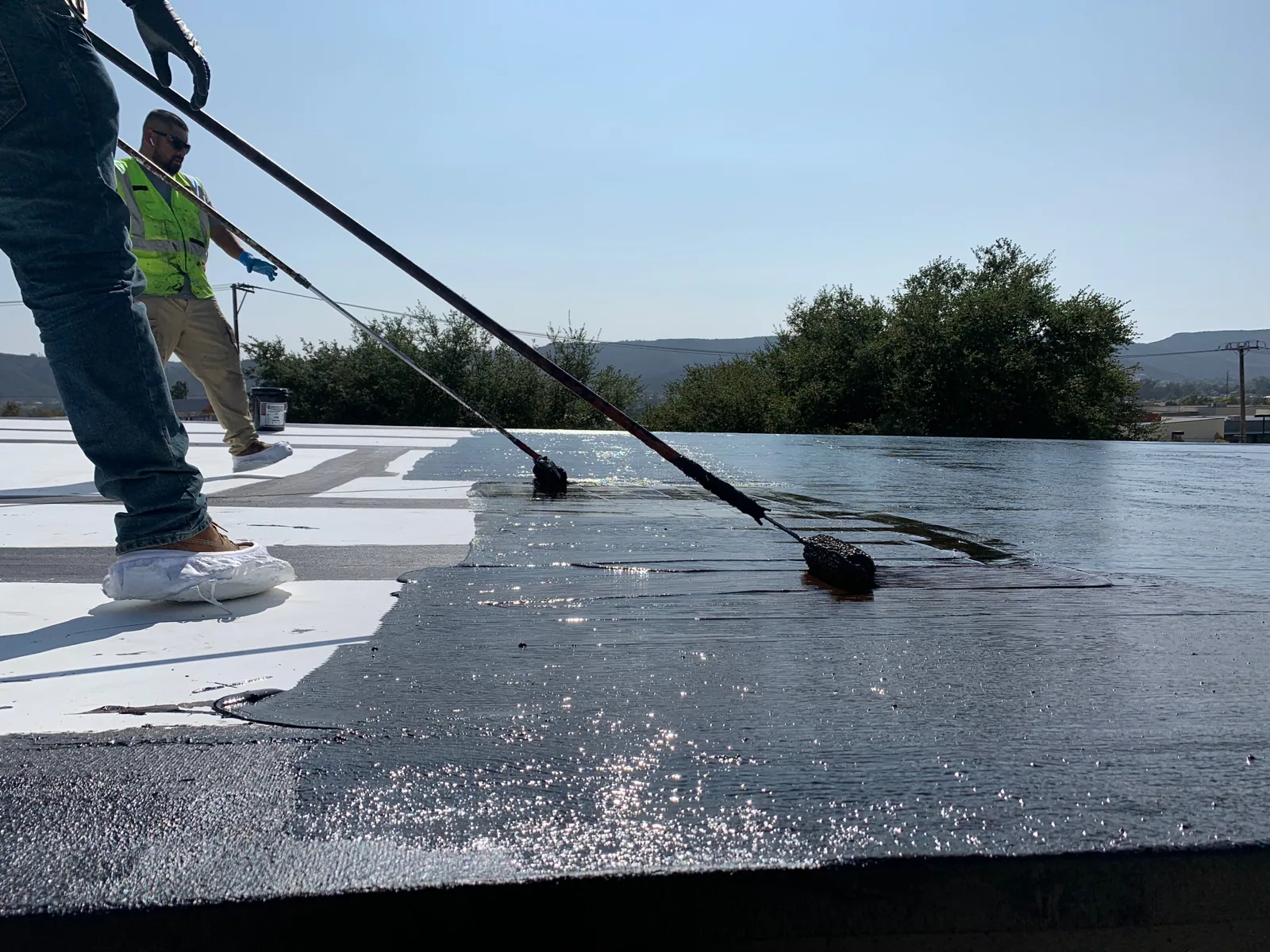
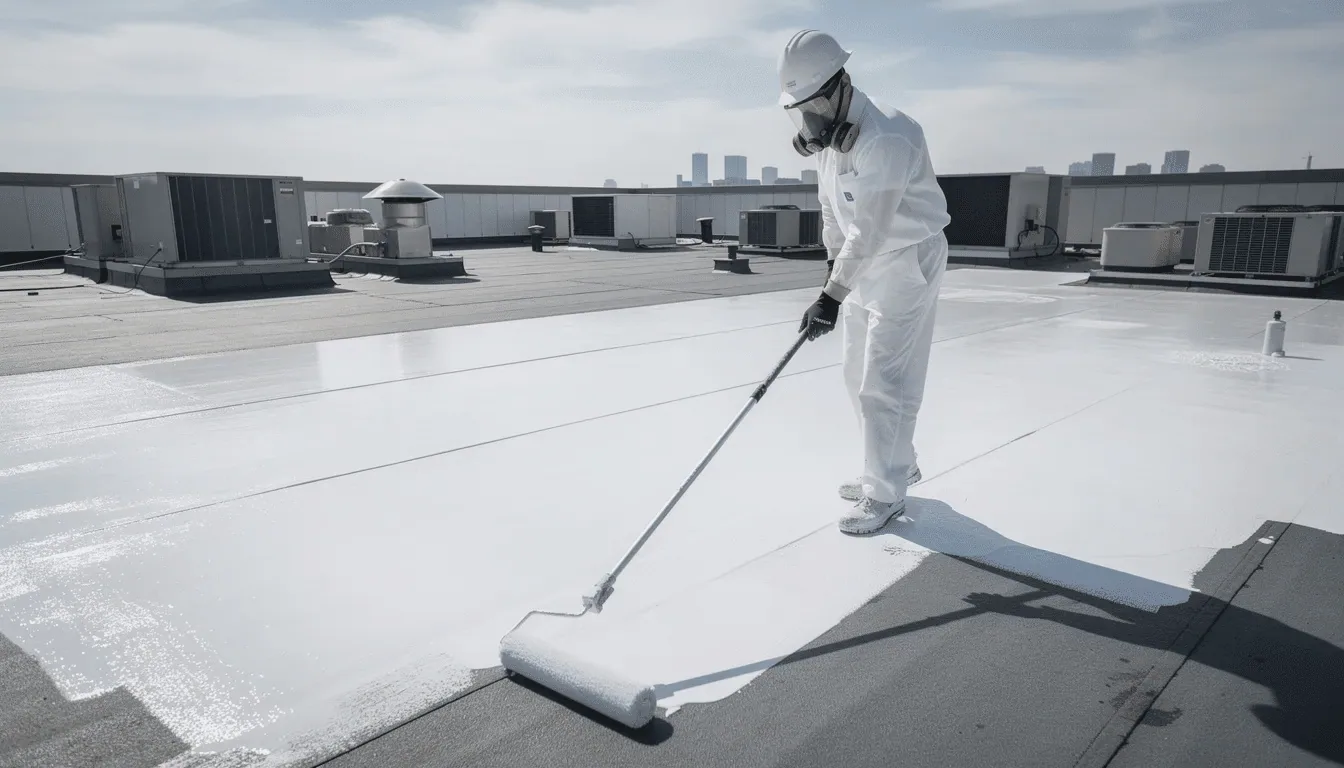
A cool roof can be made two ways. A reflective coating goes over a cleaned and repaired existing roof. A new reflective membrane, such as a white single-ply sheet, goes over a recover board or in place of the old roof. The choice depends on the condition of the roof beneath and on the budget year.
We price both against the same scope. An acrylic coating costs less and suits a roof that drains well. A silicone coating tolerates standing water better. A white TPO sheet gives a fresh surface and a new set of seams. The recommendation depends on drainage, the age of the sheet and the planned life of the building.
Heat, Cold and the Kingsport Year
Kingsport has recorded highs of 104 F and lows near minus 18 F, with only about 5.1 inches of snow a year. A reflective surface lowers roof temperature in summer and thermal stress on the membrane. It does not change winter heat loss, so insulation still matters. Owners should weigh the cooling benefit against the heating season.
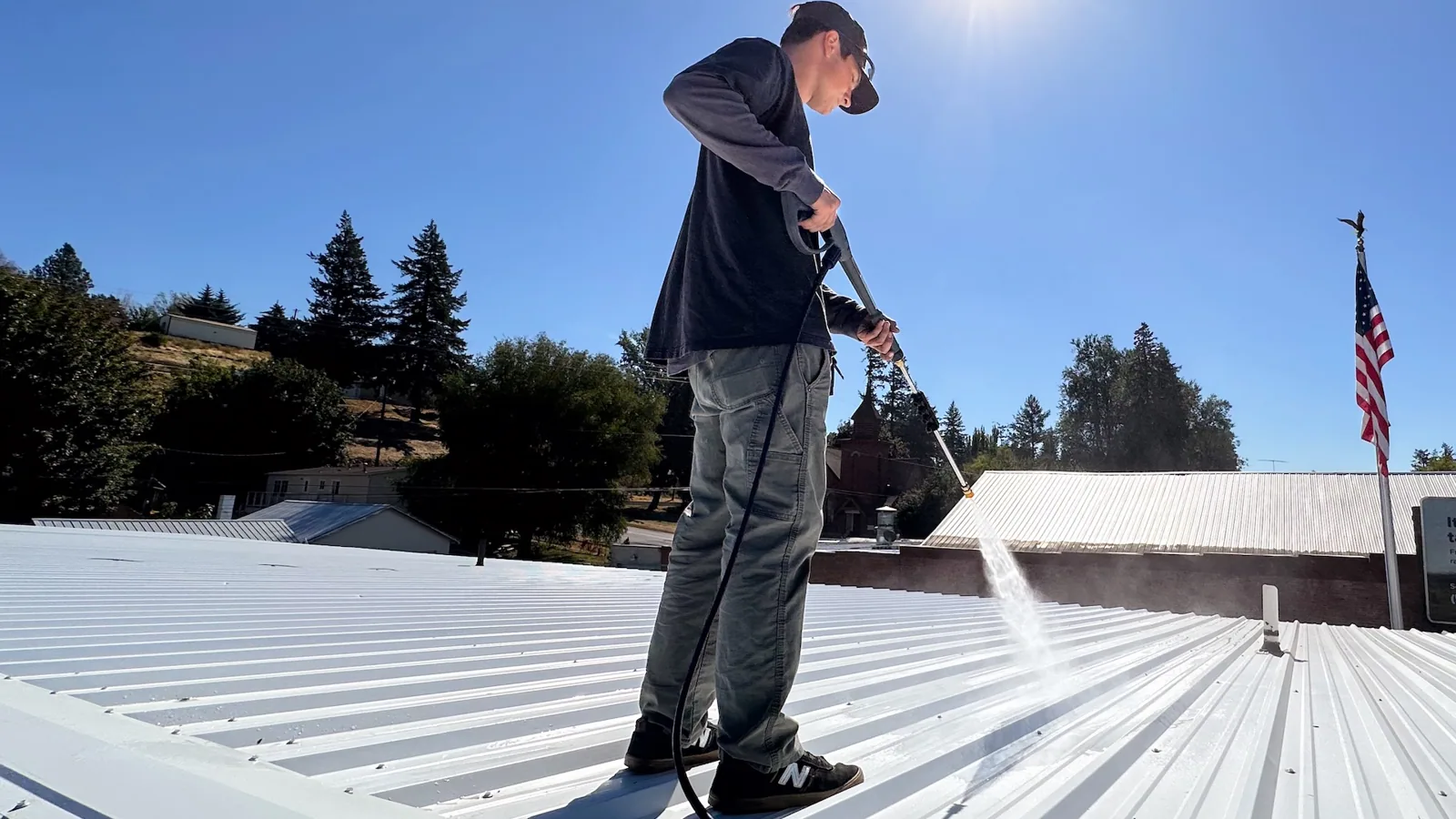
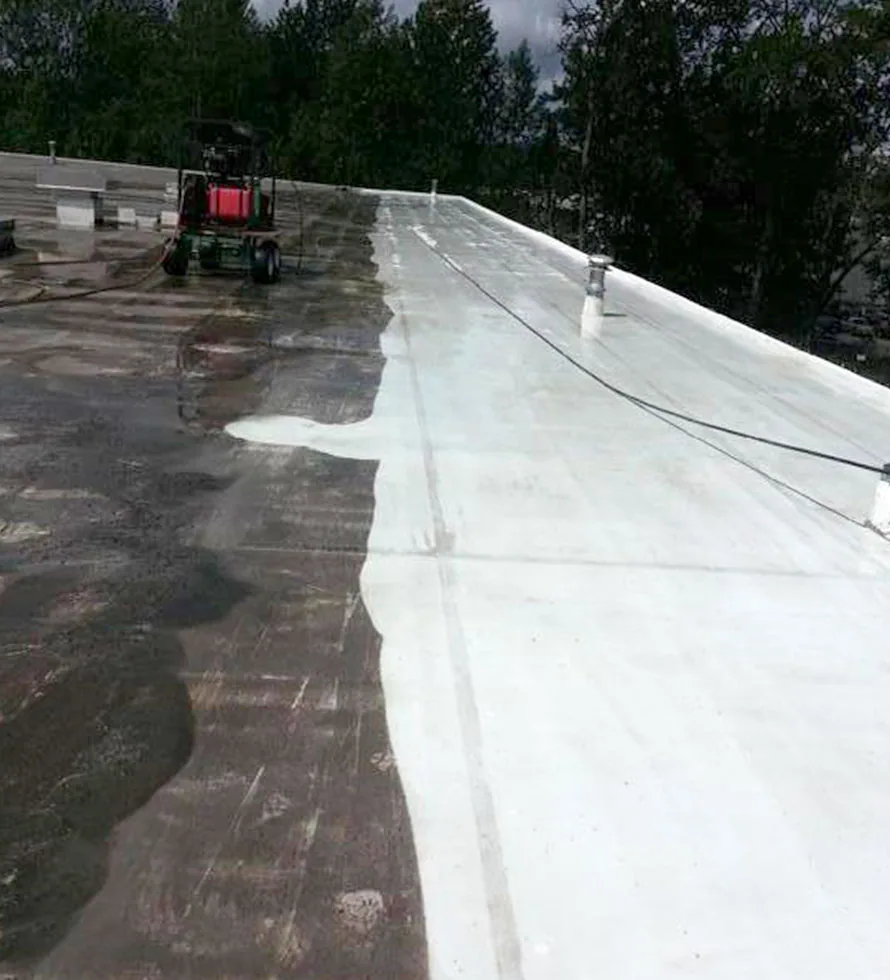
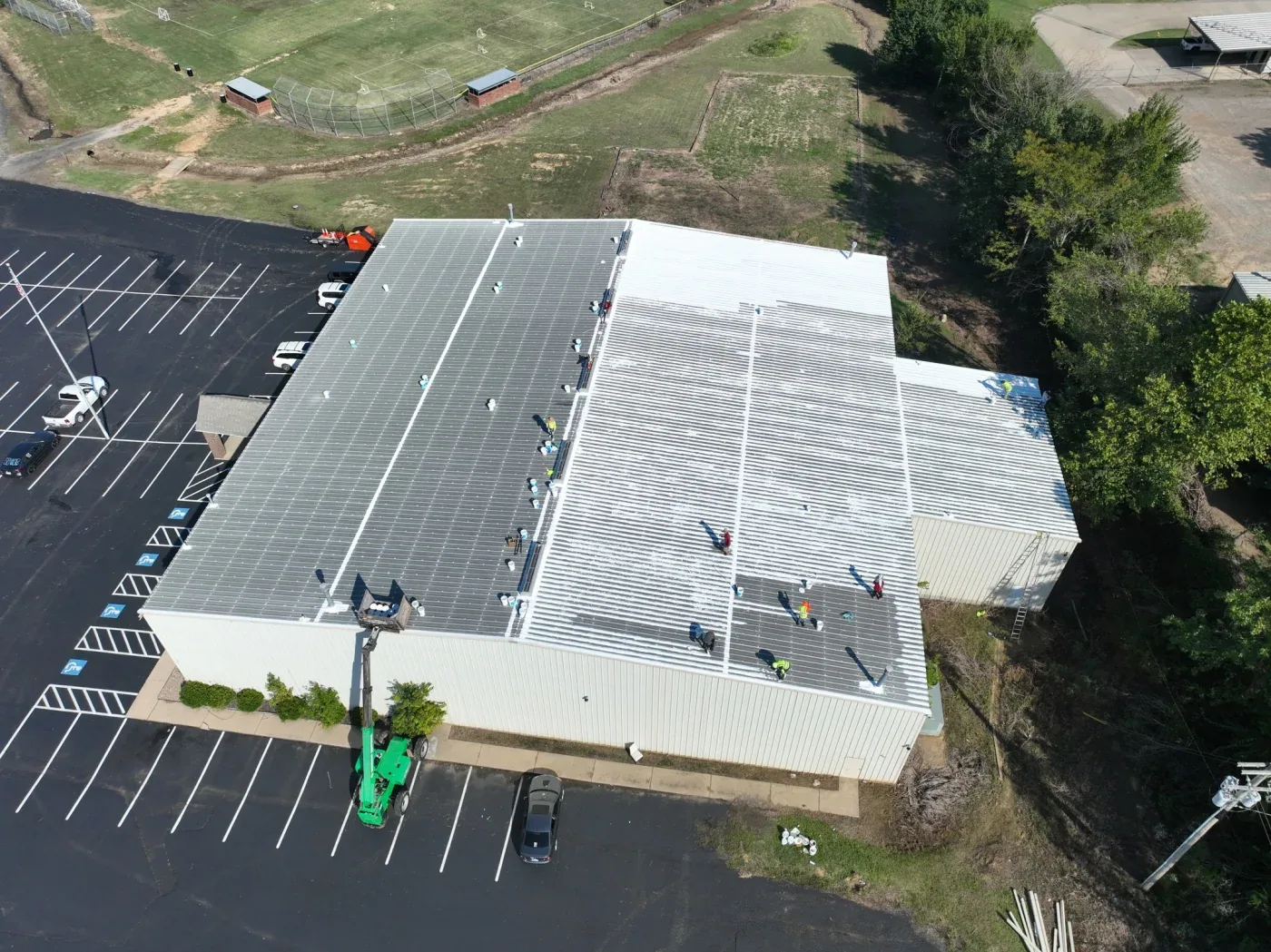
Surface preparation is the largest labor item. The roof is power-washed, loose material is removed, seams and flashings are repaired and the surface is allowed to dry. In humid weather the drying step takes longer than the washing. We plan the wash for the morning and the coat for the dry window that follows.
Application windows follow the same range. Coatings and adhesives need dry surfaces and temperatures above the product minimum, and a roof that is hot enough to blister a coating is too hot to apply it. We schedule application for early hours in summer, and we set a rain buffer. With about 45 inches of precipitation across roughly 133 days a year, the buffer is not optional.
Energy Code and Permit Submittal
The City of Kingsport Building Department enforces the International Building Code and the International Energy Conservation Code, and its contractor page lists the 2024 editions. Reroofing needs a permit, and commercial submittals need a stamped plan set plus a PDF. Projects over $25,000 require a State of Tennessee contractor license with proof of workers' compensation and general liability coverage.
We confirm with the building department whether the energy code asks for a reflective surface or added insulation on the project. The answer shapes the scope and the price. The permit submittal goes in while materials are being ordered, so the approval arrives before the crew does.
Access, Staging and Phasing
Cool roof work puts material on the roof in bulk. Drums of coating, rolls of sheet and cleaning equipment need a laydown area and a route to it. We locate the hoist or crane pick, the haul route and the staging zone, and we confirm them with the site contact.
On an active plant or institutional campus, the phasing plan divides the roof into sections. One section is cleaned and repaired, then coated, then inspected, and the crew moves to the next. Each section is closed by the end of the shift. Edges, drains and penetrations are sealed at the end of each day, so an afternoon storm cannot reach a section that is open. Night shift or weekend windows are used where the building cannot tolerate daytime noise. A warehouse roof and an office building roof get different plans.
Inspection, Closeout and Punch List
After application, we inspect each section for coverage, thickness and adhesion. We record coating thickness at sample points and photograph the finished surface. The superintendent walks the roof with us, and any missed areas go on a punch list with a date.
The closeout package includes the product data, the thickness readings, the photographs and the permit sign-off. It also lists the cleaning schedule, because a reflective surface loses value as dirt accumulates. The first re-inspection falls after the first full summer. A related option, roof coating restoration, follows the same sequence when the goal is life extension as well as reflectivity.
What We Need From You
Send the roof plan, the roof age and any warranty papers. Tell us the access points, the outage or turnover calendar and the energy code review you have. Properties along the Stone Drive corridor and in other parts of the city can follow the same format.
Commercial Roofing Questions
Does a cool roof work in a climate with cold winters?
It lowers summer roof temperature and the thermal stress on the membrane. It does not change winter heat loss, so insulation still matters. Kingsport records only about 5.1 inches of snow a year, so the cooling benefit usually outweighs the winter effect. We recommend running both numbers for your building.
Should we coat the existing roof or install a new reflective membrane?
Coat it if the roof is dry, sound and drains well. Replace it if the insulation has taken on water or the sheet is failing. We recommend a core cut and a moisture survey first. The results decide the scope, and they save a failed adhesion test later.
What does the permit process add to the schedule?
Reroofing needs a permit, and commercial submittals need a stamped plan set and a PDF. Projects over $25,000 need a State of Tennessee contractor license. We recommend starting the submittal when materials are ordered, so approval arrives before the crew does.
How hot is too hot to apply a coating?
Surface temperature matters more than air temperature. A dark roof in July can exceed the product's limit by midday. We recommend early starts and a hold when the surface climbs. Kingsport has recorded highs of 104 F, so summer scheduling is part of the plan.
How do you keep the building open during the work?
By phasing the roof into sections and closing each one by shift end. We recommend a written schedule with night or weekend windows for noisy steps. The plan names the haul route, the laydown area and the person who can stop the work.