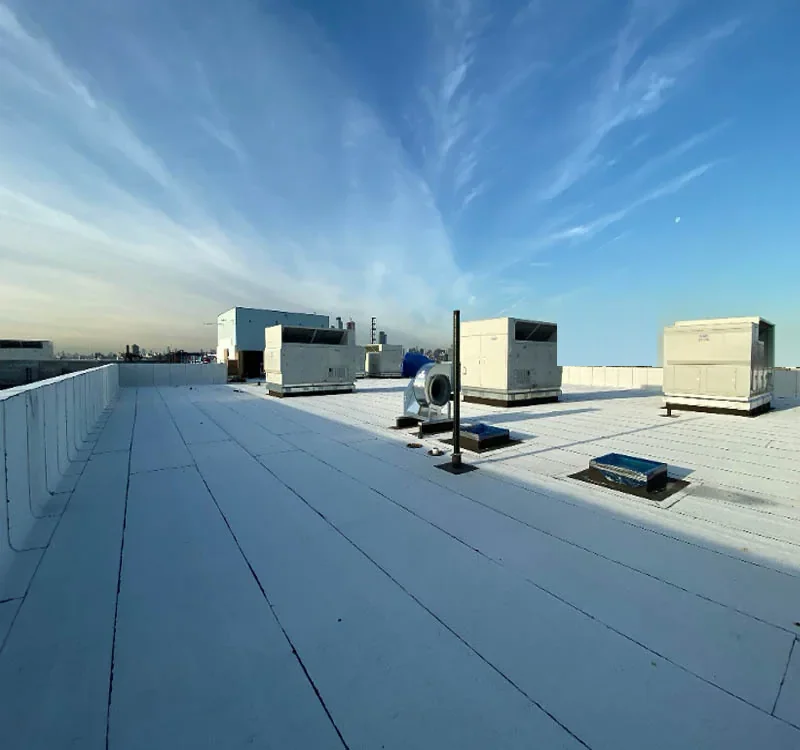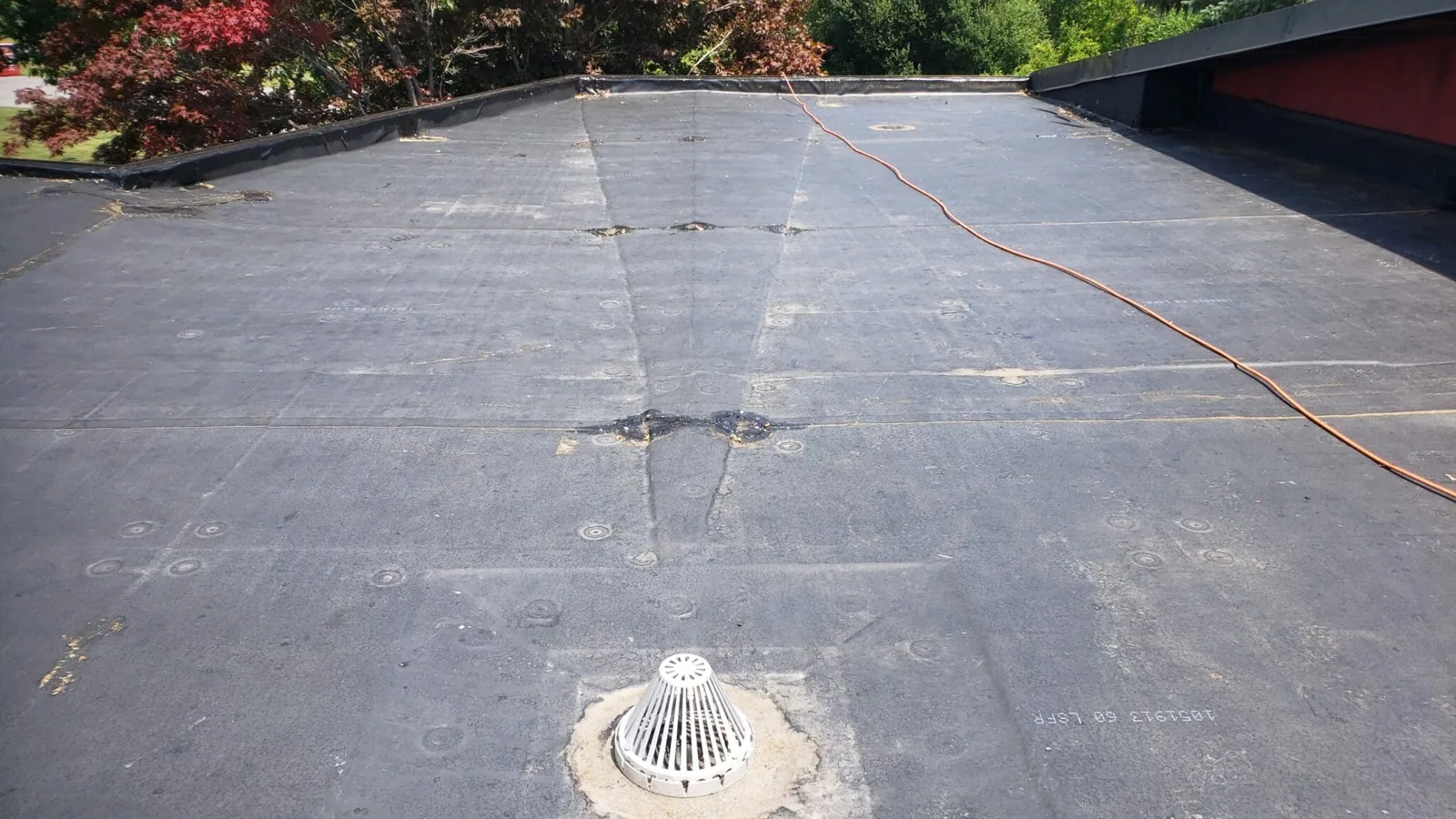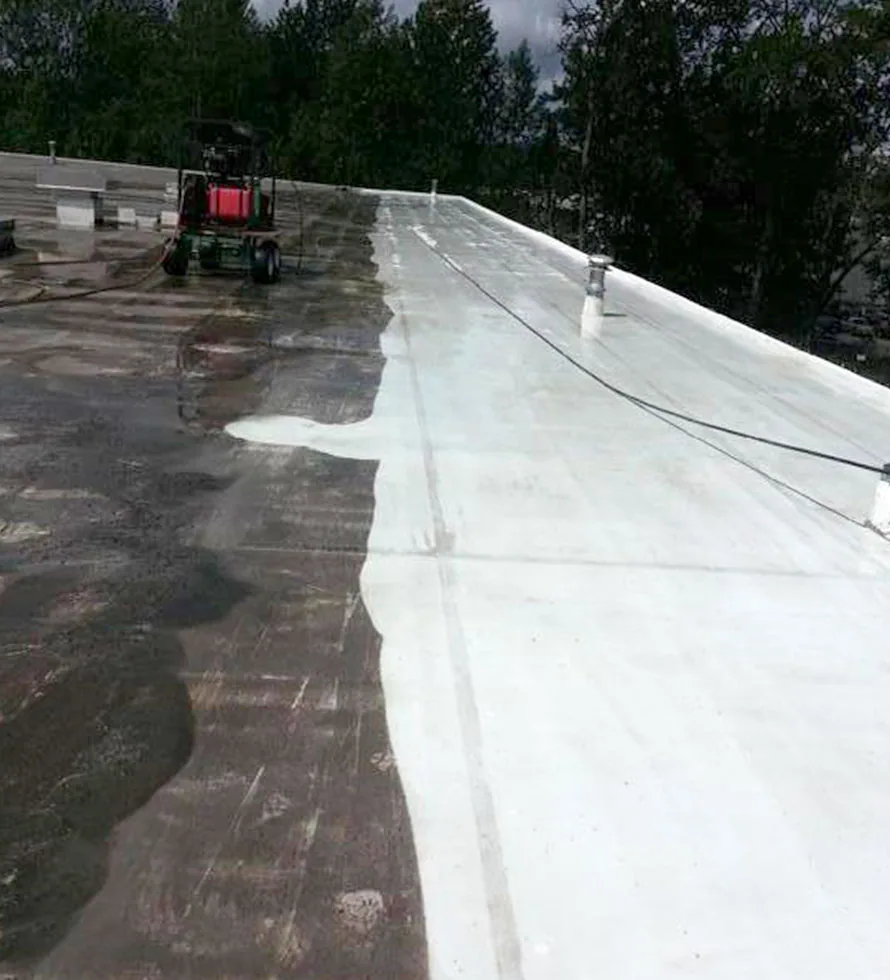
An acrylic coating job begins with the drainage check, because acrylic tolerates standing water less well than silicone and a roof that ponds may not be a candidate. We map the low areas after rain, measure depth and duration and compare them with the product's limits. With rain on roughly 133 days a year in Kingsport, TN, the check is not a formality.
The sequence follows: drainage and moisture survey, wash, repair, reinforce, prime, coat and inspect. Each stage names the trade that follows it and the weather it needs.
Drainage, Moisture and the Candidate Check
A coating job begins with three results: where water stands, where insulation has taken on water and whether the surface accepts the product. We run a moisture scan and core cuts, map ponding and pull an adhesion test on a cleaned patch. A short report with photographs carries the three results to the general contractor.
A roof that drains well, tests dry and bonds is a candidate. A roof that ponds may need a drain or tapered insulation first, or a different coating. A roof with saturated insulation is not a candidate at all. The report states the result and prices the alternative, so the owner decides on facts.
Edges and walls get a second look. Parapet bases, coping joints and wall terminations are where water enters behind a coating, and a coating cannot seal a joint that moves. We repair and re-seal them first, and we photograph each one. The repair list goes to the general contractor ahead of the coating dates, so the repairs are finished and dry when the crew arrives.
Cleaning, Repair and Primer
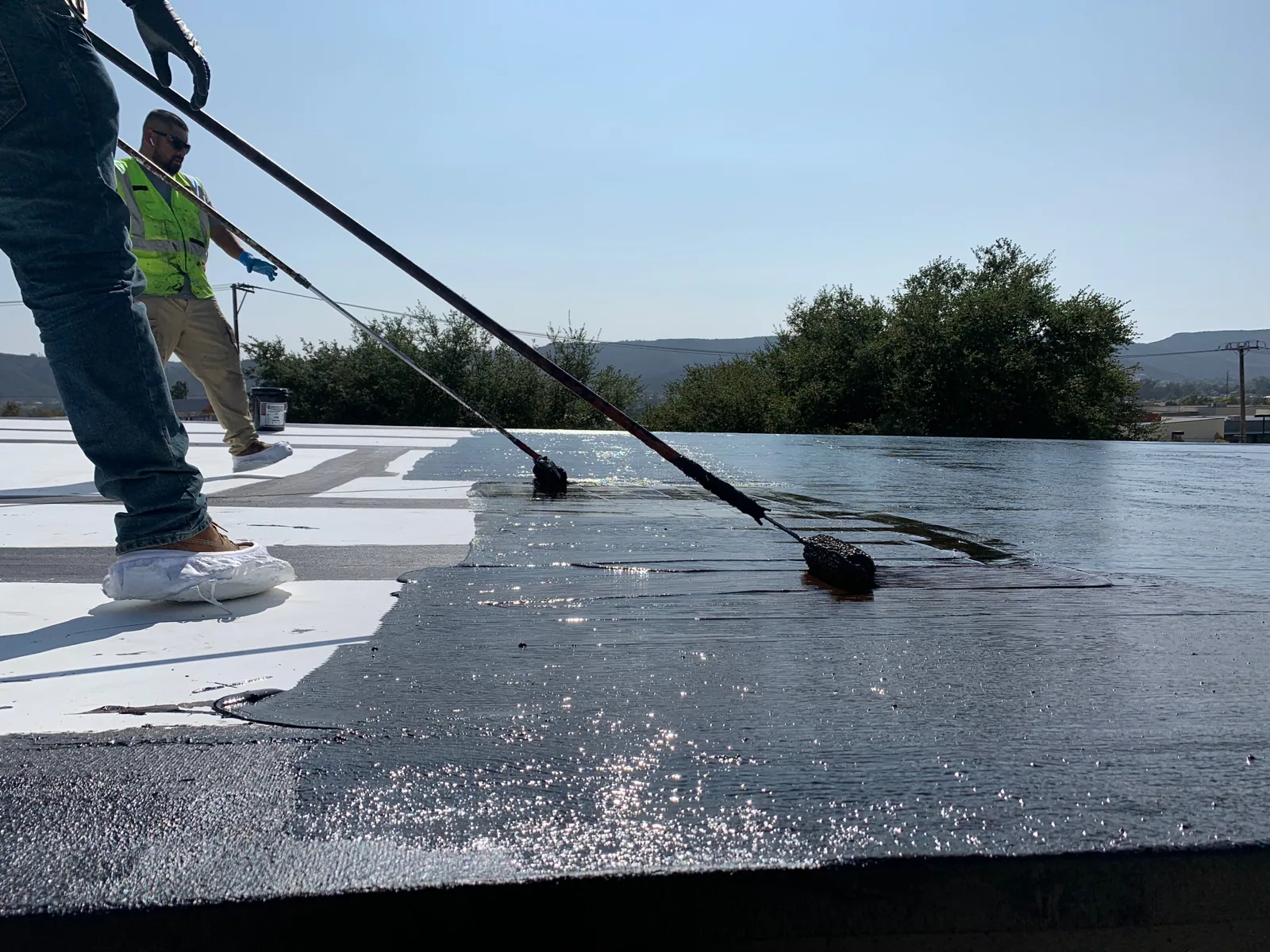
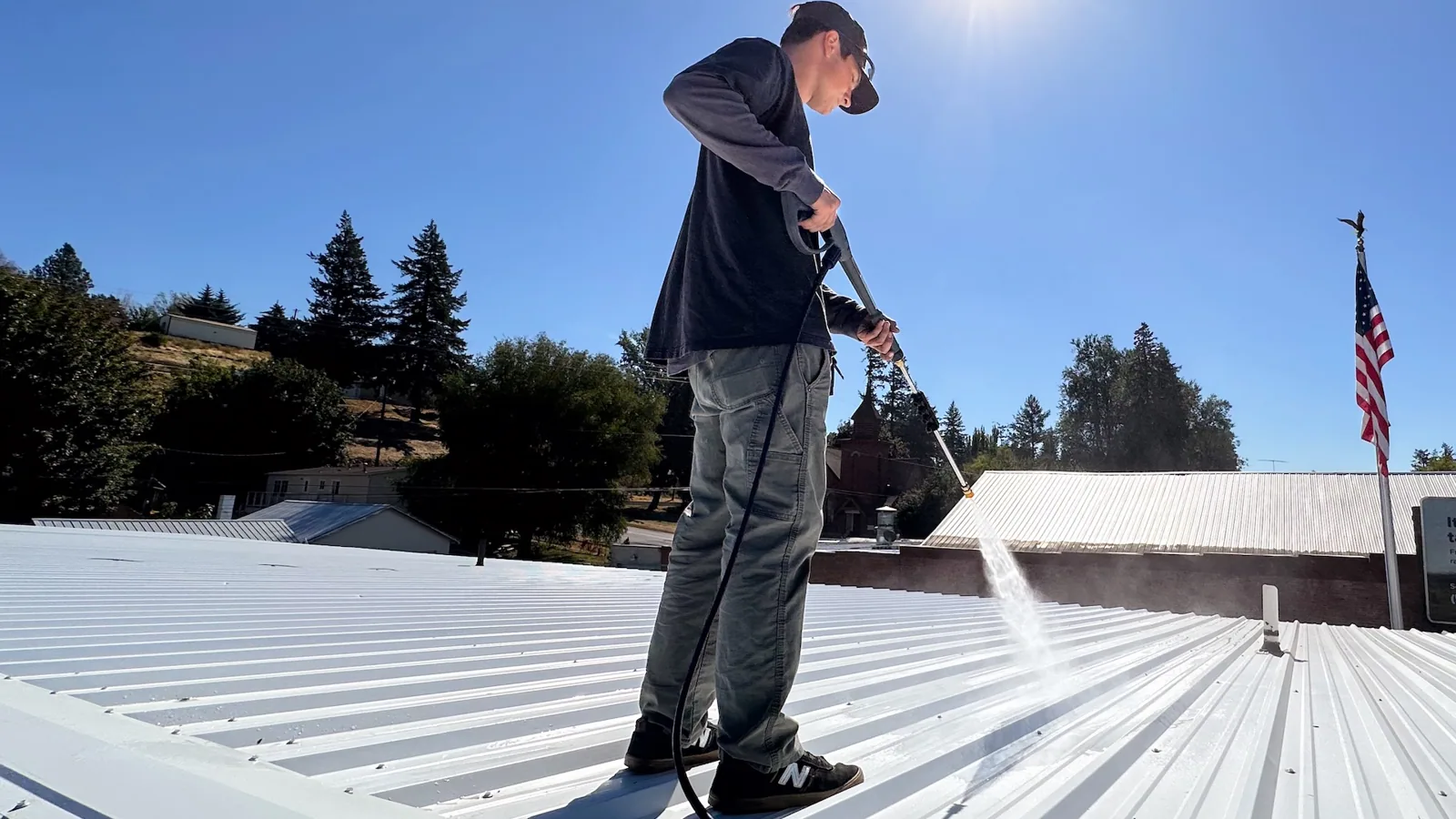
The surface is washed to remove dirt, mildew and chalk, then dried. Loose material is removed, rust is treated and seams and flashings are repaired. On some substrates a primer goes down first, to block stains or improve bonding. Asphalt surfaces can bleed through a white coating, and a primer or a test patch prevents it.
Preparation is the largest labor item. In damp weather the drying step can take days, and we include the time in the plan. The coating crew does not mobilize until the surface passes a dryness check, and the check is recorded with a moisture reading and a photograph. Drains are cleared and strainers replaced, so the first rain after coating has a clear path.
Water-Based Cure and Rain Risk
Acrylic is water-based. It cures by drying, and rain before it dries can wash it off the surface. That makes the weather window the main scheduling risk. We apply only when the forecast gives a dry period long enough for the coat to set, and we keep tarp ready for a shower.
Temperature matters as well. Acrylic needs a minimum surface temperature to form a film, and a dark roof in July can exceed the upper limit by midday. The record runs from minus 18 F to 104 F, which is why application is scheduled for mild mornings in the shoulder seasons and surface and air temperatures are logged before each coat.
Reinforcement, Coats and Thickness
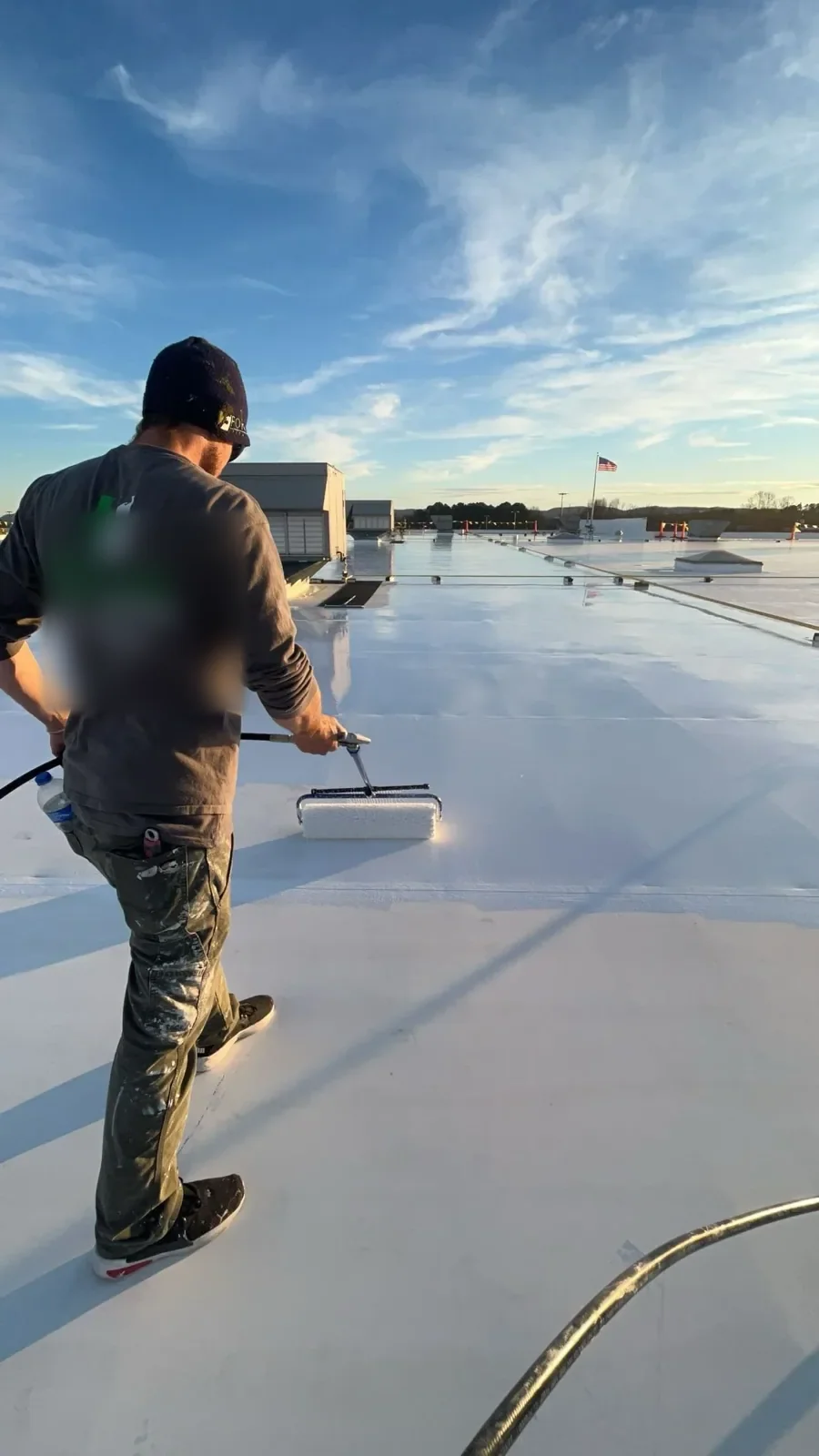
Acrylic films are thin at edges and corners, so seams and details get fabric reinforcement bedded in the first coat. Pipes, curbs, drains and parapet bases receive extra material. The field coat follows in one or two passes, by spray or roller, at the specified coverage rate.
Wet film thickness is checked as the crew works, and dry film thickness after cure. Readings are logged by area with photographs. Thin spots are recoated the same day, before the crew demobilizes and before the next day's forecast can change the plan. The log goes to the superintendent with the daily report, so the numbers are known before closeout and not after it.
A rubber sheet or a white thermoplastic sheet replaces the roof surface, while a coating renews it. Each has a place. We price both on the same scope, with the same drain work and the same insulation findings, so the owner sees what the coating saves and what it leaves in place.
Retail Corridors, Parks and Downtown Buildings
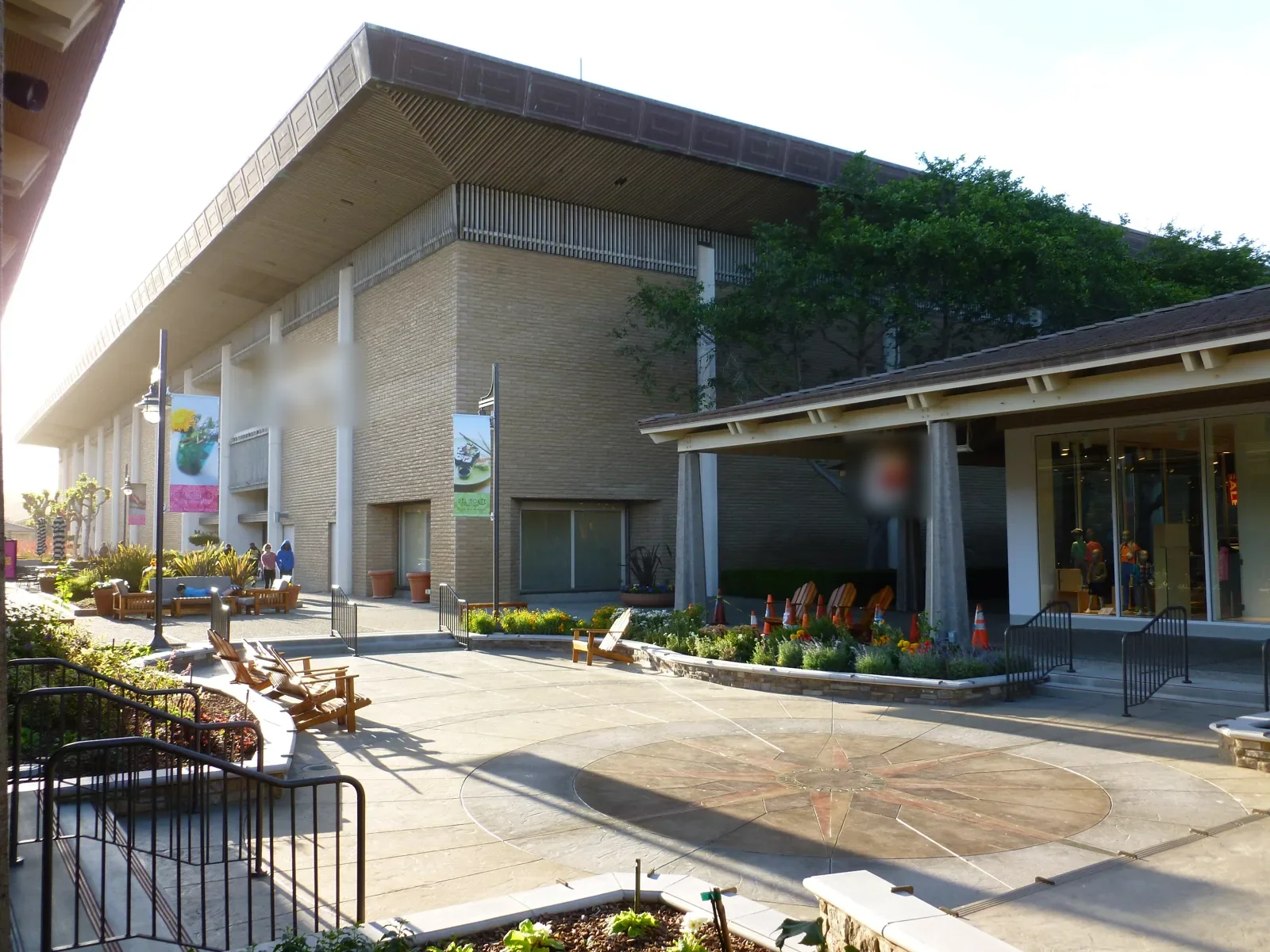
Kingsport Pavilion added three stores in the city's 2023 update, and the retail traffic of the Stone Drive corridor rides on the junction of U.S. 11W and U.S. 23. In the downtown core, Pappy's, the Kingsport Grocery building and the Citizens Supply building are being renovated. A survey, not a listing, shows what each building has.
Acrylic suits roofs that drain well and that need a lower-cost reflective surface. A shopping center roof can be coated in sections, with parking and entrances managed day by day. The phasing plan names each section, the staging area and the person who can stop the work.
Permit, Energy Code and Inspection
Coating work on an existing roof may or may not need a Kingsport permit, and we ask the Building Department before the dates are fixed. A filing, when one is required, is a stamped plan set and a PDF, checked against the International Building Code and the International Energy Conservation Code with the 2024 editions listed. A contract over $25,000 also calls for the Tennessee license and insurance certificates.
The coating manufacturer's warranty sets conditions on preparation, thickness and maintenance. We read them before the work and record compliance in the closeout package. Wind and hail are watched too, since county warnings out of Morristown have named 60 mph gusts and hail. Uncured coating does not stay on a roof ahead of a storm.
Closeout, Recoat Cycle and Punch List
At closeout the superintendent walks the roof with us. Coverage, thickness, details and drains are checked against the plan. Punch list items carry an owner and a date. The closeout file carries the thickness log, the weather log, the photographs and the warranty file.
Acrylic is a maintenance cycle, not a one-time purchase. The package lists the first re-inspection and the expected recoat window. A silicone coating is the alternative for roofs that pond, and the wider restoration process, roof coating restoration, uses the same steps. A retail owner along Fort Henry Drive sends the roof plan and the calendar.
Commercial Roofing Questions
When is acrylic the wrong coating?
When the roof ponds, when the insulation has taken on water or when adhesion fails. We recommend a drainage map, a moisture scan and a test patch before choosing. The report names the reason and prices the alternative.
What is the main risk in applying acrylic?
Rain before it dries. Acrylic is water-based and can wash off if wet before it sets. We recommend a dry window long enough for the coat and a tarp on the roof, and wet days are frequent enough here that the window has to be picked, not assumed.
Why does asphalt bleed through a white coating?
Oils in asphalt can migrate into the coating and stain it. We recommend a primer or a test patch on bitumen surfaces. The test result is logged before the field coat goes on.
How often does acrylic need recoating?
The interval follows thickness and exposure. We recommend a yearly inspection with dated photographs. The thinning rate tells us when the recoat belongs in the budget, and the closeout package lists the first re-inspection.
Can a coating be applied in cold weather?
Not below the product's minimum surface temperature. Kingsport has recorded lows near minus 18 F, so winter is for survey and permits. We recommend scheduling the coating for mild months and logging temperatures at each coat.