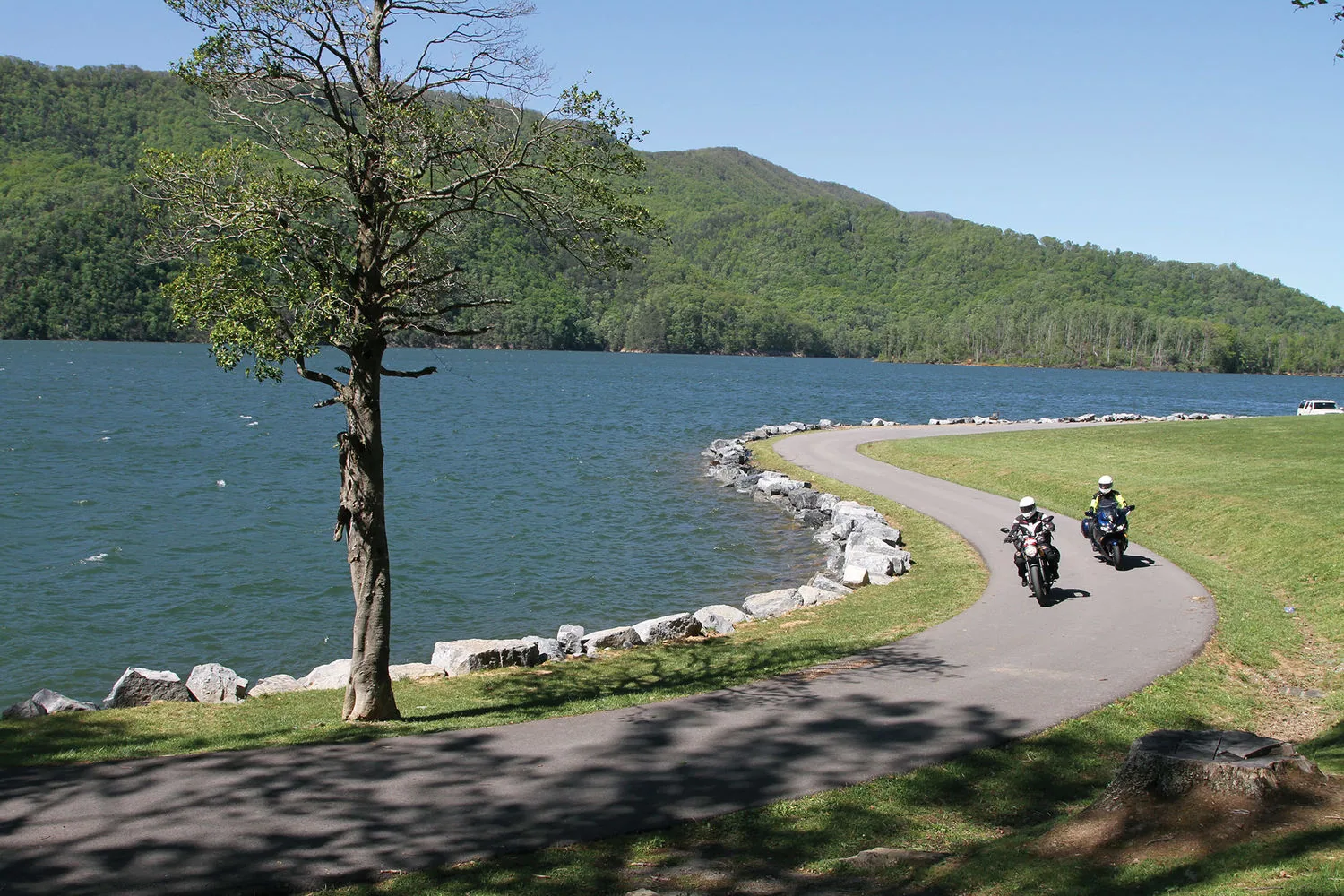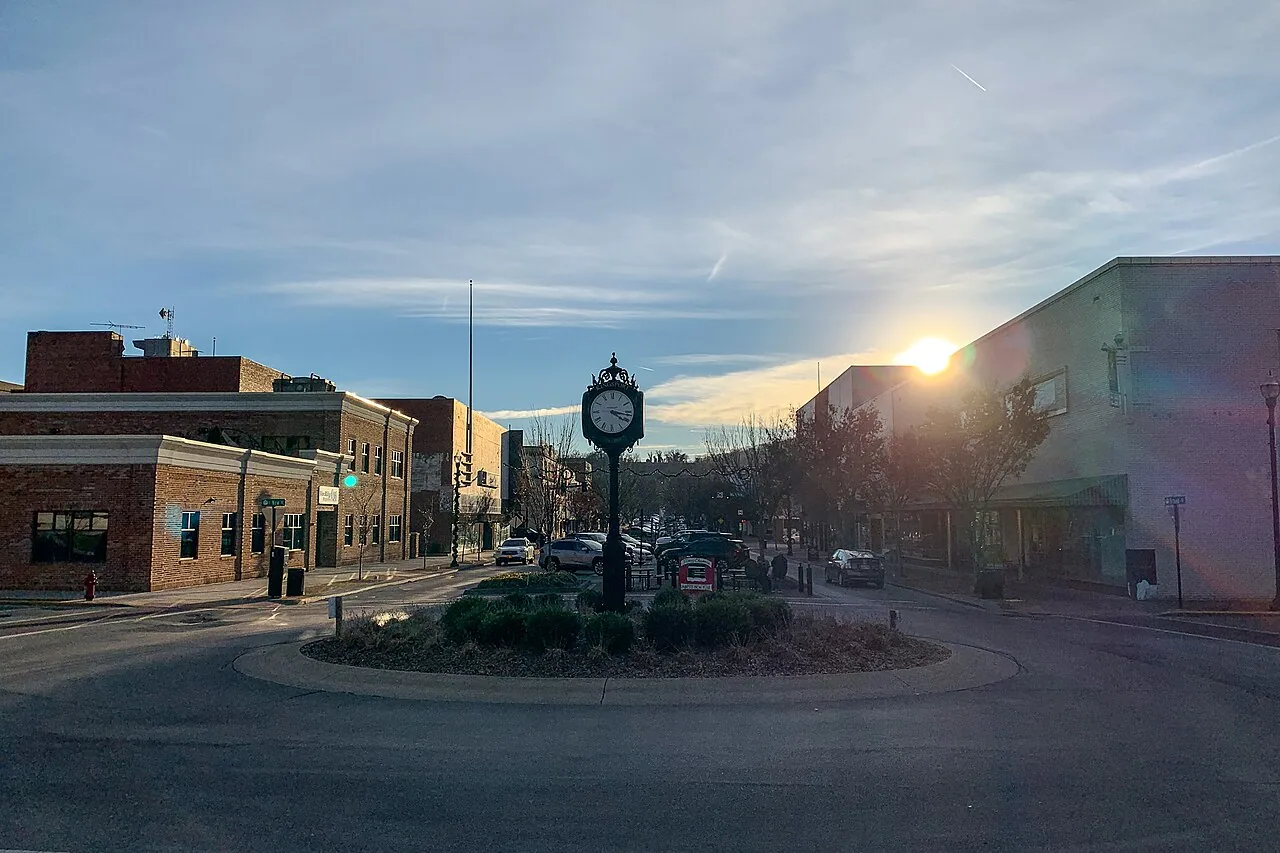

Orebank roof work starts with a look at where the water goes after it leaves the roof, because the community sits on a bench between Chestnut Ridge and the Reedy Creek valley, and roof drainage that is dumped against a wall or onto a slope returns to the building. Orebank is bordered on the north, west and south by Kingsport, about 6 miles east of downtown, with 929 residents in 2020 and Orebank Road as its main street. We follow the water from the roof drain to the ground before we write a roof scope.
Then we plan the access, the permit and the sequence for a small site where every truck and every ladder is visible from the road.
Where Roof Water Goes After the Roof
Orebank sits at 1,440 feet on a bench, with Reedy Creek flowing west into the South Fork of the Holston River, the drainage that feeds Kingsport. A building on sloping ground has a downhill side and an uphill side, and roof water behaves differently at each.
We check where downspouts discharge, whether splash blocks or extensions carry water clear of the foundation and whether the grade slopes toward or away from the wall. A roof that sheds well and a downspout that dumps water at the foundation produce interior moisture that looks like a roof leak. We separate the two on the walk, and we fix the discharge before we fix the roof if the discharge is the cause. The work overlaps our drain and scupper service.
Gutters on a small commercial building need their own check. Sagging runs, loose hangers and joints that no longer seal pour water behind the fascia and into the wall. We walk the gutter line from the roof edge, look at the hangers and the end caps, and note any run that holds water after rain. Replacing a hanger costs little. Replacing rotted fascia does not.
First Walk on a Small Community Building
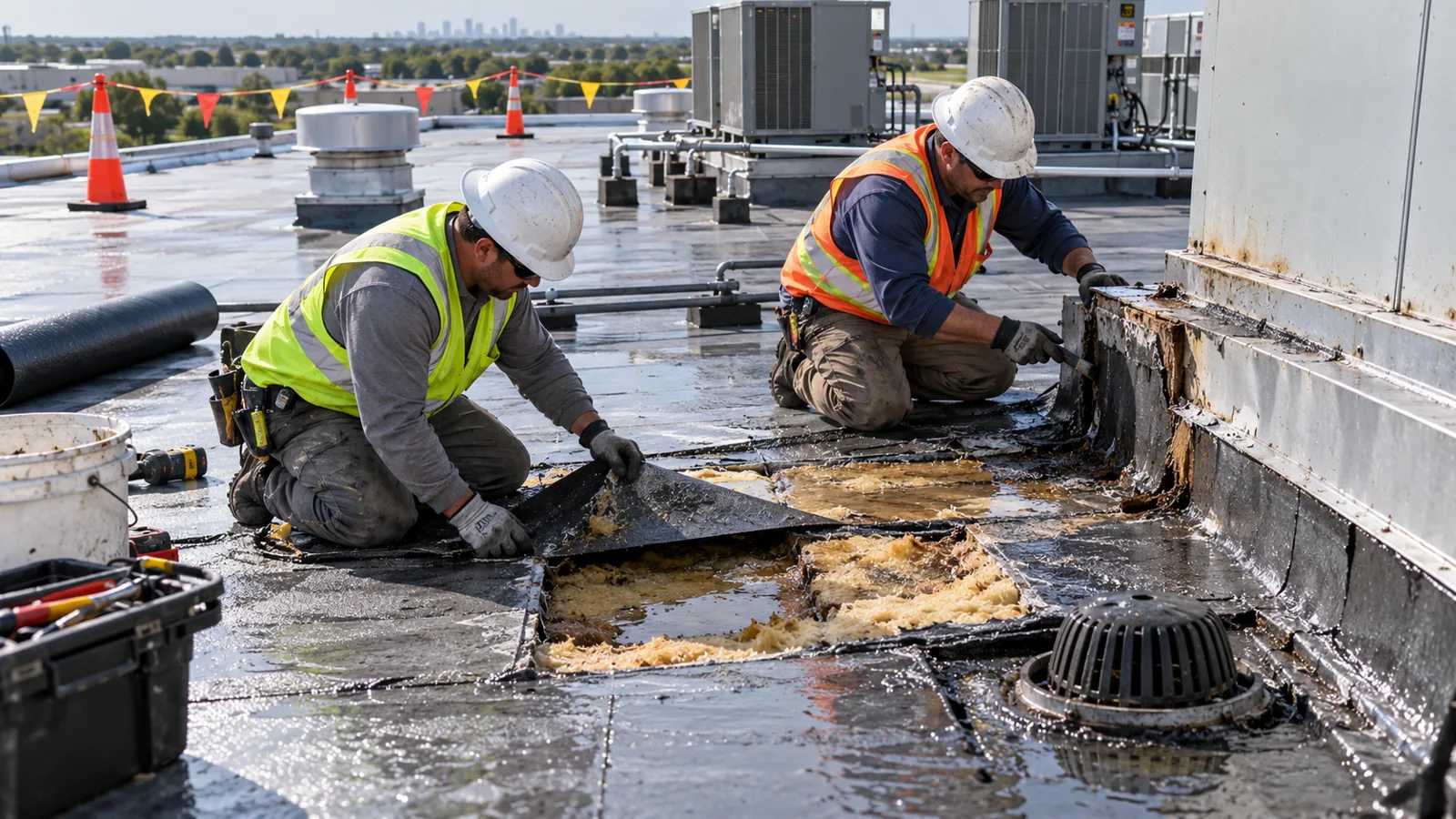
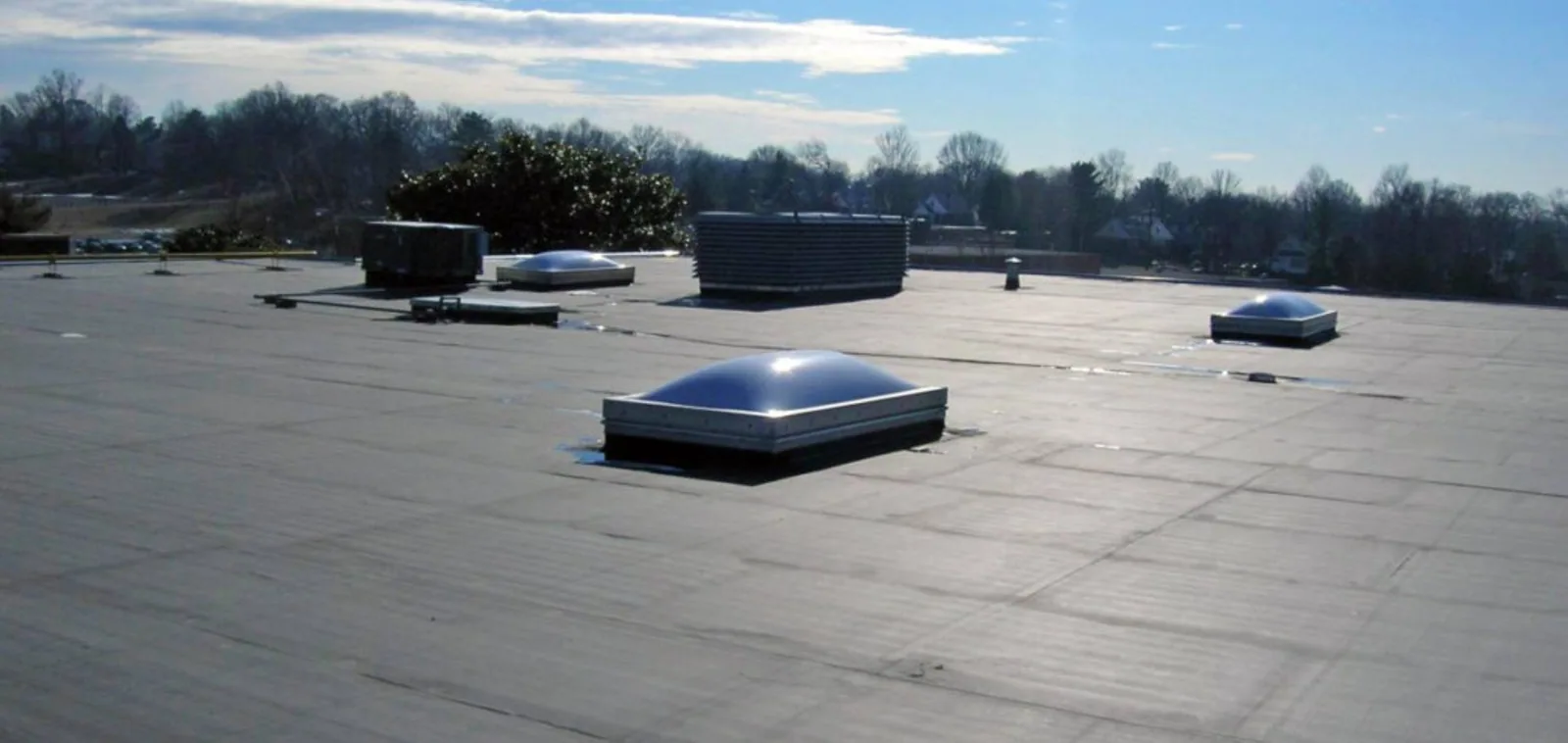
Buildings in a small community vary: a shop, an office, a meeting hall, a storage building. We do not assume a roof type until we are standing on it. A short commercial roof inspection on the first visit notes the roof system, how the seams, flashing and penetrations are holding, whether the drains run clear and any sign of earlier repairs, and each note is tied to a photograph and a sketch.
The result is a ranked list. Items that threaten the interior come first, then items that will fail within a year or two, then items to watch. For roofs with suspected moisture, a moisture survey and core cuts show the insulation condition. The owner sees the evidence behind each recommendation and the cost of each option.
Access and Laydown on a Road-Frontage Site
On a main street like Orebank Road, the work is visible and the lot is often small. We mark the truck position, ladder location and stack area so the entrance and the neighbors' drives stay clear.
Where a boom truck or small crane is needed, we plan its position and the closure of any shoulder in advance, and we schedule deliveries early. Dumpsters sit where trucks can reach them without backing across traffic. If no crane can reach, a material hoist or a conveyor serves, and we state which in the plan.
Utilities decide the crane position more often than the lot does. We locate overhead lines and meters on the site sketch before the boom is raised, keep the radius clear of them and ask the utility for a mark or a lockout where the plan requires it. The sketch goes to the operator, and the foreman checks it each morning.
Sequence of Repair or Replacement
A repair is done as a numbered work order that starts at the drains and moves through flashings and seams to the penetrations. A replacement strips one section at a time, checks the deck, then lays insulation, cover board, membrane and flashing before the crew goes home for the night.
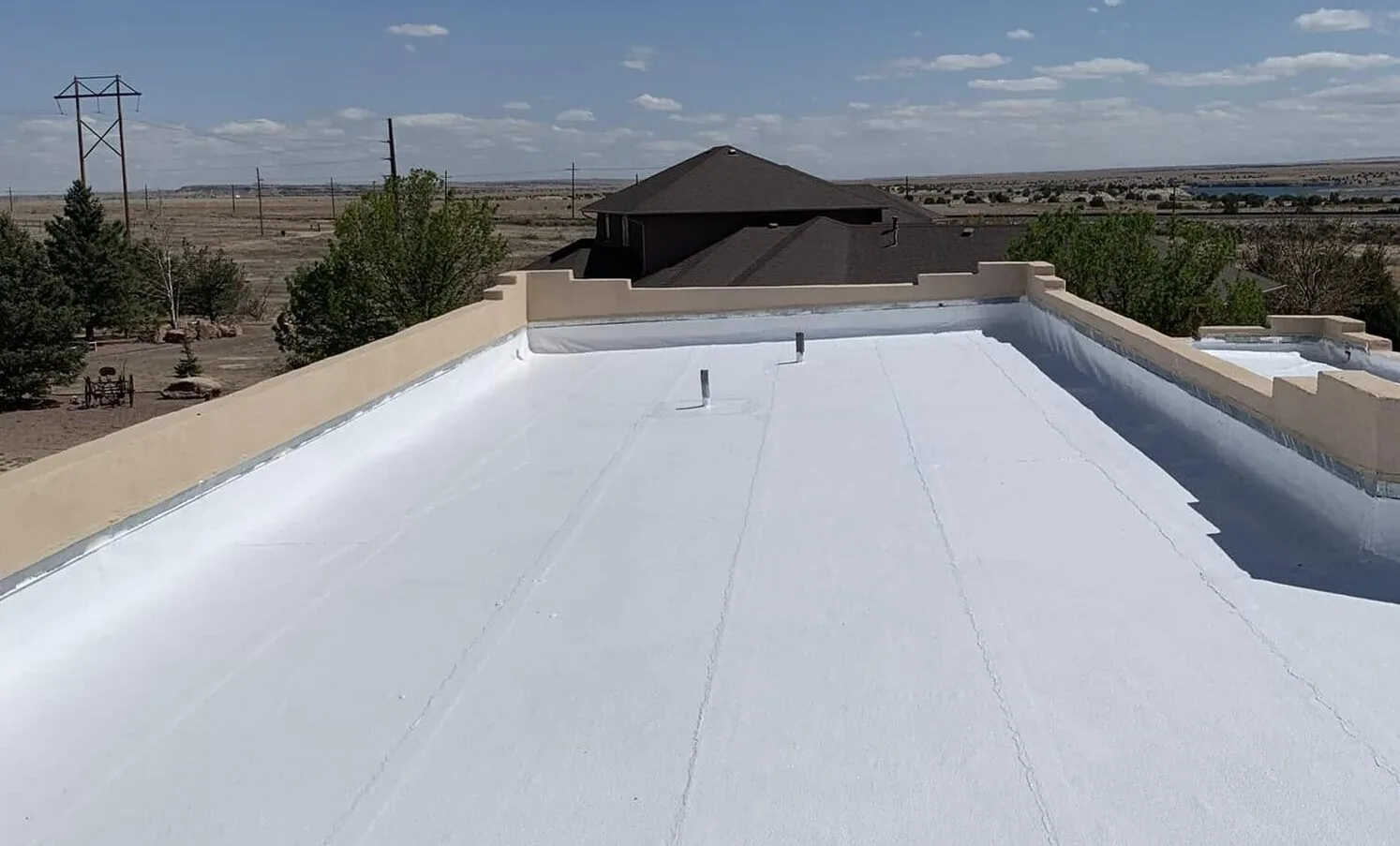
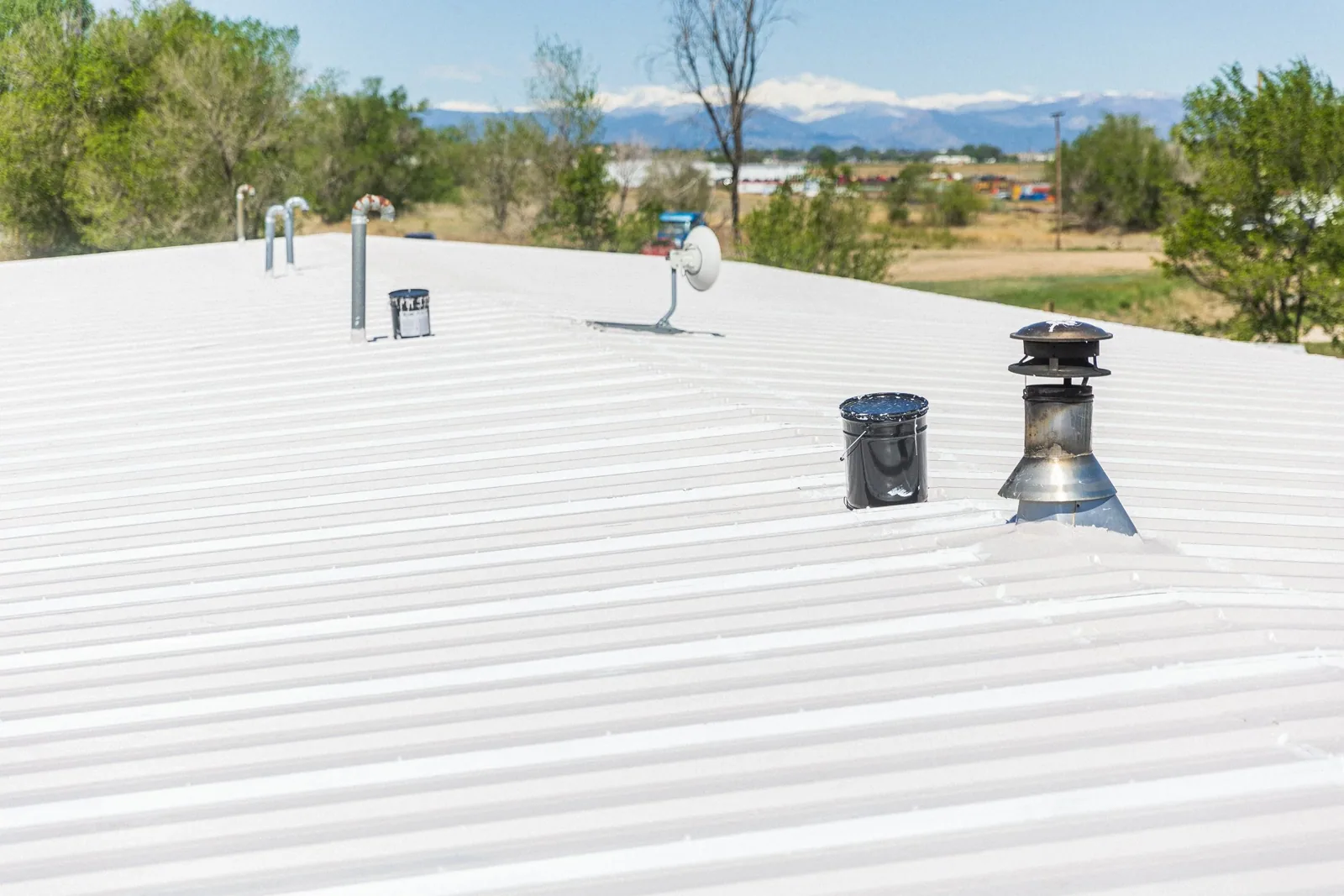
Where cores show dry insulation, a recover may save time and disposal. Where a roof is dry and sound but worn, a coating can extend its life. We lay out the options with the evidence from the walk, and the owner picks. Tomorrow's starting point is written into the daily plan.
Weather protection is part of the sequence. A small roof can be opened and closed in a day, and the materials for that day are staged and covered. We keep a reserve of tarps and ballast on site, sized to the open area, so a shower arriving early does not decide the outcome of the day.
Weather Windows and Ground Conditions
Kingsport, about 6 miles west, averages about 45 inches of precipitation a year, and wet ground on the Orebank bench limits truck access. After rain we check the lot before a delivery and avoid staging on soft soil.
A Sullivan County warning from NWS Morristown has named hail and 60 mph gusts as a threat to roofs, siding and trees. Hail of that kind can bruise insulation and crack older membranes, so after a warning we walk the roof, probe soft spots and photograph the findings with the date. A dated record from soon after a storm helps an insurer more than one taken weeks later. The recorded range of minus 18 F to 104 F sets the working window for adhesives and sealants.
Permit, Inspection and Closeout
Inside Kingsport a reroof needs a city permit, with a stamped plan set and a PDF, and a contract above $25,000 brings in the State of Tennessee contractor license rule along with workers' compensation and general liability proof. Orebank is bordered by Kingsport rather than inside it, so we confirm which office issues the permit before we submit.
The handover set has the punch list, flashing photographs, warranty papers and a dated roof plan. Properties in nearby Bloomingdale and Morrison City can be recorded in the same format. To start, we need the site plan, the access points and the occupancy calendar; the phasing plan follows, and pricing waits for it.
The record we hand over includes the drainage notes: where each downspout discharges, what was changed and what the owner should watch. A roof and its drainage are one system, and a record that covers only the roof leaves half of it undescribed.
Commercial Roofing Questions
How do we tell a roof leak from a downspout problem?
By timing and location. A downspout that dumps at the foundation shows up as moisture at the base of a wall after rain, while a roof leak shows as a stain at the ceiling or the upper wall. We trace both on the walk, and we fix the discharge first if it is the cause.
What if the lot is too small for a crane?
Then we use a material hoist, a conveyor or a boom lift, and we say which in the plan. Deliveries arrive early, material is staged against the building and a spotter manages the road. We confirm access with the owner and the neighbors before the first delivery.
Does a building next to Kingsport follow Kingsport's permit rules?
Not always. Kingsport's permit and contractor rules apply inside the city. Outside it, another office may have jurisdiction. We confirm the office in writing before submittal and follow its requirements, including any stamped plan set and license threshold that apply.
How is wet ground handled on a roofing site?
We inspect the lot after rain, stage material on firm ground or on boards and avoid driving heavy trucks over soft soil. If the ground is too soft, deliveries wait. The plan names a standby day so a wet morning delays the delivery, not the whole roof.
Should gutters be replaced when the roof is replaced?
They should be inspected and priced at the same time, though replacement is not automatic. Worn hangers, open joints and sagging runs shorten the life of a new roof edge and the fascia behind it. If the gutter has years left, we reset it and reseal the joints. If it does not, replacing it with the roof saves mobilization.