Interstate timing sets the first line of a Gray roof schedule. Gray is a Washington County community of 1,293 residents just outside the I-81 and I-26 junction, with I-26 running through it, and a delivery truck that gets the exit wrong or arrives with the afternoon traffic costs the crew an hour it needs for dry-in. We choose the exit, the approach road and the arrival window ahead of time, then confirm the entrance and the turning room at the building.
After the route comes the walk of the roof, the scope with options, the permit step and a daily plan that names what is open, what is closed and who is on site.
Interchange Approach and Delivery Windows
Where a commercial lot sits near an interstate interchange, the approach road is shared with passenger cars, delivery vans and tractor-trailers. A roofing flatbed has to slot into that traffic and then turn into a lot that may have limited room. We drive the approach, photograph the entrance and note overhead lines and curb cuts, then schedule the delivery for the hour when the lot is least occupied.
Material for the day arrives on one truck and goes up in installation order. The crew stages it away from customer parking and loading areas, covers it at night and keeps the lot clear for the morning. If a boom truck or crane is needed, the plan names its position and the portion of the lot it closes, and the owner signs off on both before the first lift.
When two deliveries are needed, the second is timed for after the first has been lifted, so that a loaded truck never waits on the shoulder of the approach road.
Roofs From the Suburban Build-Out
Gray began as Gray Station, a railway depot, and was farmland until suburban development in the 1990s. A place's history does not say when any one building went up, so the age, system and condition of a roof come from the walk and not from the setting. The walk records the membrane or panel type, the layers on the deck, the seams, the flashing details and the evidence of earlier repair, and a core cut shows whether an earlier roof sits underneath.
A roof added in a later phase may have been tied into an earlier one, and the tie-in is where water often gets in. We check the transition flashing, the elevation change and the way drainage crosses from one section to the next. A commercial roof inspection that finds the tie-in sound saves the owner from replacing the whole roof for a local problem.
Many suburban commercial buildings carry rooftop units on curbs, and the curbs, conduit penetrations and refrigerant lines are the details that fail first. Each gets a photograph and a line in the report.
Planning Around a College Extension Calendar
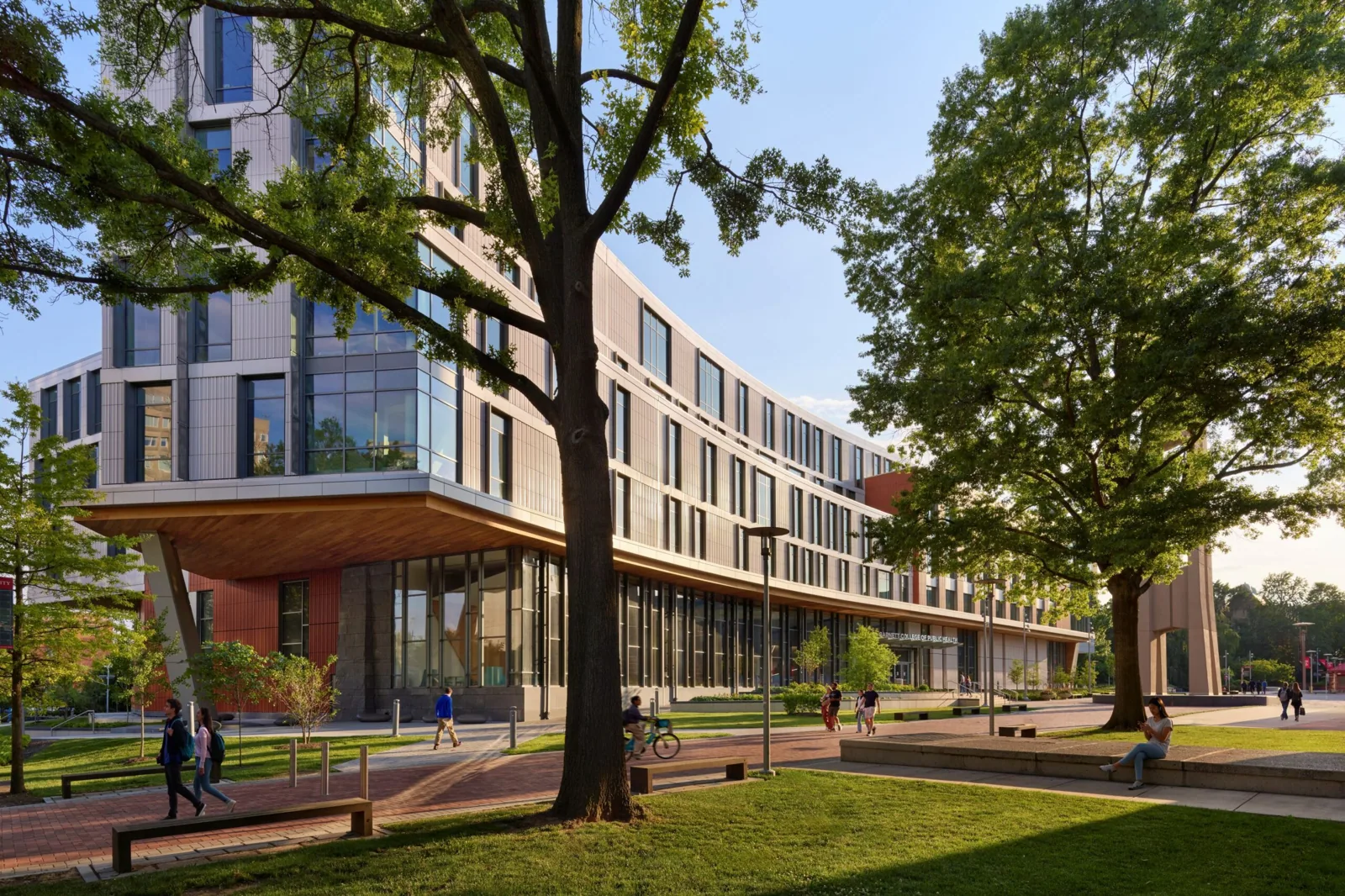
Gray hosts a Northeast State Community College extension campus, and a college site has a calendar that roofing has to respect: terms, exam weeks, evening classes and events. Roofing near teaching space is noisier than most trades, so we ask for the schedule early and place tear-off in the weeks and hours when classes are lightest. Summer and between-term breaks are the easiest windows, and materials are ordered so that the work is finished before the next term opens.
The same principle applies to any educational or institutional owner. A college roof or a school roof carries a fixed turnover date, and the schedule works backward from it. We state the lead time on insulation, membrane and metal accessories, the permit review period and the weather buffer, so the owner can see the date by which each order and approval has to be in.
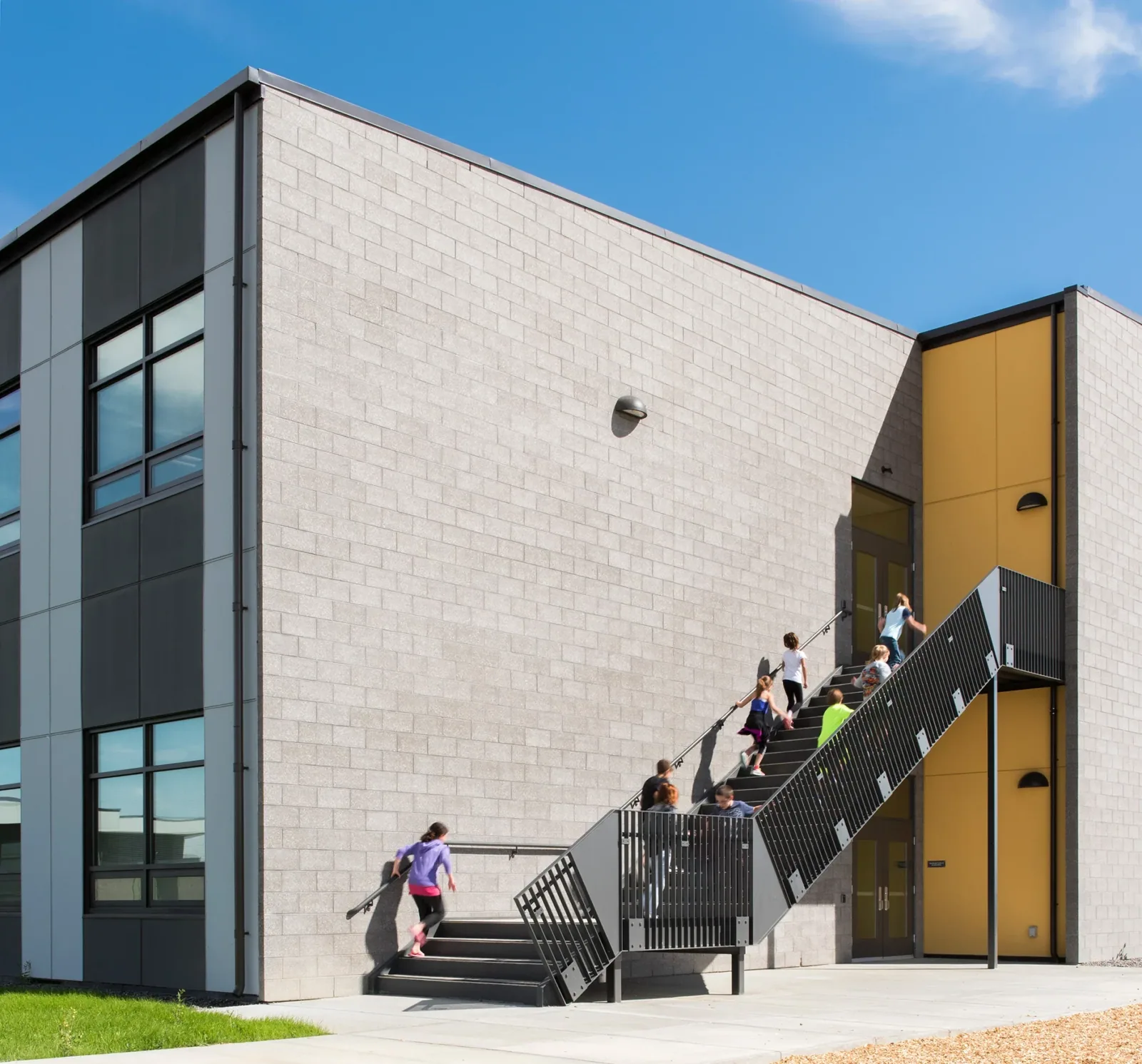
Safety near students and staff sets the layout of the site: fenced work zones, separate paths for pedestrians and a defined route for trucks. The foreman reviews it each morning with the facility contact.
Options and What Moves the Price
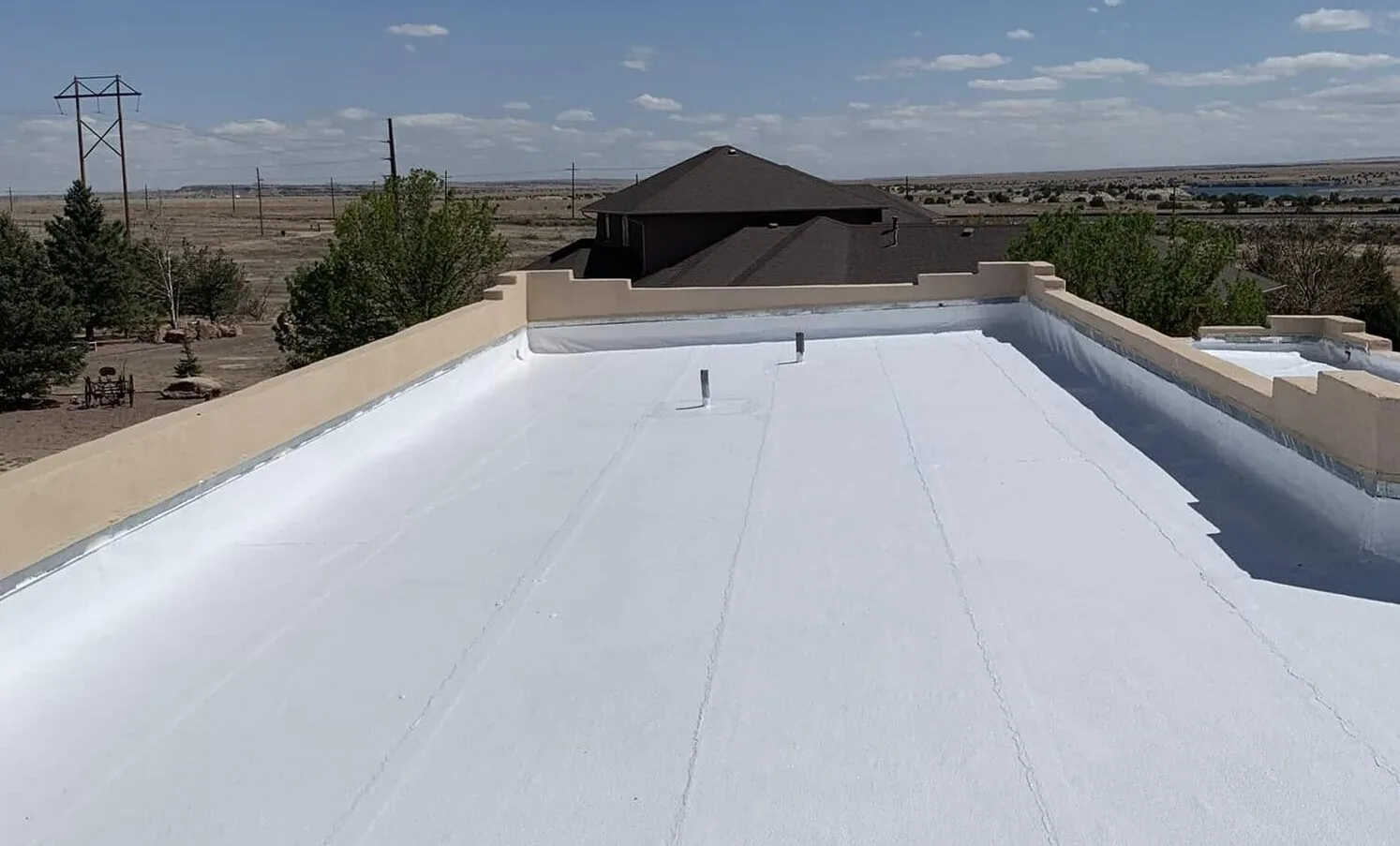
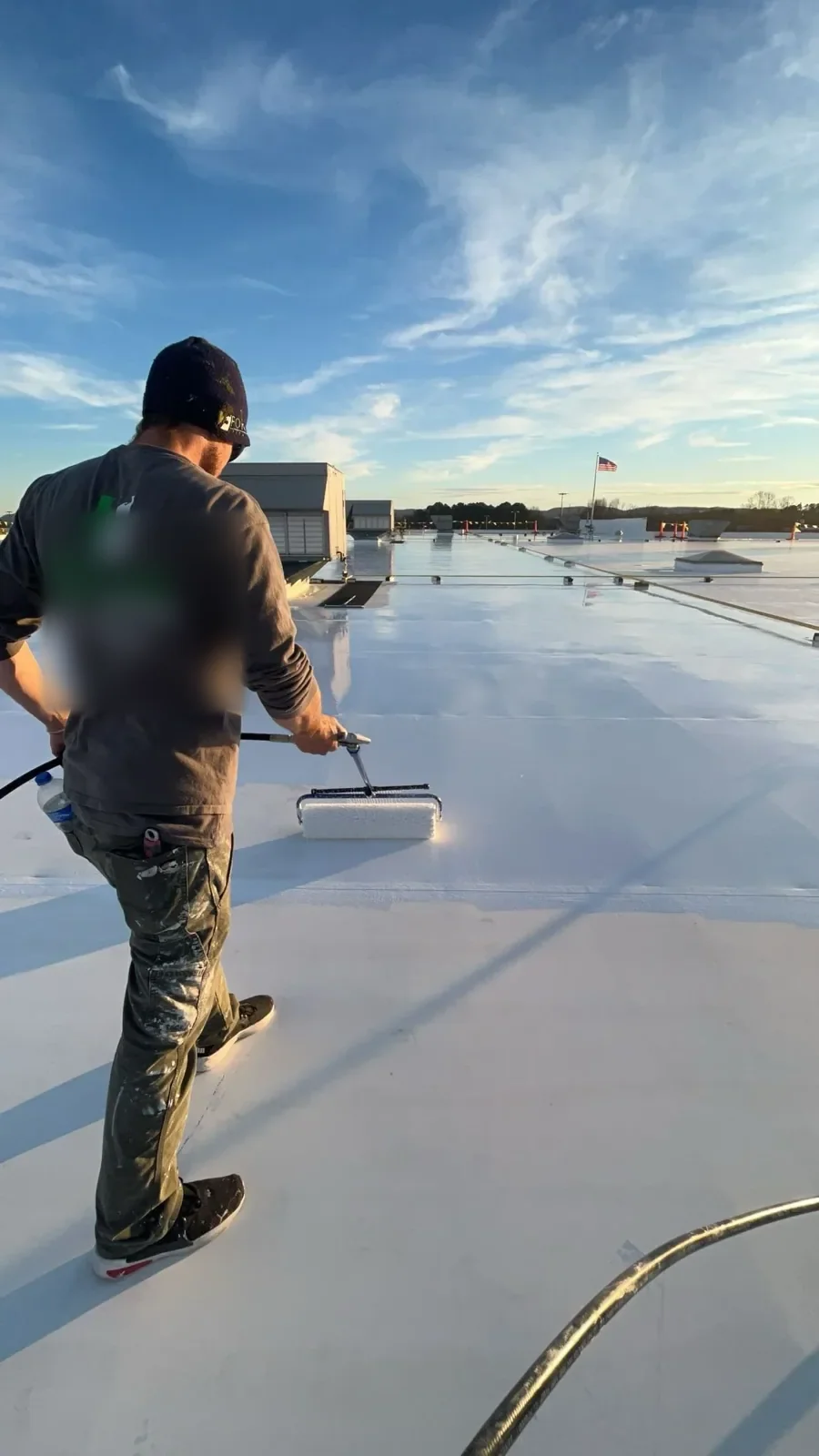
A written scope gives the owner choices with prices. Cost moves with the condition of the insulation, the number of curbs and penetrations, the amount of edge metal, the access needed for materials and the lead time on the membrane. A roof with dry insulation and sound seams may be restored with a coating system. Where the insulation has taken on water, those areas are cut out and replaced, and the scope gives their area and cost.
The decision usually turns on how long the building will be in service and whether the owner has a lease, financing or capital calendar that sets the horizon. We show the cost per year of service for each option, so a short horizon does not get a long-life price and a long horizon is not asked to accept a short-life patch. The owner sees those figures before signing, with the assumptions listed, so a later change in scope can be traced to a specific line.
Weather Buffer, Permit and Records
Washington County, where Gray sits, is named in NWS Morristown thunderstorm warnings that cite 60 mph gusts and hail. The daily plan answers with a closing time, ballast and tarps sized to the open area, and a walk of the roof after any warning. Temperature matters too: Kingsport, TN, has logged lows near minus 18 F, and cold mornings push adhesive work later in the day.
The office with jurisdiction over a Gray property issues its permit, and we confirm which one before submittal. Kingsport's model of stamped drawings plus a PDF, with a state license above $25,000, is the standard our paperwork meets. Closeout gives the owner a punch list with sign-off, photographs, warranty documents and a roof plan carrying the date, in a format that works the same way for buildings in Johnson City and Fall Branch.
Commercial Roofing Questions
How do you handle deliveries near an interstate interchange?
We drive the approach, photograph the entrance, note overhead lines and pick an arrival window outside peak traffic. The truck is met by a spotter at the lot, and a second delivery waits until the first has been lifted so no loaded truck sits on the shoulder.
How can an owner tell whether an earlier roof sits under the current one?
Core cuts show the layers. A cut through the membrane, insulation and deck reveals how many roofs are stacked, whether the insulation is dry and what the deck is made of. We take them at spots selected from the moisture survey, so the cuts also test the suspect areas.
What is the best time of year for roofing near a college extension campus?
Between terms and in the weeks with the lightest class load. We ask for the academic calendar, set tear-off in the quietest period and order material so that the roof is dry before the next term begins.
Does a tie-in between two phases of a building need special flashing?
Yes. The two roofs may differ in height, membrane and drainage, so the transition gets flashing built for both. We check how water crosses the joint and whether a scupper or saddle is needed to carry it away.
Which costs more over time, a coating or a new membrane?
The building's remaining service life decides. A coating on a dry, sound roof costs less up front and extends life, while a new membrane costs more and lasts longer. The scope shows the cost per year of service for each, with the evidence that supports it.