Summer break is the window every school reroof is scheduled toward, because it is the only stretch long enough for a tear-off and the date it opens decides every other date. We ask the facilities director for the last day of classes, the first day staff return and any summer programs that keep a wing occupied. The procurement schedule and the permit submittal are then counted backward from the day the crew mobilizes.
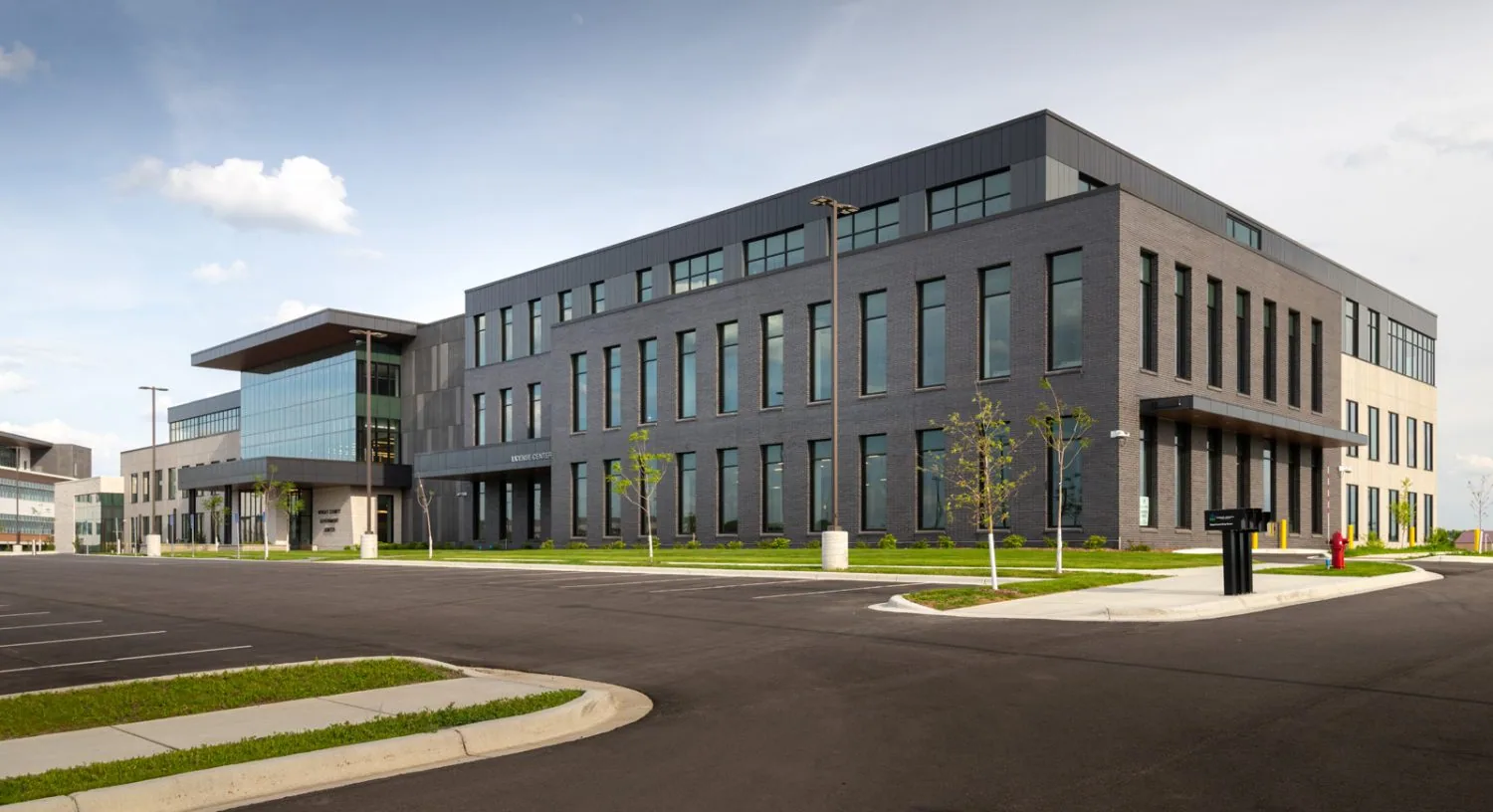
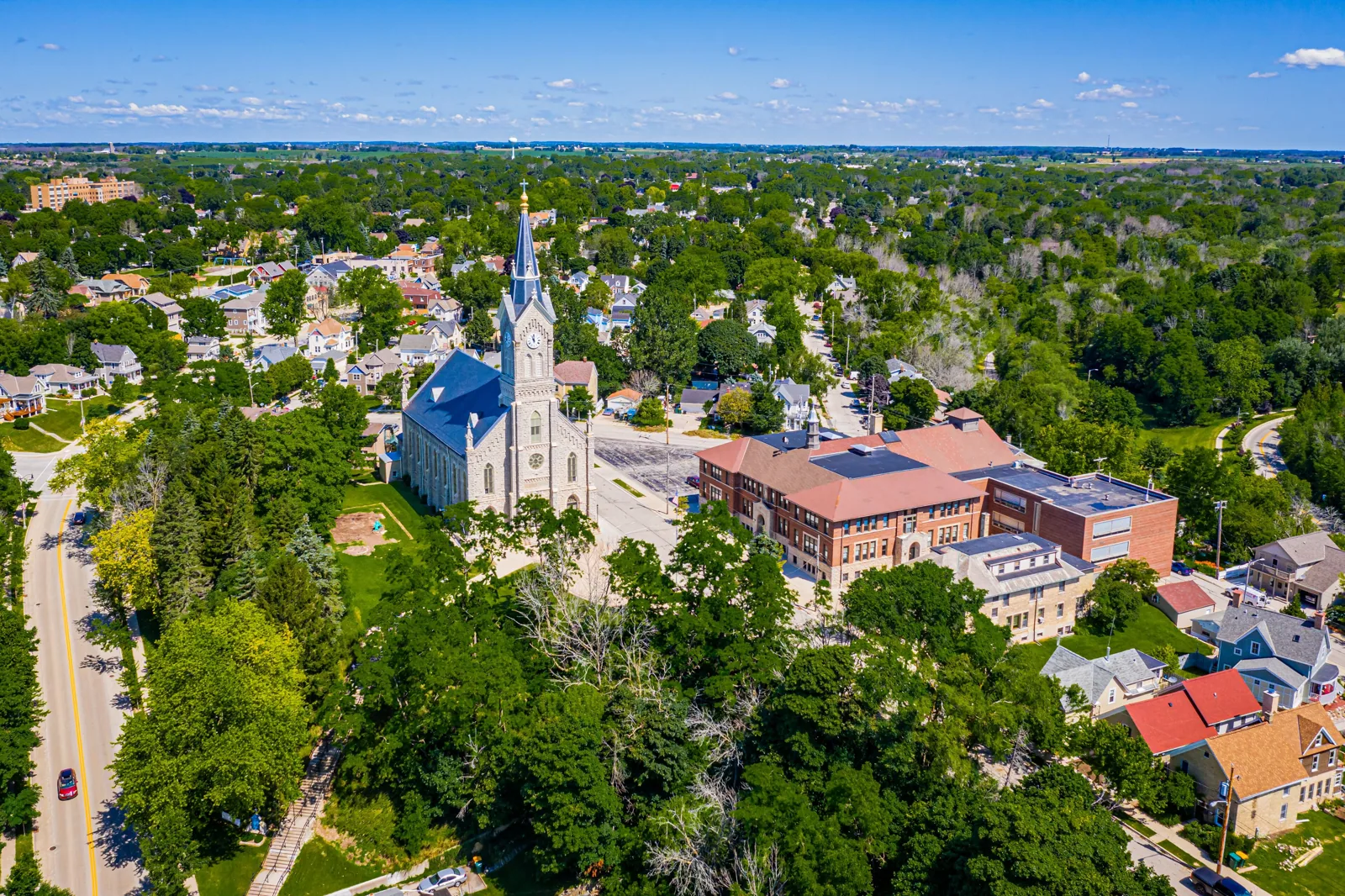
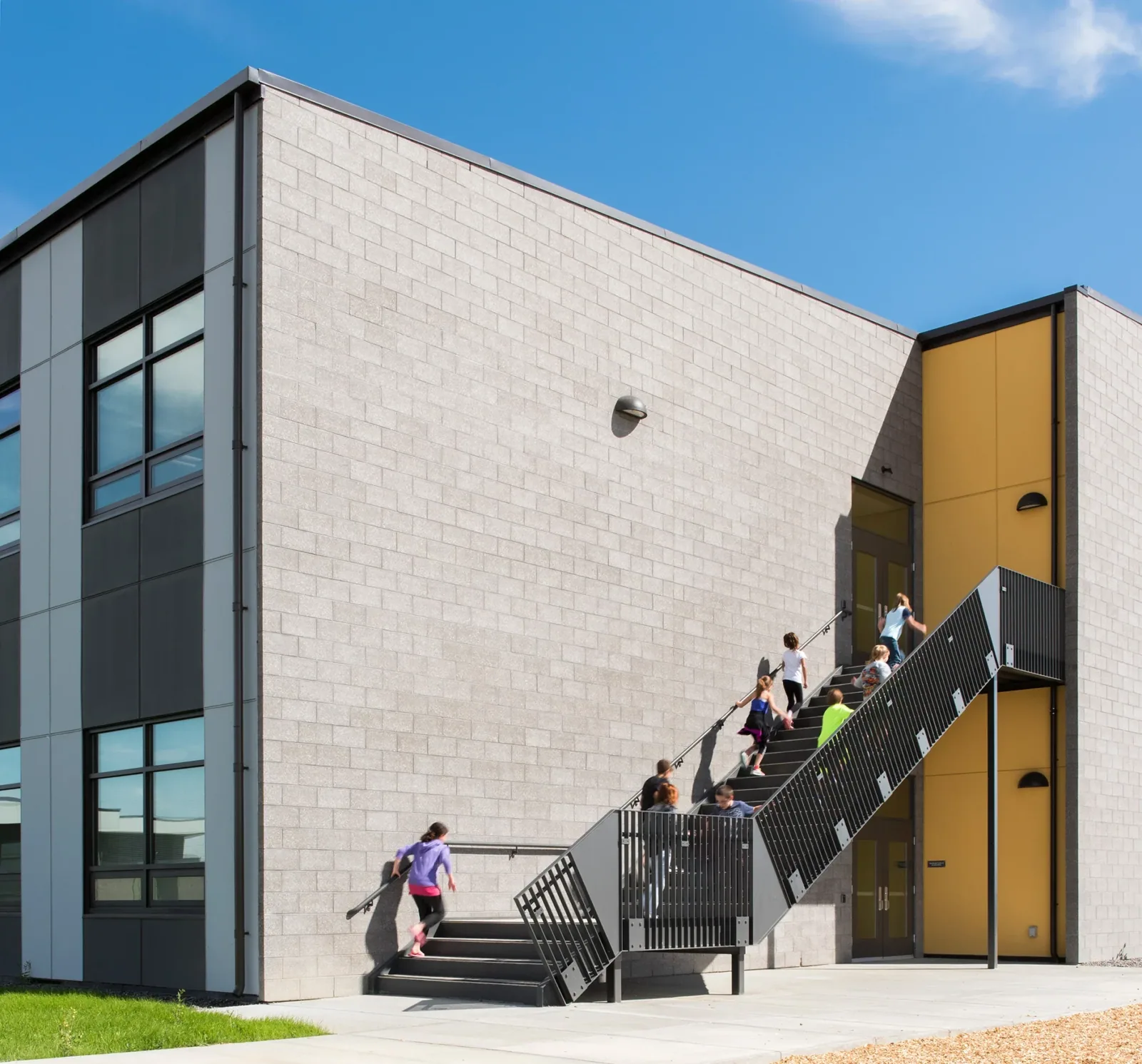
Kingsport City Schools is among the city's largest non-industrial employers, and a school in Church Hill, Mount Carmel or elsewhere in the region works from an academic calendar like this one. A K-12 roof is a long, low-slope or mixed-slope surface over classrooms, gyms, cafeterias and corridors. The sequence fits that mix and ends with a dry building before the first bell. A district office, a bus garage or another government building on the same bid follows the same steps with a different set of dates.
Academic Calendar and Procurement Lead Time
A public school job often begins in the winter, with a bid in spring and an award that leaves only weeks to order material. We build the schedule backward from the last day of classes and flag every date that cannot slip: bid opening, award, submittals, permit, material delivery and mobilization. If lead time is tight, we recommend ordering long-lead items first. Metal edge profiles, special flashings and large membrane orders are the usual long-lead items, and the district can approve them ahead of the full award if the bid documents allow it.
The calendar also shows the school's fixed dates, such as graduation, testing days and summer programs. Roof sections over those spaces are placed after their events or before. If an event falls inside the work window, the plan moves the crew to another wing for that week and returns afterward. The principal receives the revised sequence in writing, and the custodial lead learns which corridors and doors are affected.
Student Safety, Background Checks and Site Control
The work area is fenced, signed and separated from every route used by students, staff or visitors. Crew members meet the district's background-check and badge requirements before they step on the property, and the foreman keeps a sign-in log. Deliveries arrive outside arrival and dismissal times. Bus lanes and pickup routes stay open, and the crane, if one is used, works only when no students are in the fenced zone.
During the school year, any roof task is limited to the hours when students are away from the work area or to weekends. Noisy tasks are scheduled for after-school hours. The district approves the staging area, the haul route and the crane pick location, and the plan names a single contact for the principal's office.
Summer programs, athletic practices and community events can keep parts of a campus active, so the principal's office receives the weekly plan on Friday and confirms which entrances and parking areas are in use. Where a bus route passes the work zone, the district's transportation office gets the same plan.
Materials Survey, Deck and Moisture Findings
Before tear-off, the district's survey of existing materials is reviewed, and any gap is closed before the first cut. If a building's age or records leave a question, testing precedes removal. A moisture scan and a handful of cores show where insulation is saturated, and the deck is probed for rust and rot. The results become a quantity list priced at unit rates.
The survey also records each rooftop unit, each skylight and each drain. A gym or a cafeteria roof may carry large exhaust fans, and those curbs are inventoried before the plan is finalized. The summary is sent to the district before the award, so the scope is understood by everyone who signs it. Hidden conditions found at tear-off are then quantities against the unit rates, not new negotiations.
The survey also notes athletic and auxiliary buildings, such as concession stands, press boxes and bus garages, which are often reroofed in the same project to take advantage of one mobilization. Each has its own access and its own calendar, and the plan treats them as separate sections with their own dry-in lines.
Tear-Off Sequence by Wing
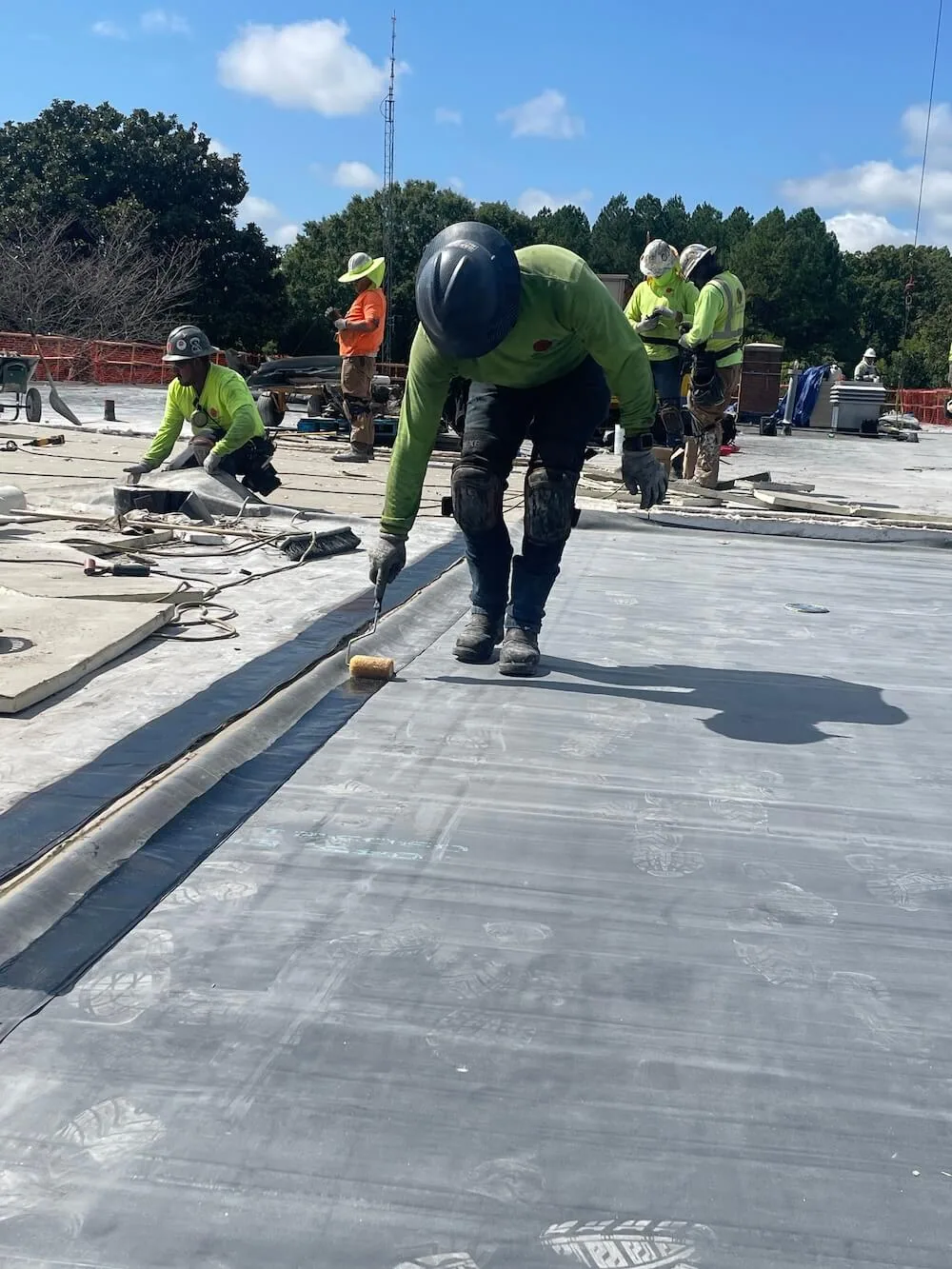
Work proceeds wing by wing, and each wing is cut into sections the crew can dry in daily. A replacement strips each wing back to the deck, makes the repairs and then lays insulation, cover board and the new membrane. A recover leaves the old system in place after a moisture check and adds a cover board.
Gyms and cafeterias have the highest ceilings and the longest spans, so they start early, which leaves time to deal with any surprise. A seam probe and a photo finish every section, and the district's representative signs a daily log listing the section, the weather, the crew count and any change. Debris comes down by chute inside a fenced zone.
Permit Submittal and Inspections
For a school, the permit clock starts the day the award is signed. A commercial filing in Kingsport is a sealed plan set with a PDF copy, and we assemble it from the survey results while the district's purchasing office finishes its paperwork.
Inspections go into the phasing plan as hold points, and the district receives a copy of each approval for its facility file.
Weather Windows and Summer Storms
Summer storms are the main threat to a break-season job, so the schedule carries a rain buffer for every week of the break.
A school roof has a stand-down plan and a daily forecast check. Open sections are covered before a storm and the crew leaves. Because an afternoon storm can follow a clear morning, the foreman reads the radar at midday and again before the last section is opened.
Closeout Before the First Bell
Closeout begins two weeks before classes. The crew finishes the last section, clears the punch list and holds a final walk with the facilities director. Drains are flushed, rooftop units are checked and the custodial lead receives a map of every roof drain and access point.
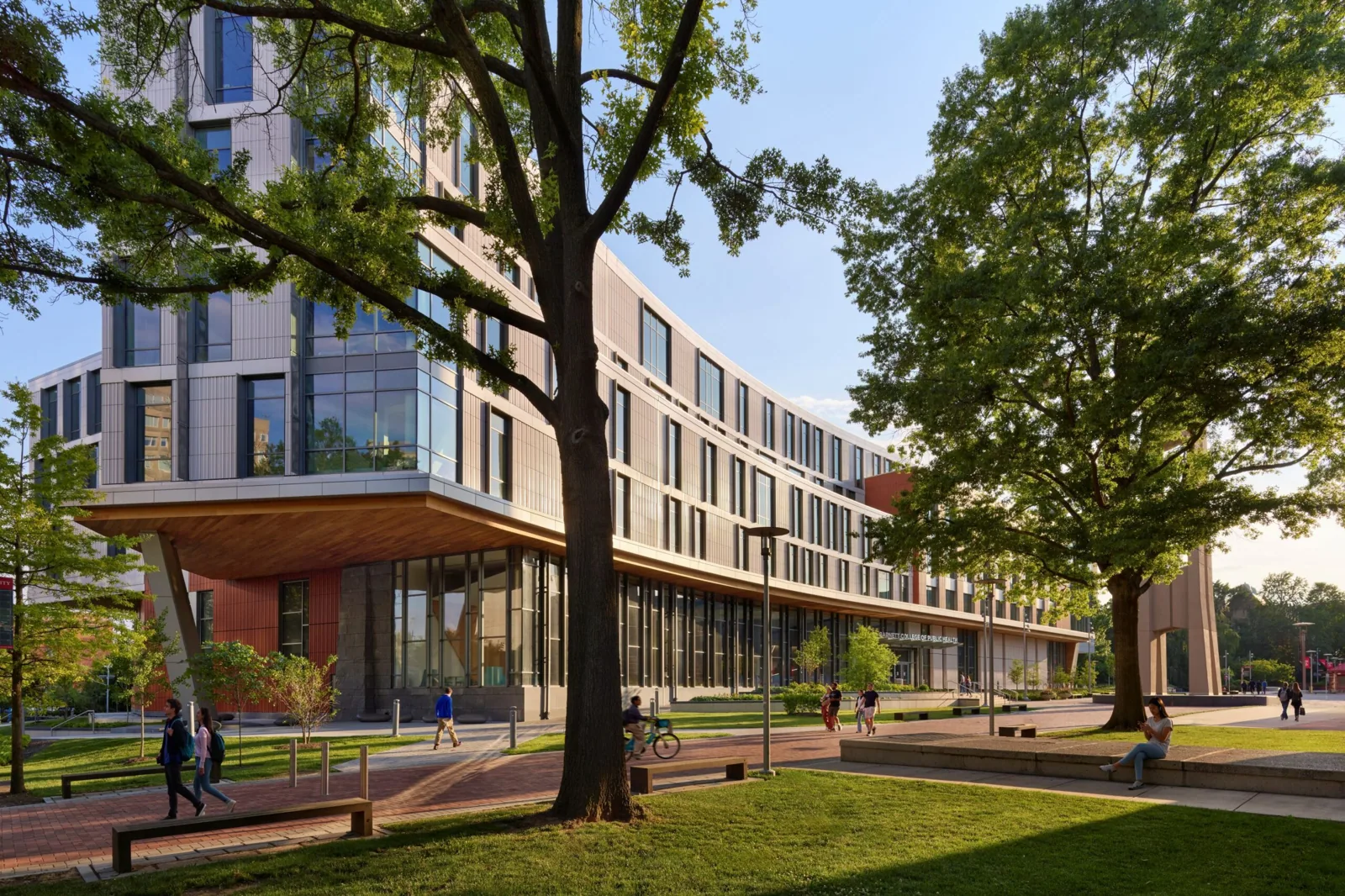
The district's file gets the as-builts, the material data, the inspection record and the upkeep steps. A college campus uses the same plan with a different calendar, and a school in Church Hill or Mount Carmel gets the same file.
Commercial Roofing Questions
Can a school roof be replaced in one summer?
Usually, if the award is early and material is ordered on time. Large campuses are phased by wing across two summers, with the wings over gyms, cafeterias and classrooms ranked by condition. The plan shows which sections finish each year and keeps every occupied area dry.
What if work must continue during the school year?
Limited tasks can continue after hours or on weekends. The district approves each one, and the work area is fenced and separated from student routes.
How are crew members vetted?
Names go to the district in advance, background checks and badges are completed and the foreman keeps a daily sign-in log. Anyone not on the list does not go on the property.
What if the summer storm season delays the job?
A buffer is built into the schedule, and the crew works in sections that dry in each day. A warning day stands the crew down, and the revised date is sent to the district.
What should the district send for pricing?
The academic calendar, the bid schedule and the materials survey come first. Once the site plan and roof access points arrive, the phasing plan gets written and only then does a price follow.