A spray foam job starts with the weather window, because foam cures correctly only on a dry deck, in moderate temperatures and in low wind. Everything else on the schedule hangs from that. Rain reaches Kingsport, TN on roughly 133 days a year, so the spray days are planned around a forecast, not a calendar.
The sequence then runs in order: prepare the substrate, mask the surroundings, spray the foam in lifts, trim the details, apply the coating and inspect. Every step waits on the one before it, and several of them wait on the sky.
Substrate Survey and Preparation
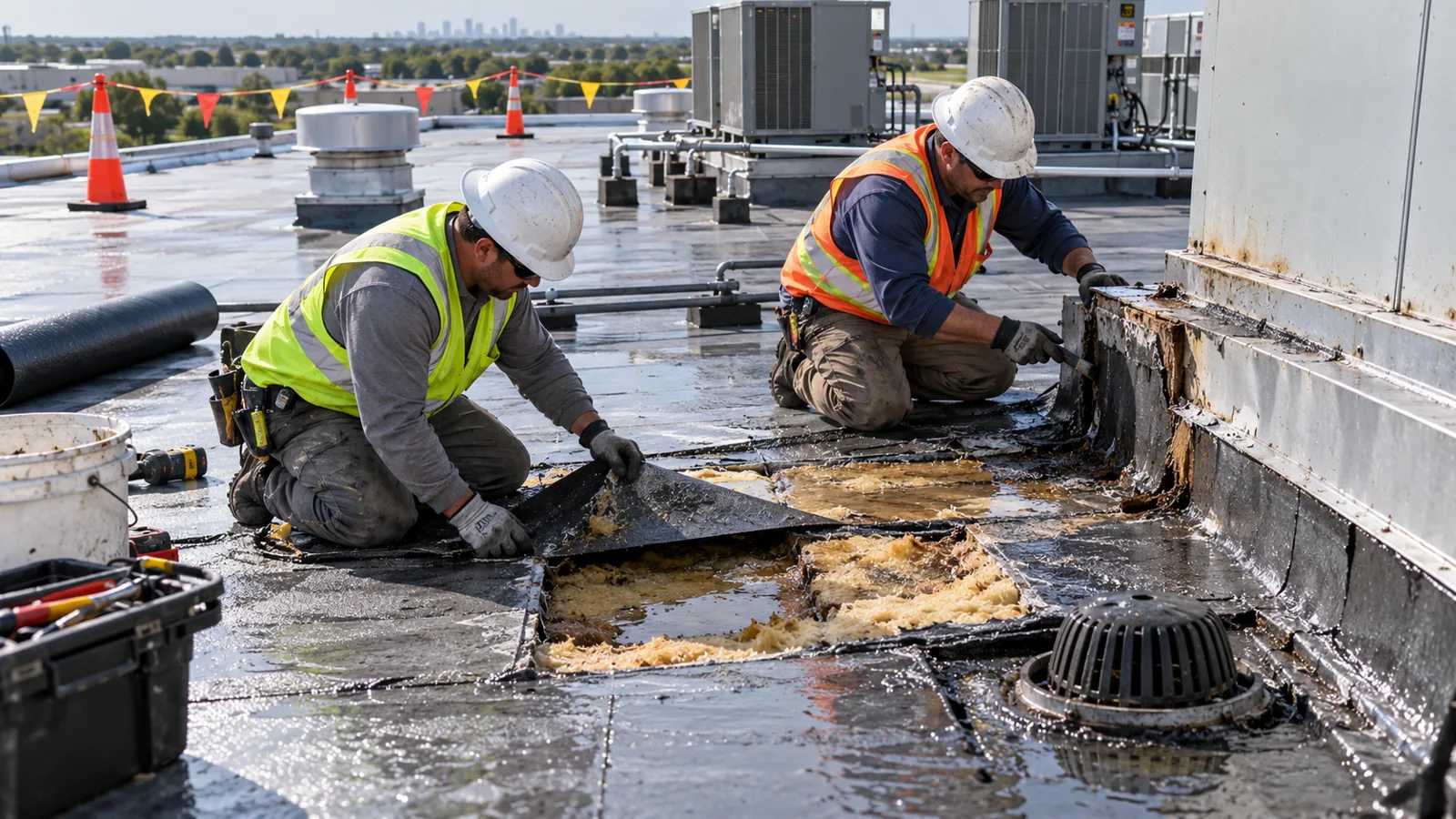
Foam bonds to a clean, dry, sound surface. We cut cores and run a moisture scan to find insulation or deck that has taken on water. Wet areas are removed before spraying, because foam sprayed over water traps it. Loose material is swept, rust is treated and the deck is dried.
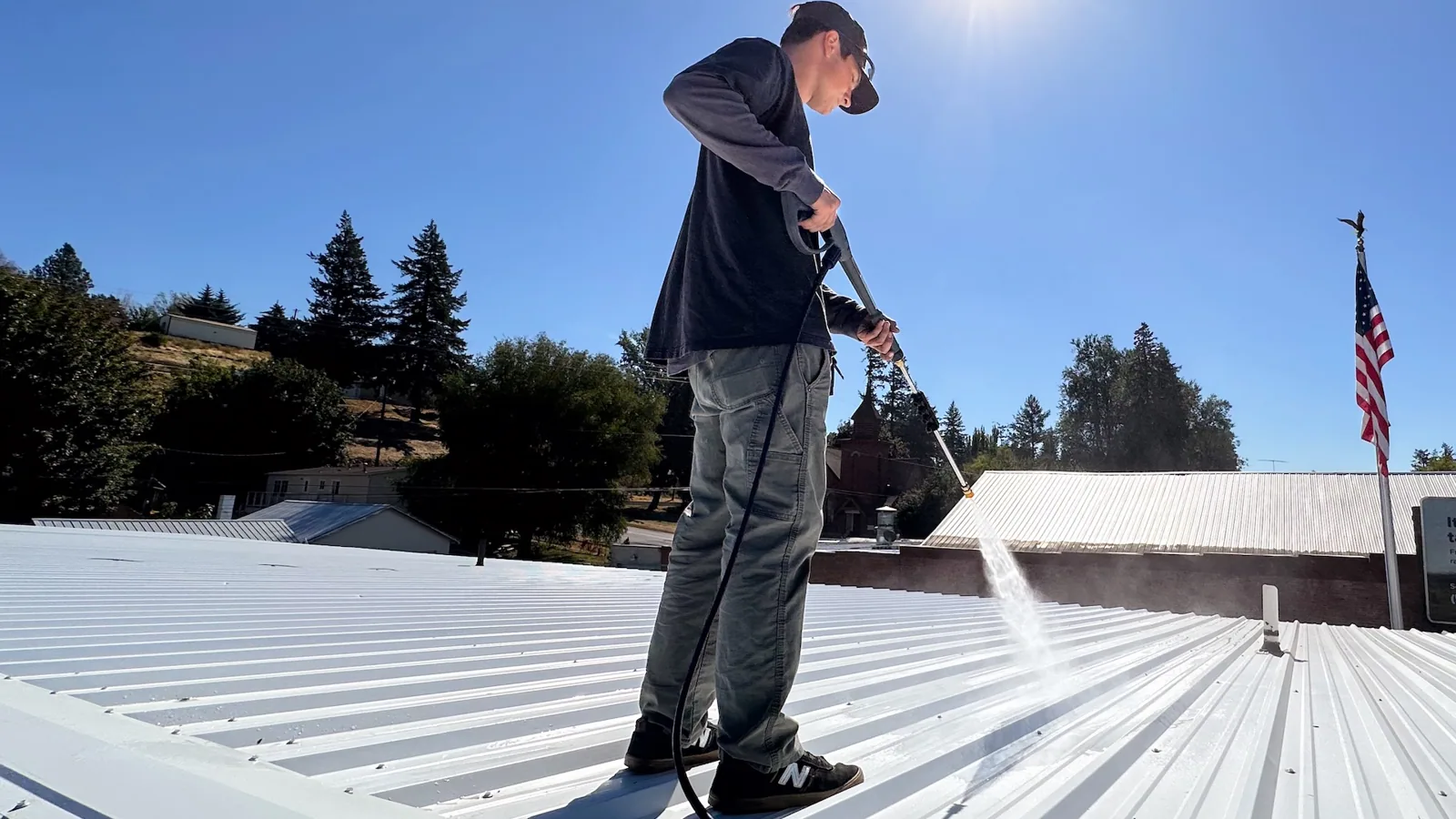
Preparation is the longest labor item. Existing roofs are power-washed or scarified, depending on the system, and left to dry. In damp weather the drying step takes days. The phasing plan includes it, and the crane or hoist date does not move up until the surface passes a dryness check.
Retail corridors raise their own preparation questions. The Stone Drive corridor carries retail traffic where U.S. 11W and U.S. 23 intersect in Kingsport, and a roof there may share a parking lot, a service drive and a neighbor's air intakes. We walk the site with the property manager and mark which lots close, which entrances stay open and which tenants need notice on spray days.
Masking, Overspray Control and Wind Limits
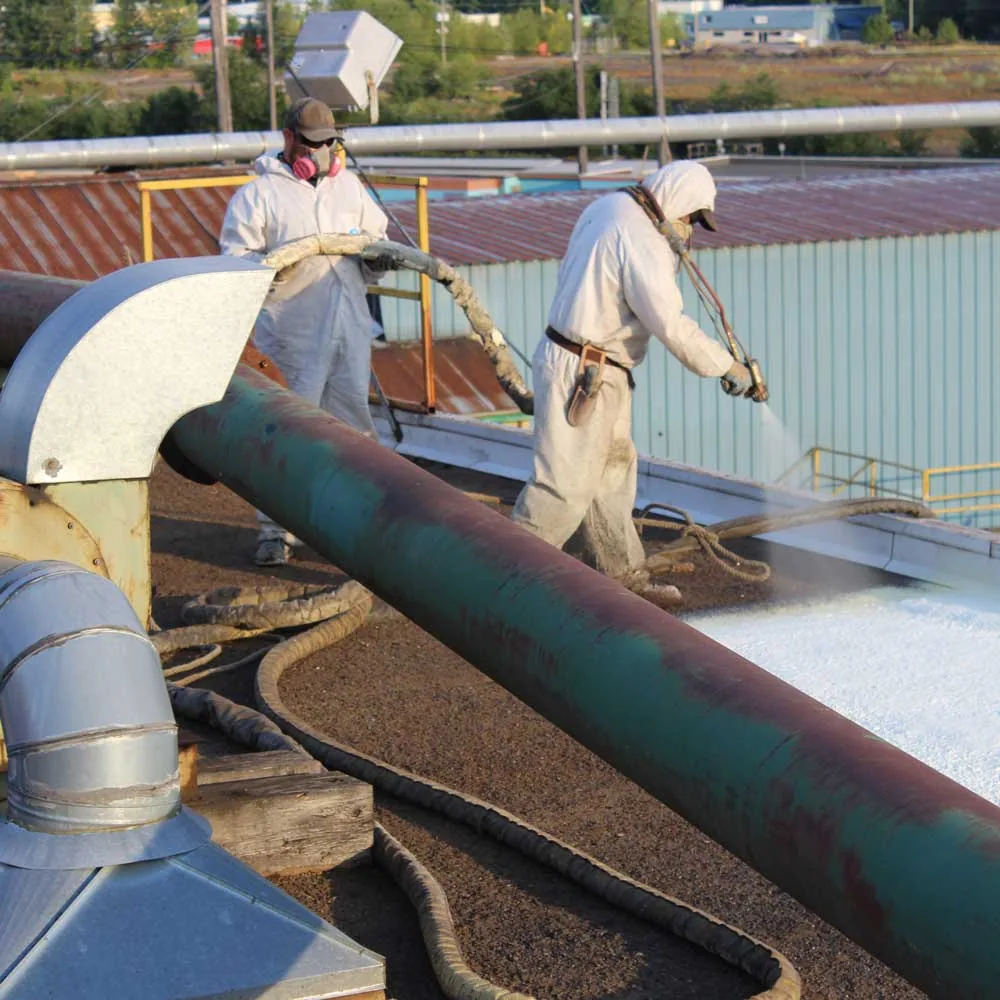
Foam is sprayed as a liquid that expands and cures in seconds. Wind carries mist, and mist lands on cars, windows and neighbors. We mask walls, openings and air intakes, close the building's intakes where possible and set up a wind limit with the general contractor. When gusts exceed the limit, spraying stops.
Morristown has named 60 mph gusts in county warnings, and warm-month thunderstorms are the storms behind them. We spray early in the day, watch the forecast and keep a tarp-and-dry on the roof. Parking lots below the work are closed or covered, and the haul route for rig and drums avoids entrances and docks.
Spraying in Lifts and Checking Thickness
Foam is applied in passes called lifts, each a fraction of the final thickness. The crew sprays a lift, lets it cure briefly and checks thickness with a gauge. Low spots get extra material so the surface slopes to drains. High spots are trimmed. The finished foam has a textured surface, and the crew inspects for voids, soft spots and blisters.
Thickness readings are logged by area with a photograph. A foam roof that is too thin loses insulation value and is easier to puncture. One that is too thick wastes material. The specification sets the target, and the log shows the result. Any area outside the range is corrected before the coating goes on.
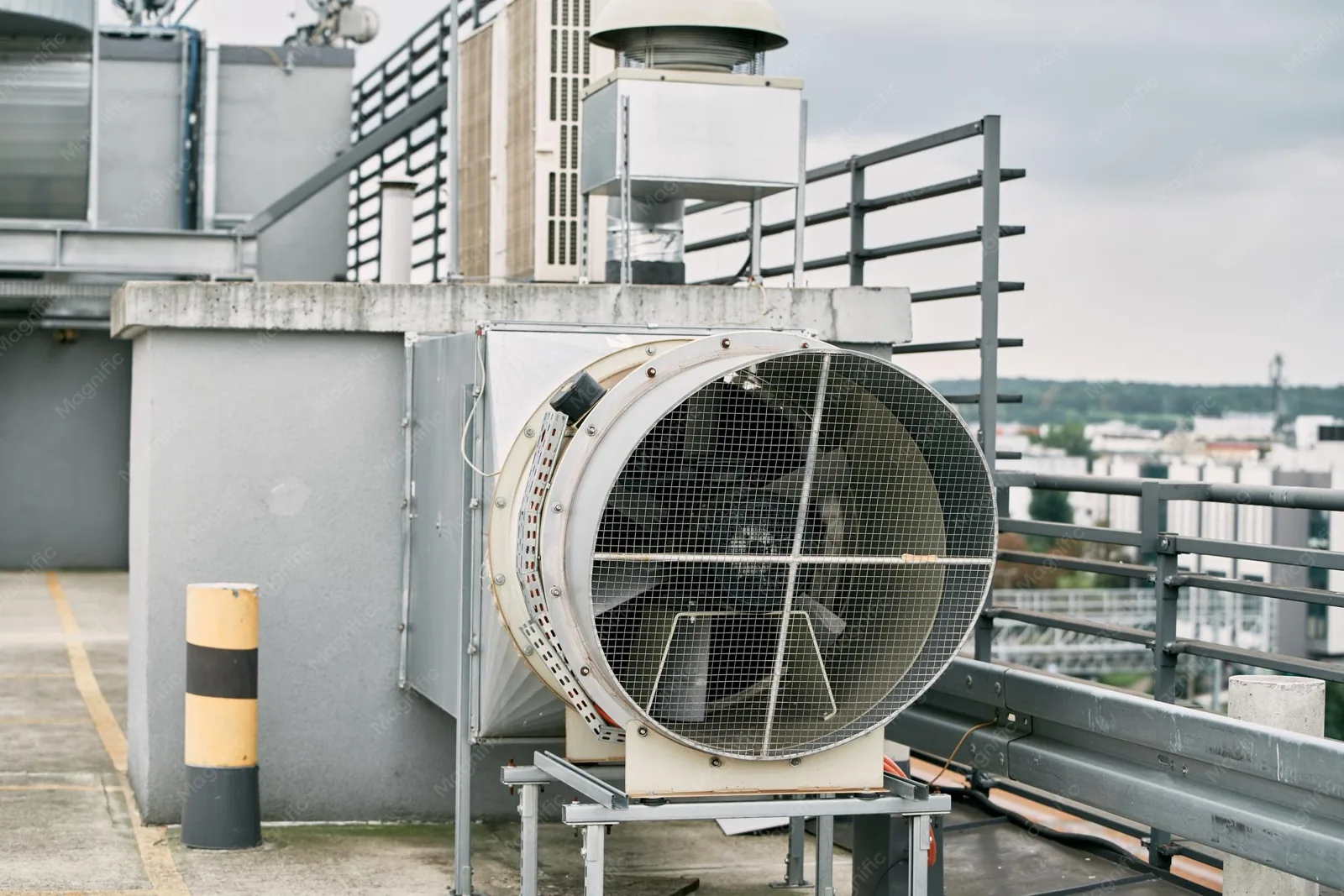
Equipment on the roof gets protected before spraying. Fans, vents and stacks are masked or removed, and openings are covered. Foam sprayed into a vent or onto a fan blade is a repair that nobody wants. The crew photographs each protected item before and after, and the mechanical trade signs off that the units are clean. If a unit must keep running, the plan names the filter change and the intake closure.
Coating, Granules and Details
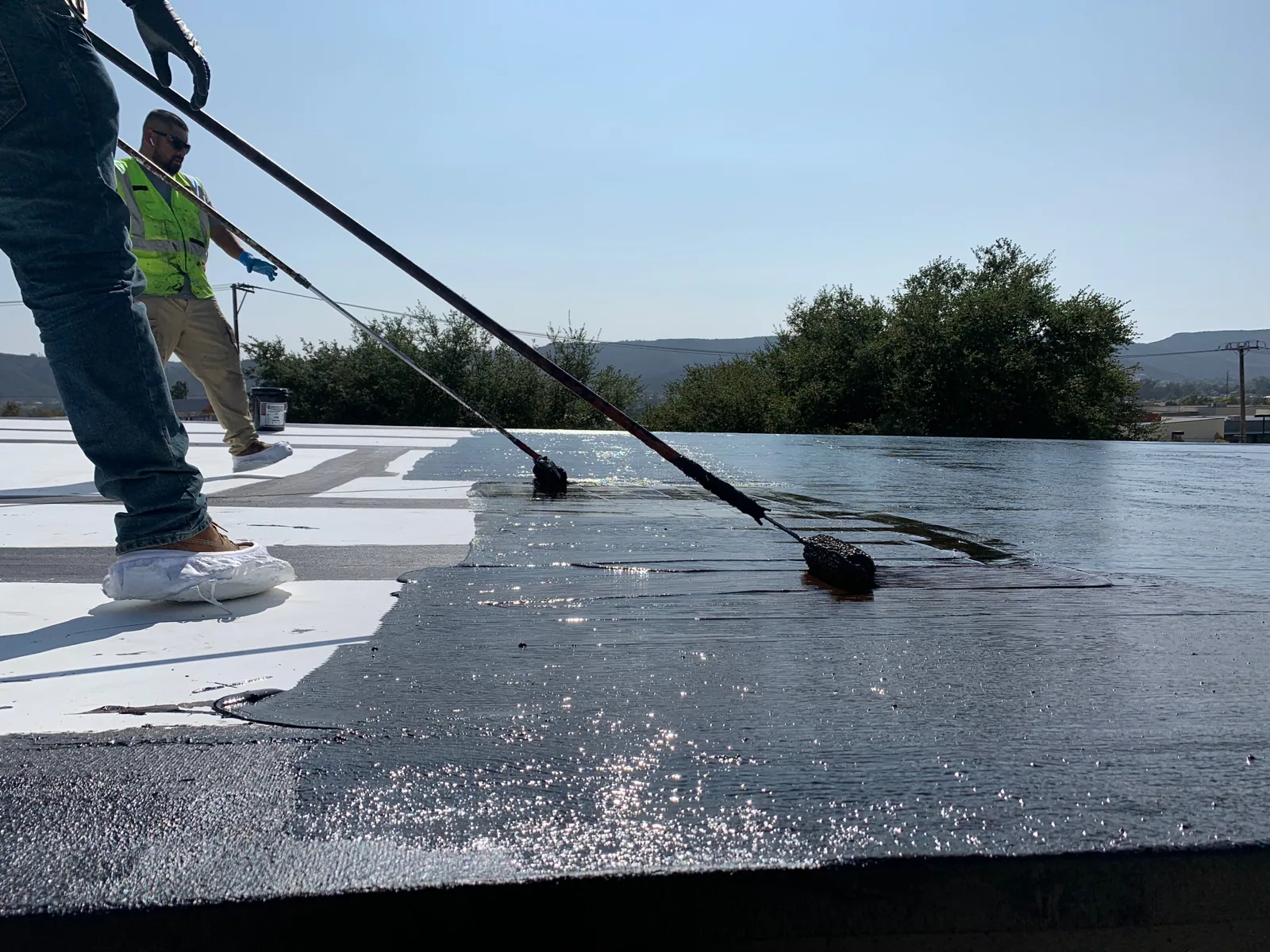
The foam must be protected by an elastomeric coating within a short time after spraying, because sunlight degrades bare foam. The coating is applied in coats, often with granules in the final coat for abrasion resistance, and the coats are timed so each one cures before the next goes on. Thickness is measured at sample points, and the log records coverage per square.
Details are finished by hand. Edges, curbs, drains and penetrations get reinforcement, extra foam or sealant. The equipment curb work follows the same order as on other systems, and the drain work is checked before coating, so water has a clear path.
Insulation Value, Energy Code and Permit
Foam is insulation as well as waterproofing, so the thickness can be set to meet the energy code value. Reroofing in Kingsport is reviewed against the building and energy codes whose 2024 editions the department posts on its contractor page. A commercial filing there is a stamped plan set with a PDF.
On a contract above $25,000 the contractor holds a Tennessee license and files workers' compensation and liability certificates. The permit package goes in when materials are ordered, the energy calculation rides with it and the foam thickness is shown on the plans.
Phasing Around Plants, Hospitals and Retail
Kingsport's largest employers include Eastman Chemical, Holston Valley Hospital and BAE Systems, and the city has more than 30 mixed-use centers. Sites like these set quiet hours, intake protection, hot work rules and delivery windows, and the spray plan follows them. Foam gives off odor during application, so the plan names the intake closures and the notice to occupants.
Heat is a scheduling factor too. Kingsport has recorded highs of 104 F, and a hot deck can flash-cure foam in uneven layers. A cold deck, with lows near minus 18 F on record, slows curing and weakens the bond. The spray window falls in the milder hours of the day, and surface and air temperatures are logged before each lift begins.
A cold storage roof may suit foam because of its insulation value. A retail center may need night spraying. The plan places each bay in a window and lists the person who can stop the work.
Closeout and Punch List
The closeout walk puts the superintendent on the roof with us. Foam thickness, coating thickness, details and drains are checked against the plan, and every unfinished item gets an owner and a due date. The package holds the foam and coating thickness logs, the weather log, photographs and the warranty file. A silicone coating is a common protective layer, and an acrylic coating is the lower-cost option. A downtown Kingsport owner sends the same list.
Commercial Roofing Questions
Why does weather control a foam schedule?
Foam must be sprayed on a dry deck, in moderate temperatures and in low wind. We recommend building the schedule around forecast windows, with spare days written in, since wet days outnumber dry stretches often enough here to decide the calendar.
What happens if wind picks up mid-spray?
Spraying stops. Wind carries mist onto cars, windows and neighbors. We recommend setting a wind limit with the general contractor before the first day. Gusts in severe thunderstorm warnings here have reached 60 mph.
Can foam be sprayed over an existing roof?
Sometimes, if the existing roof is dry, sound and clean. We recommend cores and a moisture scan first. Saturated insulation under the old roof must be removed, since foam over water traps it.
Why is the coating applied so soon after spraying?
Sunlight degrades bare foam. We recommend scheduling the coating the same day or the next, depending on the product. The thickness log records both the foam and the coating, so any thin area is corrected quickly.
How is foam thickness verified?
With a gauge, at sample points, with readings logged by area and photographs. We recommend writing the thickness log into the contract as a deliverable, so the owner holds a record of what was installed and where.