An industrial roof in Duffield begins with the shift calendar. The LENOWISCO commission chose Duffield in the 1960s as the site for a regional industrial park and trade center, and the town's economy depends on it. A roof job on an industrial building in the park is a guest on a production schedule. We ask for the shift pattern, the maintenance shutdown dates and the plant's rules for outside contractors before we ask for drawings.
Those answers set the phasing: the section that opens first, the section closed before the shift ends and the point where the crew passes the roof to the night shift or to the next morning.
Contractor Rules, Hot Work and Gate Procedure
Manufacturing plants set their own entry rules for outside crews, and those rules shape the roof plan. We collect the orientation requirements, the badging process, the lists of prohibited items and the hot work permit procedure ahead of mobilization. Anyone who will be on the roof completes the plant's orientation before the first day, so nobody waits at the gate with a truck full of material. If a worker is added later, the foreman confirms the orientation is complete before that person climbs a ladder.
Hot work gets a permit every time. Torch-applied membrane, cutting or welding near a roof opening needs a fire watch, an extinguisher on the roof and a clear distance from stored product, dust and combustible insulation. Where the plant bars open flame, a heat-welded or cold-applied system replaces the torch, and the options table prices the swap.
Inside the building, ceiling protection and a clean-zone plan are part of the roof plan when production sits directly below. Dust and debris from tear-off can contaminate product, so we agree on how it is contained before the first section opens.
Park Occupants and Roof Scopes
Tenants listed for the park in the past have included Tempur-Pedic, Virginia Fiberglass, Gilbert Lumber and Cumberland Glove. What any of those buildings carry overhead is for the walk to establish. The first walk, a thorough commercial roof inspection, records the membrane or panel type, the seams and flashings, the drainage and the equipment penetrations, and each finding is tied to a photograph.
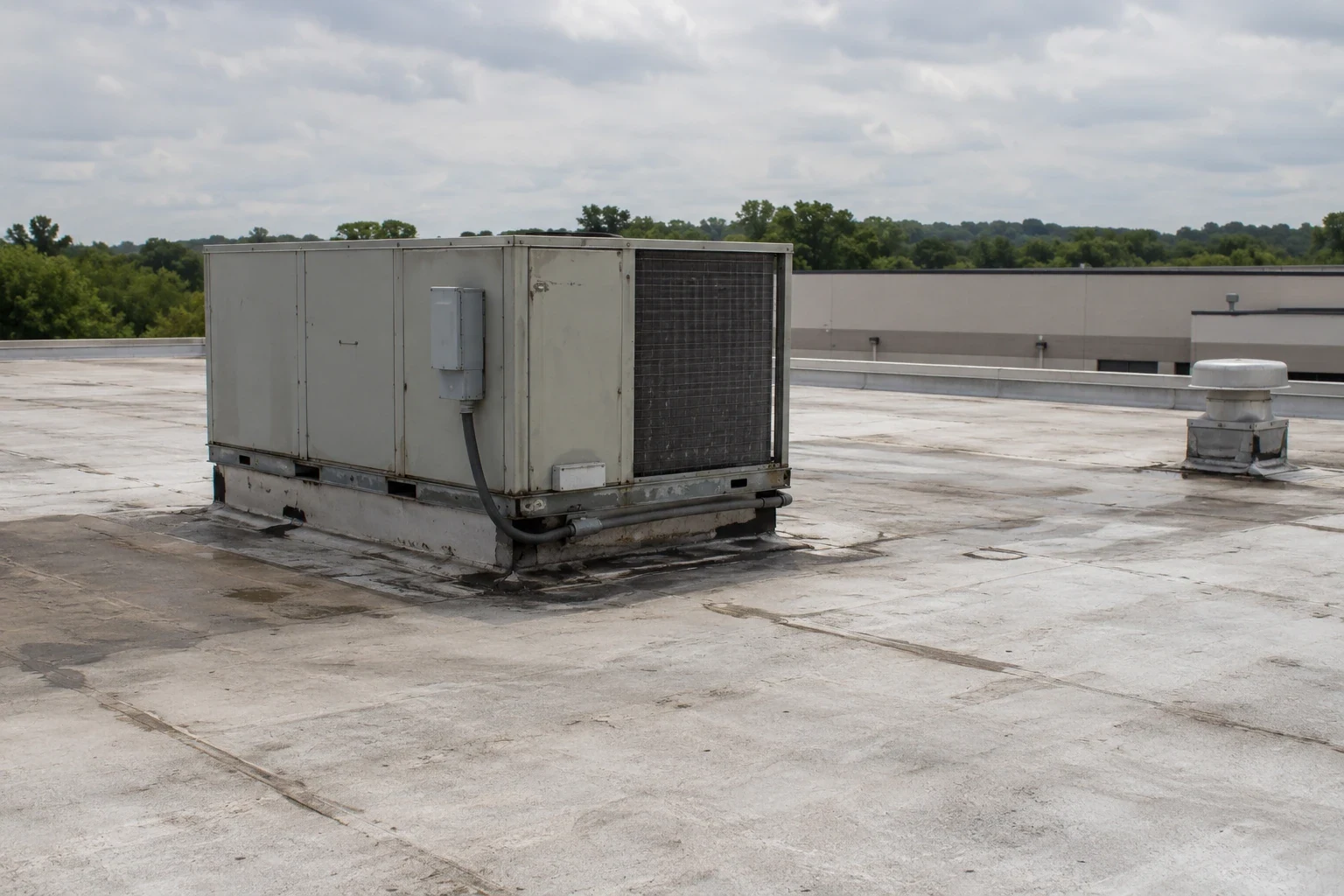
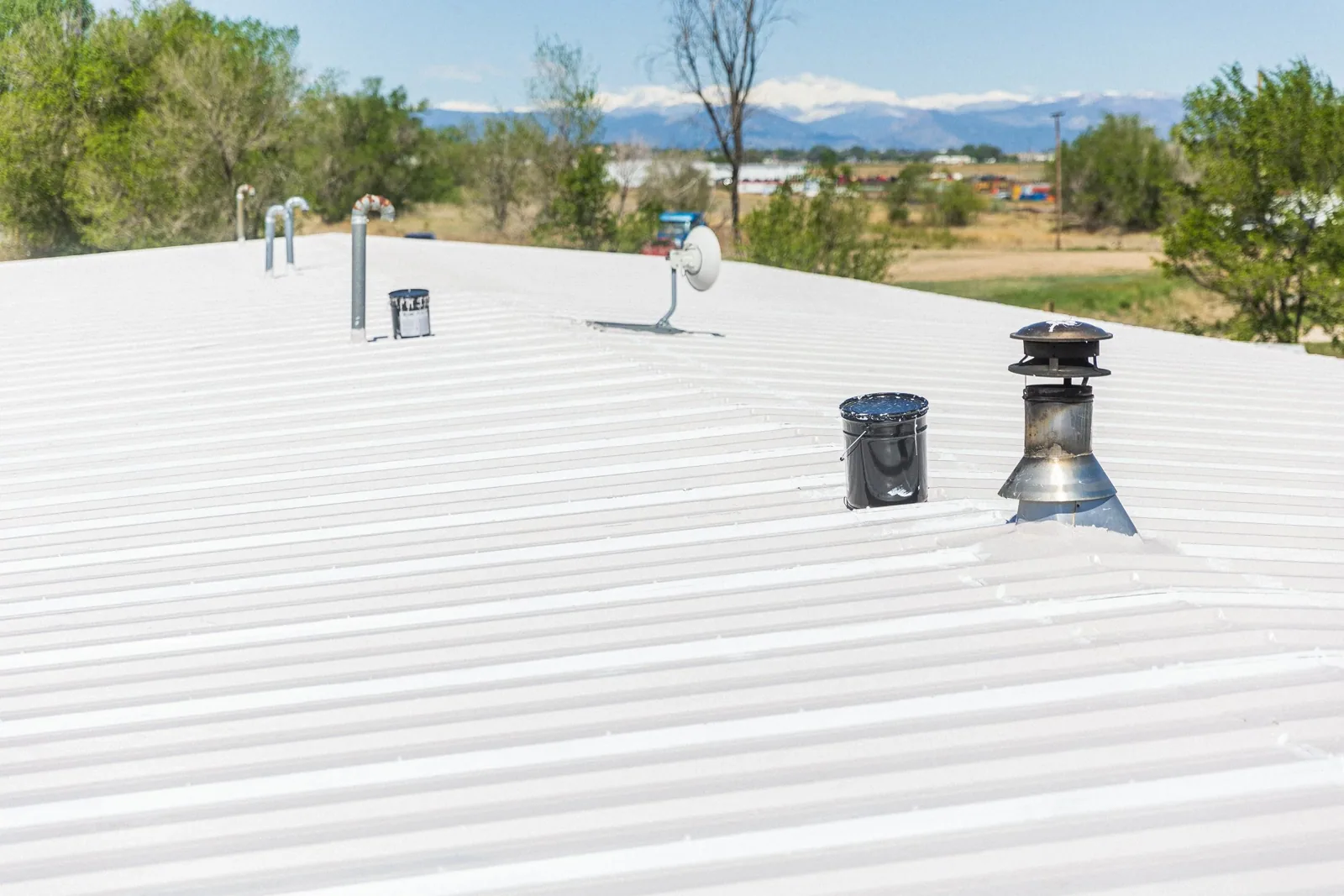
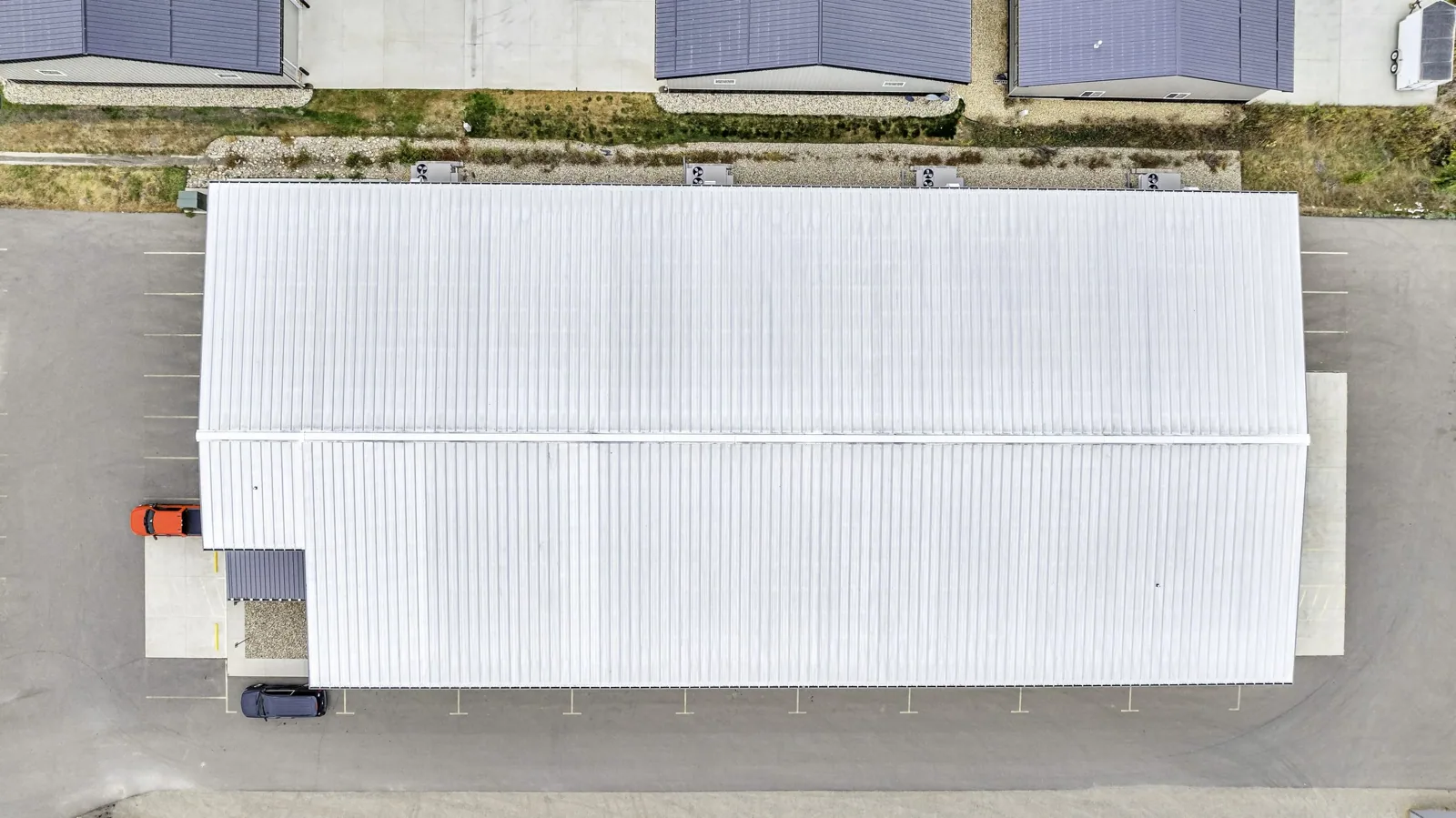
A manufacturing plant roof often carries exhaust fans, makeup air units, vents and process piping, and every one of those penetrations is a flashing that can fail. Chemical or heat exposure from an exhaust can shorten the life of a membrane near a stack, which is why the walk includes a look at what each penetration discharges and how close the membrane sits to it.
The scope separates what is urgent from what is planned. Leaks above production go first. Seams near failure follow. Items to watch are listed with a date for the next review.
Crane Pick, Haul Route and Truck Court Staging
Industrial lots bring truck traffic that does not stop for a roofing job. We plan the haul route so roofing trucks do not cross the path of shipping and receiving, and we place the crane where it can reach the roof without blocking a dock apron or a fire lane. Material arrives in the order it will be installed, with a pre-agreed unloading window.
A material hoist or a conveyor is often the better choice where an overhead line or a processing structure limits the swing of a crane. The plan names which one, and the foreman checks the lift route each morning for new obstacles. Where a loaded crane needs firm ground, we confirm the condition of the pad.
Deck condition governs how much material can be stacked in one place. We check the deck as it is exposed, mark any corroded or damaged sections and price them against agreed unit rates so the crew keeps moving when a bad area turns up.
Crossroads Retail and Smaller Roofs
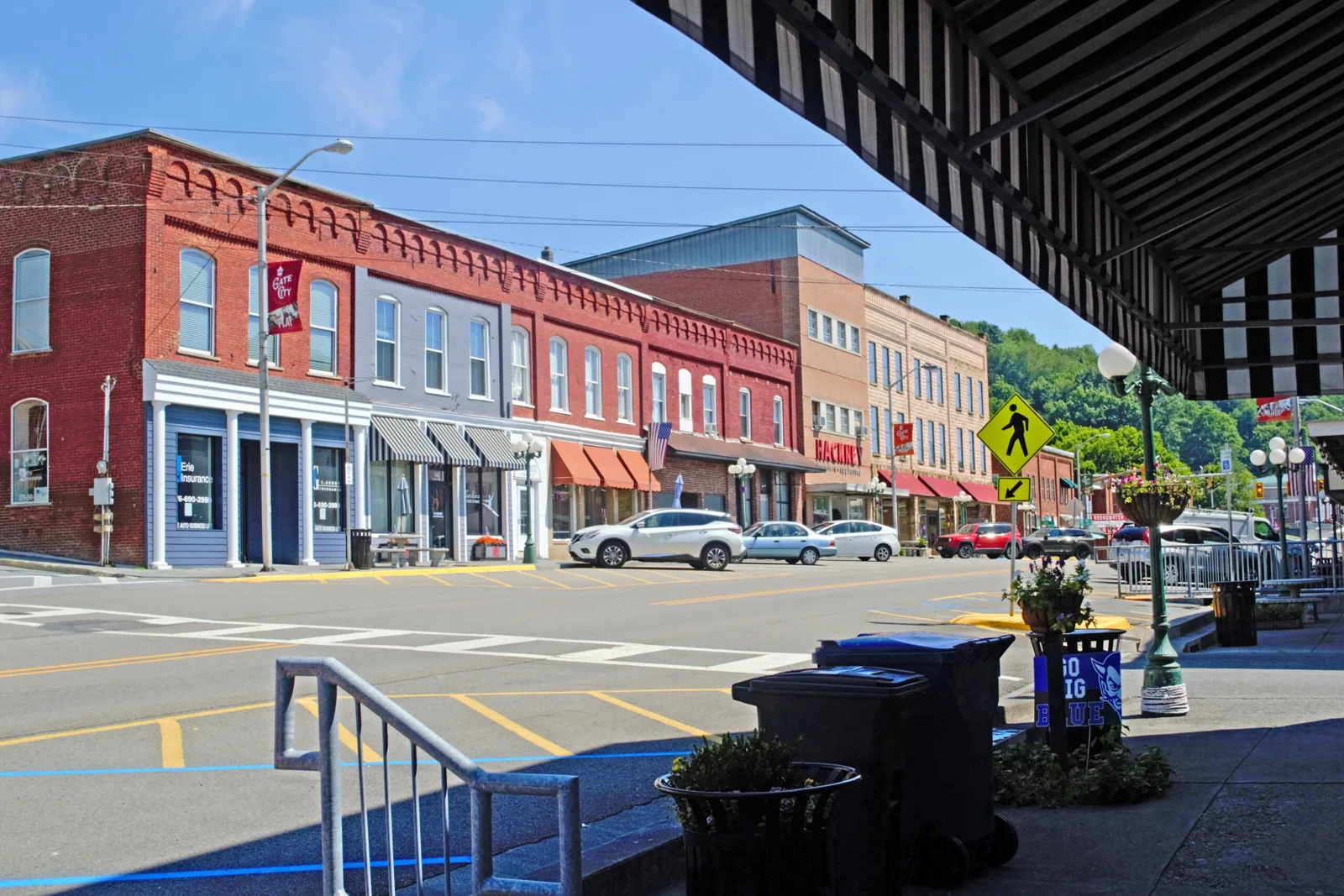
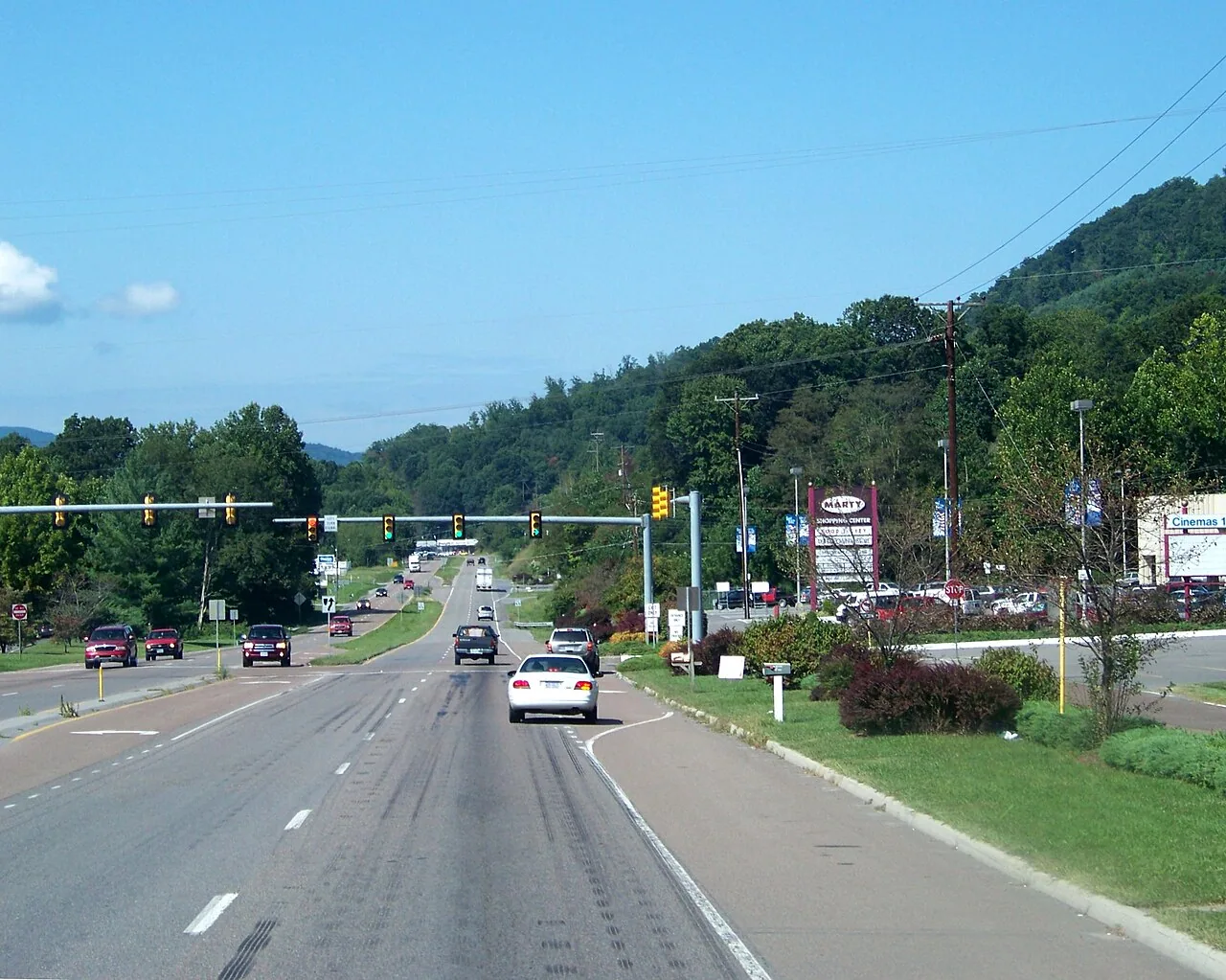
Duffield sits at the crossroads of U.S. 58/421 and U.S. 23, with a couple of shopping centers. Retail roofs follow a different logic from plant roofs: customers are present, the entrance has to stay open and the work often happens in the early morning. On a shopping center roof we map which tenant spaces sit under one roof section and one drain line, so each leak call goes to the right section before any cost is assigned.
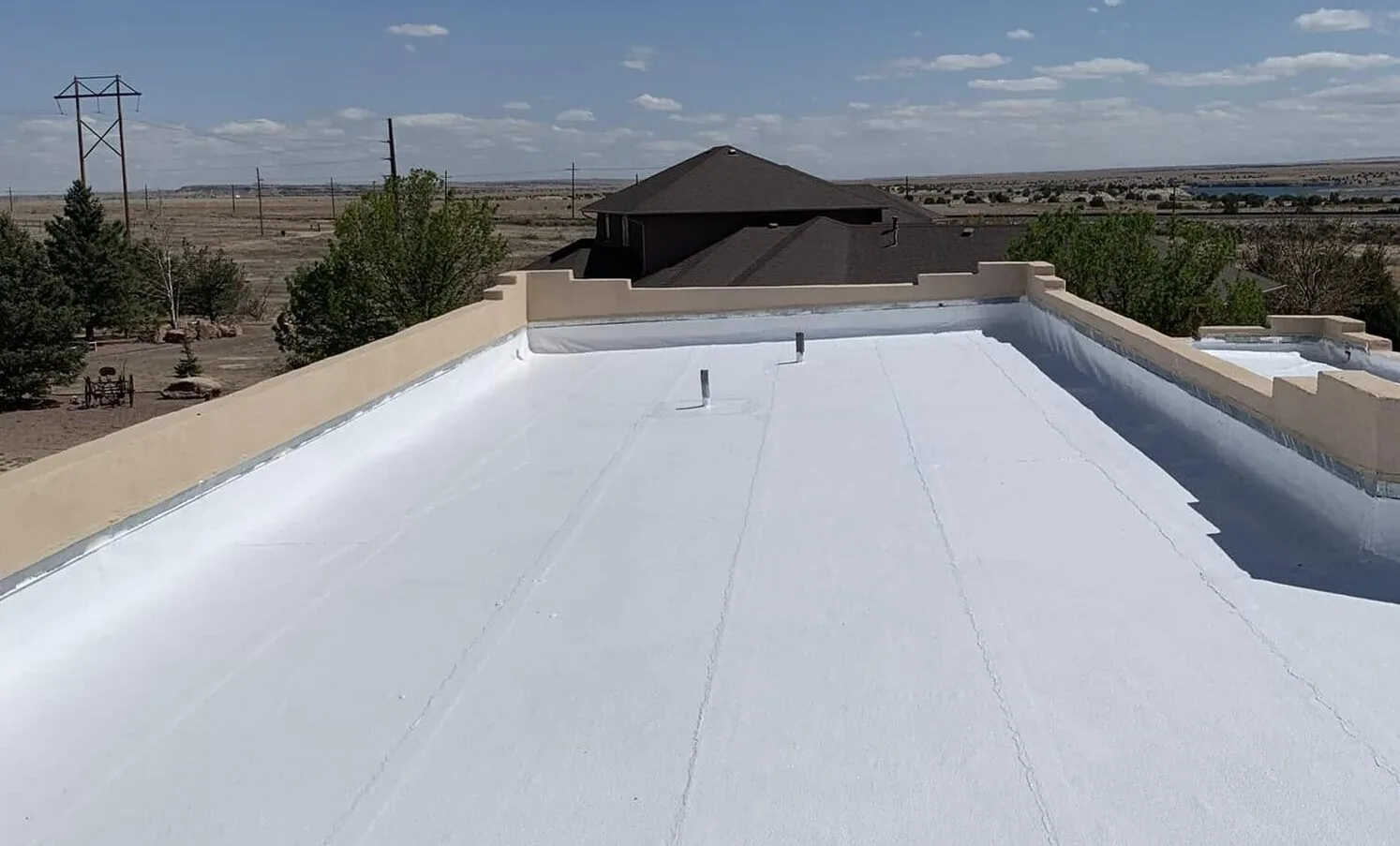
The same choices apply across building types: repair when the damage is local, recover when the deck and insulation are sound and dry, replace when the insulation is saturated. Core cuts and a moisture survey decide, and the owner sees the evidence.
Parking-lot logistics decide more than the roof does on a shopping center job. We stage material at the rear or an end of the building, keep the front sidewalks free and put barriers where a falling object could reach a walkway. If a tenant needs an interior ceiling tile moved or a sprinkler line checked, we give that tenant notice in writing through the property manager with the day and the hours.
Weather Buffer, Permit and Records
Kingsport, TN, has seen everything from minus 18 F to 104 F, and the schedule uses that span to decide when adhesives and sealants go on. Each section carries a closing time and a ballast reserve, and tie-down material is on site before anything is opened, because NWS Morristown thunderstorm warnings in the Tri-Cities area have named gusts of 60 mph and hail.
The permit for a Duffield roof comes from the Virginia office that has jurisdiction, and we name that office in writing before submittal. Each finished job leaves a file with the signed-off punch list, photographs of flashings and penetrations, warranty documents and a dated roof plan. Owners with other buildings nearby can request the same file for Gate City or Weber City, and a multi-site roof program can schedule them together.
Commercial Roofing Questions
How far ahead should a plant manager schedule a roof replacement?
Far enough ahead that materials, the permit and the plant's contractor orientation are finished before the shutdown window opens. The shutdown date is where the calendar starts, and we tell the manager when each order and approval must land.
Can torch-applied roofing be used over a running production area?
Only with a hot work permit, a fire watch and a clear distance from stored product and dust. If the plant prefers no open flame, a heat-welded or cold-applied membrane avoids the issue, and the options table shows the difference in cost and schedule.
What protects product on the floor below during tear-off?
A clean-zone plan agreed before work starts: ceiling protection where needed, debris containment at the roof edge, enclosed chutes and an end-of-shift sweep. The plant's quality staff reviews the plan, and the foreman confirms each morning that the protection is still in place.
How are exhaust fans and process vents handled in a re-roof?
Each penetration gets new flashing sized to the final equipment. We ask the plant when each unit can be shut down, check what it discharges near the membrane and schedule the work so no opening is left unprotected when rain is forecast.
What does a shopping center owner receive after a re-roof?
A punch list, photographs of every flashing and edge, warranty papers and a dated roof plan showing which tenant spaces sit under which roof section. The plan helps the owner assign future leak calls to the right section quickly.