Before a crane pick is scheduled over a dealership, the lot plan and the inventory move have to be agreed in writing. A lift or a crane needs clear pavement, and clear pavement means cars have to go somewhere for a day. We ask the general manager for the lot plan, the shop schedule, the sales hours and the name of the person who authorizes moving inventory. Those four items become the phasing plan, and the price follows it.
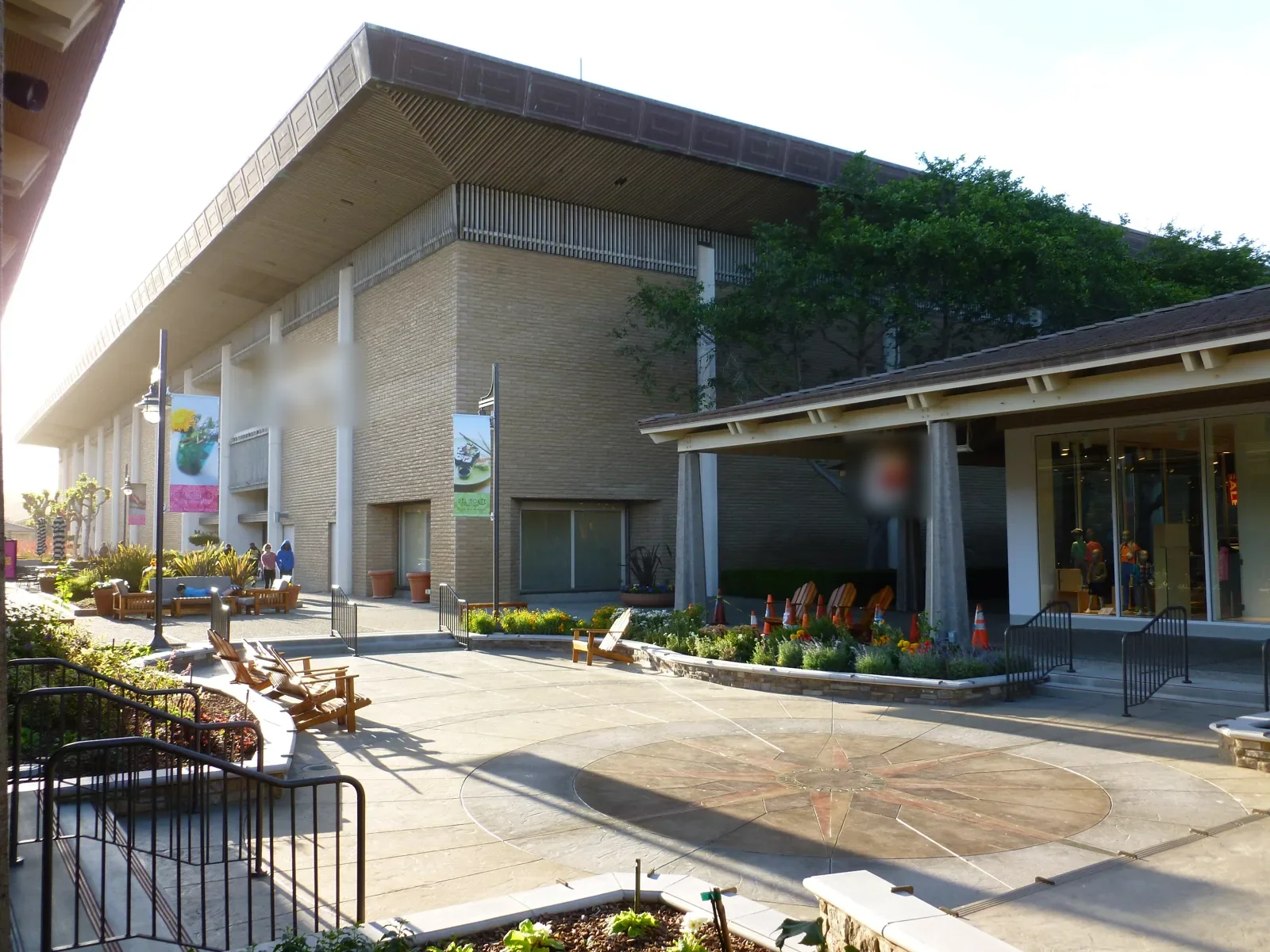
A dealership holds several roofs under one brand: showroom, service shop, parts room, offices and canopy, each with its own sequence. The plan reads more like a big-box store with separate zones than like a strip of shops, and the work resembles a shopping center job more than a plant job.
Lot Plan, Inventory Moves and Haul Route
The first drawing shows where the lift stands, where the crane pick is made and where material is staged. These positions sit away from the customer entrance and the service drive, and the inventory in their way is moved the evening before. The manager signs the move list, and the lot attendant confirms the clear zone each morning.
The haul route runs from the street to the laydown area and avoids the delivery lane for new vehicles. Each day's material arrives in a small load timed to the work. Anything left overnight is covered, tied down and parked away from customer vehicles.
Vehicle delivery trucks need their own lane, and the plan keeps it open on delivery days. If the carrier's schedule changes, the manager calls the foreman, and the crane day moves to the reserve day without paying a second mobilization.
Showroom, Shop and Parts Sequence
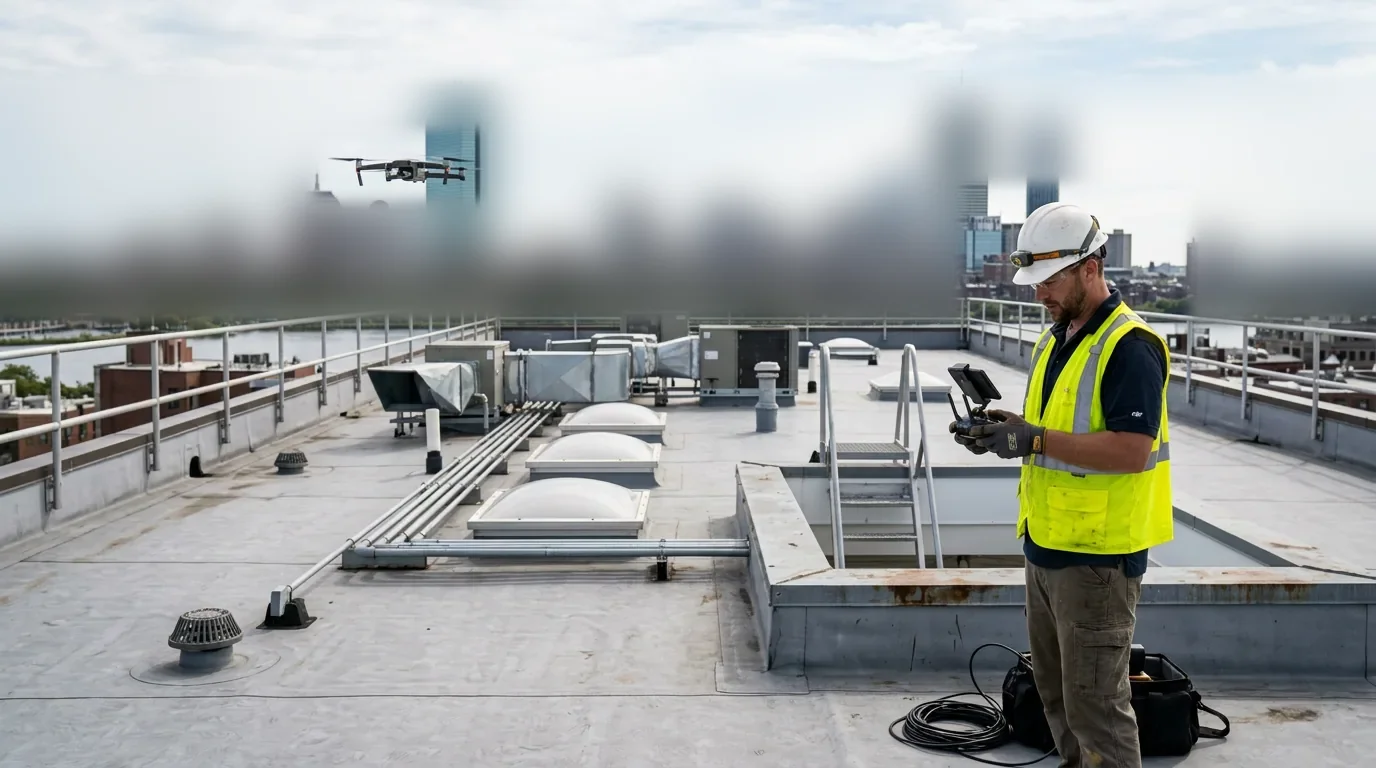
The service shop goes first when sales are slow, because its tear-off is the loudest and the shop can shift technicians to bays away from the work, and a drone inspection before the start records the roof as found. The parts room follows. The showroom, the most visible roof, is saved for a quiet weekday or a closed day, with interior protection over display vehicles and finishes.
Each roof is dried in before the crew leaves. A foreman's note lists the section opened, the section closed and the next shift's starting point, and it reaches the general manager before the doors open. The building engineer and the crew shut down the rooftop units over the showroom in a set order, each with a stated start and restart time.
Interior protection over the showroom includes floor covers, ceiling-height barriers and a dust screen at the entry to the service drive. Display vehicles are covered or moved, and the barrier is inspected each morning before the first cut.
Sign, Tower and Canopy Tie-Ins
Brand signs and towers often tie into the roof structure, and each tie-in is a penetration with a flashing. The sign contractor is called in before the crew removes any element, and the plan names who disconnects power, who lifts the sign, who reinstalls it and who tests the connection afterward. Conduit entries are flashed and photographed.
The canopy over the write-up lane or delivery area is its own roof. Its wall joint and fascia are checked, and the work is timed so the lane is open when customers need it. A canopy that shares a wall with the shop gets its tie-in built and inspected first, so the next section opens on a finished joint.
Shop Exhaust, Hot Work and Fire Safety
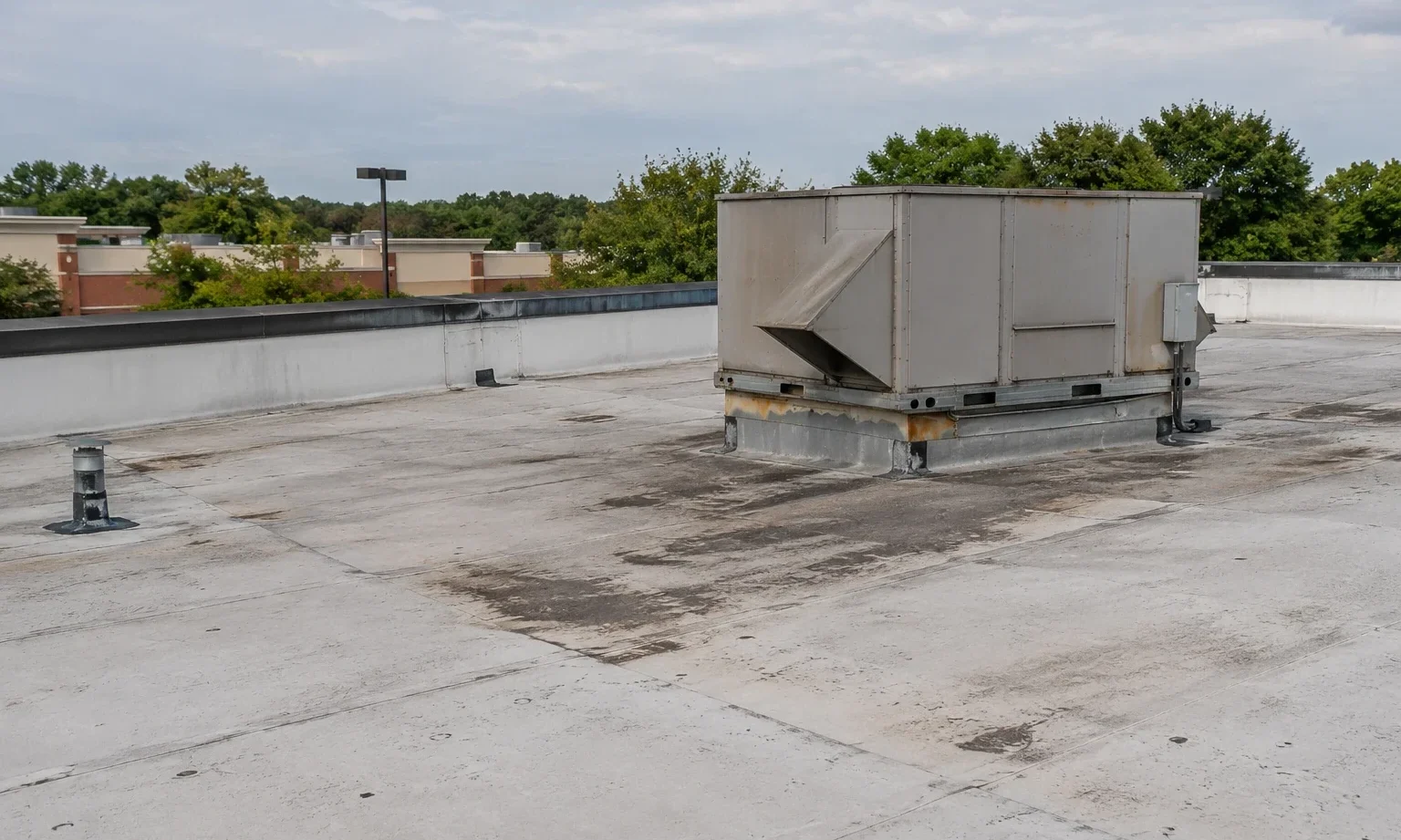
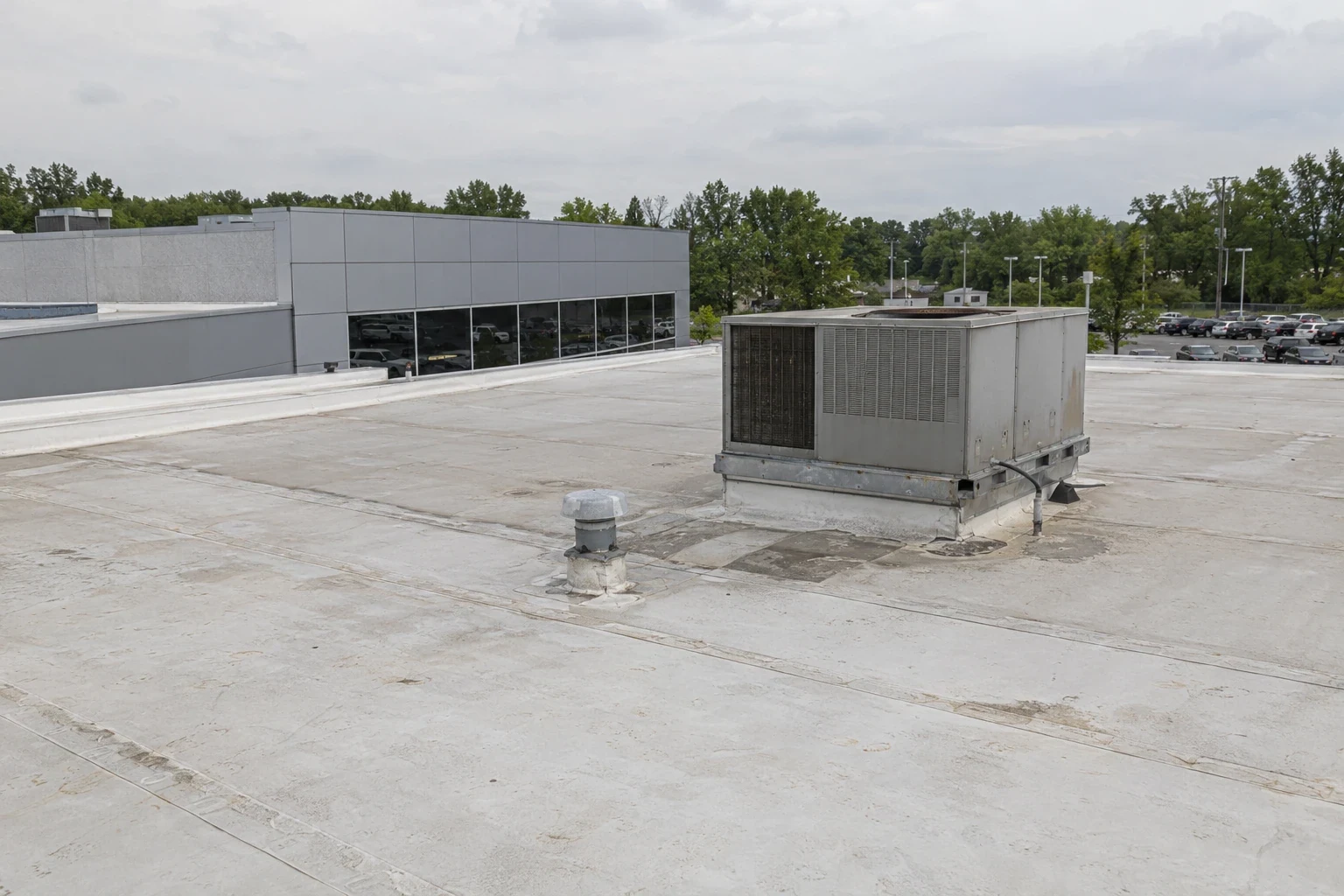
Shop roofs carry exhaust, welding extraction and make-up air. The crew locates each stack and curb on the roof plan, and the shop manager marks the units that must keep running. Any torch work stays inside what a hot work permit allows and carries a fire watch, and the shop can ask for cold-applied or mechanically attached systems instead.
Fuel, oil and paint storage are noted on the site plan, and the crew keeps open flame and sparks away from them. Overhead door headers are checked from outside, because water that passes a header lands on a floor where vehicles are being serviced. Fire extinguishers stay at the work area throughout the shift.
Drains from shop roofs carry oil and dust, so strainers are cleaned and checked at the end of the job. Overflow scuppers are verified, because a clogged drain over a service bay shows up first as a stain on a ceiling above a lift.
Permit Submittal and Code
A dealership reroof inside Kingsport is permitted work. The Building Department wants a stamped plan set with a PDF, reviews it against the International Building Code and the International Energy Conservation Code and lists the 2024 editions on its contractor page; a contract over $25,000 adds the Tennessee license and the insurance certificates.
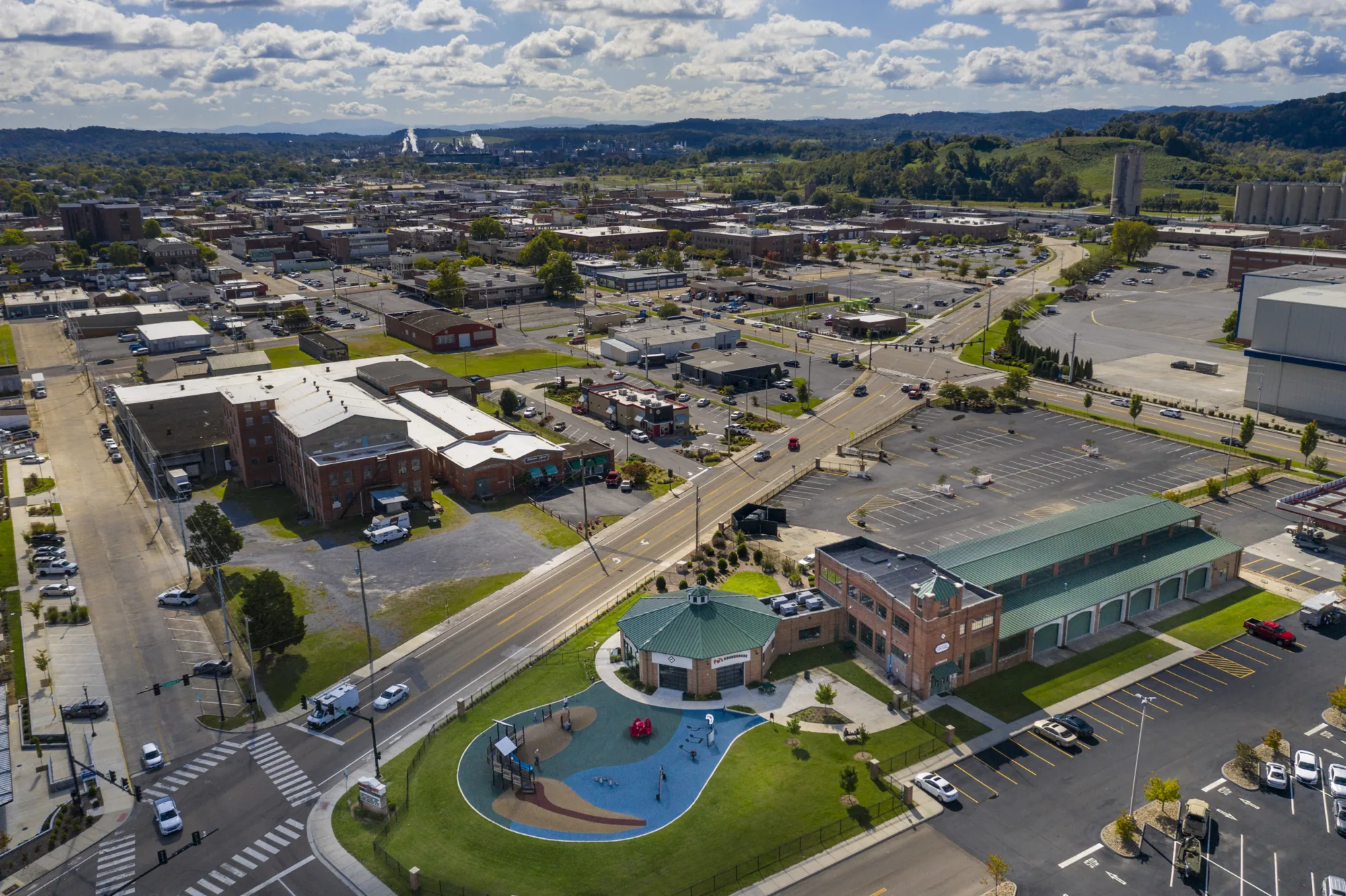
The submittal goes in while materials are ordered. The Stone Drive corridor, where U.S. 11W and U.S. 23 intersect and carry retail traffic, and the Pinnacle shopping district in Bristol, Tennessee, sit under different city governments, so the first call is to the right building department.
Lead times for membrane, panels and curbs shape the permit schedule. We ask the manager for the target start so that material orders and the submittal run together and neither holds the other.
Hail Exposure, Weather Buffers and Closeout
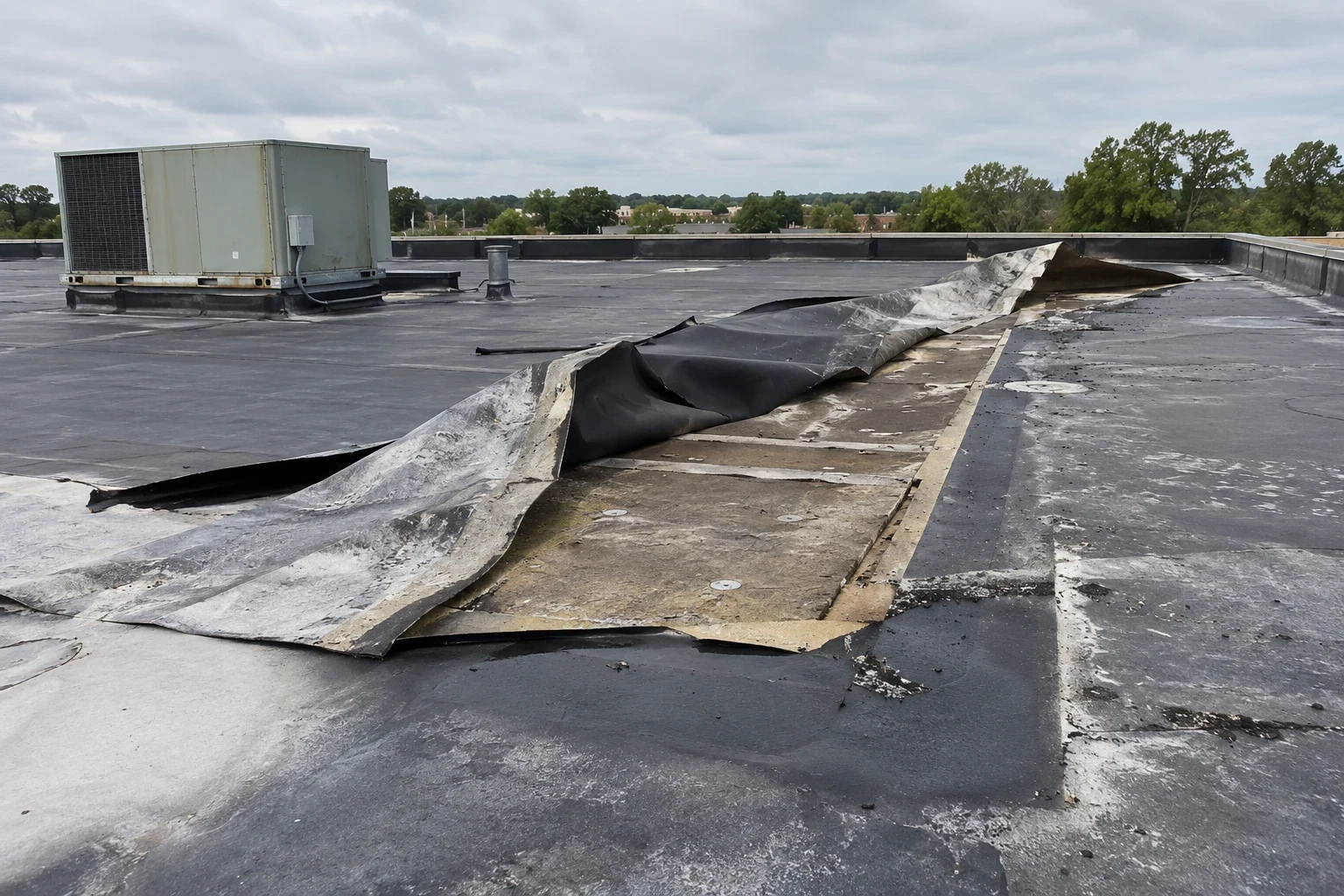
Hail has two targets at a dealership, the lot and the roof, and the roof gets its own dated photographs before any claim. Morristown warnings for Sullivan County have named 60 mph gusts and hail with damage expected to roofs, and rain falls on about 133 days a year, around 45 inches in total. A hail damage walk checks dents in metal, bruises in membrane and cracked skylights, and the report is kept apart from the vehicle claim.
No section stays open when a warning posts. The general manager and the foreman walk the roof together at the end, a photograph closes each punch item, and the warranty, as-built plan, permit and inspection record are kept as one file.
Commercial Roofing Questions
How far ahead must inventory be moved?
The evening before each lift or crane day. We recommend the manager sign a move list, and the lot attendant confirms the clear zone each morning. A reserve day covers a delivery that arrives late. The plan shows the zone on the lot drawing.
Can the showroom stay open during the work?
Often yes, if the loud steps are moved to a quiet day and interior protection goes over display vehicles. We recommend scheduling the showroom roof last, after the shop and parts roofs set the pace. Entrances stay open, and the lift stands away from customer doors.
Who handles the brand sign?
The sign contractor disconnects power, lifts and reinstalls the sign, and we flash the base. The plan names each person and the day. We recommend the contractor be on site when the sign comes off and again when it is tested.
Does hail on the lot mean hail on the roof?
Not always, but it is a reason to look. We photograph the roof with dates, count dents on metal and bruises on membrane, and give the owner a record. Keep the roof file separate from the vehicle file when speaking with an insurer.
What does the dealership send before a price is set?
The lot plan, the roof access points, the sales and shop hours and the inventory move rules start the file. The sign contractor's name and any turnover dates round it out, and the phasing plan comes before the price.